
Planting Onions: Tips for Beginners
Content
Choosing a location
You won't be surprised, of course, to learn that onions thrive in full sun. But while they prefer good light and warmth, they will also thrive in the shade. This is a valuable feature for those whose garden plot isn't large enough to accommodate a plantation, but whose plans are ambitious. So, if you plan to plant onions and another sun-requiring crop, you can dedicate a sunny spot to that crop. Onions, however, will thrive in the shade.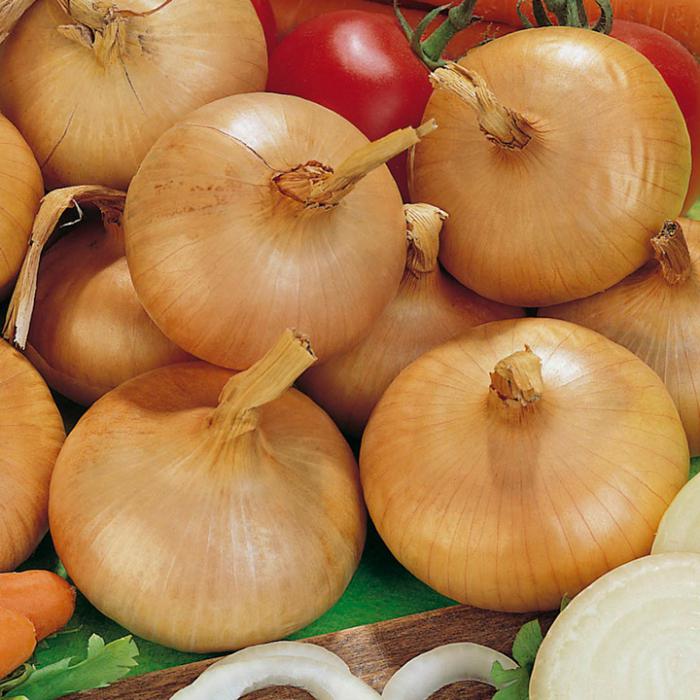
The soil in your chosen location should be fertile, and ideally neutral. Slightly acidic soil will do, but this will impact the yield.
If you have only acidic soil, onion planting should be planned well in advance. Liming should be applied no later than two years before planting.
Here's another important point to keep in mind when planting onions: they benefit from crop rotation. If you're planting them for the first time, a plot where they've previously grown is ideal:
- early cabbage;
- cucumbers;
- tomatoes;
- potato;
- rye;
- peas.
Planting onions in a plot previously occupied by flowers, garlic, or onions is not recommended. Remember, you can't return onions to a plot where you've already grown them for three years. Carrots are best grown in the adjacent plot; the two crops will help protect each other from pests.
Video "Preparing for Landing"
This video will show you how to prepare onions for planting.
Preparation
The next step: before planting onions, the selected site must be thoroughly prepared. This work should begin in the fall. This is the perfect time to thoroughly dig the future bed. This should be done to the depth of a spade, that is, to the fertile soil layer. Naturally, all weeds must be removed.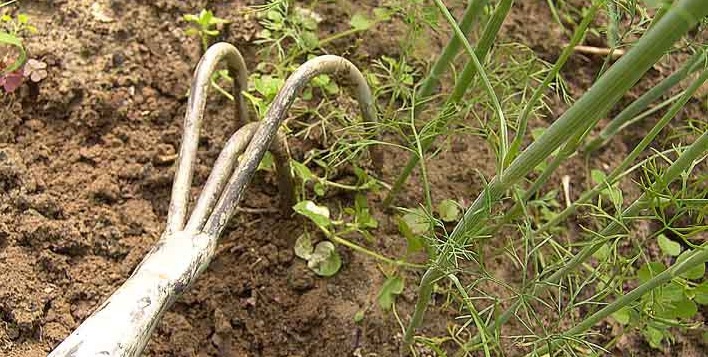
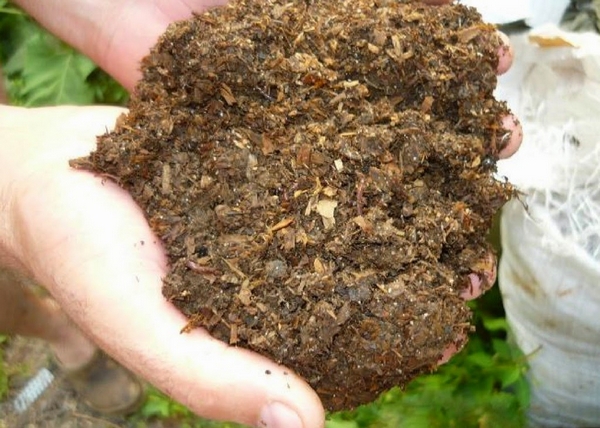
Now, let's fertilize the onions. We mentioned above that they're great eaters and love fertile soil. But nothing out of the ordinary is required. Tried-and-true remedies will work just fine:
- compost;
- manure;
- humus;
- ash.
One (maximum one and a half) bucket of organic fertilizer or 1 kg of ash is sufficient for 1 square meter of garden bed. If you deem it necessary, you can use a complex mineral fertilizer: 100 g per 1 square meter is sufficient.
The next time you need to take care of the soil is in the spring. Now we'll do without a shovel: excessive digging can disrupt the soil structure and cause moisture loss. In the spring, the area should be loosened with a rake. Then, give the soil a fairly standard "cocktail":
- urea (10 g x 1 sq. m);
- superphosphate (60 g x 1 sq. m);
- potassium chloride (20 g x 1 sq. m).
Try to plant them at a shallow depth so that the roots of the future onion receive good nutrition.
Planting seeds
Have you decided how to plant onions? Choosing seeds? A good decision. Let's delve into the intricacies of this method. Consider sowing seeds for seedlings. This method is undoubtedly labor-intensive, but, according to agricultural experts, it's optimal for the northern and central regions of Russia.
Of course, the key to success is high-quality seeds. And be sure to check the expiration date when purchasing. If you want a good harvest, you should have two years of remaining seeds before their expiration date. Otherwise, barely a third of the seeds will sprout.
The second issue is choosing a suitable container for the seedlings. The container should be convenient and waterproof.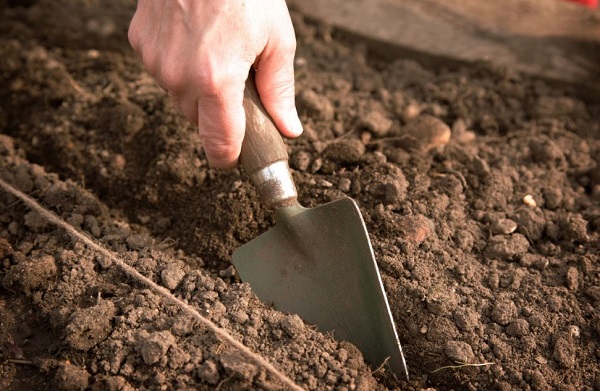
It's recommended to warm the seeds 10 days before planting. You can simply place the bag on a radiator. Considering that seeds for seedlings are sown in the last ten days of February, warming should begin around the middle of the month.
The sowing soil is a mixture of equal parts turf soil and humus. Old greenhouse or garden soil is suitable, but it must be healthy and not previously used for growing onions or garlic.
Fill the planting boxes with a 15-centimeter layer of soil, compact it, and water. Rows should be spaced 4-5 cm apart; it's easiest to mark them out by drawing lines in the soil. After sowing the seeds, cover them with the same soil. Now cover the boxes with plastic wrap. Keep the seedlings at a temperature of 20-25 degrees Celsius and water them carefully.
Have the first loops emerged? It's time to remove the plastic wrap, lower the temperature by 5-10 degrees, and increase the lighting. Soon, about a week before planting in the ground, the seedlings will need hardening off to create the same temperature as open ground. And in early May, it's time to move the sprouts outdoors. Water the seedlings thoroughly the day before, and again an hour before planting.
You can also use the direct-seeding method. This involves simply planting the seeds in the soil. When choosing how to plant onions, keep in mind that this method has a downside, but not a drawback: the harvest will be uneven. The size of the bulbs will be affected by weather changes. However, this method is, as they say, budget-friendly. Plus, you'll get not only onion bulbs but also sets for next year.
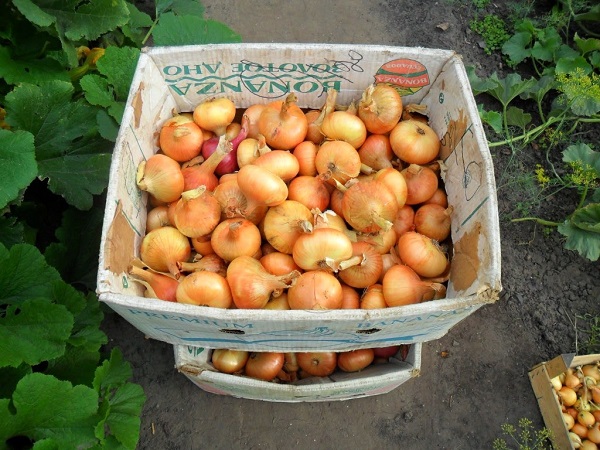
Planting and caring for the plants outdoors is straightforward. It's recommended to sow the seeds as early as possible and cover them with plastic for protection. You'll see the first shoots in 7-10 days. If you sowed them densely, allow the seedlings to grow a little and thin them out, leaving 6-8 centimeters (2-3 inches) apart. All that's required for care is watering and loosening the soil after each watering and after rain. Be careful not to allow a soil crust to form. Fertilize the plants twice with liquid fertilizer: when 5-6 true leaves appear and when the bulb begins to form.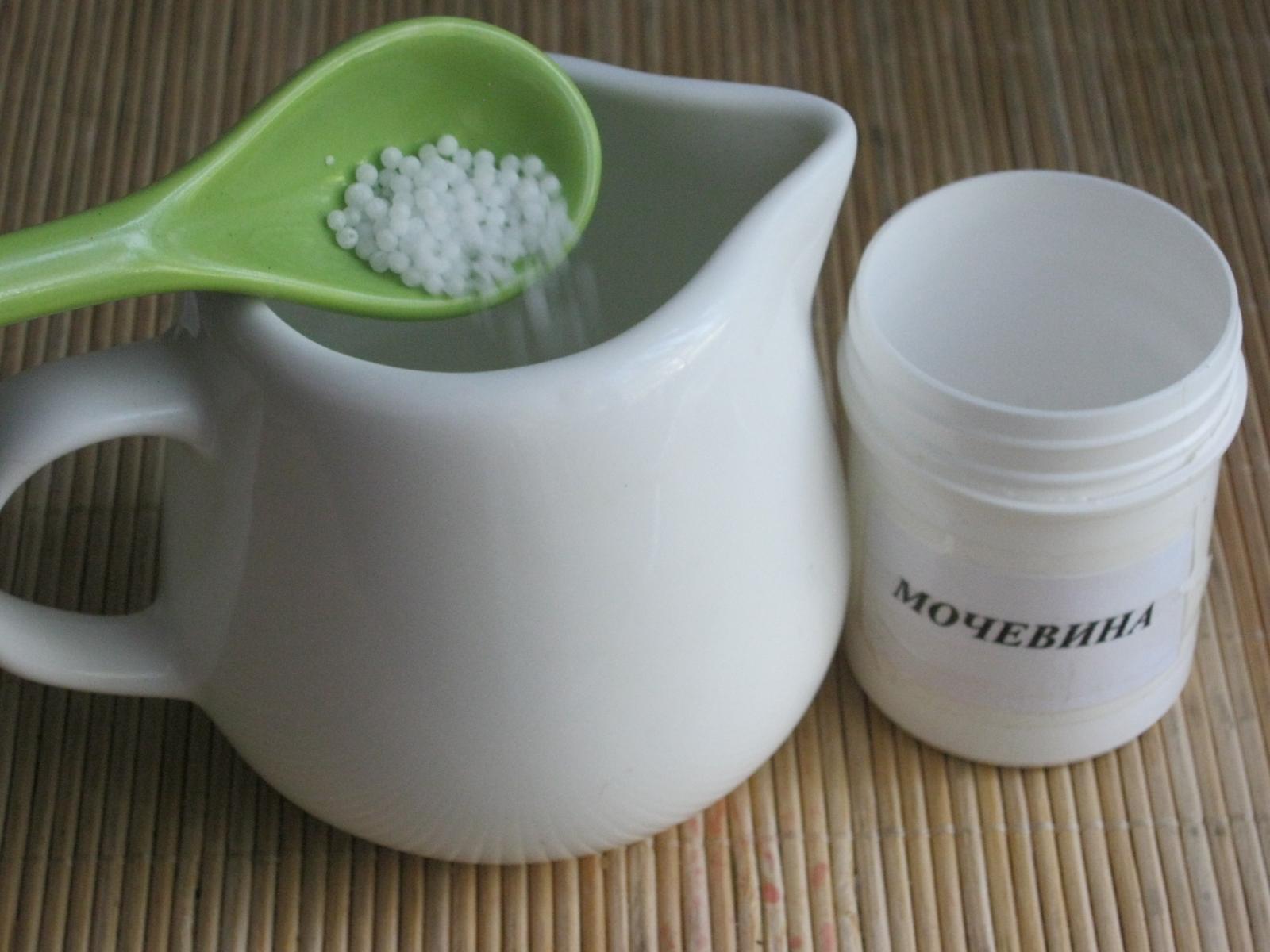
Don't pick green onions for salads in these beds, as this will damage the harvest. Onions for greens are grown separately.
Planting onion sets
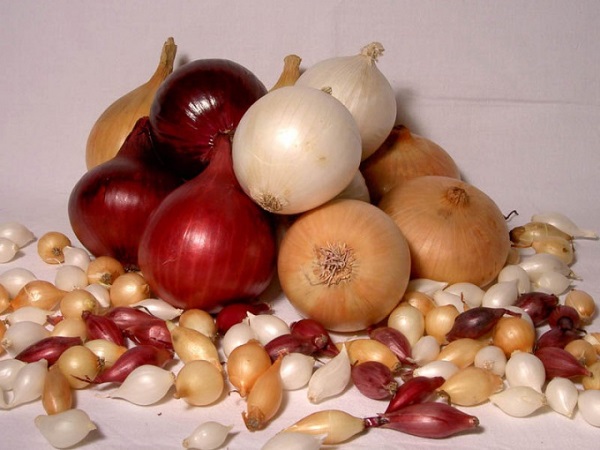
It's quite difficult to pinpoint the exact time for planting onion sets. The key is well-warmed soil. Experts say it should be warmed to a depth of 6-10 cm. If spring is early and warm enough, late April is a good time to plant.
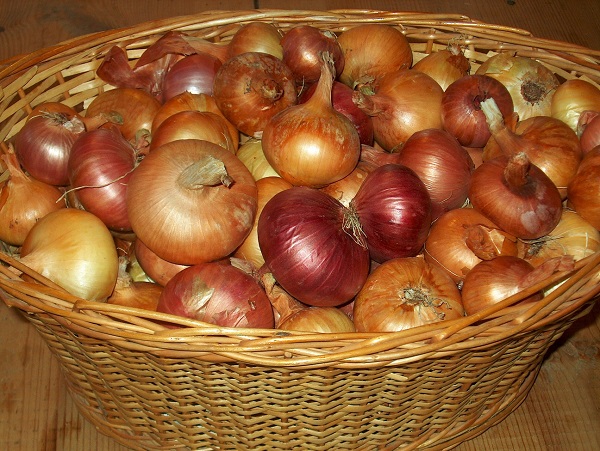
If you're using store-bought seedlings, each bulb should be thoroughly dried. Your own bulbs need to be warmed up—winter is over, after all. This is a lengthy process:
- We warm the sets at +20 degrees for 2-3 weeks;
- for 8-10 hours (no longer!) we create a 30-40 degree heat;
- We treat it with a growth stimulator.
There's another way. Let's say, for some reason, you don't have time to slowly warm up the onion sets. You can use the express method:
- Keep the onion sets in hot water for 10-15 minutes;
- 10-15 minutes – in cold water;
- 5-6 hours – in a solution of complex mineral fertilizer.
Before planting, the seed onions should be disinfected with a solution of potassium permanganate or copper sulfate.
Of course, we prepare not only the onion sets but also the soil. A week before planting, water the soil generously with a copper sulfate solution (1 tablespoon per 10 liters of water).
Depending on their size, plant the onion bulbs 5-10 cm apart. Place them in the soil to a depth of 3-4 cm, press the soil around them, and sprinkle with sawdust or cover with straw (plastic wrap is also suitable).
About three weeks after planting, you can fertilize the onions with a solution of manure or bird droppings. However, this is not necessary: onions generally don't require much additional feeding.
Planting for greenery
Onions can be planted for greens year-round. Whether in a garden bed, a greenhouse, or even just on a windowsill, it's more cost-effective and efficient to use sets. Typically, 6-10 kg of sets are planted per square meter.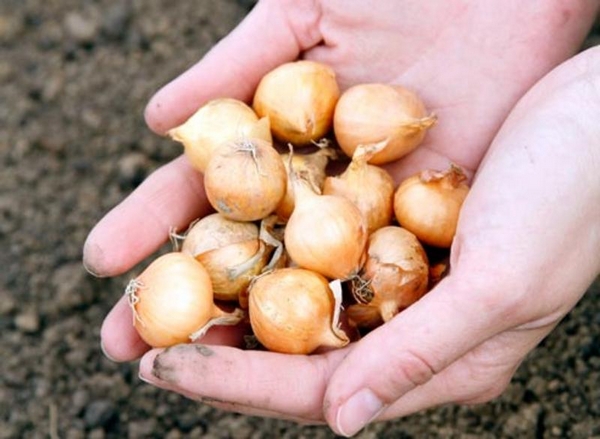
Onions are usually sown in the garden for greens either in the fall or early spring. If you choose to plant in the fall, the beds will need to be covered with soil and then insulated with manure or humus. In the spring, of course, all this should be removed. Spring plantings don't require covering, but they do require regular watering. The first feeding should be done a week after planting, and the second 10 days later.
Video "Planting for Greenery"
This video will show you how to grow green onions.