
Preparing for planting onion sets
Content
Choosing a variety
Growing onion sets offers several advantages over other onion varieties. First and foremost, it's worth noting that this vegetable crop has varying ripening times. This diversity makes it convenient to plant in virtually any region. You can choose the appropriate variety based on your climate and the purpose of growing the vegetables.
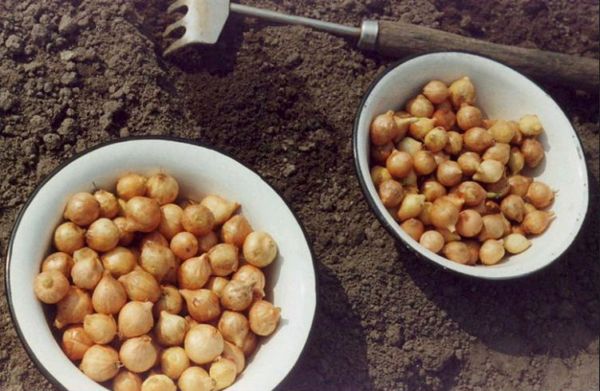
The advantages of this variety include its relatively resistance to diseases and harmful insects. It is less susceptible to the negative effects of the onion fly or powdery mildew. This vegetable does not require large amounts of fertilizer. However, it should be noted that there is a drawback: a high risk of bolting.
On average, the diameter of a single bulb after ripening is about 2.5 centimeters. This type of planting material typically sprouts early and has a high germination rate.
Sweet varieties are best grown from seedlings. When growing an early, spicy variety, consider Stuttgarter Riesen. Centurion has excellent shelf life, making it convenient for long-term vegetable storage. Radar, Hercules, and Troy varieties are preferred for winter planting.
Video: Planting Onions in the Garden
The video discusses methods for planting onions in a garden plot.
Preparing the beds and planting material
Preparing onion sets for planting doesn't require any special approach from the gardener. The preparatory work is fairly simple, but it's essential to ensure a bountiful harvest.
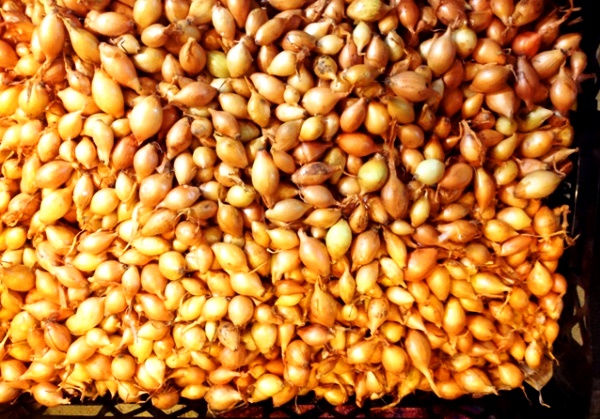
After choosing a site for planting onions, you need to prepare the soil. Beginning gardeners should be aware that this vegetable crop requires a lot of light. Therefore, choose a site that receives sunlight for most of the day, rather than being in the shade. Planting onions near groundwater is not recommended, as excess moisture will reduce the quality of the vegetables (impacting taste and shelf life).
Land preparation can begin as early as fall. The soil should be thoroughly loosened to a depth of at least 15 centimeters. Once the soil is loosened, organic fertilizers can be added. Well-rotted manure, chicken manure, and peat are all good options.
Before planting, consider the soil's pH level. If it's too acidic, lime can be used to neutralize aggressive substances. Diluted lime can help prepare the soil, but this process should be started in the fall.
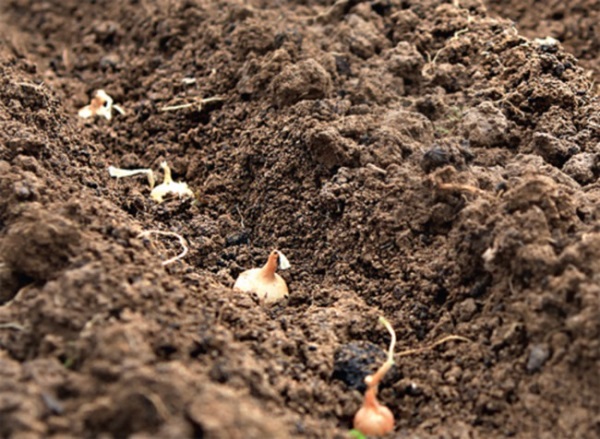
Once the soil is ready, you need to prepare the seedlings before planting. When purchasing planting material, be sure to dry the onions thoroughly. Preparing for planting sets begins with warming the bulbs. This process involves several stages, as one warming is not enough. The first time, you'll need to keep them at a temperature of 20 degrees Celsius (68 degrees Fahrenheit) for 2-3 weeks. Then, for 8-9 hours at a temperature of 30 degrees Celsius (86 degrees Fahrenheit). Then, let them cool. Avoid overheating the onions to prevent them from drying out.
Before planting, the onion bulbs should be treated with a special growth stimulant. If this isn't possible, soaking the planting material will be necessary. To prepare the onion bulbs for planting, soak them in water. The water should be approximately 40 to 50 degrees Celsius. Soak the bulbs for about 15 minutes. Then remove them and immediately place them in cold water for 10 minutes.
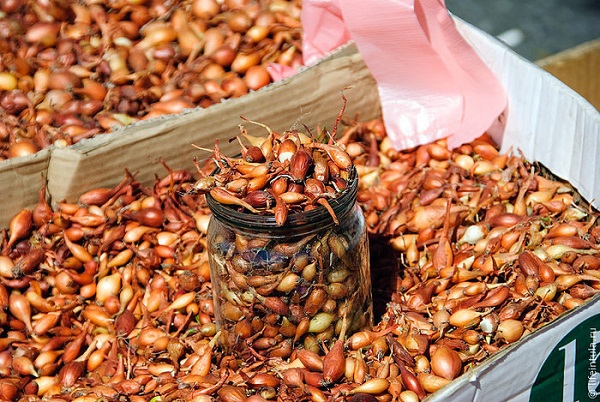
Disinfection will also be necessary. This process will destroy any remaining harmful microorganisms, fungal spores, and unnoticeable insect egg masses that may have survived until the following season after harvest. Before planting, treat the soil with a weak solution of potassium permanganate or copper sulfate. A solution of about 3 grams of disinfectant per bucket of water is sufficient.
You can also grow onion sets using nigella seeds. Nigella seeds can be grown at home. This method is more reliable than using commercially available seeds. Preparing planting material from nigella seeds requires special techniques, which you can learn more about in other articles. It should be noted that preparation will take quite a lot of time, but the result can be pleasing.
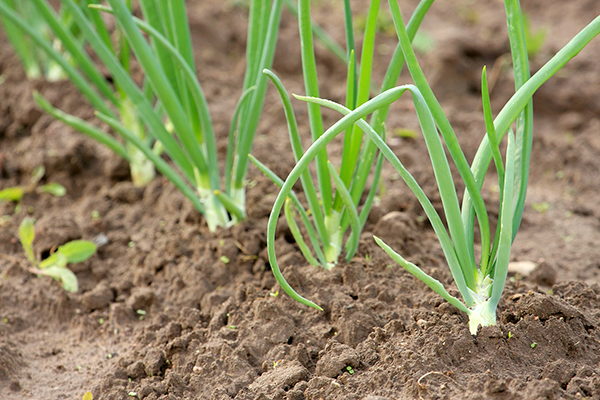
Once the preparation is complete, you can soak the onions in a complex mineral fertilizer. If done correctly, the onions will be ready to take root quickly before planting. The first shoots will appear within 10 days of planting.
Planting technology
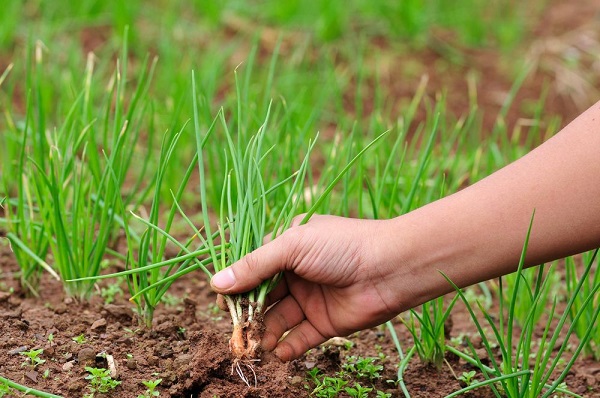
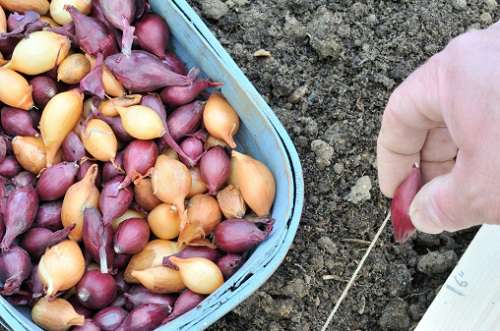
Once you've prepared the seedlings for planting, you can begin working. Before placing the seedlings in the soil, you'll need to roll them to ensure the soil is level and evenly distributed across the area. Then, using a hoe, make small furrows up to 5 centimeters deep. The distance between rows should be at least 20 centimeters.
The bulbs will need to be planted to a depth of up to 4 centimeters on average. This depends on the variety and size of the bulbs. It's important to remember not to plant the bulbs too closely together, as this will result in a crowded planting, and the root system will push the bulbs to the surface. It's best to space the bulbs about 7 centimeters apart. Small bulbs are placed in the ground first, followed by larger ones (a couple of weeks later). Small bulbs usually don't flower.
Sowing dates
Before planting, it's important to determine the correct time for the work. It's difficult to give specific dates, as each variety has a recommended time for planting.
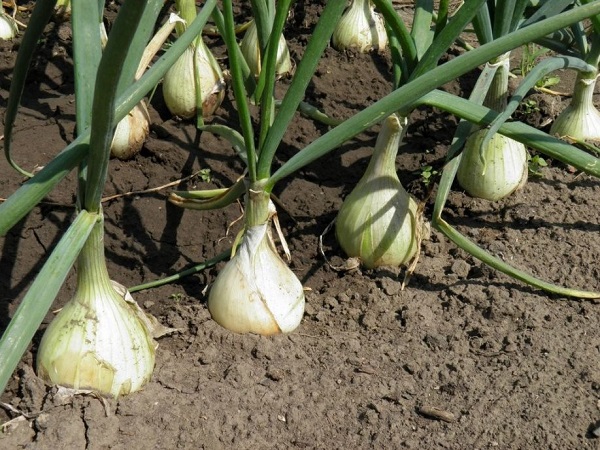
In general, you need to consider the variety you're planting, as well as the current weather conditions. If the spring is early and fairly warm, you can begin planting onion sets as early as late April. Be sure to keep the soil warm. Otherwise, the young seedlings will freeze before they have time to adapt to their new location. This will reduce the vegetable harvest. The optimal soil temperature is 12-13 degrees Celsius.
Care
To ensure a large, high-quality harvest at the end of the season, follow these simple guidelines during cultivation.
During the first few days after planting, the soil in the area should be thoroughly watered. Thorough watering will help the plants adapt more quickly and begin to emerge. It's not recommended to allow the beds to dry out for extended periods. With adequate watering, the leaves will grow more vigorously, and eventually, the bulbs themselves will grow as well.
You'll also need to periodically pull out weeds that begin to grow near young seedlings. To improve the flow of oxygen and water to the plant's root system, it's advisable to loosen the soil if it becomes compacted. This is best done when seedlings emerge between the rows.
Video: "Sowing Onions in the Garden"
In this video, experienced gardeners share methods for planting onions.