
Features of growing onion sets
Content
Landing time
Planting onion sets can be done at different times. This is because they can be planted at optimal temperatures in a given area. Therefore, the planting schedule may shift if the weather in a particular region has not yet warmed up.
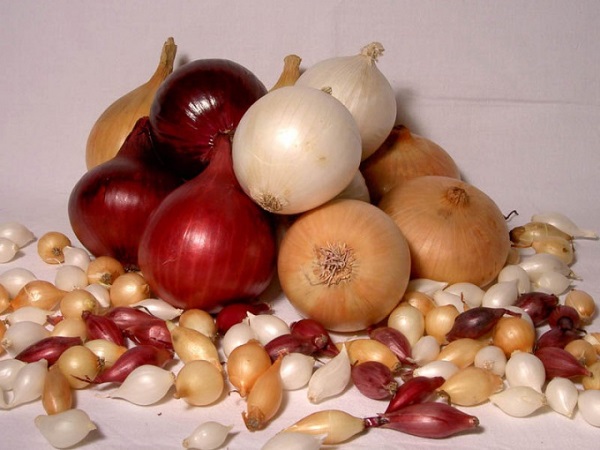
A temperature of 50-55 degrees Fahrenheit (10-12 degrees Celsius) is considered ideal for planting bulbs. The soil needs to warm up so the plants can quickly adapt to the new conditions and produce their first shoots. The air temperature should not fall below 4 degrees Celsius (40 degrees Fahrenheit). A prolonged cold snap in early spring can kill almost all the planting material. Light frosts won't harm early sprouts, but older plants will stop growing and seed maturation will also be delayed at temperatures of -5 degrees Celsius (-5 degrees Fahrenheit). Cold snaps will prevent the bulbs from absorbing sufficient moisture, resulting in stunted growth, small, less juicy fruits, and low germination rates.
Because favorable weather conditions arrive at different times in different regions, planting times will vary. Typically, gardeners should plant their harvested onions in the spring, most often in late April or early May. In some northern regions, onions can be planted as early as June, as warmer weather may not arrive until then.
When planting vegetables in June, it's best to choose early-ripening varieties. This early maturation allows for a larger harvest, allowing for harvesting after ripening before further frost sets in. If you sow in June, be aware that harvesting will be later than for most other farmers.
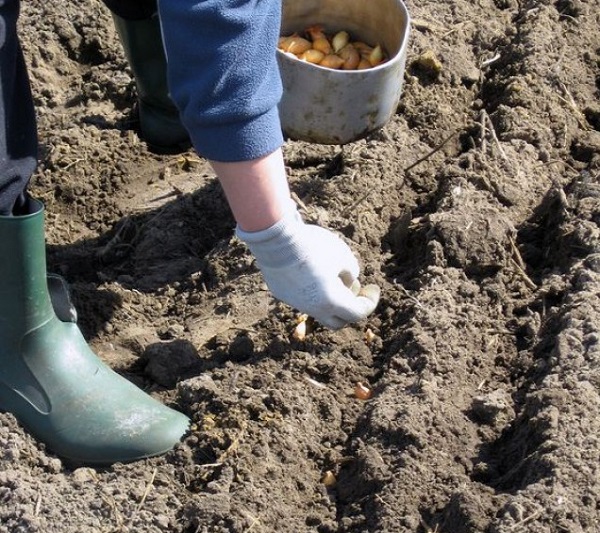
Sowing onion sets in greenhouses can be done much earlier, as suitable growing conditions can be created independently. By following all the necessary care and treatment measures, you may notice that the onions sprout earlier than they would without human intervention.
If planted too late, the greens will begin to grow first, not the root system. The greens will be voluminous, while the bulb will remain quite small after the harvest. When growing onions for greens, this approach can be justified, as gardeners can constantly cut fresh greens during the summer. Greens do not store well. Therefore, greens are more often used in salads or other dishes while the onions are still growing. However, unlike bulbs, greens cannot be stored during the winter.
Video "Onions in the Garden"
This video explains in detail how to properly plant onions and how to care for them.
Preparation of planting material
To answer the question of how to grow onion sets, it's important to understand some of the specifics of this vegetable variety. First of all, before sowing, it's necessary to prepare the planting material, as well as the soil where the plants will be placed. When answering the question of how to grow onion sets, gardeners should consider the type of planting material used. The technology for growing onions always depends on the method chosen—nigella seeds or small sets.
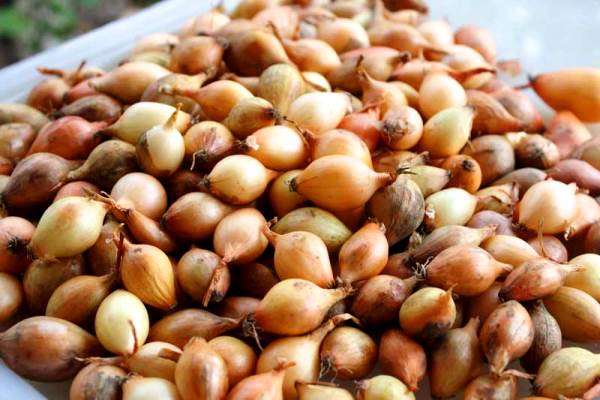
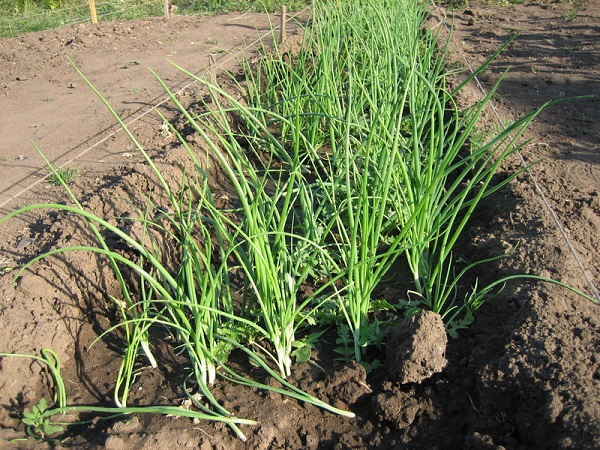
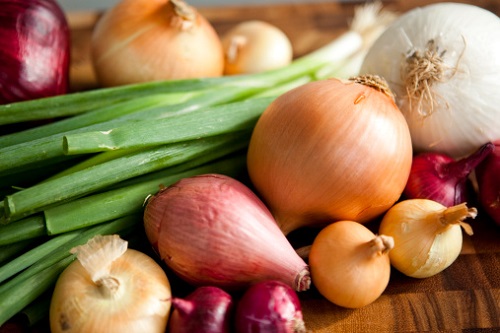
For both methods, choose sunny locations. If the onion sets have been stored properly (the ideal temperature is 16-18 degrees Celsius), warming them up before planting should be sufficient. Warming up is a preparatory step that usually involves several stages. For the first time, the onion sets are kept at a temperature of about 20 degrees Celsius for 2-3 weeks. Then, the temperature is raised to 35 degrees Celsius for 10-11 hours. This will stimulate plant growth and reduce the number of sprouts that appear during the vegetable's growth.
In some cases, additional treatment of the planting material with special stimulants is used to accelerate growth. "Zircon" or "Rost-1" are often used as solutions. They are applied to the surface of the onion sets. Now, before planting the onions in the ground, they are soaked for 5 hours in a solution of complex fertilizer. It's best not to over-soak them, as this can negatively affect the outer layer of the planting material.
By following these steps during preparation, you can ensure that green shoots appear early.
Soil preparation
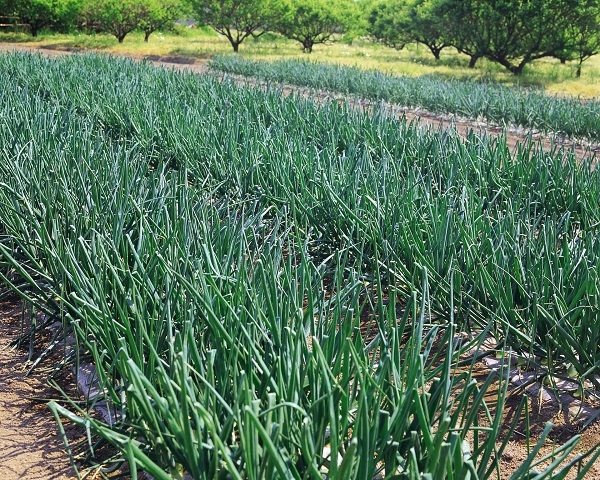
A description of the preparatory work will make the process easier for novice gardeners. Soil preparation for onion planting is essential to improve the quality and properties of the soil in the area. For young seedlings, this factor is crucial, as it determines how quickly the greenery will emerge and how quickly the shoots will emerge.
Growing vegetables in greenhouses can help achieve faster germination after sowing, but onion sets are most often grown in open ground. Plantings cover large areas (from 2-3 hectares to 50 hectares). When sowing seedlings over a large area, specialized agricultural technology is required. Agricultural technology is needed to quickly and effectively loosen the soil, apply fertilizer, and treat plants for possible diseases or harmful insects. These measures will increase the yield and ensure its quality. A single piece of agricultural technology can harvest onions from a large area (approximately 30 hectares) in just a few days.
When following proper growing techniques, it's important to always pay attention to the volume of onion plantings during the season. The larger the area, the faster the soil will need to be prepared for sowing onions. Without specialized equipment, cultivating even 1 hectare can be a major challenge.
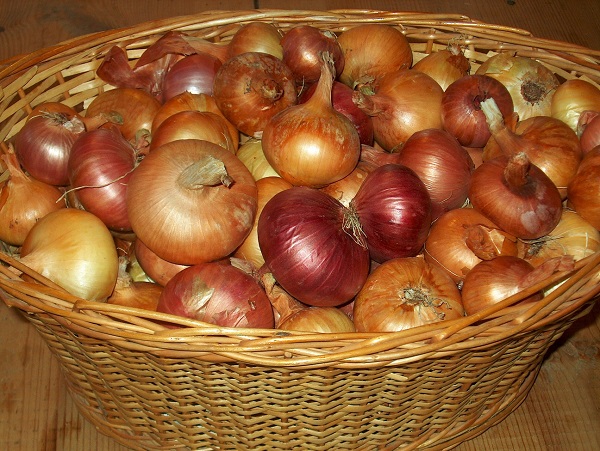
When preparing the soil for sowing onions, it's important to pay attention to the presence of acidic substances in the soil. The soil shouldn't be acidic. If such properties are detected before planting, the acidity level should be reduced with limestone. By following this standard, the gardener will ensure rapid plant adaptation. Fertilizer should be applied to the soil early in the season.
Fertilizers should be applied to the soil after the harvest. This allows organic matter and manure to rot until the following spring. This will renew the soil over several months and restore its balance of nutrients. While decomposition occurs slowly during this time, this process can significantly increase yields for the following season.
In the spring, mineral fertilizers are applied. The first few times, this should be done while digging the soil a couple of weeks before planting vegetables. The second time, the fertilizer should be applied during the growing season.
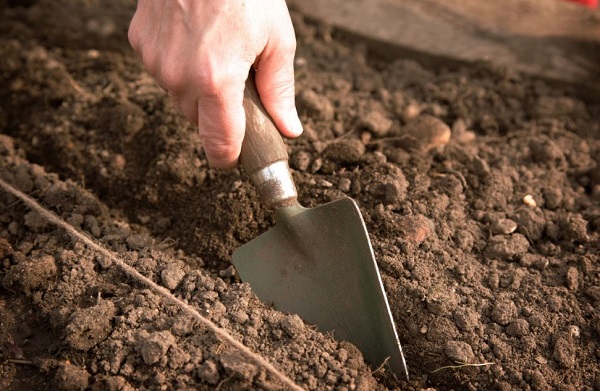
Before planting onions, you'll need to thoroughly loosen the soil. This will allow water to better penetrate the roots and improve oxygen availability. Once the soil has warmed sufficiently, you can begin sowing the onions. Avoid allowing fresh manure to remain in the soil before planting the onions. This can lead to disease, and the bulbs will not be able to mature properly. This will result in a small harvest at the end of the season.
Planting and care
Growing onions from sets is not difficult if you follow the recommendations of experts.
Planting onion sets always requires favorable weather. If the air is cold, be sure to wait until the soil warms to a depth of 10 centimeters. If the temperature drops below 10 degrees Celsius, it's not recommended to plant the onion sets, as this will likely cause the bulbs to sprout.
For proper care, it's important to follow a specific planting pattern for onions. This pattern requires maintaining optimal spacing between beds. Ideally, the distance between beds should be approximately 20 cm. The beds should be spaced apart to prevent signs of disease on the scapes and greens due to insufficient air circulation. Maintaining the proper spacing between beds will ensure adequate ventilation.
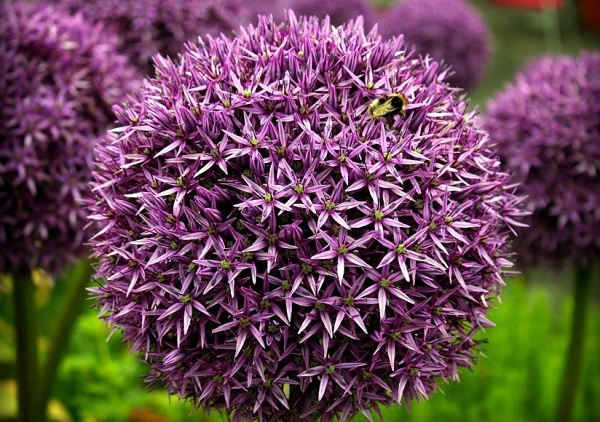
Among agricultural equipment, you can find a special device for accelerated vegetable planting—an onion set seeder. This device will help complete the job on time, seeding a large field (from 1 hectare to several dozen hectares).
When growing onions for greens, you don't have to follow the care instructions so closely. It's best to cut the greens off at an angle while they're growing, almost to the base of the plant's fork. This way, the greens will continue to grow while the root system receives sufficient nutrition.
However, on large farms, green onions are rarely grown. Planting is done with the expectation of a large harvest within a specific timeframe, as the owner or tenant's profit depends on this.
Precautions will also be necessary, as insects and diseases often need to be controlled. To ensure timely harvest of onion sets, follow proper care guidelines and recommendations, as well as implement timely insect and disease control measures (downy mildew).
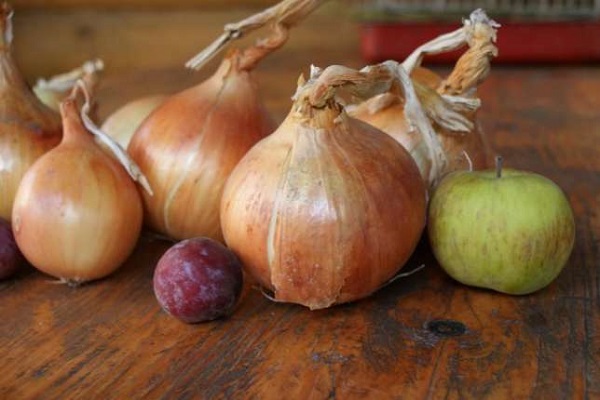
Downy mildew is also known as peronosporosis. It covers foliage with a damp, moist coating. Downy mildew infects foliage, shoots, seeds, and the root system very quickly. As a result, foliage dies, shoots fall off, and the entire plant dies. For this reason, it's important to begin combating the disease as early as possible by properly treating the plants.
The description of the fight against downy mildew consists of preliminary treatment of the land.
When fighting downy mildew, it is very important to quickly and correctly treat large areas. Fitosporin is often used to combat downy mildew. Fitosporin helps protect seedlings from downy mildew, fungal infections, late blight, and other diseases.
With timely control of downy mildew, you can ensure healthy onion growth. The greens will be healthy and the onions will be large. By properly following all care and disease control measures, you can harvest over 20 tons per hectare. On a 10- or 20-hectare plot, following specific care guidelines is crucial, as losses can be very high.
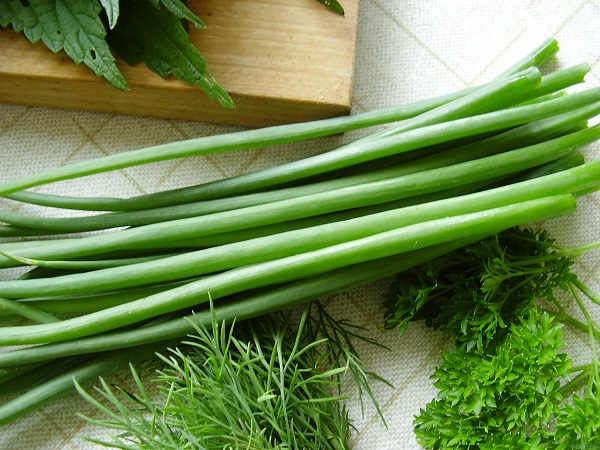
Onion care should include timely watering and loosening the soil. If you follow the care recommendations correctly throughout the growing season, your onions will definitely grow beautiful and healthy.
With proper care, growing vegetables will yield wonderful results.
It's generally best to harvest in early autumn. Once the fruit has ripened, it's best to store it in boxes in dry areas.
Video: "The Subtleties of Planting Onions"
Experienced gardeners show how and when it is best to plant onions in the garden.