
When to harvest onion sets: harvesting dates
Content
When to stop watering
In order to harvest a rich crop of large fruits, you need to know exactly when to stop watering the vegetable in the middle zone.
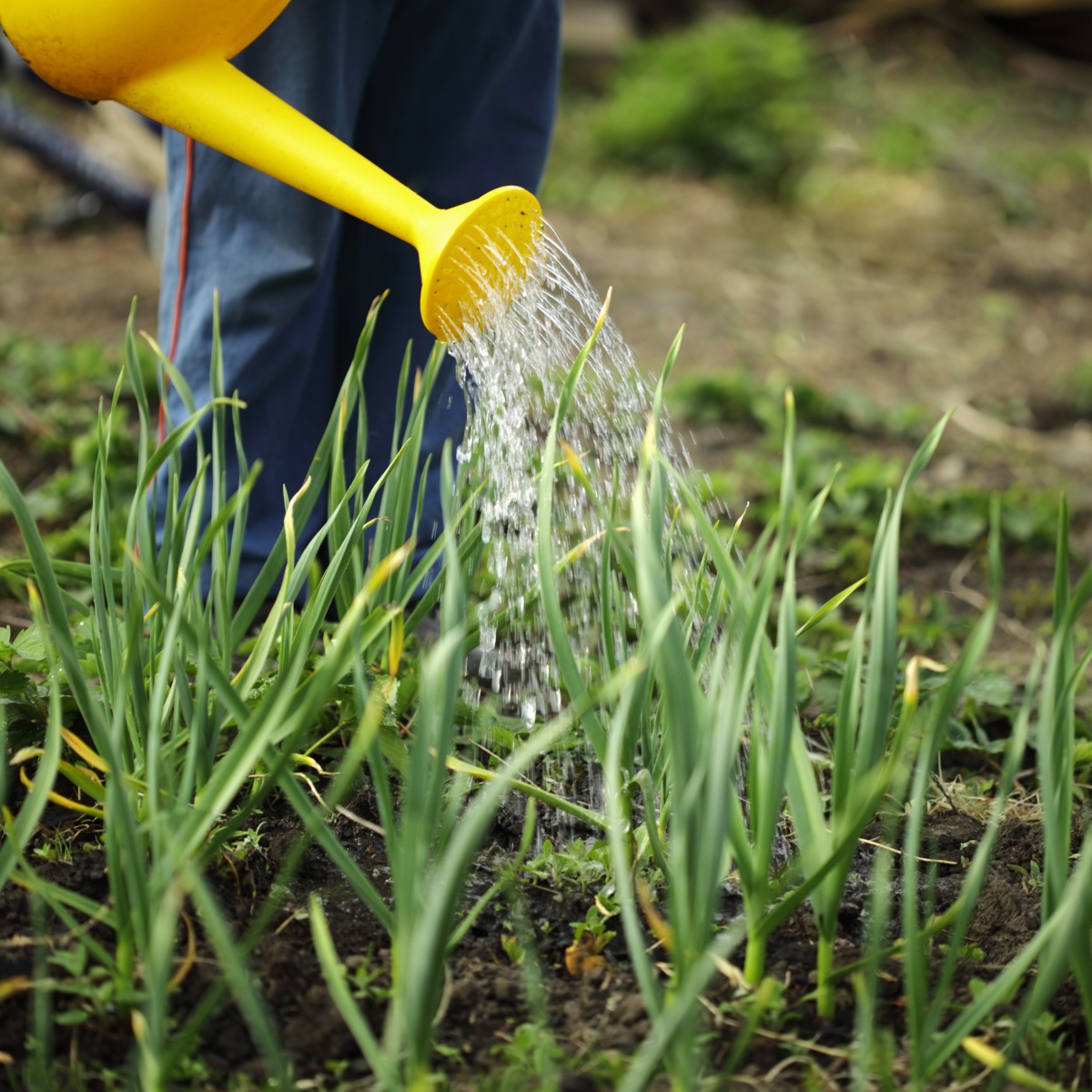
It's best to stop systematically watering onions in late July. By this time, the green parts of the plant will already be formed, and the lack of watering will allow the bulb itself to grow. Even rain can temporarily halt the growth of the underground part of the plant. The bulb will remain dormant until the soil dries out.
If shoots appear during the bulb's formation and ripening, they should be removed immediately. Otherwise, the vegetable will lose its lightness and will not store well.
Cleaning times
The harvesting time for the plant is determined by its condition. Most gardeners agree that the period when the leaves are "lying" is ideal for digging up the vegetable. It's believed that by this time, the bulb will have already formed and reached the "right" color. Under favorable conditions, as in the summer of 2016, harvesting occurs in mid-August.
Onions must be harvested in a timely manner. Harvesting too early prevents the outer scales from developing, and harvesting too late means the vegetable can't be stored for long. Furthermore, early harvesting can lead to diseases. Since the neck of the fruit is thick and open, pathogens can easily penetrate it.
If the summer is rainless, harvesting should begin in late July. Don't wait until the leaves have completely yellowed, as this will make picking the small bulbs from the garden nearly impossible.
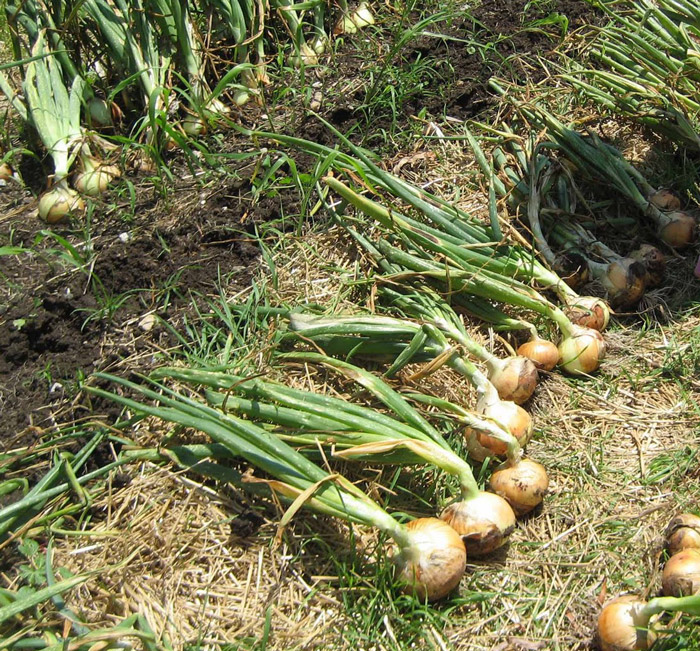
If you believe the fruit isn't ripe yet, you can speed up the process. First, you can mow down the green parts of the plant 7 days before harvesting. However, it's best to avoid this method, as it reduces the quality of the harvest.
Secondly, you can rake away the soil from each bulb in advance (about 10 days).
Third, you can break the root system with a pitchfork, lifting the fruit. Alternatively, you can trim the roots with a shovel. Both methods prevent minerals from reaching the bulb. This process will transfer nutrients from the leaves to the fruit, allowing for a high-quality harvest.
Video: "Harvesting Onions and Onion Sets"
The video's author explains in detail how to determine the ripeness of onions and the harvesting process.
Preparing for cleaning
In temperate climates, the greens are planted in late July. In hotter regions, the process is carried out in July, and in the Urals, it has its own specific requirements.
This operation accompanies the ripening of large fruits. After this, all watering of the vegetable should be stopped.
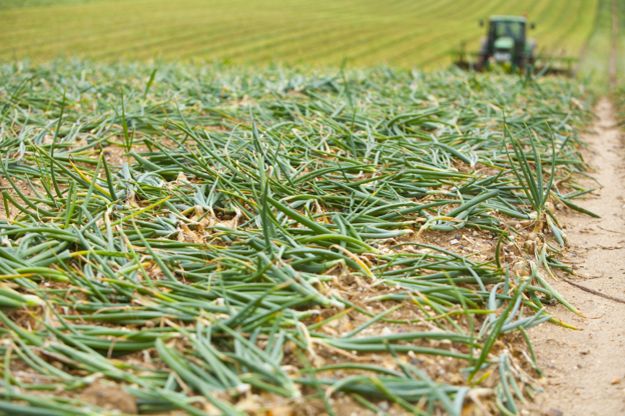
At the same time, some agronomists advise against bending the leaves toward the ground, citing damage to the false stem. This, in turn, can cause neck rot.
Trimming
If the onion plantings have become dense, trim off any excess greenery before digging the beds. Afterward, carefully pick the onions from the soil. This will save time trimming the tops of each individual onion.
But, most often, the harvest is carried out with the green parts of the plants still in the garden, and only then are they trimmed. Some postpone this procedure until late fall or early winter. However, it's advisable to trim the tops earlier to allow the vegetables to dry naturally in the sun. This, incidentally, will make the harvested crop more compact.
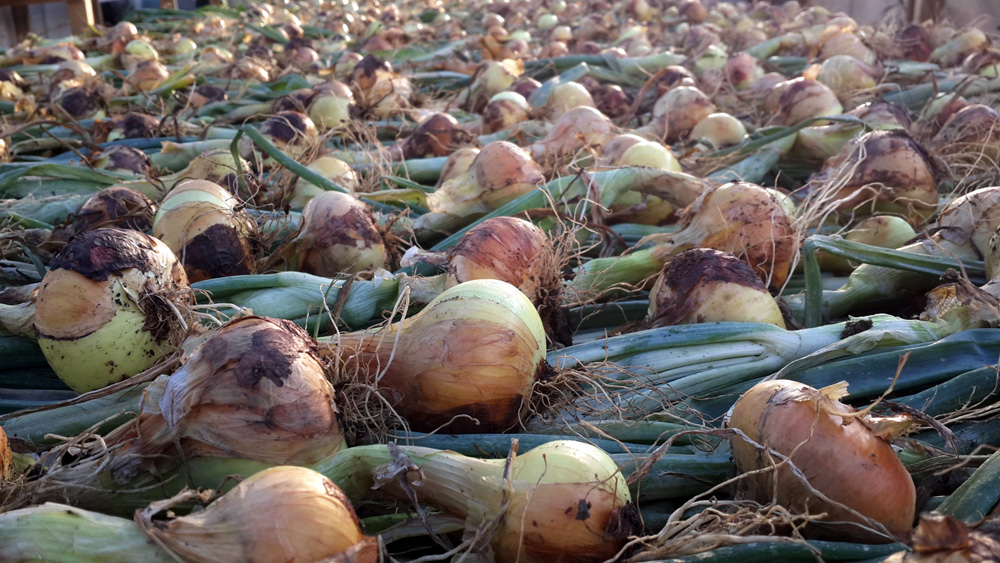
It's worth noting that drying the crop must be high-quality and last at least 20, if not 30 days. The temperature must be maintained at 30°-35°C.
What weather should I start cleaning in?
According to all rules, harvesting vegetables from the garden should be done in dry weather. If the soil is loamy or sandy, there's no need to dig up the onions; simply pulling them by the tops is sufficient. Conversely, onions growing in heavy soil should be dug up after carefully lifting them with a pitchfork or shovel. Few people know that you should never knock the soil off the onions by slamming them against the garden bed. This can damage the delicate structure of the fruit.
It's also worth sorting the plant: separate the onions with thick necks from the rest. Once the harvest has dried, cut off the neck, leaving only 4-5 cm of it. If you leave the short "tail," the onions won't store well.
You can braid the tops of the vegetables instead of trimming them. The roots of the fruits are trimmed to the bottom. It's worth noting that a well-dried vegetable will rustle when moved. Another indicator of dryness is if you can easily slide your hand through the pile of fruits.
Drying
After harvesting the onions, they need to be thoroughly dried in the sun for at least 10 days. The vegetables are laid out in rows, with the green parts of the plants facing one direction and the bulbs facing the other. You'll save time by regularly turning each onion. It's best to dry the crop naturally, as the sun disinfects the harvest.
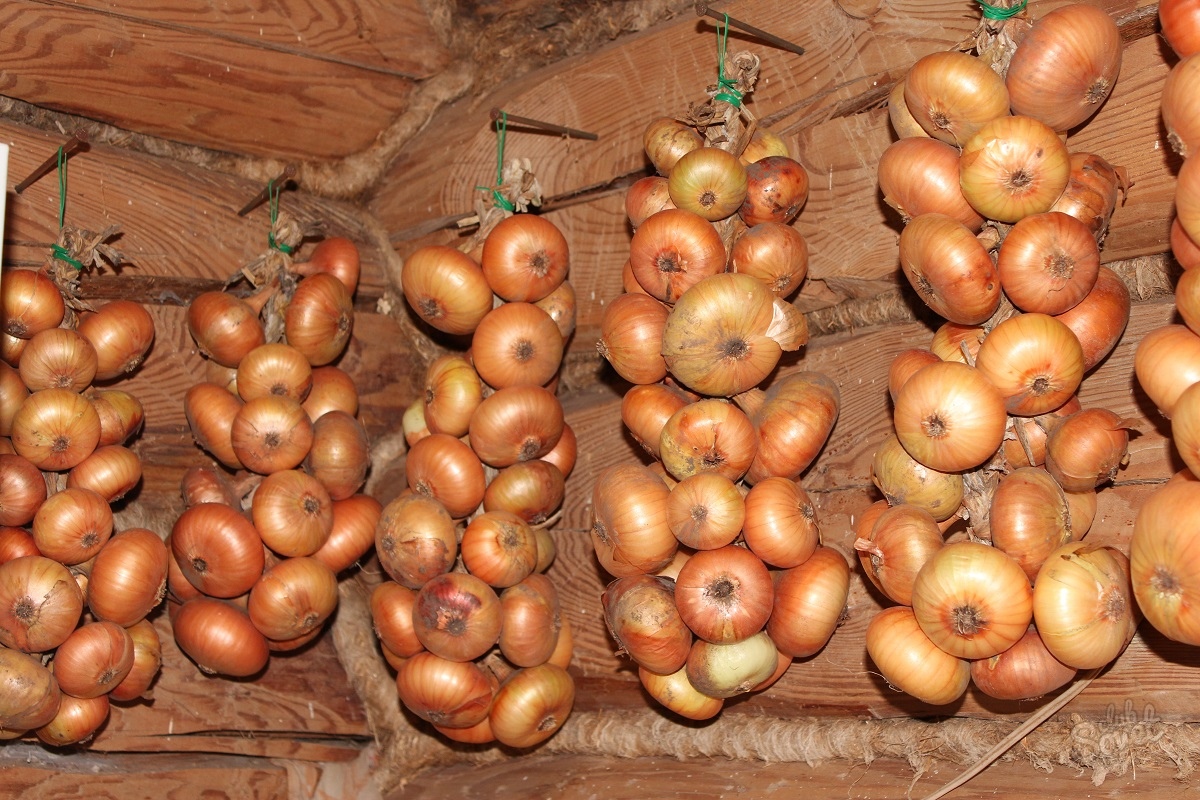
Overdrying should be avoided under any circumstances. This will cause the onion to lose most of its scales, which will prevent it from storing well.
If your soil is rich in nitrogen or constantly moist, a single drying may not be enough. To prevent powdery mildew or neck rot, the drying process should be extended by 5 days. The temperature during the drying process should be above 30°C, and sometimes even 40°C. However, if the temperature rises, the drying process should be extended by only 8 hours.
Sprinkling vegetables with chalk powder produces a beneficial effect. After this process, the harvest is completely ready for long-term storage.
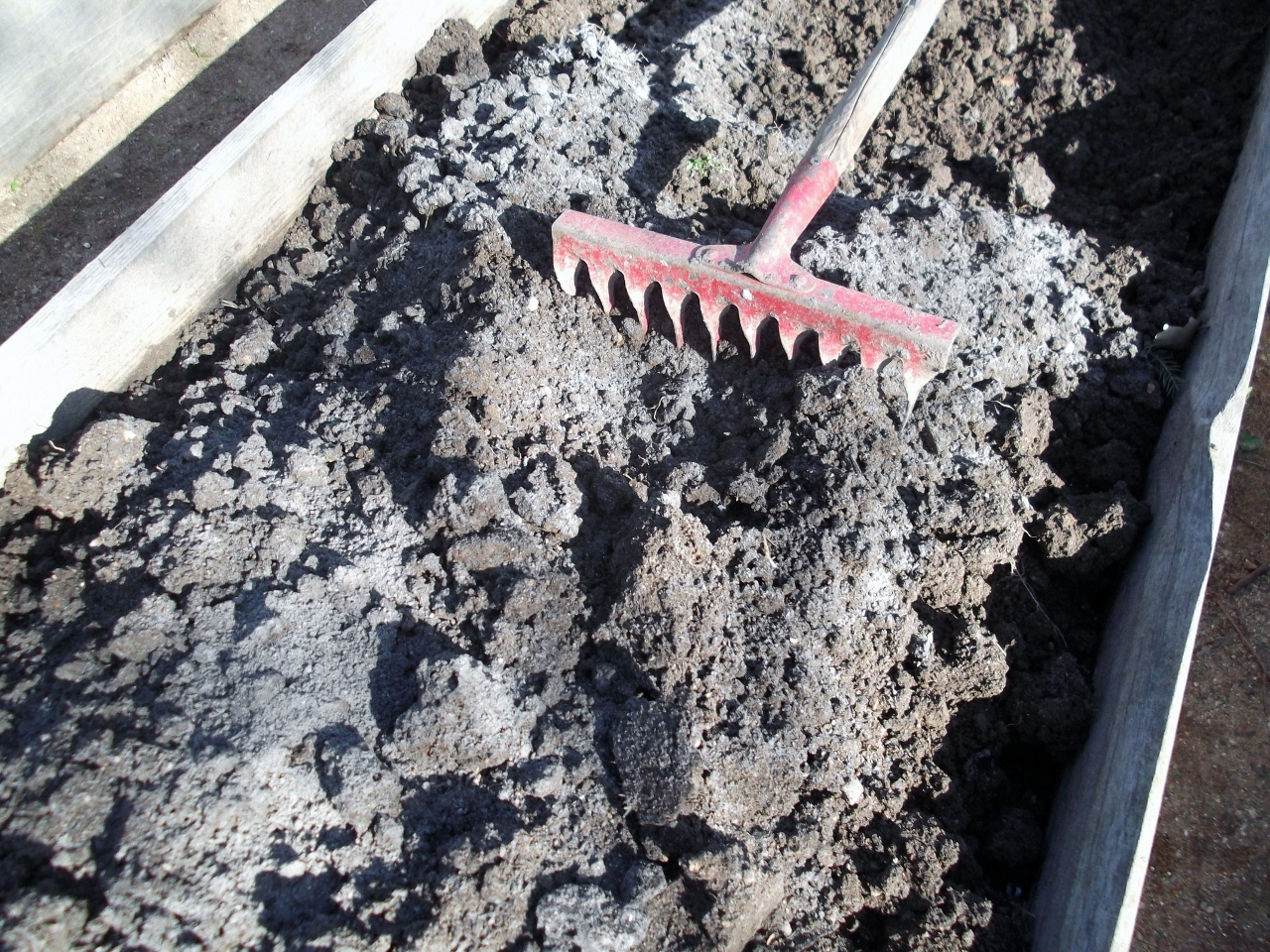
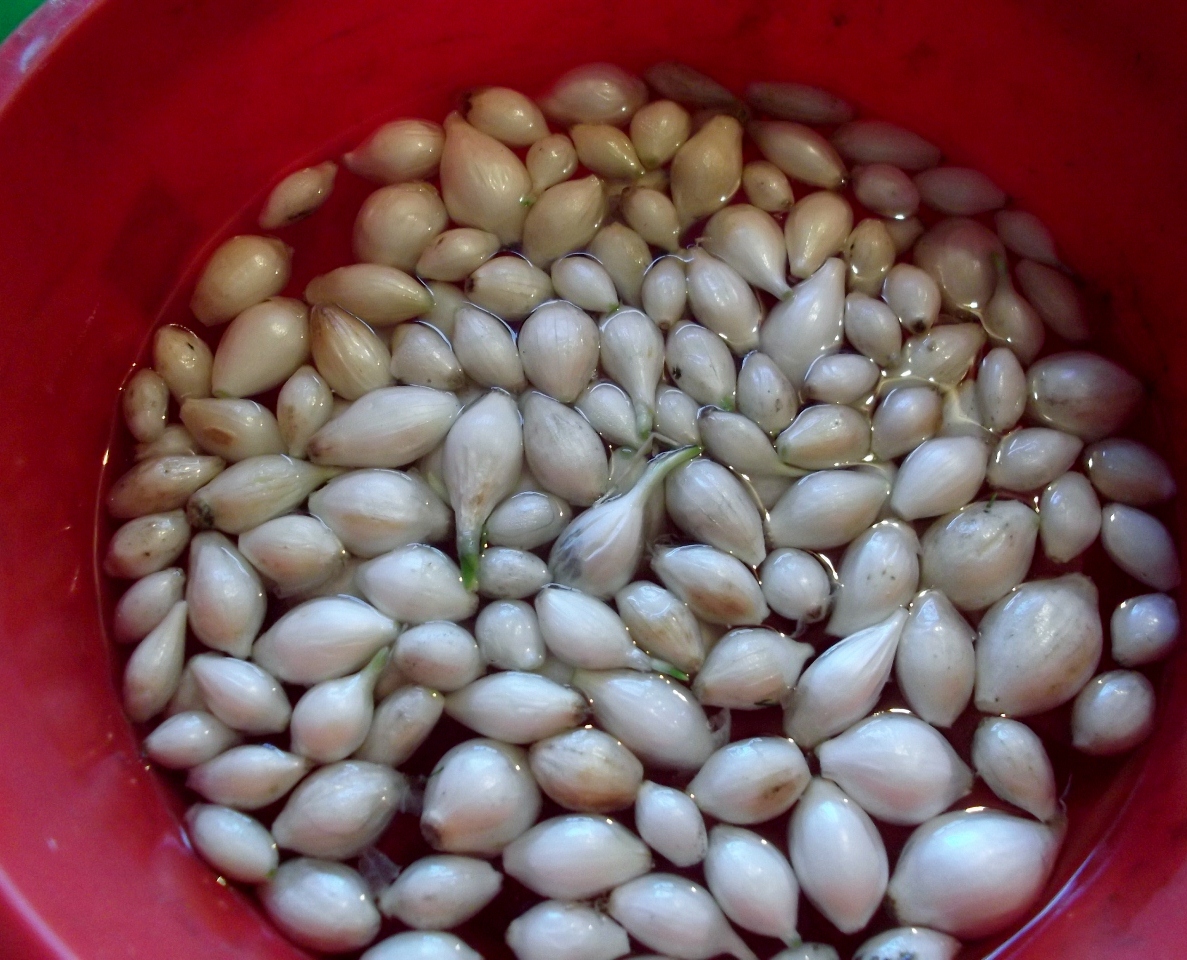
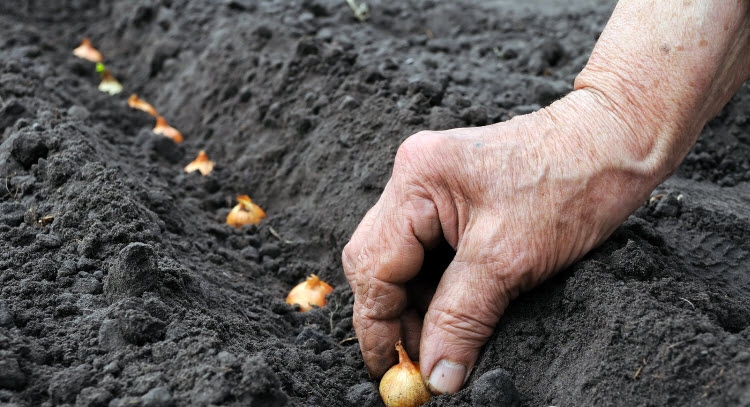
Sometimes, the harvest is approaching, but weather conditions make it impossible to remove the onions from the ground. If the soil is damp, the onions are removed and cleaned of green parts and scales. The roots are trimmed, and the onions are placed in a ventilated area. After 20 days, new skins will appear on the bulbs in a single layer. Onions with open necks should be consumed as soon as possible. Onions harvested under unfavorable conditions can be stored for a long time without losing their quality.
So, growing onions is a laborious business. But the effort is worth it. In 2016, gardeners reaped a good harvest. Moreover, onions store well, so you can stock up on them for the entire winter.
Video: "High-Quality Onion Harvesting in Stuttgart and Astrakhan"
The video shows a high-quality mechanized process for harvesting Stuttgart onions in Astrakhan.