
How to plant onion sets in spring
Content
Planting dates
Naturally, the optimal time for planting any plant is spring. However, planting times for each crop vary widely. As for onions, there are no specific dates that gardeners can easily rely on. It's generally recommended to plant sets when the soil in the garden has warmed to a depth of approximately 6-10 centimeters. Therefore, to determine when to plant onion seedlings, simply rely on the weather.
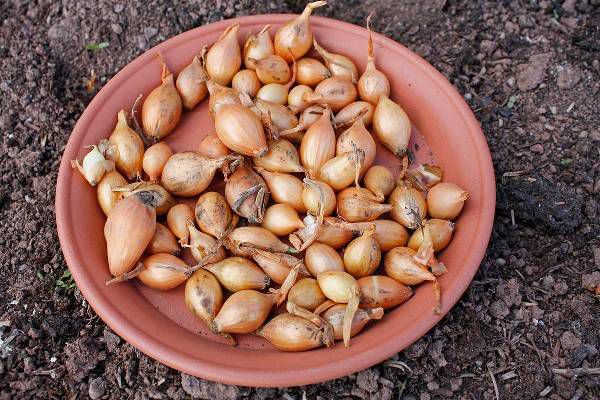
In warm, early spring, you can plant onion sets as early as late April. However, remember not to plant onions in cold soil. However, you shouldn't delay planting too much. Therefore, to ensure you don't miss the right time, be sure to check the soil temperature. It should be at least 12°C.
Another factor to consider when determining the planting time is the size of the onion sets. If they are small, they should be planted very early. This way, the onions will be able to withstand any spring frosts without compromising the future harvest. Furthermore, small onion sets quickly form bolts when planted early.
Larger seedlings should be planted a little later. In this case, the time to plant the onion sets is after the weather has warmed up. Planting these specimens early will result in abundant stem formation.
Remember that choosing the right planting dates significantly increases your chances of getting an excellent and, most importantly, tasty harvest at the end of the growing season.
Video: Planting Onions in the Ground
The video discusses methods for growing onions.
Preparing soil and planting material
In addition to properly timing the planting of onion sets, their preparation is crucial. This involves preparing not only the seeds but also the soil. Failure to do so can result in a high number of bolts, which will negatively impact the onion's flavor. Therefore, planting onion sets should only be done after careful preparation.
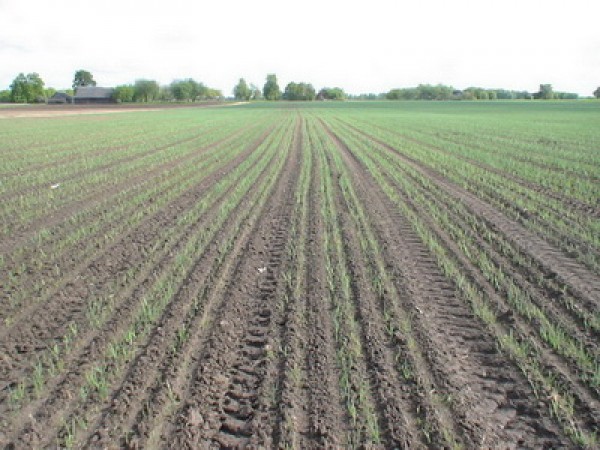
Let's start with soil preparation. Naturally, the most important factor here is choosing the right growing site. It's recommended to plant onions in a garden or vegetable patch that clears early from snow. This plant also prefers well-lit and well-ventilated areas. Both of these factors will provide natural protection against powdery mildew.
The soil in the selected area should be weed-free and sufficiently fertile. It's also important to avoid areas prone to standing water. Excessive watering will be detrimental to the onion bulb, causing it to rot in the soil.
When choosing a site for planting onions, it's important to consider the soil's pH. Onions thrive in acidic conditions. Therefore, if the soil is highly acidic, lime should be added. This will quickly and effectively reduce the pH to a neutral level.
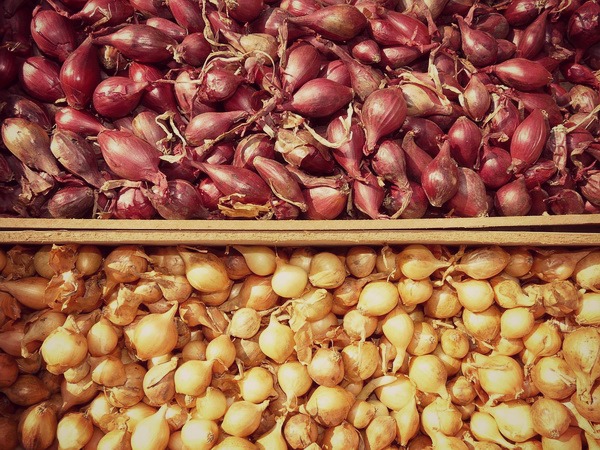
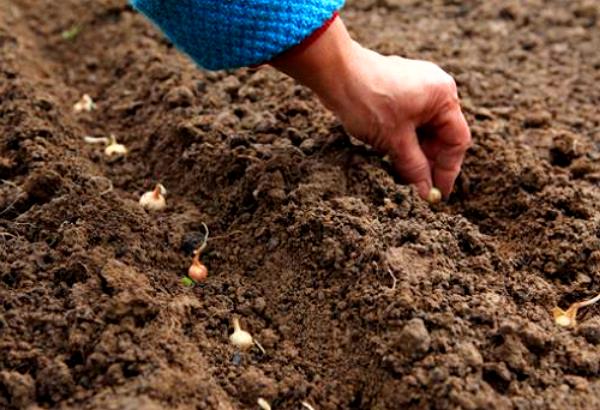
It's also important to remember that you shouldn't plant onions in the same spot two years in a row. Crop rotation rules are essential. The following crops are the best predecessors for onions:
- beans;
- peas;
- tomatoes;
- cabbage;
- zucchini or pumpkin.
Soil preparation itself begins in the fall, after the harvest. To ensure successful planting next spring, the following preparatory steps should be taken:
- Digging the area. Digging should be done to the depth of a shovel. Typically, the digging depth is 15-20 cm;
- after this the ground is leveled;
- Some gardeners recommend applying fertilizer during this period. Unrotted manure is often used for this purpose. Peat-manure compost can also be used for additional feeding in this situation. Remember that applying fertilizer (especially humus and chicken manure) is strictly prohibited before planting the onion sets. Otherwise, intensive green growth will occur and the development of the head will be stunted. Furthermore, weeds will increase significantly.
After this, the area is left alone until the following spring.
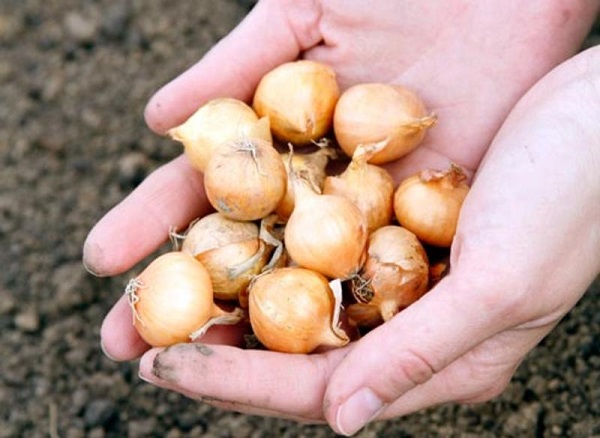
Before planting onion seeds, it's important to properly prepare not only the soil but also the onion sets themselves. Please note that only those onion sets that are attractive and healthy, free of any mechanical defects, should be prepared.
When purchasing planting material, be sure to dry it thoroughly. If you've grown the seed onions yourself, they should be stored over the winter at a temperature no lower than 18°C. Planting such seeds should only be done after they've warmed up.
Warming up the seed onions is a labor-intensive and lengthy process that consists of the following stages:
- the seedlings should be kept at a temperature of +20°C for 15-20 days;
- After this, we place it in conditions with a temperature of +30-40°C. The sets should remain in these conditions for approximately 8-10 hours.
Please note: during the second stage of warming the onions, it's important not to overheat them. Before planting the warmed-up seedlings, it's recommended to treat them with a growth stimulant.
If, for any reason, warming the seed in two stages is not possible, soak it in water. The water temperature should be between 45 and 50°C. Soaking should only take 10-15 minutes. Once this time has elapsed, place the seed onions in cold water for the same 10-15 minutes. Then, immerse the seed in a solution prepared from a complex mineral fertilizer. Leave the seed onions in this solution for 5-6 hours.
Whatever method of preparing the seed material is used, it must be disinfected. A weak solution of potassium permanganate is suitable for these purposes. You can also use a solution of copper sulfate by dissolving 35 grams of the blue powder in 10 liters of water.
In addition to the above-described methods for preparing onion bulbs for planting, there's another "grandmother's" method. It involves the following steps:
- the seed onions need to be dried at a temperature of + 20-25°C for one week;
- Planting can only be done after pre-soaking the bulbs in a salt solution. To prepare this, add 2 tablespoons of salt to 2 liters of water. Let the bulbs soak in this solution for 3 hours.
- then it is removed from the saline solution and washed well;
- To disinfect, immerse the seeds in a dark solution of potassium permanganate. Leave the bulbs in this solution for 2 hours;
- After this, we wash the onions thoroughly again.
At this stage, both soil and seed preparation are complete. Now you can safely plant the onions outdoors.
Planting technology
Many people think planting onions is easy. What's so difficult about just dropping the bulb into a hole and covering it with soil? While this approach is certainly possible, the harvest will be far from ideal. If you want a bountiful and delicious harvest, you need to properly and strictly adhere to the planting and care procedures.
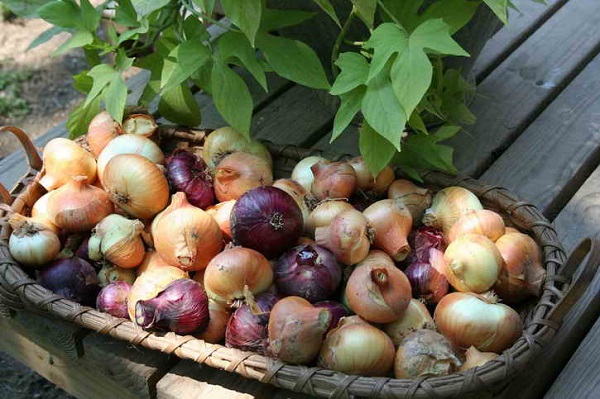
Planting of prepared sets occurs as follows:
- Before planting, the bed surface should be lightly rolled. This should result in a smooth surface, which will make planting much easier.
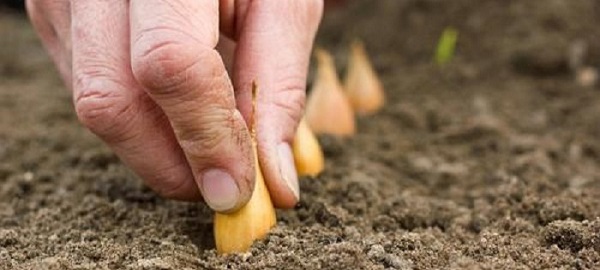
- After this, we form shallow furrows on the surface of the bed. Their depth should be approximately 2-4 cm. This parameter is determined based on the size of the bulb. If the depth is too great, the resulting bulbs will have an elongated shape. Shallow depth will result in a poorly developed root system, which, in turn, will result in a small and tasteless harvest.
- the distance between furrows should be approximately 20-25 cm;
- the distance between neighboring plants should be 7-8 cm;
- At first, you should plant small bulbs, no more than one centimeter in diameter. They will not form stalks;
- After this, after 1-2 weeks, we plant larger seedlings. Their diameter will be 1-2 cm. If planted at the same time as the small sets, they will bolt;
- Then cover the heads with soil. The top layer of soil should be approximately 2-3 cm thick.
Once planting is complete, all that remains is to properly care for the onions to ensure an excellent harvest at the end of the season.
Care
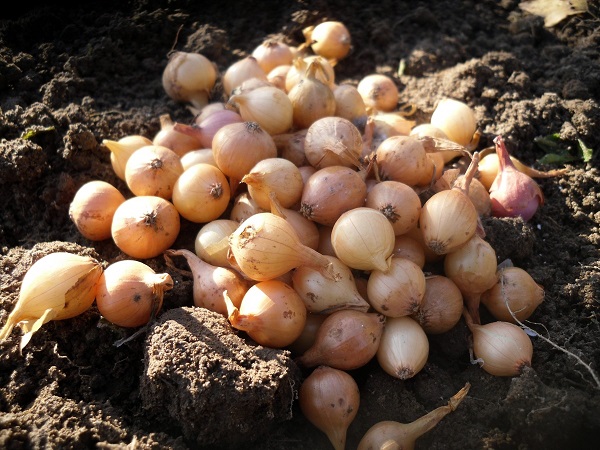
Once the onion sets have been planted, the plantings require care, which consists of the following:
- At first, thorough watering is necessary. The bed should be constantly moist and not allowed to dry out;
- After watering, the soil is loosened;
- loosening is carried out between rows after the first shoots appear;
- periodic weeding, as they can slow down the growth of onions;
- The shoots that appear during growth must be removed, but only after a thickening has developed at the base of the seedlings;
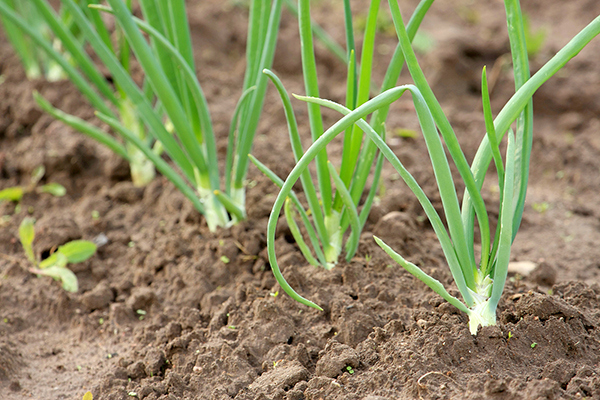
- Top dressing. The first time is when the feathers reach a height of 10-15 cm. At this time, urea and superphosphate are added.
As you can see, planting onion sets isn't difficult. However, you need to follow all the recommendations and steps to ensure a tasty and bountiful harvest.
Video: Planting Onions
This video talks about planting onions in the garden.