
What to plant after onions – gardeners' advice
Content
Causes of soil fatigue
So, we all know that planting vegetables in new locations each year is essential to growing a good harvest. This pattern is called crop rotation. For example, potatoes and cabbage require large amounts of nitrogen and potassium. Tomatoes require phosphorus, which cabbage also needs. For these reasons, it's not recommended to plant tomatoes in the same bed two years in a row (or plant them after cabbage, or vice versa). This approach will deplete the soil, making it unusable without additional nutrition.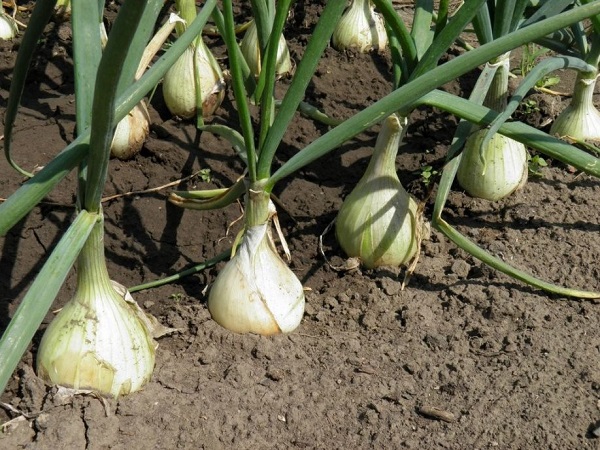
There is another danger associated with failure to follow the rules of rotation - this is the accumulation of pathogenic microorganisms or insect larvae in the soil layers. Thus, spores of the fungal disease late blight, falling into the soil, will pose a danger for several years, and if you plant plants susceptible to this disease in such a place, you can inadvertently create all the conditions for soil contamination.
Another point: all plants influence each other to some extent through their leaf or root secretions: this influence can be positive, stimulating growth and development, or negative, inhibiting development. A prime example of this effect is reseeding rye in the same area—this will rid you of the scourge of couch grass for a long time. And planting celery next to cabbage will reliably protect the latter from attacks by the cabbage white butterfly.
Video: "What to Plant and with What"
From the video you will learn what and with what to plant in the garden.
Crop rotation
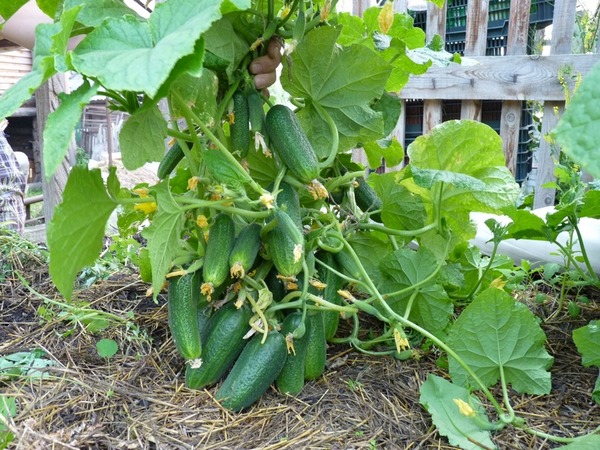
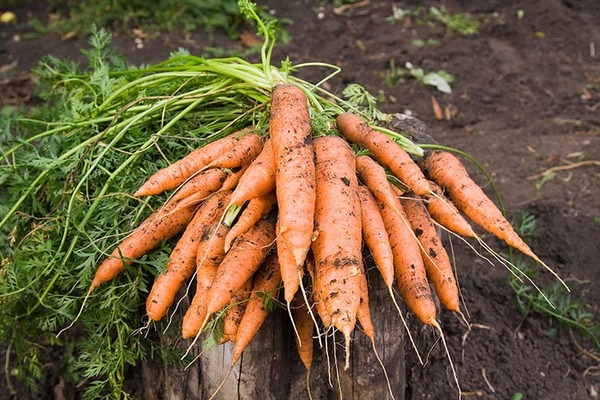
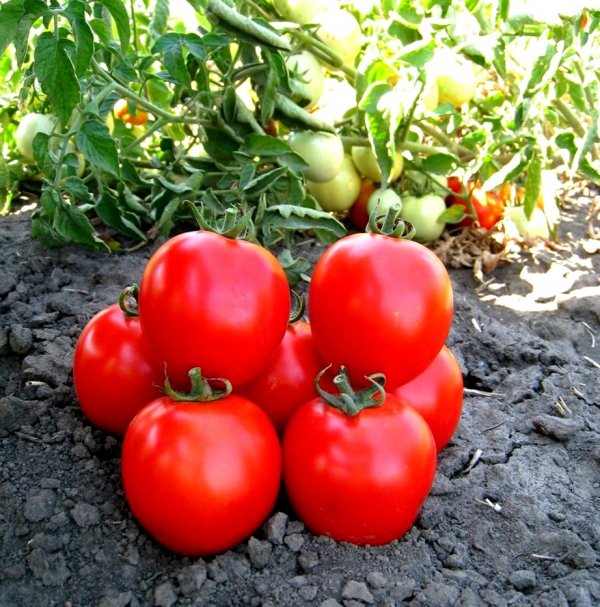
Let's return to the main question: what can be planted in the garden beds after onions? If we're talking about a complete annual cycle, cucumbers, carrots, tomatoes, beets, or zucchini are best. Of course, the best option is to create a plan of your plot and mark the vegetable planting locations.
All the rules of alternation can be formulated in simple theses:
- do not plant the same types of crops in the same areas;
- Do not plant early-ripening vegetable varieties where late-ripening crops were previously grown - the soil will not have time to recover sufficiently;
- It would be a mistake to plant crops with similar mineral composition in the same bed.
You can alternate plantings not only within a complete cycle, but also within a single season. For example, when the onion harvest is complete in August, try sowing lettuce or Chinese cabbage in the same bed; you'll get a harvest before the cold weather sets in.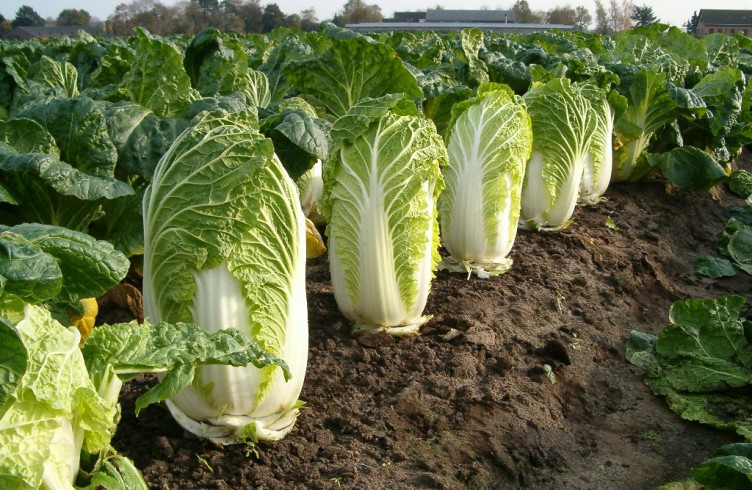
If the onion bed was quite large and you don't need so many greens, you can fill the garden with annual flowers or even some green manure. And if you plan to plant cruciferous crops in this area next year, you can "plant" oats or rye there in August of the current season.
Planning combined beds
Combined beds not only make the farmer's work easier (since you have to cultivate smaller areas), but also have a beneficial effect on the condition of the garden.
It has been observed that the most diverse garden plots are least susceptible to infections and pests. For example, beans, lemon balm, parsley, catnip, thyme, and yarrow effectively protect your garden beds from pests.
There is no need to plant each of the indicated crops in continuous rows: scattered individual plants will be quite sufficient.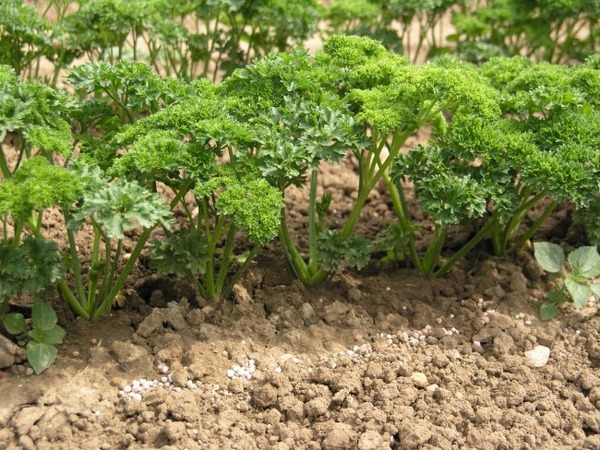
As you can see, after harvesting your onions, you can still make the most of the freed-up garden bed. Follow our tips, and you'll see results in no time.
Video: "Crop Rotation in the Garden"
This video will show you how crop rotation works in your garden.