
Sweet and sour gooseberry with a honey aroma of the Yantarny variety
Content
Characteristics of the variety
The history of this variety begins in the mid-20th century. Gooseberry was isolated by M.A. Pavlova. The cultivar was developed by sowing seeds from open-pollinated English Yellow (a European variety). The bush grows quite tall, reaching 1.5–1.8 meters, with spreading branches. The branches are sparsely foliated and thornless. The leaves are medium-sized.
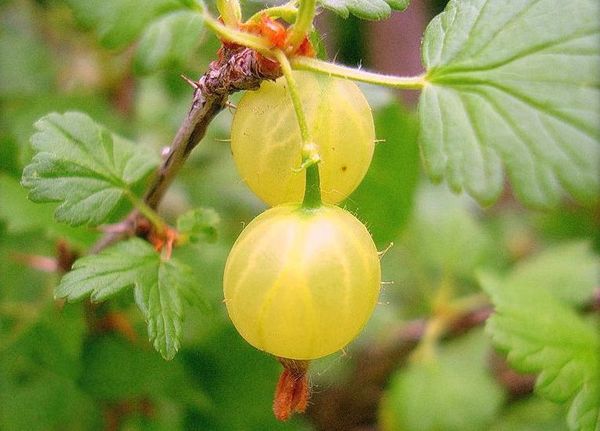
Resistant to fungal diseases such as spheroteka and fruit rot. The fruits are oblong, yellow-orange in color. They grow quite large, weighing 5–6 g each, and have a sweet and sour taste with a hint of honey. The crop ripens early.
Climatic features
This gooseberry variety is a sun-loving plant, so it should be planted in open, sunny locations. The soil should be fertile. It's worth noting that the Yantarny gooseberry is distinguished by its good winter hardiness, even withstanding severe frosts. Furthermore, the variety tolerates drought well.
Growing and care rules
To obtain a good harvest and quality berries, gooseberries require certain care.
If space is limited, the bush can be placed between fruit trees at a distance of at least two meters. This variety can also be planted along a fence, but the distance from buildings should be at least 1.5 meters.
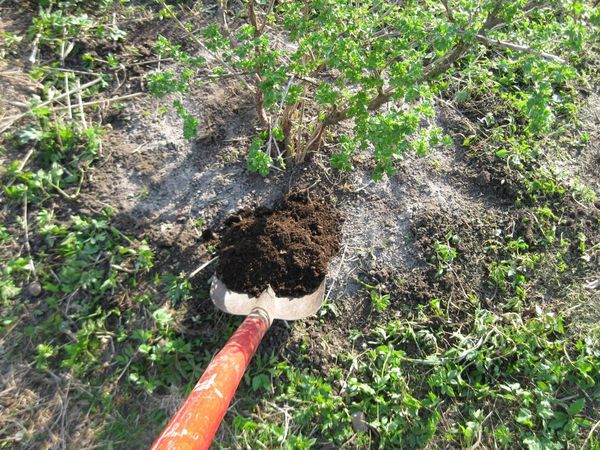
The planting hole should be 50–70 cm wide and 20 cm deep. Before planting, it's a good idea to add two buckets of compost, organic fertilizer, and a cup of wood ash. The seedlings take root well when transplanted.
It is best to plant gooseberries in the spring before buds appear on the branches, or in late autumn, when the sap stops flowing.
The seedlings are planted vertically, without tilting. The roots should be properly straightened, adding small amounts of soil and water. Immediately after planting, all shoots should be pruned, leaving 5-6 buds above the ground.
During the fruiting period, regular watering, weeding, and soil loosening are necessary. Gooseberries should only be watered at the roots, as overhead irrigation can promote the development of unwanted diseases.
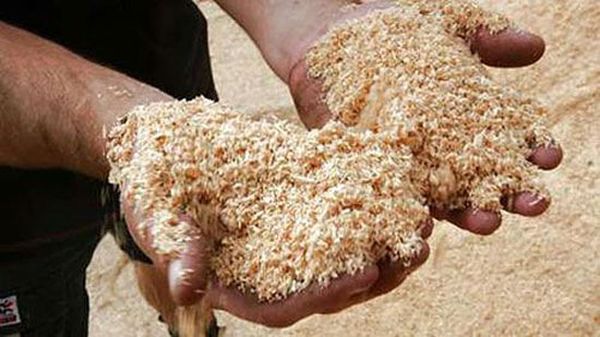
Every year, add half a bucket of humus and several cups of wood ash. In the fall, after the gooseberries have finished fruiting, add peat or sawdust under the bush. In the spring, when the weather warms up, remove this mound and loosen the soil.
Pruning is an important step in growing the Amber gooseberry. Pruning in the first year is necessary to ensure proper growth. Then, perennial branches are cut back by half, and root branches are completely removed. After the fourth year, it's necessary to eliminate overgrowth by trimming away all dead and weak branches.
Productivity
The variety belongs to the European group, therefore it differs from its “brothers” by its high yield. You can collect up to 10 kg from a bush per season.One of the main factors affecting yield is optimal plant moisture supply. However, it's important to remember and ensure that the area where your gooseberries are growing doesn't become overwatered.
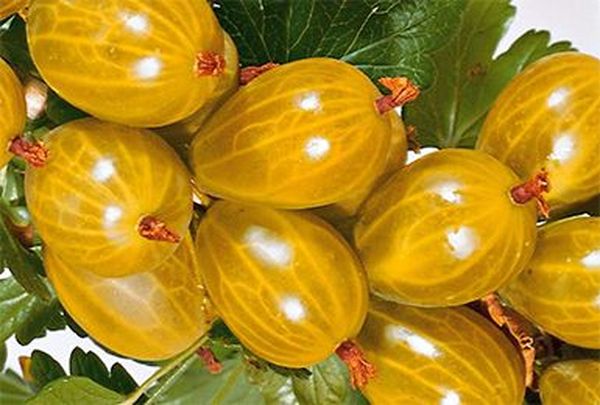
Fully ripened berries are amber in color, with white veins. It's worth noting that the fruits do not fall or crack when ripe. They transport well.
Gooseberries are a very popular berry among gardeners. Their sweet taste and pleasant aroma are loved by both children and adults. The fruits are eaten fresh or processed (compote, preserves, and jams).
By following the basic rules of plant care, you will reap a rich harvest for years to come.
Video: "Beneficial Properties of Gooseberries"
Gooseberries are a very healthy food, and this video will tell you about all of their healing properties.