
Proper care of gooseberry bushes in spring
Content
What does spring care consist of?
No matter how easy-to-grow gooseberries are considered, spring is rightfully considered the most labor-intensive time for a gardener. Several important steps must be taken at once: prepare the plant for further active growth, treat it with special fungicides to protect it from pests, and prune old branches (this removes dead plant material, which also drains the bush's energy).
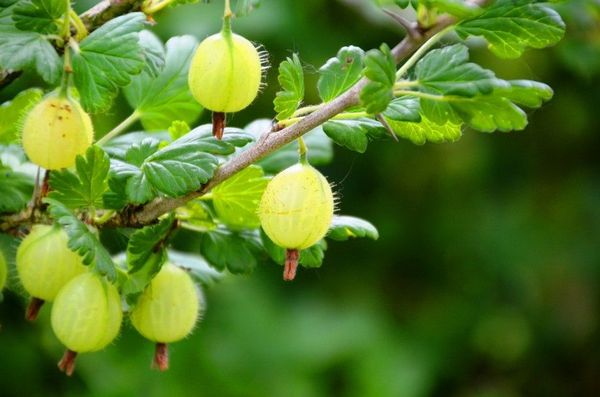
Experts recommend replanting some shrubs to rejuvenate them. Add in soil fertilization, and you'll have a fairly intensive gooseberry care regimen in the spring. However, all these agricultural techniques are easy to implement. The main thing is to approach the task with full determination to harvest a bountiful harvest of healthy berries in midsummer.
To ensure effective gooseberry care, remember that the bush grows quite intensively, meaning its branches and shoots develop faster than its root system. This is why it's especially important to pay attention to gooseberries in the spring. If the plant survives the winter well and begins growing rapidly in the spring, you've done everything correctly. However, every novice gardener wonders what essential gooseberry care steps are.
Trimming
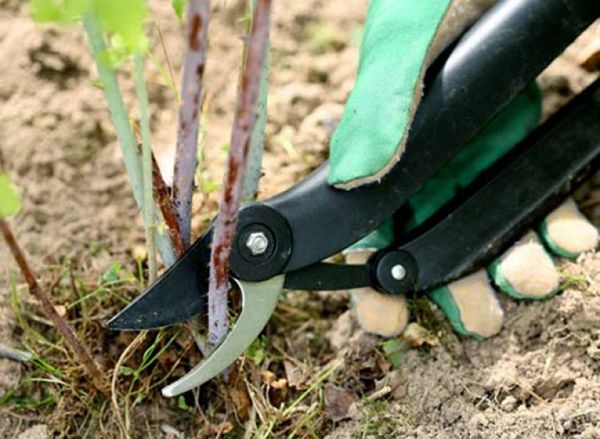
Gooseberries can be quite frail in the spring. A winter of frost has passed, and this is a stressful time for any plant, even the most cold-hardy. However, by following a number of essential gardening practices, you can ensure the bush's continued vigorous growth. One such practice is pruning. It's crucial to know not only how to properly remove old and dead branches, but also when to do so.
Pruning is generally recommended in late winter or early spring. Sometimes gardeners begin pruning even before the snow melts.
What should you remove from the bush first? These include old, dry, broken branches, and any that appear weak. It's also recommended to prune frost-damaged shoots. These will likely not produce any fruit, but the plant will still continue to expend energy on them.

Remember: pruning isn't all that's required of you. After removing all the dead plant material, coat the cuts with garden lime. This will prevent infection. But that's not the final step. Spraying the bush with boiling water is another option. This method has been around for decades, but experienced gardeners still find nothing better for awakening gooseberries from winter dormancy. Moreover, this type of healing isn't the only purpose.
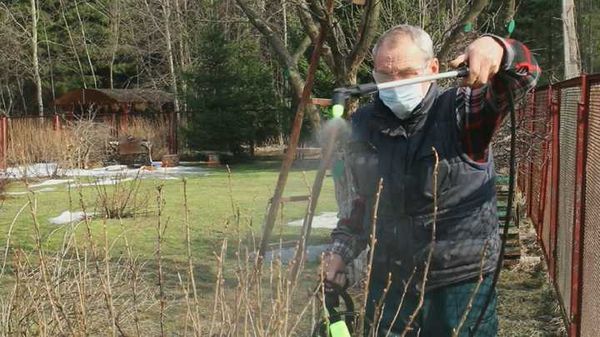
This method is worth using to remove any potential parasites already lodged in shoots and branches. To do this, pour a bucket of boiling water over the shrub. For the procedure to be effective, be sure to tie the plant's branches together to ensure even distribution of the hot water.
Some gardeners prefer to pour boiling water into spray bottles and then spray the gooseberries. This treatment will ultimately result in a healthy plant. Furthermore, this step is especially important, as it determines the intensity of the gooseberry's subsequent growth.
Watering
Growing gooseberries into healthy, thriving plants isn't difficult. The key is to follow the basic recommendations from experts. Watering is an essential step when growing gooseberries in your garden. However, it's crucial not to overdo it. This plant isn't known for its moisture-loving nature. It's best to water it in moderation.
Moreover, experts recommend watering only during dry spring periods. Try to water so that moisture doesn't get on the leaves. Otherwise, you'll create an ideal microclimate for fungus to thrive on gooseberries. Therefore, proper watering involves several rules:
- water must be poured exclusively under the roots of the plant to prevent fungus from forming on the branches and leaves;
- Watering shouldn't be too frequent, as this isn't the best environment for root development. Moisten the soil only as needed if there's been no rain for a long time.
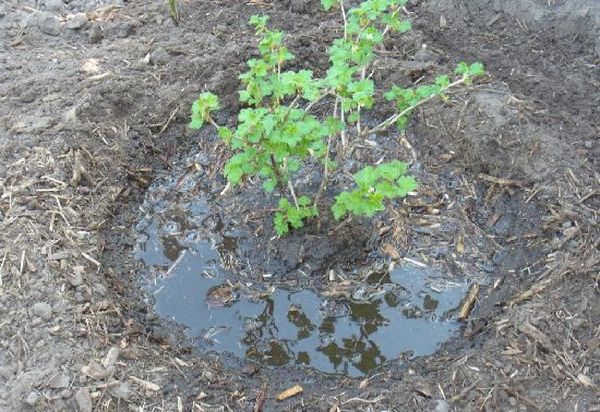
By following these recommendations, you will be able to organize proper care for gooseberries in the spring.
Top dressing
What else should a gardener do to ensure gooseberries thrive in their garden? Of course, they need to ensure the soil is well-fertilized. However, it's important to know what and when to add to the soil. While watering is relatively infrequent and requires no special attention beyond following basic rules, fertilizing the soil is a much more important process.
The thing is, gooseberries are perennial shrubs that grow in the same spot. Moreover, they bear fruit every year. This means the soil around the plant becomes extremely depleted. Therefore, fertilizing is absolutely essential in this case.
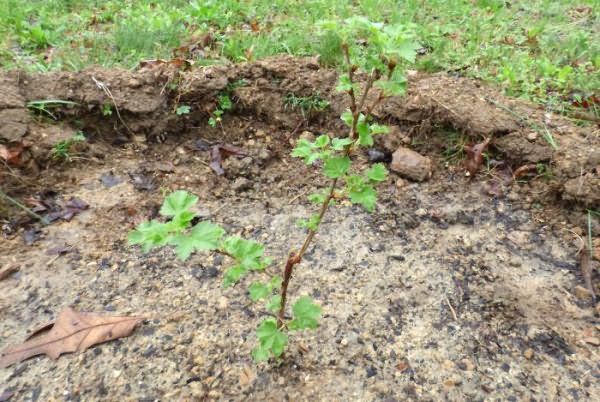
Try to maintain a balance of nutrients in the soil. To achieve this, it's advisable to add both mineral and organic matter. The bush especially absorbs vitamins during flowering and fruit formation. If you want a good harvest, fertilizing your gooseberries is key.
What exactly does the plant feeding process involve? In the spring, add half a bucket of compost, mixed with superphosphate, ammonium sulfate, and potassium sulfate, under each bush. If the bush isn't too dense and spreading, this will be sufficient.
However, if the plant is already quite large, the feeding ratio can be doubled. There's one important point: it's recommended to distribute the fertilizer within the radius of the shrub's crown, as the underground rhizome is similar in size to the above-ground portion of the plant.
Fertilizing must be done correctly. First, thoroughly loosen the soil. Then add the nutrient mixture.
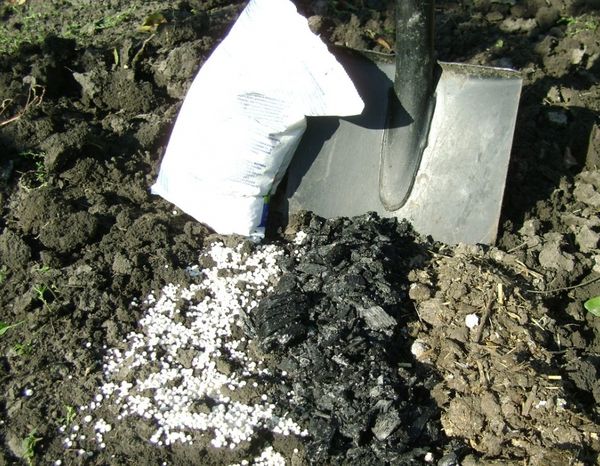
This is sufficient for the first application, as the next stage of fertilization will need to be carried out after the flowering phase of the bush has ended, when fruit is actively forming. What is recommended for the second stage of fertilization? Typically, farmers use liquid mullein in this case. Remember: if you properly implement all stages of plant nutrition, you will ultimately achieve excellent results.
Prevention of crops from diseases and pests
During the winter, your garden gooseberry is exposed to serious dangers. And it's not just the cold that's at stake. Pests, which congregate on the plant in the fall, can cause significant damage. Moreover, it's quite difficult to notice signs of pest presence at first. They can easily overwinter on the gooseberry, only to become active in the spring and begin actively feeding.
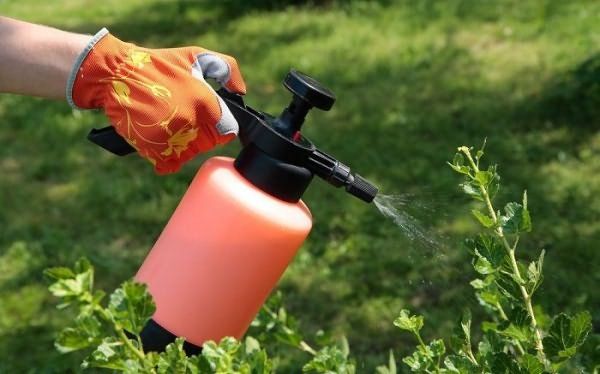
To prevent shrub death, you need to know how to treat it with fungicides. These are often available in specialty stores. However, many gardeners prefer to use the old-fashioned method of dousing the shrubs with boiling water to kill pests.
An alternative is to prepare medicinal infusions. You can use pine needles, white and red elderberries for this. In any case, care for the plant is essential. Keep it pest-free, fertilize the soil, prune old branches, and water it occasionally. This way, you're sure to be satisfied with the results.
Video: "Proper Care of Gooseberries"
This video will teach you how to properly care for gooseberries and get a bountiful harvest.