
Caring for gooseberries in the fall after harvesting
Content
Why care for a bush in autumn?
Many novice gardeners think that when gooseberries ripen, they just pick the ripened fruit and forget about the bush until spring. However, it's not that simple. This berry crop requires preparation for winter. If the necessary steps aren't taken in the fall, the plant may freeze over the winter and fail to produce a harvest the following season.
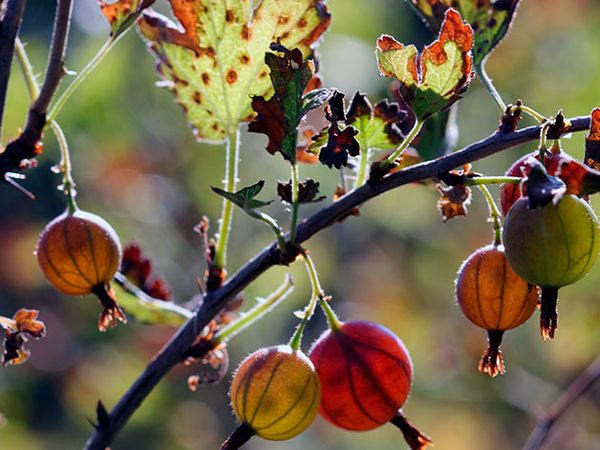
Gooseberries are known for their great vitality. They're easy to grow. But if you want a bountiful and, most importantly, delicious harvest, you'll have to put in some work during the autumn months.
If your plant's preparation for winter was timely and correct, you'll know it next year through the high yield of your crops.
Pruning and removing old shoots
Once the gooseberries have been harvested, the bushes are pruned. This procedure is easiest to perform in the fall, as the harvest has already been gathered and the leaves have fallen.
You can shape the plant in several stages. Preparing the gooseberry bush for winter in this way will rejuvenate the bush and remove old shoots. Plants aged 4–6 years are most productive.
Removing excess branches prevents the bush from becoming overgrown. After cutting the shoots, the cut areas are treated with garden pitch.

The bush should be pruned in the first year after planting. At this time, shoots are shortened. Subsequently, formative pruning is performed over the next 4–5 years.
The bush should consist of 4-5 of the healthiest and strongest shoots. All others are removed. Remaining branches should be pruned, as immature tops can freeze during the winter. This is common among shoots aged 4-5 years. Old branches that have become dark in color and have numerous forks and branches are also removed.
If you prune gooseberries properly in the fall, the plant will receive enough warmth, light, and nutrients to produce large, tasty berries the following season. Well-tended bushes are easier to harvest than overgrown ones.
Transfer
Gooseberries can be planted and replanted in both spring and fall. However, this procedure is best done in the fall months, as the soil is soft and the planting hole is easier to dig. Furthermore, in spring, the above-ground portion of the plant grows faster than the root system. Therefore, the bush may easily die after spring planting.
In autumn, seedlings can be planted outdoors starting in the second half of September in regions with harsh climates. This procedure will be most successful in October when planted in black soil. A suitable nutrient medium and optimal planting time will allow the plant to quickly adapt to its new conditions.
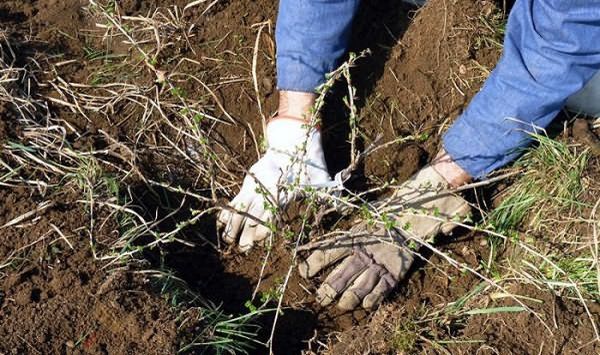
Repotting works best in the autumn months. This is usually the time when shoots obtained from layering are usually planted.
Plants should be planted in a well-lit area protected from cold north winds. Elevated locations where water stagnation is avoided in the spring are also recommended.
Gooseberries should be planted 1.5 meters away from other plants or structures. Leave 2 meters of space between adjacent bushes.
Before planting, add dolomite flour or lime to the soil. If the soil is acidic, add peat or sand. This will ensure healthy and strong gooseberries. Autumn care for this berry crop involves fertilizing.
Top dressing
In the autumn months, gooseberries need to be fertilized after harvesting. To produce abundant fruit, these bushes require a variety of nutrients from the soil. The soil becomes significantly depleted during the season. Therefore, in the fall, the following should be added to the soil:
- potassium;
- phosphorus.

Fertilizers of this type will help the plant survive the winter well and produce numerous ovaries next season. To ensure they begin to ripen, additional fertilizing is applied in the spring and summer.
You can also use powdered or granulated mineral fertilizers. They are scattered around the tree trunk and then dug in. Wood ash is also often sprinkled around the tree trunk. It is an excellent source of potassium. Ash also serves as a preventative measure, protecting the plant from pests and diseases.
Insulation
Autumn gooseberry care necessarily includes insulating the bushes. This berry plant develops a root system of fine, small roots that extend very close to the soil surface. Therefore, in autumn, insulating the trunk circle is necessary in regions where frosts arrive earlier than snowfall.
The bushes should be hilled up to a height of about 20 cm. The soil should be piled in a thick layer. Humus or peat can be placed on top of this mound. Pieces of bark are often placed on top of this layer.
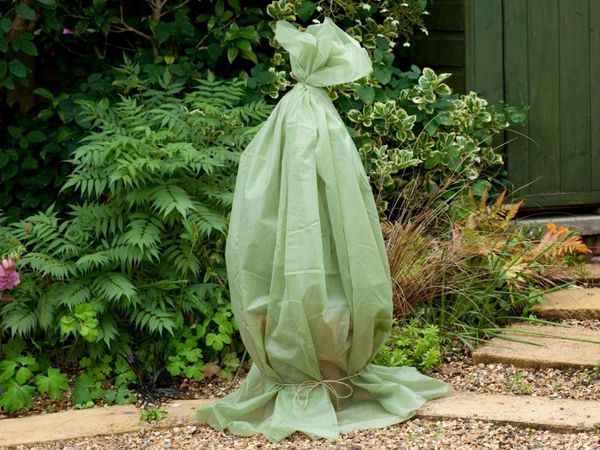
In regions where winter temperatures can drop to -40°C, it's recommended to cover gooseberries in the same way as roses. In this case, all shoots should be pruned, tied, and bent as close to the ground as possible.
The plant is covered with fallen leaves, pine or spruce branches, and hay. The bush is then wrapped in burlap, non-woven fabric, or reinforced with wooden boards. The space between the covering material is filled with hay or fallen leaves. In the spring, after the air temperature rises, the insulation is removed.
As you can see, caring for gooseberries in the fall isn't so easy. However, if you follow the steps described above correctly, the bush will survive the winter and produce a bountiful harvest of delicious berries next year.
Video: Planting and Caring for Gooseberries
This video will show you how to properly plant and care for gooseberries in your garden.