
Popular thornless, high-yielding gooseberry varieties
Content
The best varieties
The health benefits of gooseberries have never been a secret. These juicy, fleshy fruits contain a large number of essential vitamins, including high levels of vitamin C, PP, and B vitamins. Gooseberries help the body overcome deficiencies in macronutrients such as iodine, phosphorus, and fluorine.
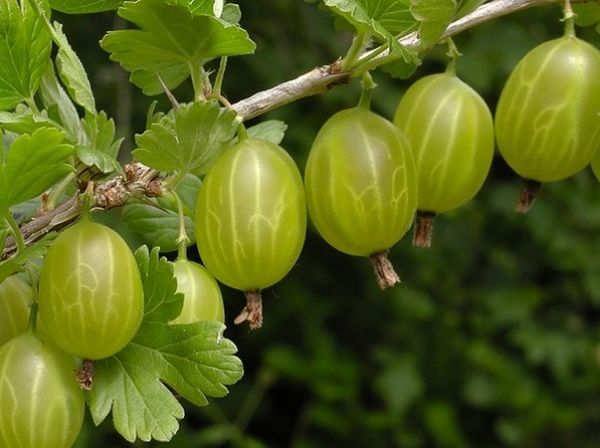
Due to the presence of flavonoids, the berries provide resistance to viral and some bacterial diseases and are used as an immunostimulant. Gooseberries are recommended for people with weakened gastrointestinal tracts, intestinal microflora imbalances, and for those on various diets. Rose hips' anti-cancer properties are particularly noteworthy, as they stimulate the body's fight against oncogenic diseases.
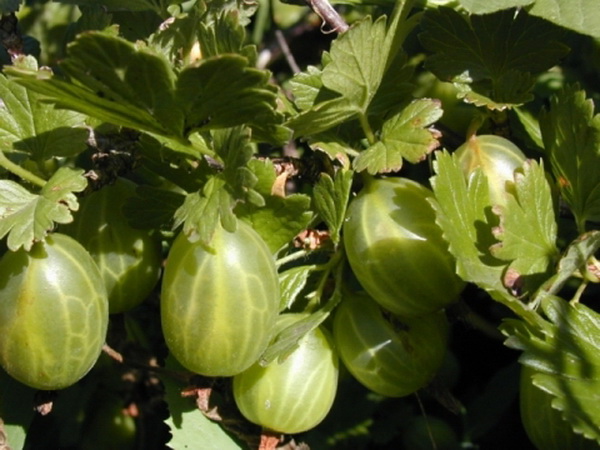
Among the wide variety of varieties and forms, thornless gooseberries occupy a special place of honor. This plant attracts gardeners for several reasons: like thornless varieties, it is easy to care for, drought- and cold-resistant, and tolerates cold well. Its berries have a rich, juicy flavor. However, unlike all thorned varieties, it is much easier to care for and harvest. Contrary to the common belief among gardeners that the presence or absence of thorns affects the taste of the berries, this is not true.
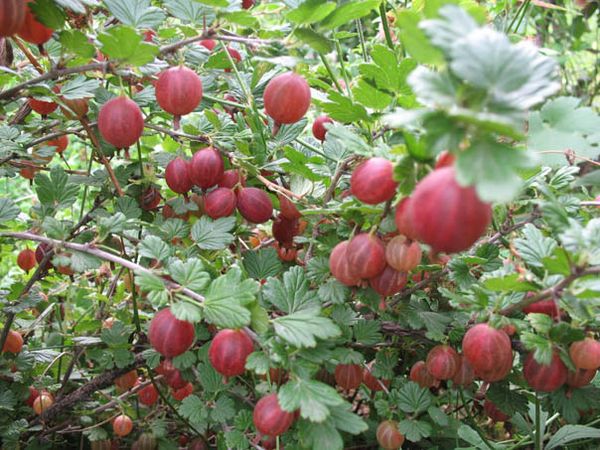
There are a huge number of varieties of this plant, both thornless and thornless, so it's easy to find a variety to suit your taste: juicy berries, temperature tolerance, and resistance to certain fungal diseases. Among the most popular thornless varieties are: "Afrikanets," "Malakhit," "Uralsky Besthornny," "Sirius," "Ogni Krasnodara," "Grushchenka," and "Northern Captain."
Northern Captain
A thornless gooseberry of one of the most widely known varieties, "Northern Captain," rarely develops spines. The distinctive appearance of the berries—blackish, oval, and produced in clusters of several—makes this variety instantly and unmistakably recognizable. The fruits are not too sweet to eat raw, but are perfectly suitable for a variety of homemade preserves, including wines, jams, and more. This thornless gooseberry is also frost-hardy and resistant to a number of fungal diseases.
Malachite
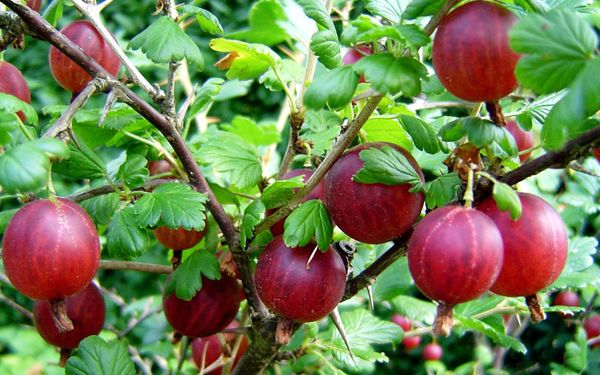
The large bushes of this gooseberry bear small, evenly spaced thorns. The abundant, large berries, with delicate skin, have a unique, subtle flavor. This harvest is perfect for jams and compotes. "Malachite" is a variety that tolerates sudden temperature fluctuations, survives winter well, and is also resistant to gooseberry powdery mildew.
African
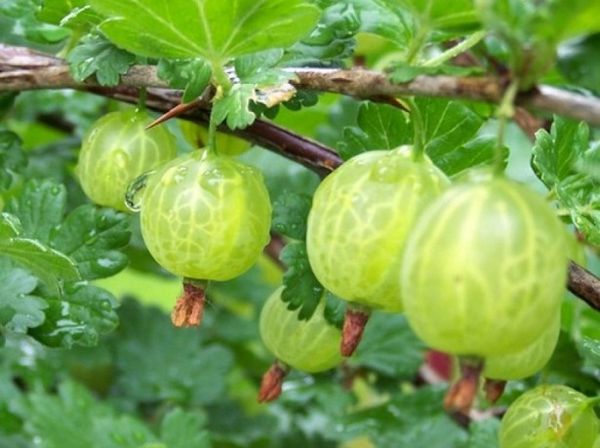
This completely thornless gooseberry belongs to the "African" variety. The bushes of this variety are generally small—the plant height fluctuates around 1.5 meters—with a sparse crown and small leaves. The unusual berries are a deep purple, almost black, and have a sweet and tart flavor. This makes them ideal for use as a main ingredient in jams or jellies.
When growing this variety, pay special attention to the leaves, as there is a high risk of anthracnose. The "African" variety is prone to this disease, so preventative measures should be taken. However, this variety is tolerant to powdery mildew.
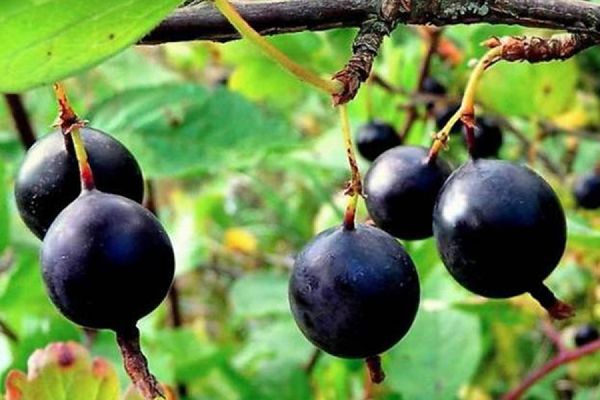
Lights of Krasnodar
This variety received its name for its large, red, round berries. This gooseberry is thornless; unlike other varieties, thorns are completely absent and rarely appear. But that's not the only advantage of this variety. "Ogni Krasnodara" is a variety that exhibits resistance to fungal diseases of gooseberries, drought, and even frost. This allows the plant to successfully survive the winter in continental latitudes.
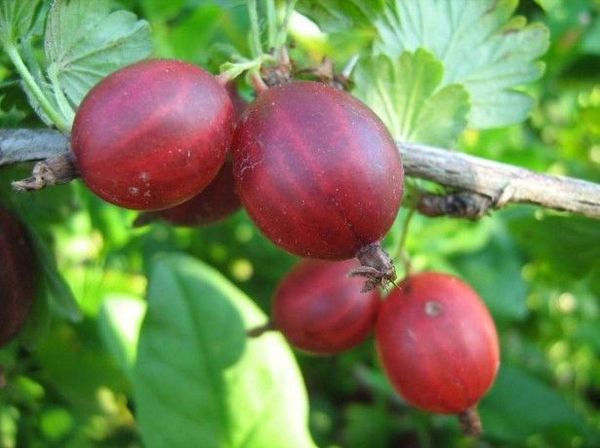
Sirius
The likelihood of this variety being completely needle-free is high. However, cases of "pinking" of this gooseberry are not uncommon. The berries of 'Sirius' are large, gathered in clusters of several. They have a pleasant, sweet-tart flavor and a watery consistency. Due to its high sugar content, the harvest is recommended for fresh consumption. This variety overwinters well, resisting lack of moisture and a wide range of fungal pathogens.
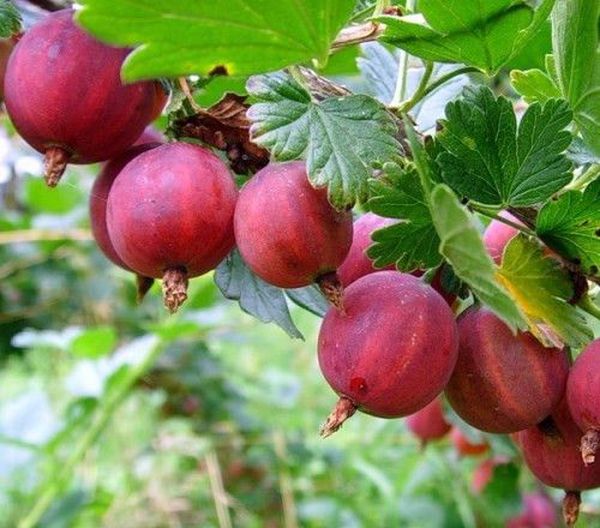
Grushenka
"Grushenka" is an unusual variety for our consumption. Its distinctive pear-shaped fruits grow solitarily on thornless branches. This variety rarely produces secondary thorns; they are completely reduced. The berries have a rich, sweet flavor, are dark in color, and contain small seeds. Thanks to their high content of various pectin substances, "Grushenka" is suitable for making jams and jellies.
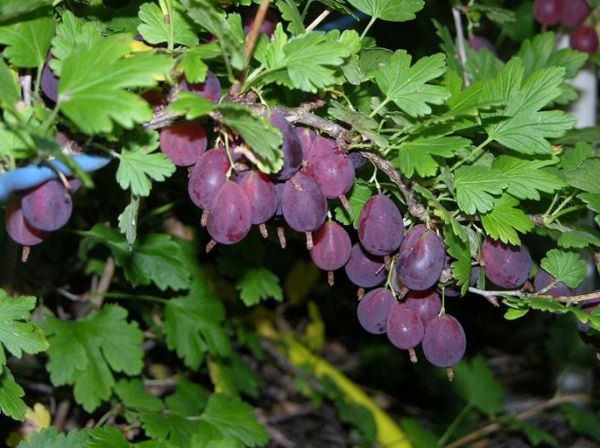
Ural thornless
The robust, tall bush of the "Ural Thornless" variety is thornless, or has almost completely reduced thorns. The large green berries, with a sweet, dessert-like flavor, are eaten fresh or made into preserves. Developed by Russian breeders, this variety tolerates even the coldest winters well and exhibits a high level of resistance to various pathogens.
Video: "Proper Care of Gooseberries"
This video will show you how to properly care for gooseberries.