
A review of the best gooseberry varieties and types for planting
Content
Criteria for choosing a variety
Sweet gooseberry varieties, whether English or American, are a true gem for any garden (for example, pink, black, or grand gooseberries). However, you need to learn to select them not only based on yield and the taste of ripe berries. Their resistance to various diseases and pests is far more important.
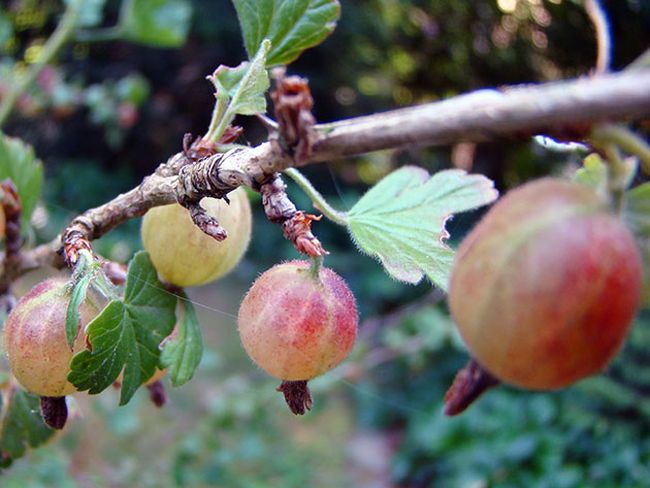
Choosing a species suited to the climate in your region is also important. If you don't take seedlings seriously, you could end up with a plant that's completely unsuited to temperature fluctuations, severe frosts, drought, or other external factors.
It's important to take these characteristics into account. Otherwise, gooseberries won't bear fruit fully, and what's even more dangerous is that they become susceptible to pest infestations, and pest control is always a grueling and labor-intensive process for the gardener. When choosing gooseberry varieties for home gardening, pay attention to all these nuances. Only then will alternating varieties of the plant in your garden yield the best results.
Large-fruited varieties
The best gooseberry varieties are undoubtedly the large-fruited and sometimes slightly thorny ones. These hybrids typically produce a bountiful harvest (with no decline in fruiting over the years) and demonstrate good resistance to harmful external factors. This is why they are worth growing in your own garden. As for specific varieties, there is a wide variety available in modern gardening. The choice depends entirely on your preferences. So, what are the best gooseberry varieties worth buying for any farmer?
Spring
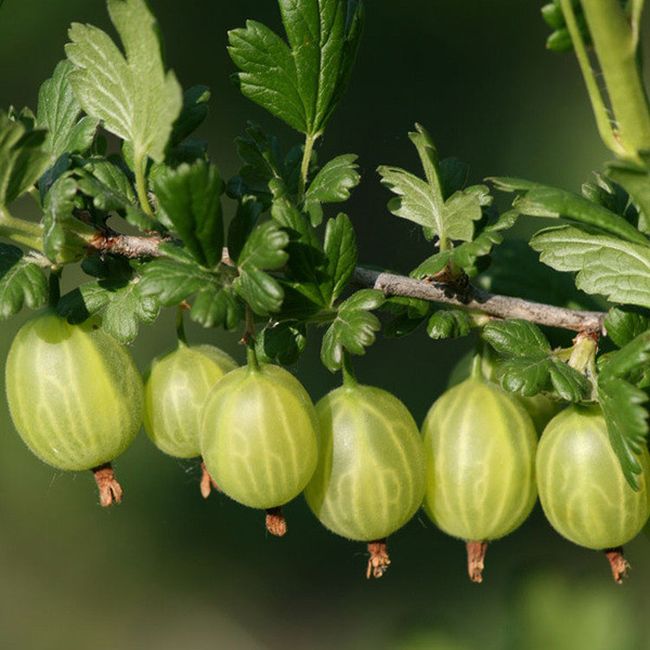
It's no coincidence that the variety called "Rodnik" stands out among the various varieties. What's so special about this plant? The bush itself grows quite compact, with a small, not very spreading crown. Ripe fruits weigh around 5-6 grams, but with proper care and favorable weather conditions, the bush can produce berries weighing approximately 8 grams. They are slightly dull in color, with a predominantly yellow-green hue, and are oval-round in shape.
The main advantage of this variety is its sweet taste. Ripe Rodnik berries can be safely eaten fresh, preserved, and used in various desserts. But what's most interesting is that even under less favorable conditions, this productive variety can produce excellent fruit. It's also resistant to pests and fungal diseases. These characteristics are quite difficult to find, so the Rodnik gooseberry variety is definitely worth considering.
Anniversary
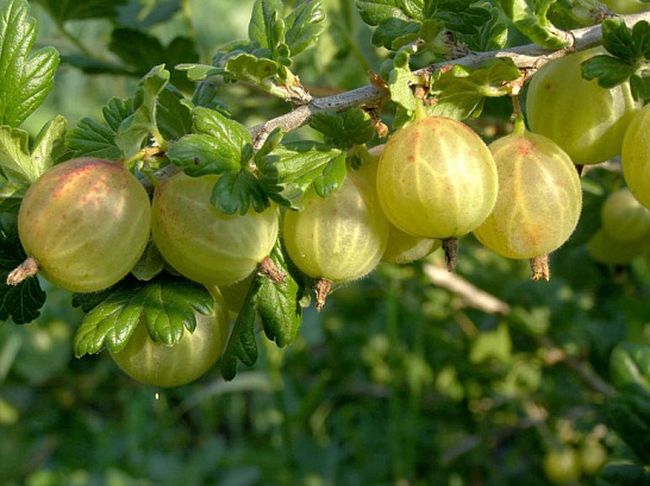
This species was developed in the second half of the 20th century, specifically in 1965. It is a hybrid obtained by crossing two fertile plant varieties. Among the key characteristics of this shrub are the following:
- small height, not particularly spreading;
- there are thorns on the shoots;
- The leaf blade is smooth, glabrous. The leaf size is medium;
- Another key characteristic of the variety is its small flowers, which appear slightly flattened;
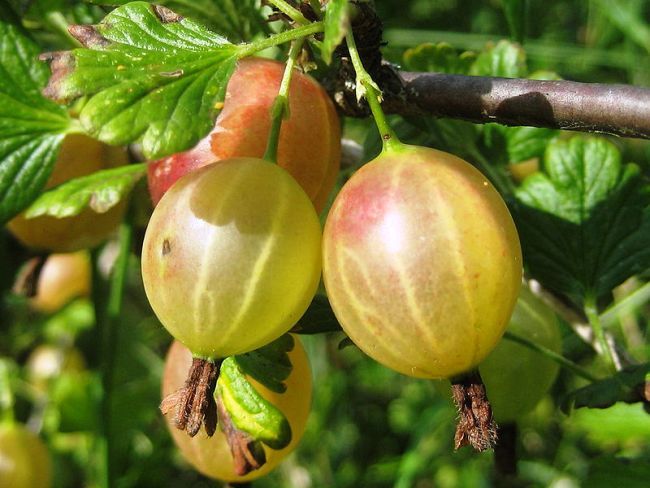
- Oval berries are distinguished by the presence of bright yellow berries covered with a waxy coating.
As for climate conditions, this gooseberry variety is resilient to any weather. Whether in drought or severe frost, the bush perfectly retains its distinctive characteristics and bears fruit tirelessly year after year.
Russian yellow
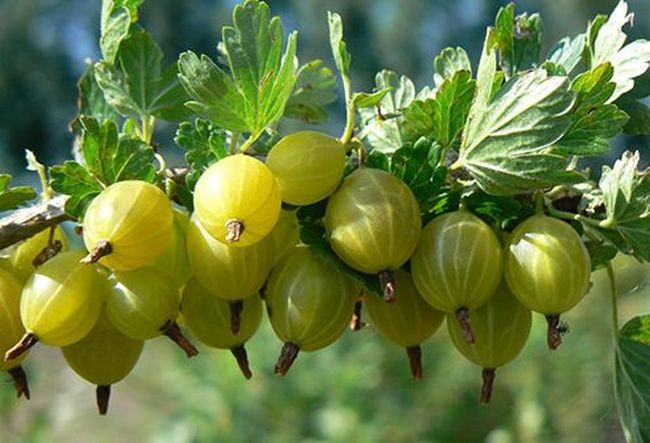
What's so special about this variety? It produces a good crop and survives even severe winter frosts. The plant has a fairly spreading crown, and the berries are a rich yellow. They are delicious and sweet. This gooseberry variety is considered very popular among Russian gardeners not only for these qualities but also because of its early ripening fruit. You can enjoy them at the beginning of summer.
If you're thinking of growing gooseberries in your garden for profit, the variety called Russian Yellow is not the best option.
The problem is that this gooseberry variety is poorly transported, and the berries may lose their key qualities during shipping. Therefore, it's best to purchase this variety exclusively for growing in your garden or dacha, not for sale.
Thornless varieties
Which gooseberry variety to choose? This question is a common one for gardeners looking to grow this productive and easy-to-grow plant. Many prefer large-fruited varieties, but there's one important caveat: their shoots typically have thorns. If you prefer thornless varieties, consider thornless ones. They also produce a good harvest and offer their own unique benefits. Which thornless gooseberry varieties do experts recommend?
Malachite
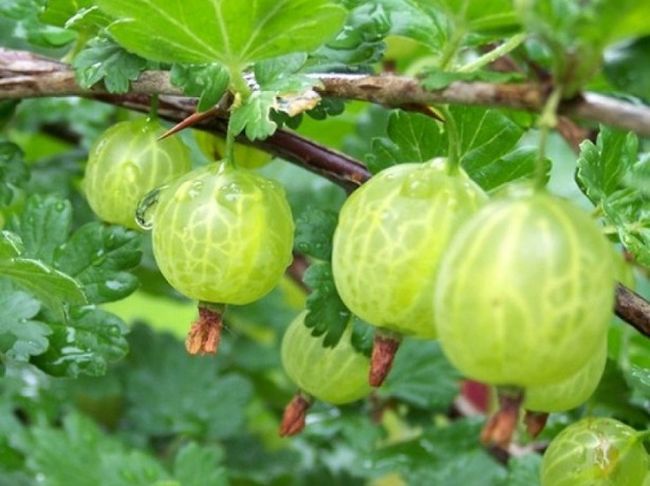
This hybrid is distinguished primarily by its remarkable resistance to disease and low temperatures. Interestingly, it produces a good harvest, albeit quite late. The bush has upright shoots, so the plant is not very spreading, but grows vigorously. The plant does have thorns, but they are single and almost invisible on the shoots. Ripe berries are dark green with a slight matte finish. The flesh is juicy and has a distinctive flavor. This interesting variety is sure to enhance your garden.
Grushenka
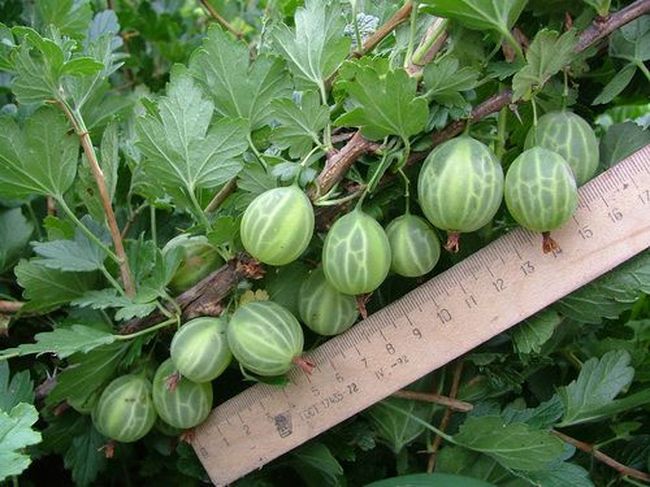
Why buy common gooseberries when there are so many other varieties suitable and even recommended for growing in your garden? Red gooseberries, American gooseberries, and Tsar gooseberries have all gained widespread popularity among Russian gardeners. The Grushenka variety is also worth considering. With its sweetest and most delicious berries, thornless shoots, and high resistance to diseases and pests, this gooseberry is a worthy choice for any gardener.
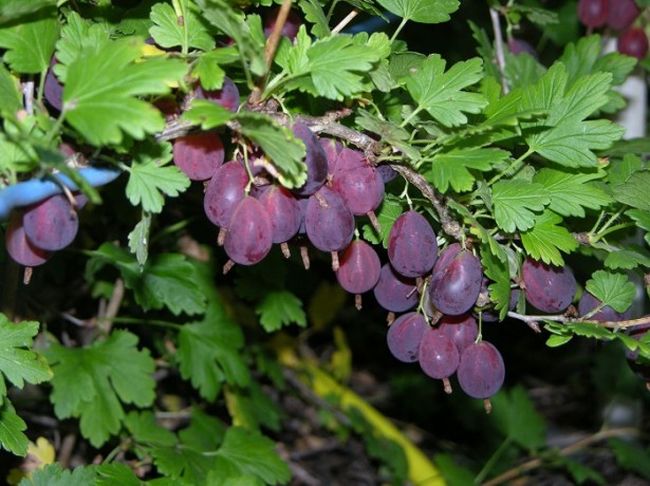
What else is remarkable about this variety? The bush is medium-sized, with branches that droop downward rather than upright. The plant's berries are not particularly large, weighing about 5 grams. Interestingly, they are pear-shaped, and their color varies as they ripen, from pale red to deep blue and dark purple.
If you're planning to grow this plant in central Russia, this variety is the best choice. It tolerates frost and extreme temperature fluctuations well. This gooseberry variety thrives even during periods of severe frost or summer drought. Importantly, the Grushenka variety demonstrates high resistance to diseases and various plant infections.
When choosing berry bush varieties (for example, Antillean gooseberry, Victoria gooseberry, or the domestic gooseberry variety Pink 2), pay attention not only to yield indicators. For example, the Antillean gooseberry offers a host of other benefits. In fact, there are many varieties that are quite popular in Russia today.
The choice depends entirely on your preferences. Will you choose the Antillean gooseberry or perhaps the Chelyabinsk gooseberry? Or will you prefer the "Defender of the House" gooseberry and purchase several seedlings of the gooseberry variety called "Shchedry"? Choose slowly, carefully evaluating the pros and cons of each shrub variety.
If you approach the selection and purchase of seedlings with the utmost care, you can end up with a plant capable of producing a good harvest even in less than favorable climate conditions. Making the right choice is difficult, given the multitude of varieties available today. However, if you purchase quality berry varieties, you won't regret the investment. Moreover, only then will you be able to appreciate the results.
Video: "Proper Care of Gooseberries"
This video will teach you how to properly care for your shrub plant.