
Highly disease-resistant gooseberry variety 'Northern Captain'
Content
Description
The "Northern Captain" gooseberry variety was developed by crossing the "Pink 2" variety and variety No. 310-24 at the beginning of the century. According to the State Register of Breeding Achievements, it is approved for cultivation in the Northwestern region. The tall bush is characterized by a moderate spread under the weight of the fruit. The green shoots are slightly arched when young; when woody, they turn gray. With age, the bush becomes dense, and the branches become more branched.
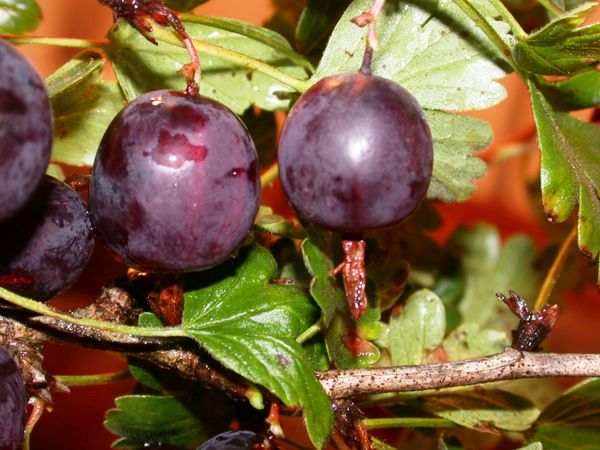
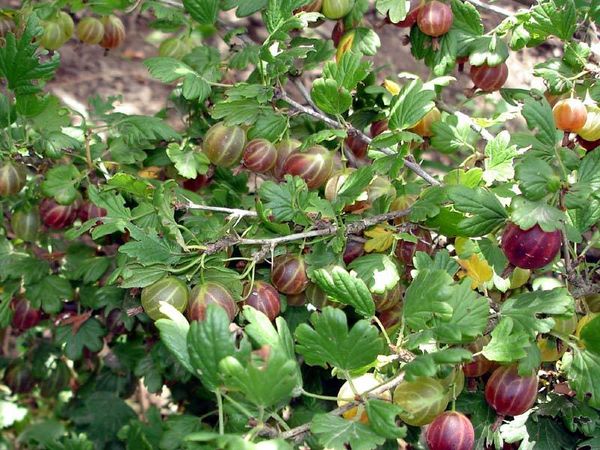
The leaves are large, three-lobed, dark green, not pubescent, and slightly wrinkled. The flowers are large, green, and striped red, and are arranged in pairs. The berries ripen in the second half of July – the variety belongs to the mid-late ripening group. The variety is self-fertile, but the presence of other varieties nearby may slightly increase the yield.
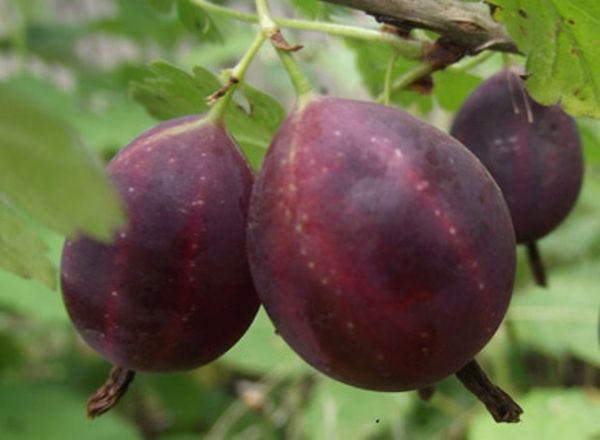
The medium-sized, dark-red berries weigh approximately 4 grams and are covered in a thick, waxy skin. The veins are slightly highlighted with a lighter color. Once ripe, the berries do not fall off but can hang on the vines for a long time. They contain 8.9% sugar and 12.1 mg of ascorbic acid, which gives them a sweet and sour taste. The berries are used to make delicious juices, wines, compotes, preserves, jellies, and marmalades.
Producers describe the berries as industrial, meaning they don't consider them suitable for dessert on their own. However, many gardeners who have already planted "Northern Captain" berries praise the berries' distinctive flavor. Eating fresh berries helps cleanse the body of heavy metals and promotes gastrointestinal and cardiovascular health.
This variety stands out from all others due to its disease resistance. The bushes are virtually immune to powdery mildew and rarely suffer from anthracnose and septoria. The moth and gooseberry sawfly cause no harm, seemingly ignoring the bushes of this variety.
Care and cultivation
'Northern Captain' grows well in sunny areas, especially those sheltered from northerly winds. It prefers non-acidic, nutritious soils that are not too heavy, allowing the roots to receive sufficient aeration and preventing water stagnation. With proper care, the bush can bear fruit for 20 years, and proper annual pruning can extend this period. A mature bush yields 2.5 kg of fruit annually, but some gardeners have reported harvesting up to 4 kg.
Throughout the growing season, weed the soil around the gooseberries to prevent grass from robbing them of nutrients, creating unnecessary shade, and retaining moisture. After watering or rain, be sure to loosen the soil, but do so carefully and shallowly above the roots, as they can reach right to the surface. Between rows, you can dig deeper. It's a good idea to scatter wood ash under the bushes; it's an excellent source of potassium and protects against pests.
Landing
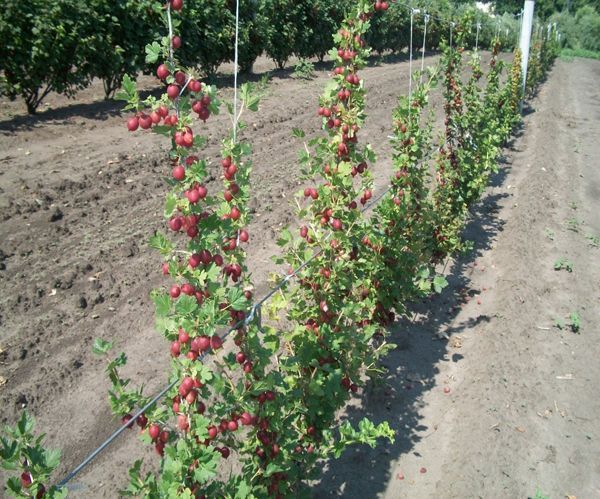
It's best to leave a distance of one and a half meters between bushes, the same distance from fences when planting, and even more from trees, so that the bush has a feeding surface of about two square meters. It's best to plant young bushes in the fall; spring plantings are difficult to time, so they aren't always successful. However, in the fall, seedlings should be planted 4-5 weeks before winter arrives, ensuring they take root and have time to grow new roots before the cold weather sets in.
It's best to choose a two-year-old seedling with woody roots and healthy shoots. If the roots are slightly dry, you can soak them in water for a few hours before planting.
The gooseberry planting area is cleared of weeds; if the soil is too acidic, add lime or dolomite flour. The hole for the seedling should be at least 50 cm deep and wide, half filled with soil mixed with humus, compost, superphosphate, and potassium phosphate. A cup of wood ash is also a good idea. Place the seedling on top, spread the roots, and gradually fill the hole with fertile (prepared) soil. Gently compact the soil, and water the bush generously. After the soil settles, the root collar should be 5–8 cm below the soil surface.
After all the water has been absorbed, the soil around the bush is mulched, and the shoots are pruned, leaving 5-6 healthy buds on each.
Watering
Gooseberries prefer moisture, but not waterlogging. 'Northern Captain' is no exception; it grows well if the soil is not completely dry, but doesn't require constant watering. In spring, when meltwater saturates the plants after they awaken, gooseberries awaken early and grow rapidly. Initially, they need sufficient moisture. You can feed them with organic fertilizers—add humus, compost, or urea to the root zone.
Before flowering, you can water it a couple of times with a solution of mullein or chicken manure. Before flowering, during fruit set and ripening, it needs water most. If there is no rain during this period, it is advisable to water the bush, otherwise the fruits will be small.
After fruit set, the berry bush is fed with potassium and phosphorus, then repeated once or twice more until the end of the season. Dry granules are scattered around the bush or dissolved in water and watered. During dry, hot summers, watering is necessary more frequently; it's best to apply fertilizer with watering. If the summer is fairly rainy, simply remove weeds and loosen the soil. The amount of fertilizer needed depends on the soil condition—the more fertile it is, the less fertilizer is needed.
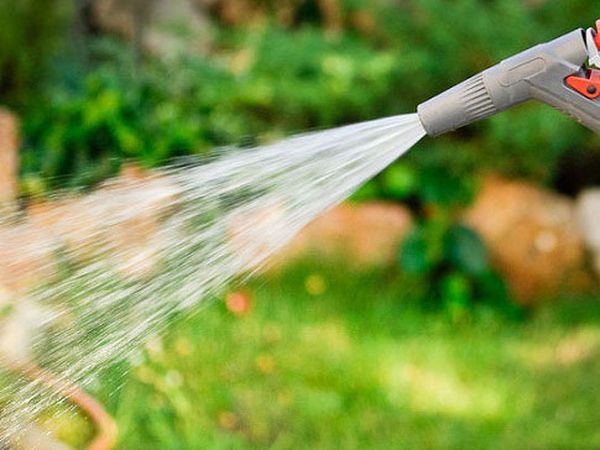
This variety is distinguished by its great vitality; even if you don't water it, and the summer brings several heavy rains, the bush will still produce 2 or 2.5 kg of berries. But more careful attention—timely watering in dry weather, loosening the soil after rain, and fertilizing as needed—can increase the yield and improve the taste of the berries.
Trimming
'Northern Captain' bushes tend to become dense, with branching shoots that grow at an angle, and not always outward. If allowed to overgrow, even genetic resistance to fungal diseases may not protect the plant. A bush that is too dense creates favorable conditions for fungal diseases to spread, including excessive shade and moisture. Therefore, annual pruning should be aimed at properly shaping the bush and maintaining it in the desired shape for healthy growth.
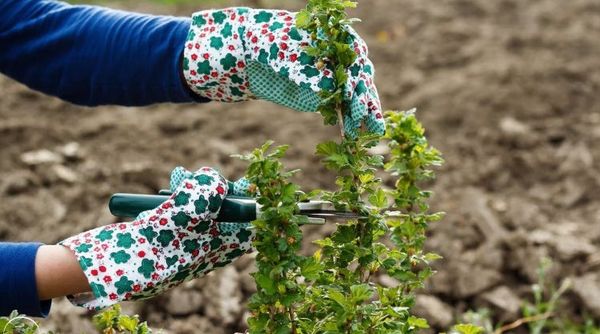
Every fall, inspect the young shoots, select no more than 4 or 5, and remove the rest by cutting them off at the ground. Young shoots in their first year often don't have time to mature before the cold weather sets in, so their tips are cut off because they won't survive the winter anyway. Mature shoots are pruned to stimulate growth or remove damaged parts.
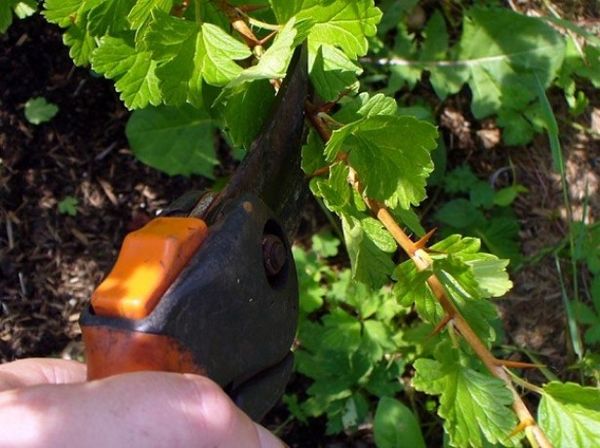
A properly formed bush should have 20-25 shoots of varying ages. After the sixth or seventh year, older shoots, which are no longer capable of producing much fruit and whose productivity declines, should be removed and replaced by younger ones. The cuts are treated with garden pitch, and pruning is done when all the leaves have fallen. If you resolutely prune out older shoots and allow the young shoots to grow well, the bushes can bear fruit for over 20 years.
In the fall, it's essential to remove leaves and pruned branches from under the bush to prevent the proliferation of pests and pathogens. The soil around the trunk is dug over or at least loosened, fertilizer is applied, and the soil layer above the roots is thickened. If a cold winter is expected and snowfall isn't guaranteed, the bushes are hilled and the soil around them is mulched. Plants of this variety generally survive the winter well and don't require special covering.
Methods of reproduction
Gooseberries are easily propagated by division, cuttings, grafting, and layering. Gardeners most often propagate their bushes by layering. This method requires little effort on the part of the gardener. Simply dig a shallow trench in the spring, place a shoot in it, exposing its tip to the air, pin it to the ground (secure it) with wire or a wooden fork, cover with soil, and water.
During the summer, this shoot, or rather the soil, is watered, and by fall it will have rooted in several places. It's best not to leave it like this over the winter, but to cut it and replant it – this will create several small plants that fully retain the characteristics of the mother plant. After a year, they can be planted in their permanent location.
Video "Secrets of Growing Gooseberries"
In this video, a specialist will share some secrets for growing gooseberries.