
What to plant next to gooseberries in your garden
Content
Gooseberry compatibility with crops
Many gardeners who have been planting trees, shrubs, and vegetable crops for years know that the key to a bountiful harvest and minimal maintenance are the following:
- A properly chosen planting site. Each crop has its own requirements for soil composition and daylight hours;
- correctly carried out agricultural technology: soil preparation, planting and subsequent care of planted plants;
- well-chosen neighbors.
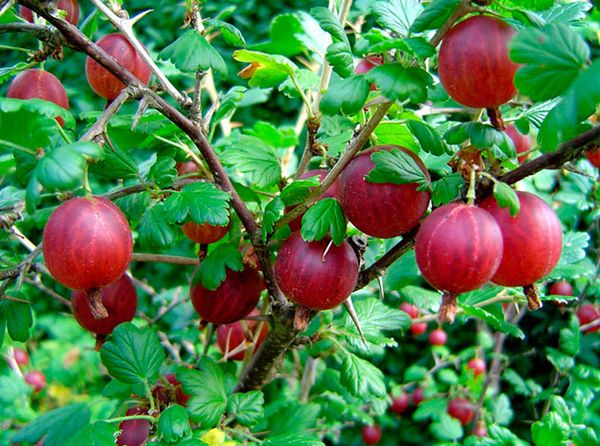
While almost everyone knows about the first two points, only a few realize the importance of neighbors. Observing crops year after year, it's easy to notice that some crops produce a good harvest when planted next to each other, while others, on the contrary, wither and are subject to endless attacks from insect pests.
You can find out which crops make good neighbors and which ones are best kept at a maximum distance from each other in specialized literature. While planting trees and vegetables is more or less straightforward, the placement of shrubs in the garden raises many questions. This is because shrubs (gooseberries, red and black currants, raspberries, and so on) occupy an intermediate position in the garden. Moreover, problems most often arise with gooseberries. Gardeners often find it difficult to choose the optimal neighbor for them.
The simplest and most win-win option in this case would be to plant gooseberries together with other varieties of this crop. In this case, self-pollination will be unaffected, and the bushes will rarely be susceptible to pests or infections. However, such an ideal situation is extremely rare, as gardeners often try to maximize the available space to harvest a bountiful crop. Therefore, it's important to know what plants to plant next to gooseberries in the garden to ensure excellent fruiting.
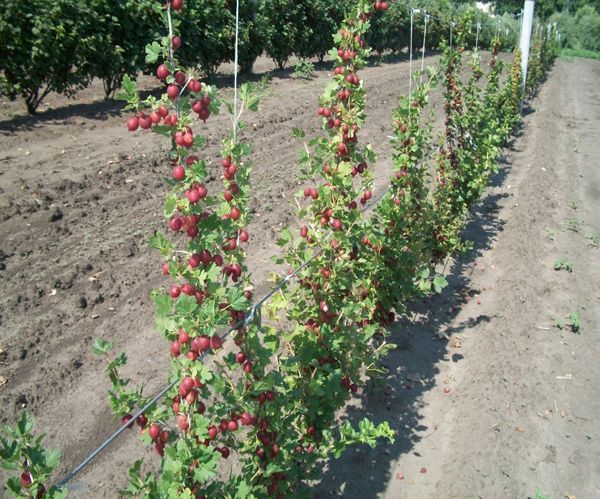
What can be planted nearby?
When choosing neighbors for gooseberries, it's important to weigh the benefits and harms of not only vegetable crops, whose placement changes each year, but also trees. Fruit trees play a dominant role here, as they grow in the same spot.
Gooseberries, with proper agricultural practices and care, can produce fruit for 25 years. Therefore, fruit trees (apple, cherry, pear, etc.) planted near bushes will have a greater impact on the plant than vegetable beds, which, according to crop rotation rules, change their location every year.
Trees aren't the best neighbors for gooseberries. However, if the bushes are properly positioned, they won't harm them. The most important factor to consider is shade. Many fruit trees (such as cherries and apples) have wide crowns that can easily shade small bushes. Don't be stingy with the available space, as nearby bushes will be heavily shaded. In this case, a lack of light will significantly reduce the gooseberry yield.
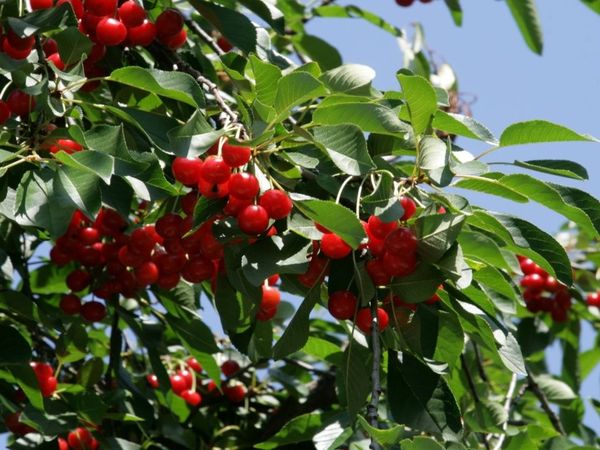
It's important to know that gooseberries have a root system that's quite close to the ground's surface. Therefore, they can be planted near trees with much deeper roots. This is typical for pear, plum, and apple trees. Near these trees, gooseberries will receive sufficient nutrients and moisture from the soil.
As noted above, the best neighbor for gooseberries is the gooseberry itself. But what about other shrubs? Bushes are the optimal plant form for this crop. This is confirmed by the following points:
- Shrubs don't create much shade. Therefore, with proper planting and proper spacing between adjacent plants, they receive the necessary amount of light and warmth.
- The bushes are small in size, so they can be planted in one or two rows around the perimeter of the garden. They can even be planted along fences and outbuildings;
- Shrubs have similar biological characteristics and soil requirements. Therefore, caring for the plantings in this case will consist of virtually the same steps, simplifying the work.
However, as experience shows, not every fruit-bearing bush makes a good neighbor for gooseberries. Gooseberries are often grown in close proximity to redcurrant bushes.
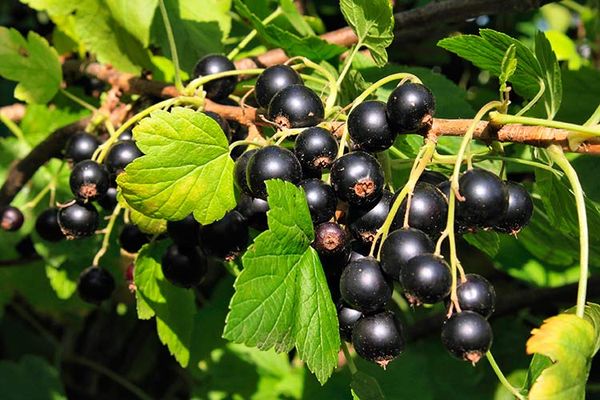
These two cultures are suitable according to the following parameters:
- agrotechnical requirements for planting, growing and care;
- begin to bloom and bear fruit at about the same time;
- the lifespan of both shrubs is approximately 15-25 years;
- do not have common pests;
- do not compete with each other in matters of nutrition.
In addition to red currants, gooseberries can form a favorable symbiosis with a variety of herbs. These include sage, mint, basil, and lemon balm. Planted near these herbs, gooseberries will grow well and bear fruit. The aroma of the greenery will also repel most pests. The scent of these herbs is also disliked by pests such as sawflies, moths, and berry aphids, which are dangerous to this crop.
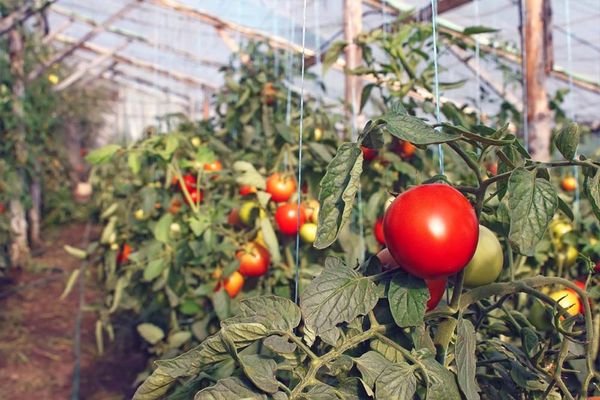
Tomatoes planted nearby also provide excellent protection against insects. Experienced gardeners say that individual tomato plants can be planted between rows of gooseberries.
What shouldn't be planted next to each other?
Once the optimal neighbors for gooseberries have been determined, it's time to figure out which crops shouldn't be planted next to them. If you plant these plants near gooseberries, you can forget about a good harvest and minimal maintenance.
Blackcurrants are a poor neighbor for gooseberries. Oddly enough, they get along quite well with red varieties. Planting gooseberries and blackcurrants together is not recommended for one simple reason: they share common pests and diseases. As a result, if an infection or pest infestation occurs, blackcurrants will readily "share" them with the gooseberries. This will spread the problem throughout the garden, reducing the yield and quality of the harvest.
If the disease is advanced or there are a large number of insects, the plants will have to be destroyed, as no other means will be effective.
Another bad neighbor for gooseberries is raspberries or strawberries. Raspberries are too aggressive towards other plants, drawing nutrients and water away from them. In such a neighborhood, gooseberries will quickly begin to wither and die.
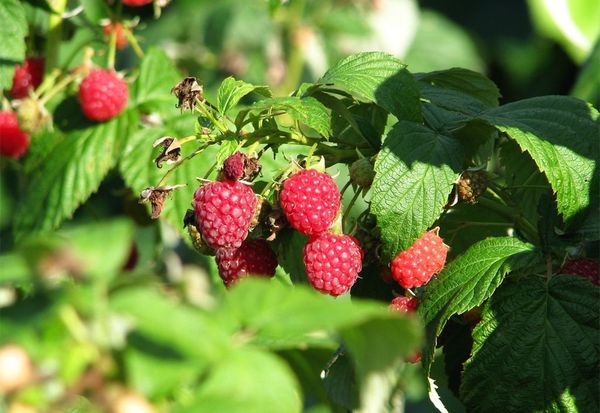
Proximity to raspberries will increase the risk of scale insects, aphids, gooseberry moths, and raspberry weevils appearing on the bush. This will significantly complicate pest control.
Hyssop and fennel are also crops that shouldn't be planted near berry plants. This is because these plants release substances into the soil that negatively affect garden crops. Gooseberries will stop developing and growing normally if planted in such a neighborhood.
As we can see, there are quite a number of plants that will be a bad company for the gooseberries growing in your garden.
What influences plant compatibility?
Plant compatibility is influenced by a wide variety of factors that need to be known when choosing a location for future planting of a particular crop.
Factors that influence the compatibility of growing vegetable and fruit crops include:
- A uniform list of nutrients required by plants for growth and fruiting. When these lists overlap, crops begin to compete with each other;
- Root depth. When the root systems of different plants are at the same depth, the stronger plant draws water and nutrients (for example, raspberries). As a result, the weaker plant begins to wither and soon dies;
- Plants release certain substances (amino acids, biologically active substances, hormones, antibiotics, enzymes) into the soil, which negatively affect the growth of some neighboring plants. However, for other crops, their effect will be positive. This effect is used when preparing the soil for planting a particular crop. The third factor is the least well-known. Plants often release these substances through their roots, although their leaves are also capable of producing volatile compounds.
These three parameters are used to determine the optimal neighbors for gooseberries or those with which joint growth is contraindicated.
In addition, there are other factors that can have an indirect impact on the growth and development of various plants growing nearby:
- Light. Cultivated plants require light and warmth to bear fruit well. Planting gooseberry seedlings near tall trees will create shade that will completely or partially cover the bush. As a result, fruiting will only occur on the side that doesn't experience a lack of warmth and light.
- Soil composition. In poor soils and without regular fertilization, some plants will absorb all the available nutrients, leading to the death of their less fortunate neighbors.
Gooseberries have a fair number of both good and bad neighbors. Therefore, if you want the bush to bear fruit vigorously and avoid disease, it's important to carefully select its neighbors.
Video: "Which Plants Get Along with Each Other"
This video will show you plants that can be planted next to each other.