
One of the favorite berries of gardeners is the Russian yellow gooseberry.
Content
Description of the variety
The "Russian Yellow" variety was developed in the late twentieth century by Professor Sergeeva at the Michurin Institute of Horticulture. The work was based on the "Kareless," "Shtambovy," "Karri," and "Oregon" varieties. Using cloning, the new variety was obtained in an extremely short time. Overall, the breeders achieved their goal of making it easy to care for and producing a highly productive, healthy berry.
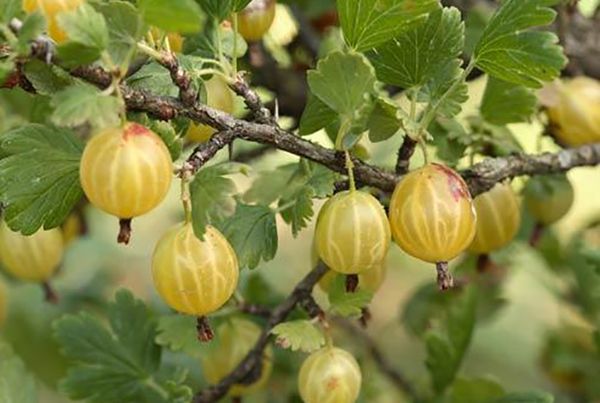
The importance of this event is undeniable – the frost resistance of the gooseberry variety "Russian Yellow" (named for the vibrant color of its berries) allows it to be grown in the north, where vitamin C deficiency is critical. This variety produces a bush just over a meter tall with wide, dense, and spreading branches.
Moderate thorniness is one of the variety’s disadvantages. The thorns are located at the beginning of the branches as sparse, small spines. The leaves are rich green, medium-sized, and have a slightly waxy cuticle. The leaf edges are serrated.
This variety is characterized by inconspicuous blooms, with pale flowers borne in pairs per cluster. The oval ovary is faceted and glabrous. The fruits are large, sweet and sour, with a pleasant, lingering aftertaste. Each berry averages five grams.
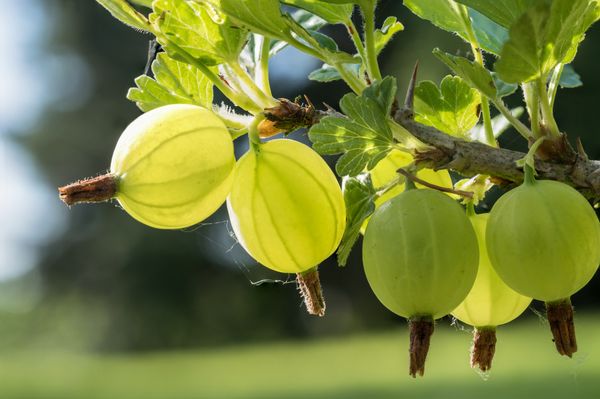
It's easy to recognize a ripe gooseberry: if it's completely yellow, it's ready to be picked. The fruit itself is rich in vitamins and very nutritious. Nine and a half percent of the berry's dry weight is sugar, and two percent is various acids, including those essential to the human body. Gooseberries contain 12 milligrams of vitamin C per 100 grams.
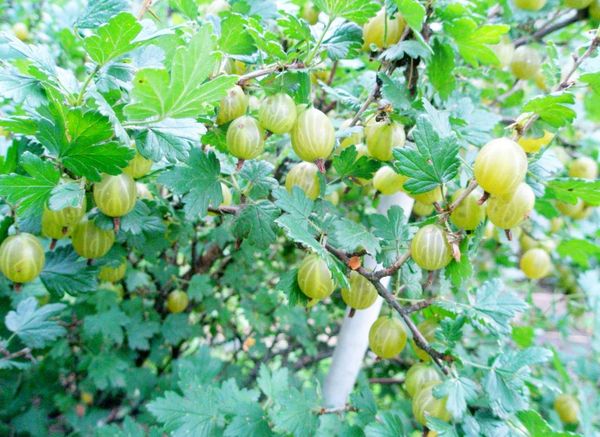
This variety is characterized by frost resistance and heat tolerance. Another advantage over other varieties is its excellent transportability. Unfortunately, it has low resistance to fungal diseases, particularly to the causal agent of gooseberry powdery mildew, Spheroteka.
Landing features
The plant prefers full sun and warm soil. It's important to ensure that neighboring bushes don't shade each other. A distance of approximately two meters is optimal. It's best to plant in early fall so the plant has time to develop vegetative mass for overwintering. If you don't have time to do this, you'll have to postpone plans to plant the bushes until early spring.
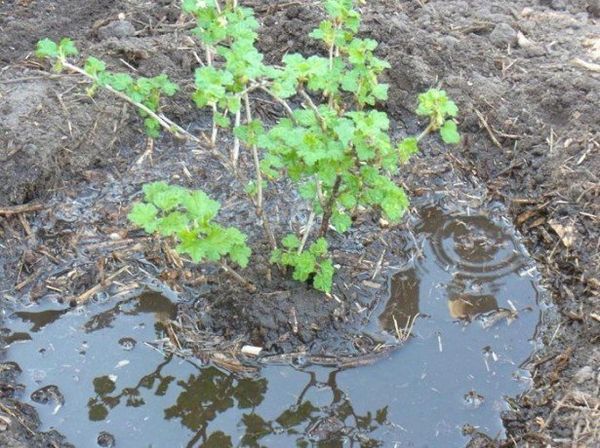
It's important to keep the soil around the gooseberries moist. Gardeners recommend generous amounts of moisture, but overwatering is also not recommended for this variety. Excessive moisture can lead to various rot diseases, which will impact the quality of the harvest. Before planting, it's important to clear the area of weeds, and it's recommended to use soil fumigators.
Growing and care rules
Like all varieties of cultivated plants, even despite its unpretentiousness, Russian Yellow definitely requires proper care.
It's best to water gooseberries in the morning or evening. Depending on soil moisture, it's recommended to water two to three times a week in the summer. One or two buckets will be sufficient. It's important to remember to water during the fruiting period, as this is when buds for the following year are formed. This variety generally tolerates drought, but this will result in reduced berry yields in the future.
The soil around the bush should be free of weeds, especially grasses, as they can transmit some harmful plant diseases. It is recommended to loosen the soil around the trunk to improve moisture and oxygen availability.
When planting, all branches of your future plant should be pruned by two-thirds. Annual pruning is carried out in April or in the fall. It's important to treat the remaining wounds with a special antiseptic after pruning to prevent the introduction of harmful pathogen spores. A properly pruned bush should contain two to three branches from each growing season.
If you fertilized the soil before planting, you won't need to feed your gooseberries for the next few years. Subsequently, it's advisable to apply superphosphate and potassium sulfate. Ammonium nitrate in the spring will support the young plant and allow it to produce a bountiful harvest.
Pest and disease control
To prevent pathogen infestation, it is recommended to apply the treatment up to three times during the plant's life cycle. Typically, two weeks before and after flowering, and at the end of the growing season. It is essential to ensure that last year's fallen leaves, which provide a favorable environment for disease development, are removed from the area under the bush. Mulching should be used to protect the trunk and root system.
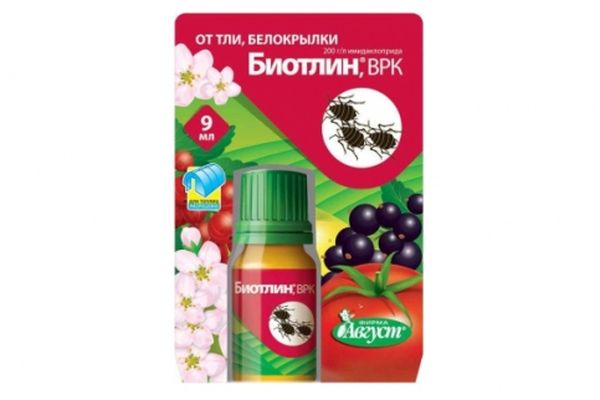
Among the products used to combat various fungal diseases, Bordeaux mixture has proven effective against a wide range of diseases. It's a solution of copper sulfate mixed with several parts sodium hydroxide. It's effective against pests and various arthropods. A wide range of insecticides are also available, such as Profilaktin, Biotlin, and Tanrek.
If a disease outbreak occurs, it is recommended to remove the affected parts of the plant. In some cases, to save the garden, it is better to uproot the entire bush and thoroughly cultivate the soil to prevent the spread of the disease.
Video: Planting Russian Yellow Gooseberries
This video will show you how to properly plant the Russian Yellow gooseberry variety.