
Gooseberry variety Rodnik with an amazing dessert taste
Content
Interesting facts about the variety
Large berries with a dessert-like flavor—isn't that every gardener's dream? Ripe gooseberries will delight you with their size and flavor. Remarkably, this type of gooseberry can be eaten raw or used in dishes. When fully ripe, the berries are mostly eaten fresh. If you plan to make jam, pick them a little earlier than expected. Otherwise, the berries will simply lose the acidity needed to impart their distinctive flavor to the finished jam.
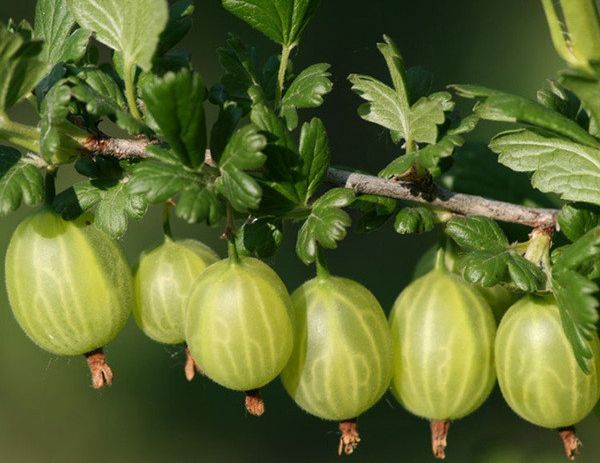
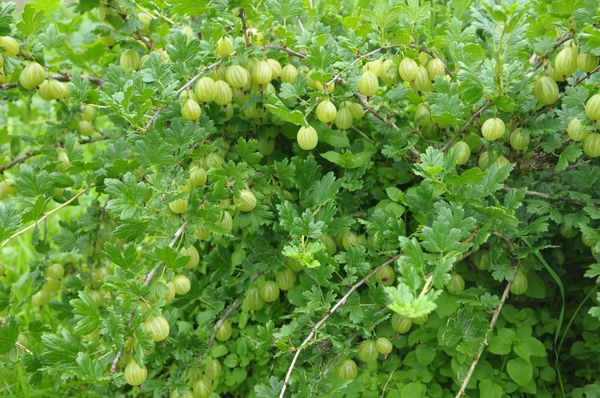
Another rather important advantage of this variety of gooseberry is its high yield. With proper plant care, you can harvest up to 6.8 kg of fruit from one bush at the height of the season. Moreover, there's no need to plant other plants near gooseberry bushes: this variety is self-fertile. Gooseberries will begin to produce a full harvest as early as the second year after planting. During the first year, the plant develops slowly and produces little growth. Therefore, if you want the bush to establish itself as quickly as possible, it's best to purchase one-year-old seedlings.
Planting and growing
To ensure your chosen variety of indoor gooseberry bears fruit quickly and to its full potential, it's essential to approach the bush's cultivation with the utmost care. To ensure this, be sure to install a suitable support to keep the bush's branches upright.
Be sure to fertilize the soil regularly: you can use both organic and mineral fertilizers. Root feeding is less frequent; it's sufficient to support the plant's development during the formation of the first leaves and ovaries, as well as during fruit ripening. However, the first application of fertilizer is necessary when planting young seedlings outdoors.
Selecting soil
To ensure the Rodnik gooseberry variety quickly establishes its roots and fully develops its root system, it's important to carefully select the optimal site for planting young bushes. Therefore, it's recommended to pay attention to the following:
- First, find a well-lit spot for planting. Otherwise, the berries will form, but they won't be as sweet and won't be as large.
- Also, provide the plant with good protection from the wind. Shrubs can be planted along hedges. The main thing is to protect them from cold and piercing northern winds;
- When planting, it's crucial to consider the soil moisture level. If the groundwater level is too high, it's not advisable to plant the shrub in that location, as the root system will quickly rot.
- What types of soil are most suitable for earthworks? These are mainly light loamy, slightly acidic, and sandy loam types.
Be sure to take all these nuances into account when choosing a site for future gooseberry seedlings – and you will certainly be satisfied with the results.
Landing
For those who want to complete the entire process step by step and follow key expert recommendations, it's helpful to develop a clear plan. It should include the following:
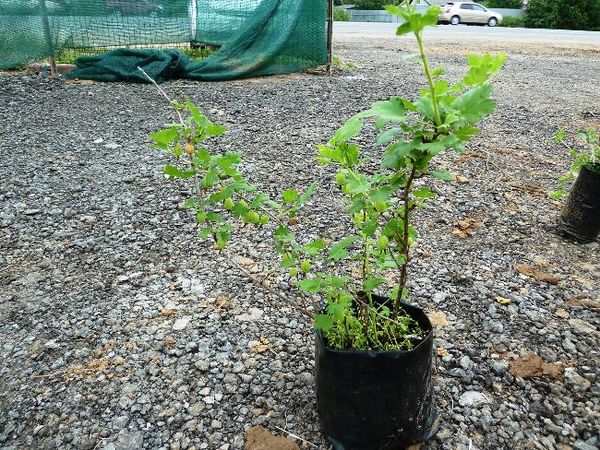
- each seedling must be lowered into the hole approximately 5–8 cm below ground level;
- It is recommended to trim the branches;
- a certain distance should be maintained between bushes – 1–1.5 m;
- Be sure to add fertilizer to the soil (humus or humus with the addition of superphosphate).
Planting shrubs in open ground isn't particularly difficult, but there are still a few rules to remember if you want to enjoy large, nutritious berries, not just harvest them.
Watering
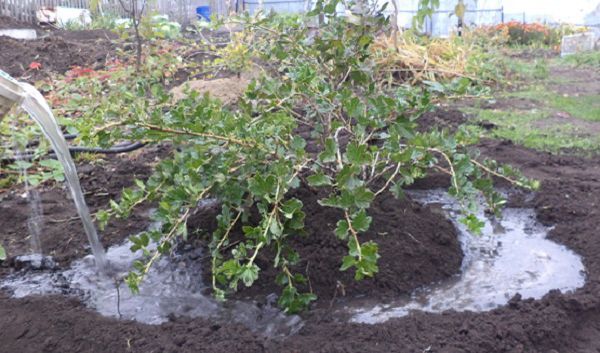
As mentioned earlier, it's best not to overwater the soil where your gooseberries are growing. Otherwise, they won't survive for long. That's why growing this type of shrub in areas with high groundwater levels is undesirable and can become a real problem. If the soil in your region isn't particularly saturated with moisture and the summer has been rather dry, you can occasionally improve the situation yourself, but don't overwater.
Trimming
Not every farmer places the necessary importance on pruning. Yet, not only does it promote the formation of large berries, but it also effectively protects the bushes from various diseases and pests. As a rule, it is recommended to undertake this task either in early spring, before the buds open, or in late fall.
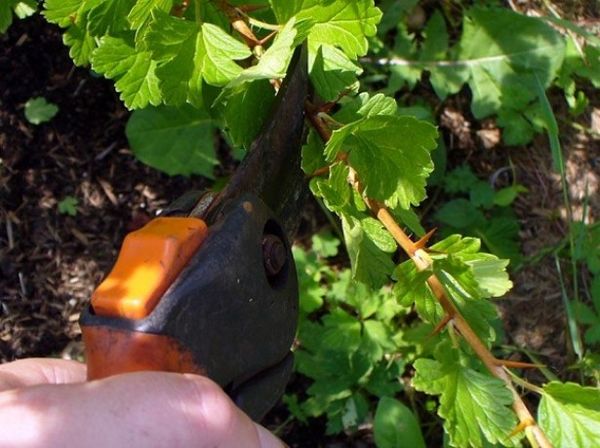
For those faced with the need to prune their plants, there's one key rule: first, remove old and damaged branches, otherwise the gooseberry will waste energy. If you learn to prune properly (and nothing too complicated is required), you'll reap an excellent harvest every year. The Rodnik variety boasts numerous advantages, and despite being bred only in 2001, it has already earned a well-deserved place in the modern gardening niche.
Video: "Tips for Transplanting Gooseberries"
This video will show you how to properly transplant gooseberry bushes.