
Rules and methods for propagating gooseberry bushes
Content
Cuttings
Propagating gooseberries by cuttings in spring is a crucial and labor-intensive step in growing the shrub. This method of propagating the fruit plant is generally considered the most promising. This method not only preserves the species' population but also increases the number of young bushes in a garden plot.
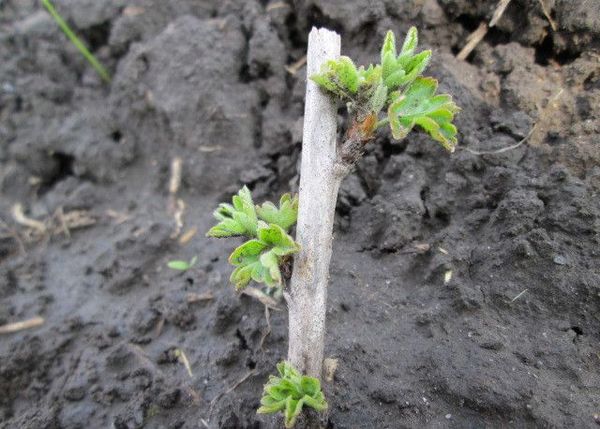
If you want your gooseberries to produce large quantities of fruit annually, you need to know how to propagate indoor gooseberries from cuttings. Modern gardening includes several popular methods. Which one is best for you depends on many factors.
Green cuttings
Propagating gooseberries by cuttings is usually done in the spring, specifically in May. For best results, it's best to take green cuttings from bushes no more than four years old. This procedure is typically performed in a greenhouse, as these conditions are optimal for rapid rooting. Here's how to prepare the cuttings for planting:
- To begin, remove all the lower leaves from the cuttings, leaving only a few upper ones;
- it is necessary to make a cut on the buds with a knife, as well as several cuts on the lower part of the stem;
- Don't plant the cuttings in soil immediately. Place them in water for at least 24 hours, then soak them in a growth stimulant for about 6 hours. Only then can they be planted in soil.
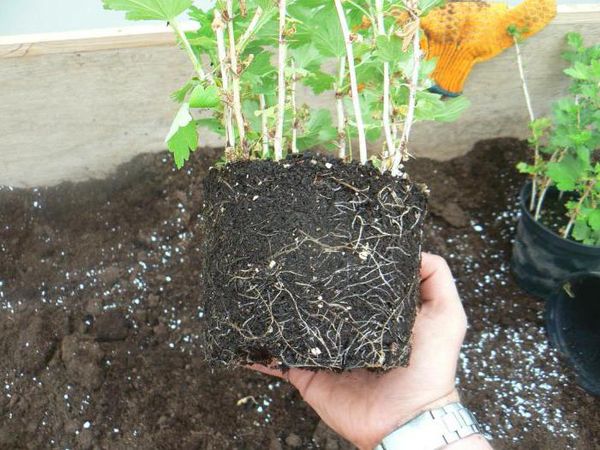
This method is considered one of the most effective and popular among Russian gardeners. It's easy to implement, and you'll get good results using it.
Lignified cuttings
How can a shrub be propagated using hardwood cuttings? Typically, they are cut and prepared in the fall. It's worth noting that these cuttings are planted with their tips down, as the soil remains at a moderate temperature during winter. This method is also advantageous because the buds on the cuttings won't develop as quickly, while the root system, on the contrary, will have time to fully develop before spring. Once the weather warms up, the strengthened seedlings can be planted outdoors.
Combined cuttings
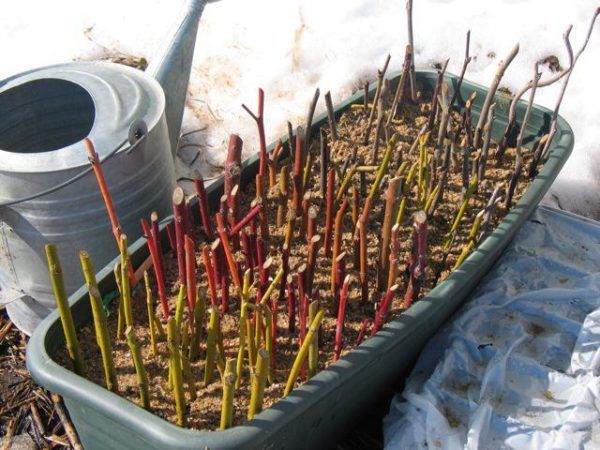
What is this type of vegetative propagation of indoor gooseberries? It involves the use of green cuttings with small bark inserts on the surface of the shoots.
How do you prepare cuttings for planting? First, you need to cut new shoots, then place the planting material in water. You can then follow the same cultivation techniques as when using green cuttings.
Propagation by layering
Gooseberry propagation by layering is carried out in three main ways:
- Horizontal layering. This method is considered the least labor-intensive and easiest to implement. First, dig small trenches around the bushes; you'll need to plant young gooseberry shoots in these trenches. Come fall, you'll have a fully grown bush, ready to transplant to its permanent location.
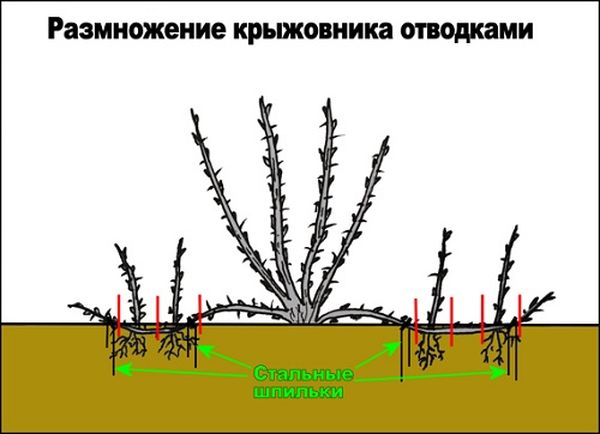
- Vertical layering. This method of propagating gooseberries is generally most suitable for older bushes. Therefore, it is recommended to prune the plant thoroughly in the fall or spring. When new shoots emerge, the bush should be half-covered with a fertile layer of soil. During the summer, remember to occasionally hill the soil and water regularly. In the fall, remove the layer of soil. Carefully inspect the bush—those shoots that have rooted should be cut off and replanted in a permanent location.
- Arched layering. How to ensure rooting of new seedlings using this method? It's quite simple. Select the strongest shoots from the bush and bend them to the ground, securing the branch with a hook. After some time, these shoots will develop their own root system. This method doesn't produce a large number of seedlings, but they grow quite strong.
This method of propagating gooseberries may be slightly modified, but it is still considered quite effective in the process of propagating your fruit bush.
Propagation by dividing the bush
Among the many possible methods for propagating gooseberries, propagation by division stands out. What exactly is this method? It's typically used when a farmer decides to transplant a gooseberry from one plot to another, a more rejuvenated and much more productive one. Preparation for this method should be well in advance. About a year before transplanting, the bush should be thoroughly pruned (removing all old branches).
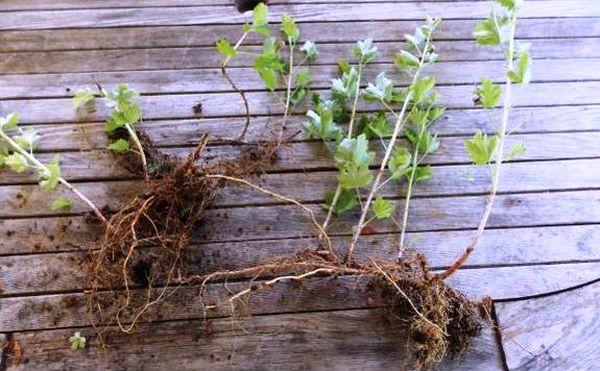
At the appropriate time, the bush is dug up, then divided into several sections and planted in their permanent locations. The optimal time for this procedure is spring or fall. It is not recommended to do this during the summer. Propagating indoor gooseberries by dividing the bush is a fairly effective method. The main thing is to be able to implement the planned transplanting of gooseberry bushes correctly.
Gooseberry propagation by cuttings, layering, or division is quite effective. Follow these basic guidelines, and you'll see results quickly.
Take care of rejuvenating your mini-gooseberry plantations at home—it's easy and even a novice gardener can do it. You'll get renewed berry bushes that will continue to delight you with their nutritious fruits.
Video: Propagating Gooseberries by Layering
This video will show you how to properly propagate gooseberries by layering.