
Description of the winter-hardy gooseberry variety Consul
Content
Characteristics and description
The Consul gooseberry variety is described as a 1.8-meter-tall bush with sparsely thorned branches. The plant's crown is moderately spreading, saving space and avoiding any unnecessary inconvenience. This gooseberry variety is considered a mid-season crop with a long fruiting period.
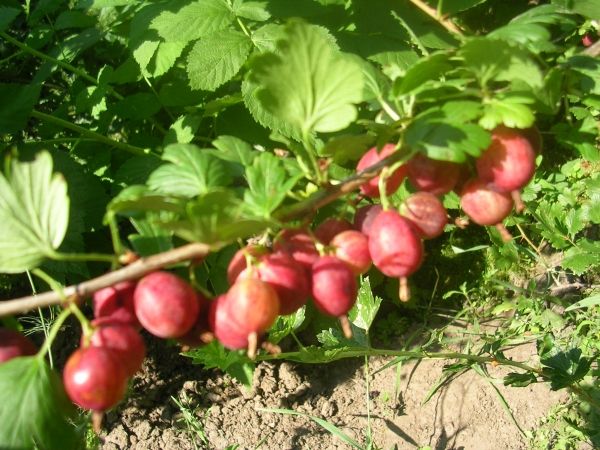
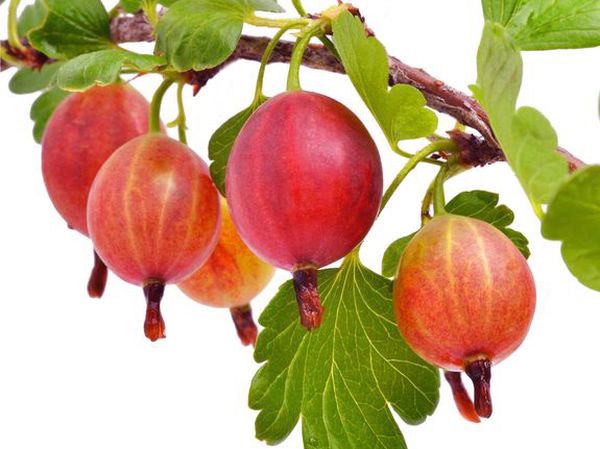
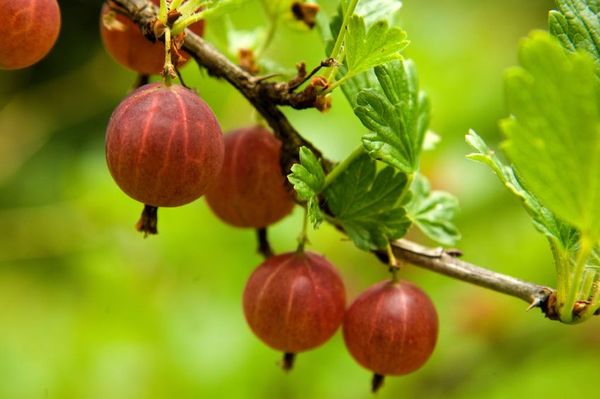
The berries of this variety are large, round in shape and have a rich red color. When fully ripe, the berries turn black. The fruit's distinctive features include a thin skin and a small number of seeds inside. Consul berries are rich in vitamin C. The berries have a sweet and sour taste, with juicy flesh and a small number of seeds. The fruit is commonly used to make jam, marmalade, fruit drink, and sometimes even wine.
Consul berries begin to ripen in late July. After planting, a bush can yield up to 3 kilograms of fruit. After a few years, a single bush can produce around 7 kilograms of berries.
Due to its unique, pleasant flavor, the Consul gooseberry sells well. However, it cannot be transported long distances due to its thin skin.
Consul is resistant to powdery mildew, septoria, and sawfly. Furthermore, the variety tolerates drought and frost well. This means gooseberries can be successfully grown even in harsh climates. The plant is also resistant to spring frosts.
Growing rules
To reap bountiful gooseberry harvests, it's important to understand all the intricacies of growing the crop. Consul seedlings should be planted only in well-lit areas. Neglecting this requirement will significantly reduce the berry yield. As for soil composition, loamy and sandy loam soils are preferred.
Saplings should be planted in the fall or spring. Each one is planted to a depth of 0.08 meters in soil fertilized with humus and wood ash. Afterward, each bush is watered, and its branches are trimmed back by a third. This pruning promotes vigorous growth in the future. The distance between plants should be 1.5 meters or more.
When planting, protect the bush from wind, especially from the north. For this purpose, it's best to plant the berries along fences.
Basics of care
Proper planting isn't everything. Proper gooseberry care is essential for harvesting bountiful crops.
The soil in which the variety grows should be moist and fertile. Fertilizers applied to Consul should be chlorine-free. However, sufficient potassium is essential, so it's worth fertilizing the plant with ash.
The plant should be pruned annually, like any other shrub-type plant. The best time for pruning is early spring, before the buds open. Old and diseased parts should be removed completely, and only the strongest young ones should be left. After pruning, the soil beneath the bush should be loosened.
Avoid watering the plant too frequently. Three irrigations throughout the summer are sufficient. The first irrigation should be done during flowering, using 2-4 buckets of water per unit area. The next irrigation should be done after the first berries appear, also using 2-4 buckets. The final irrigation should be done at the end of summer. After the first and second irrigations, the soil should be thoroughly loosened.

Note for the gardener
Gardeners' reviews indicate that the Consul gooseberry is an ideal choice for growing in terms of fruit production and disease resistance. Its only drawback is poor shelf life, due to the berry's thin skin.
The variety was developed in the mid-1990s. Although it was originally intended for cultivation in temperate climates, it can also be successfully grown in harsher climates.
So, the Consul gooseberry variety has a number of advantages that make it worth the attention of every gardener.
Video: "Proper Care of Gooseberries"
This video will teach you about the nuances of gooseberry care.