
What to do if white plaque appears on gooseberries
Content
Causes of occurrence
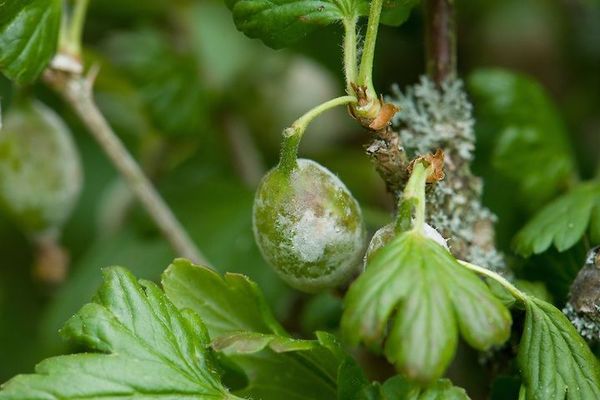
A whitish coating can be found on the stems, fruits, or leaves of gooseberries. Affected organs change shape and curl. Fruit growth is significantly slowed.
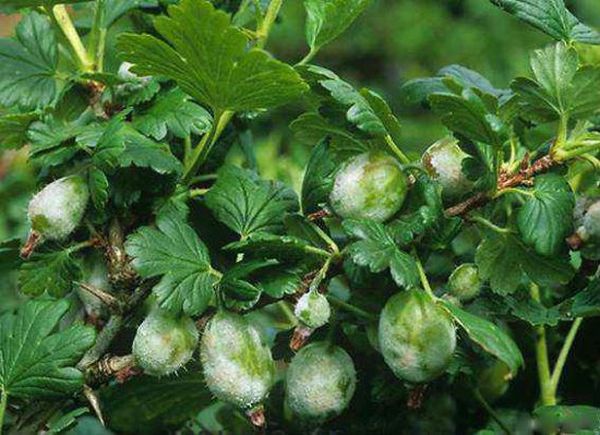
Powdery mildew occurs in spring or summer as a result of fungal damage to crops. The disease progresses during cold, rainy summers, as high humidity promotes its spread.
Tall berry varieties are most susceptible to the disease, as these plants are pruned more often. Low-growing plants can be susceptible to powdery mildew if not cared for properly.
Methods of control
When the first signs of disease are detected, you should first remove all unhealthy plant organs, and then treat the crop with chemicals or natural solutions.

Folk remedies
There is a white coating on the gooseberries - what should I do?
You can spray the bushes with natural solutions that are absolutely harmless to humans.
There are many recipes for creating such solutions, but the most commonly used are:
- Pour 3 kilograms of wood ash into a bucket of hot water and let the solution steep for 24 hours. Strain the mixture and spray it on the gooseberries before and immediately after flowering. Repeat the treatment several times (frequency: once a week). On average, about 3 liters of spray solution is needed per bush.
- Fermented herbs can be created using weeds and water. The collected weeds should be chopped and covered with hot water. You should use about 5 kilograms of weeds (half a bucket). After placing the herbs in a container, fill it with water to the top of the bucket. Then, let the mixture steep for several days. Strain the tincture before using it. This procedure is best done in the afternoon.
- Mullein can help cure powdery mildew on crops. To do this, fill a bucket a third of the way with mullein and then fill it to the top with cold water. Let the solution steep for a few days (a couple of days). Stir the infusion periodically and strain it before applying it to the plants.
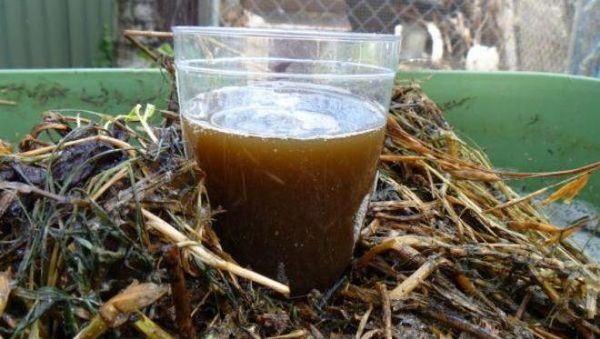
- Dairy products can also help remove white plaque from gooseberries. To prepare the solution, you'll need water and whey (homemade or store-bought). The amount of water should be 10 times greater than the amount of whey. Mix the ingredients in these quantities until a homogeneous solution is obtained. Apply the mixture to the plants periodically until they are completely cured.
Chemicals
Today, there are many chemicals that can combat powdery mildew on gooseberries. However, gardeners prefer the following:
- Copper sulfate. You can use it to prepare a solution that will help overcome the disease in the shortest possible time. Just 0.1 kilograms of copper sulfate per bucket of water is enough. Gooseberries should be treated from early spring until the buds begin to open. Not only the bush but also the soil beneath it should be treated.
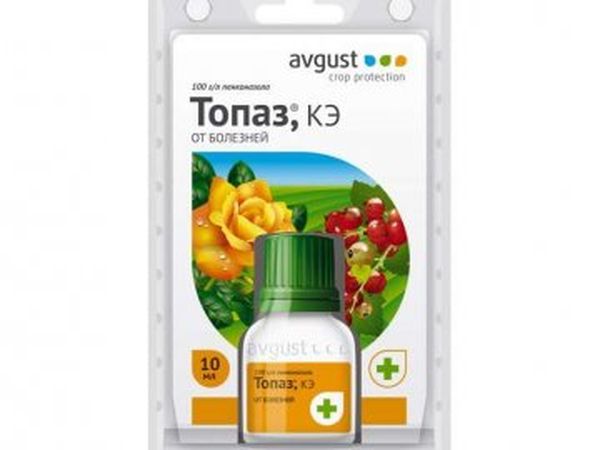
- Topaz. This chemical is widely used by gardeners. Plants should be sprayed in stages: the first time before flowering, and the second time immediately after.
- HOM is an alternative to Bordeaux mixture. Dissolve 40 grams of the mixture in a bucket of water. HOM can be used to create a complex solution. To do this, add another pest control agent to the solution. Each component is diluted in a separate container. Then, all solutions are combined into a single container.
Secrets of prevention
You can prevent powdery mildew on gooseberry bushes. To do this, simply follow these simple steps:
- Timely and proper pruning of shrubs will promote healthy growth. A properly developed plant is able to resist various diseases, including powdery mildew.
- During active berry growth (spring/summer), closely monitor the plant's condition. As soon as you discover diseased branches on the bushes, remove them immediately. Prompt removal of diseased branches prevents the disease from progressing. Fungal spores overwinter on plant shoots and fallen leaves from the previous year. Therefore, these should also be removed in the spring.
- With the arrival of spring, when the snow has melted and the temperature remains above freezing, gooseberries can be given a "contrast shower" with hot water (this procedure should be performed before the buds swell). A little baking soda or potassium permanganate can be added to the water.
- You can increase the crop's resistance to disease by fertilizing the plant with phosphorus and potassium fertilizers (but not nitrogen!).
Powdery mildew is a dangerous disease, but it can be controlled. Effective control will benefit both the plant itself and its harvest.
Video: "Fighting Powdery Mildew"
This video will teach you how to properly combat this dangerous plant disease.