
Control measures for powdery mildew on gooseberry bushes
Content
Features of the disease
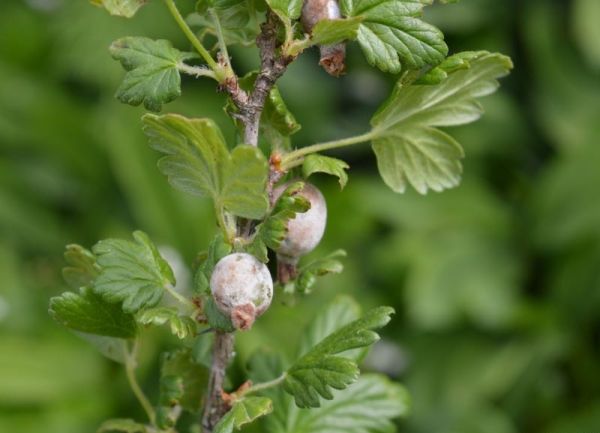
Powdery mildew on gooseberries is a fungal disease spread by microscopic particles called spores, which are carried to the plant by insects or wind. It is also known as American powdery mildew of gooseberries, as this disease originated in America. Powdery mildew is divided into two subspecies: true and downy. Spores overwinter on lower branches, in the foliage and soil beneath the bush, and in the spring they begin their journey up the crown.
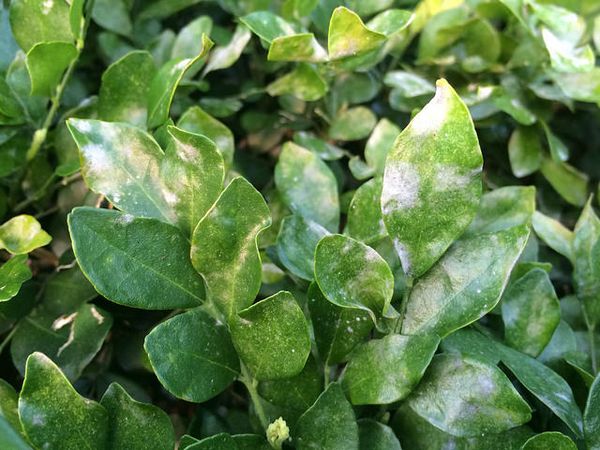
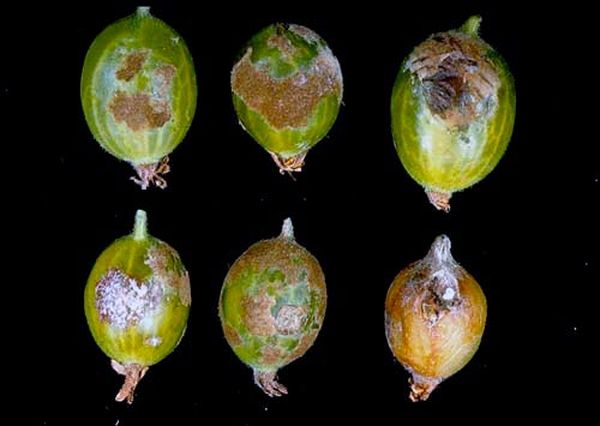
Powdery mildew on gooseberries requires active control measures, as it can also appear on raspberries, currants, and even roses. With the onset of warm, humid weather, a white, crumbly coating, resembling scattered flour, can be seen on the underside of the first leaves near the ground. These leaves should be removed as quickly as possible, removed, and burned. If the early signs are missed, the white coating will eventually turn dark, brown, and have a dense texture, affecting all parts of the plant: leaves curl, infected branches become crooked, and berries spoil before they ripen.
Weaknesses of the disease
It's important to note that the disease is fungal in nature. There are three main methods for treating gooseberries against powdery mildew: agronomic, chemical, and agrochemical. Agronomic methods involve immediate pruning of leaves and branches showing signs of damage, scheduled pruning before and after the growing season, and planting varieties resistant to downy mildew. At the very beginning of spring, the bush should be cleared of damaged and old branches, and the soil should be cleared of last year's foliage.
Knowing that fungi produce spores twice a year, in spring and summer, we treat gooseberries three times during the growing season: before and after flowering, and again before autumn leaf fall. We treat the bushes in the evening, liberally applying the solution to the entire plant, including the soil beneath. We irrigate with a broad-spectrum sprayer, paying particular attention to the undersides of the leaves. Before treatment, we remove any potentially infected leaves or other plant parts and collect any litter where spores may have overwintered.
Properly formed, strong shoots resist powdery mildew well. This largely depends on fertilizing with potassium and phosphorus fertilizers. Conversely, nitrogen fertilizers inhibit shoot growth and make them easy prey for fungal infections. If multiple plants in a plot are affected, it's necessary to use strong chemicals to protect gooseberries from powdery mildew. Copper sulfate or specialized products are used for this purpose.
Protecting gooseberries from powdery mildew with agrochemicals combines the methods described above and yields very good results. Both traditional remedies and specialized chemicals are used to treat the plants.
Folk remedies
Experienced gardeners and summer residents know how to combat powdery mildew using folk remedies. In early spring, bushes are treated with a hot (around 90 degrees Celsius) solution of potassium permanganate. Thoroughly watering the bush with this solution disinfects the shoots and the soil beneath the bush. After flowering, the plant is treated with a solution of ammonium or potassium nitrate. One of the cheapest and most effective methods is treatment with an aqueous infusion of wood ash. Bushes are watered three times every other day in late spring. The ash residue, diluted with water, is then poured onto the soil beneath the bush.
If a white coating appears on gooseberries, a solution of baking soda and soap will do the trick. Apply this thick solution to the bush, then water the soil beneath with the diluted remainder. Another way to combat fungal diseases is to treat the plants with kefir or sour milk, three times every three days. Whey can also be used for this purpose.
The resulting film prevents the fungus from breathing and improves the health of the gooseberry bush. A solution of baking soda, aspirin, liquid detergent, vegetable oil, and water is also effective. Apply this mixture to the bush twice a month throughout the season.
At the initial stage of infestation, the plant can be treated with a horsetail infusion. Water the plants three to four times, every five days. A tansy infusion is used to water the soil around the bushes twice a year, in spring and fall. An onion peel infusion can also be used for irrigation. Apply this infusion before flowering, after flowering, and before leaf fall. A mullein solution can also be used in the same manner.
Chemical control
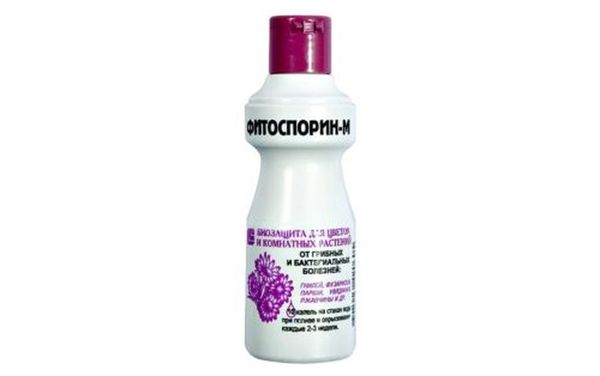
Modern fungicidal products help actively combat downy mildew, including Quadris, Skor, Tilt, Topsin, and Fundazol. Fitosporin M is used prophylactically. This product is very effective at preventing the disease, but is ineffective at combating the disease once it has already manifested. Biofungicidal methods include the use of mullein, as described above.
Prevention
Fungal diseases are much easier to prevent than to treat. Let's start with choosing a location for the bush. Gooseberries should be planted in sunny areas with a low water table and good drainage to prevent powdery mildew from developing. The distance between bushes should be sufficient to ensure good ventilation and soil drainage. They are typically planted in rows 1–1.5 meters apart, with at least 1.5–2 meters between rows.
It's not recommended to plant gooseberries after crops susceptible to the same pathogen, such as jostaberries, raspberries, and currants. Now is the time to choose varieties resistant to fungal infections. Combined with agrochemical measures (timely crown pruning, removal and burning of diseased plant parts, preventative plant treatments, loosening and mulching the soil, and fertilizing with potassium and phosphate fertilizers), this can help combat the disease and produce a bountiful harvest.
Video: "Fighting Powdery Mildew"
In this video, a specialist will talk about effective methods for combating powdery mildew.