
Distinctive features of the Krasnoslavyansky gooseberry variety
Content
Distinctive features
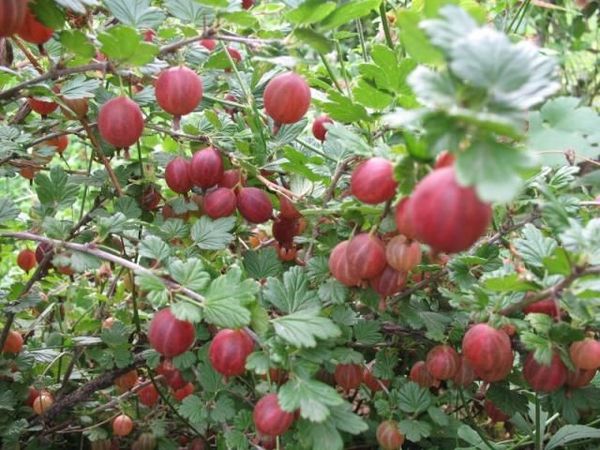
Experts succeeded in developing the new variety by crossing the excellent gooseberry varieties Orion and Avenarius, which were available at the time. The plant is a compact, gently spreading shrub, reaching a height of up to 1.5 meters. Its upright shoots are light brown at the base and light green at the tips. The surface is covered with numerous sharp thorns, so gardeners should exercise caution when harvesting.
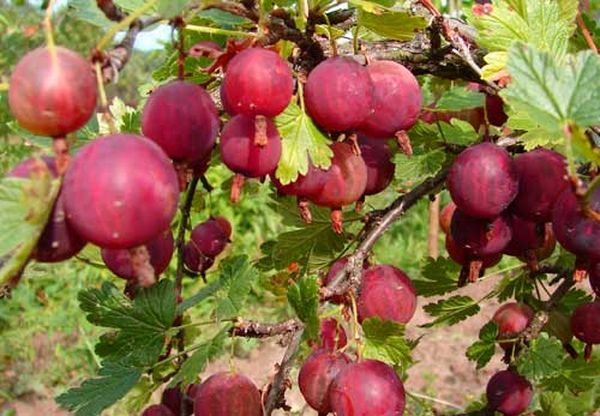
The plant is characterized by small, brown-colored buds. The leaves are broadly rounded, medium-sized, and green. They are borne on thin, medium-length green petioles. The flowers are small and somewhat bell-shaped.
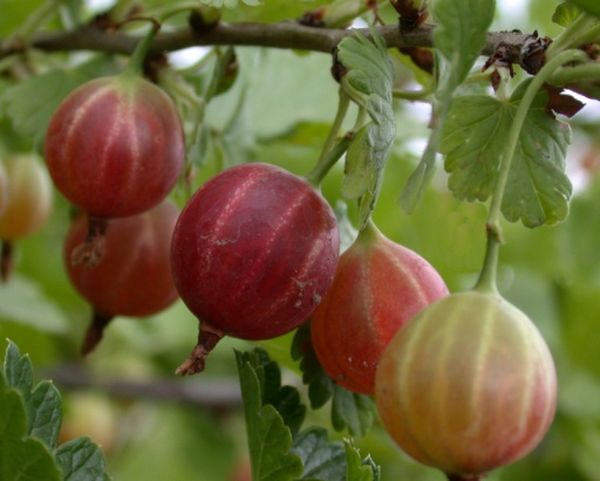
Each berry averages about 4.3 grams in weight. The fruits are round and slightly elongated, dark brown in color. Inside are numerous seeds and juicy, sweet flesh with a hint of tartness.
The Krasnoslavyansky gooseberry variety, described above, also boasts a number of advantages. These include early fruiting, a compact planting habit, and sweet, tender-fleshed berries that are not only beautiful but also withstand transportation without losing their marketable appearance or nutritional value. Disadvantages include numerous thorns on the bush, fruits that do not hold well on the branches after full ripening, and an average level of immunity to dangerous fungal infections.
Landing features
When planting gooseberries, it's highly undesirable to plant them between fruit and stone fruit crops. Raspberries and currants are poor predecessors. Ideal soil for growing gooseberries is rich in nutrients, slightly acidic, with good water retention and aeration, and a groundwater table at least 1.2 meters below the surface. Weeds should be removed from the soil shortly before planting.
Planting is recommended in the fall (late September - early October) or with the arrival of spring. It's best to choose a sunny, wind-protected site for gooseberries. Bushes planted in the shade will not thrive. A gentle slope or elevated site is recommended for growing gooseberries.
Fertilize the soil two months before fall planting. If planting in the spring, prepare the hole in the fall. It should be up to 70 cm in diameter and approximately 60 cm deep. Fill it with the excavated soil, adding two buckets of humus, one bucket of peat, about 200 grams of superphosphate, and 250 grams of wood ash. You can use 30 grams of potassium sulfate instead of the last component. Pour two buckets of water into each hole and cover it with soil.
It's common to spread up to 9 kg of compost per square meter on the plot and till it. One- and two-year-old seedlings are suitable for planting. Ideally, the planting material should have an open or closed root system. For spring planting, it's recommended to purchase seedlings stored in special containers.
Shortly before the scheduled planting, remove any soft tops, damaged, or dry root parts from the shoots. No more than seven buds should remain.
Place the seedling in water for 1 hour, then in a clay slurry. To prepare this yourself, take 10 liters of water, add 1 kg of rotted manure, and 5 g of Kornevin.
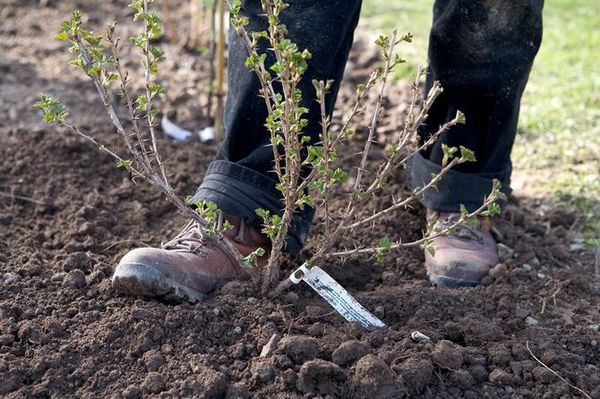
A mound is made at the bottom of the hole. The seedling is placed at an angle, and the root collar is sunk to a depth of 6 cm. After planting, the soil should be tamped down. A small rim is dug around the seedling. Water the seedling with up to 20 liters of water. Mulch with sawdust or dry soil is required. Pruning the seedling is essential. Leave up to 1.5 meters between bushes and up to 3 meters between them and neighboring trees.
Bush care
What does care include? First and foremost, proper pruning is essential. To shape the bush, a classic method is used. In the first year, one-year-old shoots are pruned by a third. No more than four basal shoots are left intact. All damaged, non-viable, ground-level, and abnormally growing branches should be trimmed.
In the second year, shoots of this year's variety are also shortened by a third. No more than eight basal shoots are left. In the third year, pruning is carried out in a similar manner. A bush should normally consist of 10-17 branches of varying ages. Starting in the fifth to seventh year, thinning is recommended. Branches that are already five to seven years old are removed. Pruning is recommended in the fall.
Gooseberries require watering during the growing season. The first watering is done when new shoots are forming (May-June). The second watering occurs when the berries are forming and ripening (second to third ten-day period of June). Pre-winter watering should be done from the third ten-day period of September to the second ten-day period of October. Use 2-6 buckets of water per bush. Mulch should be applied after watering.
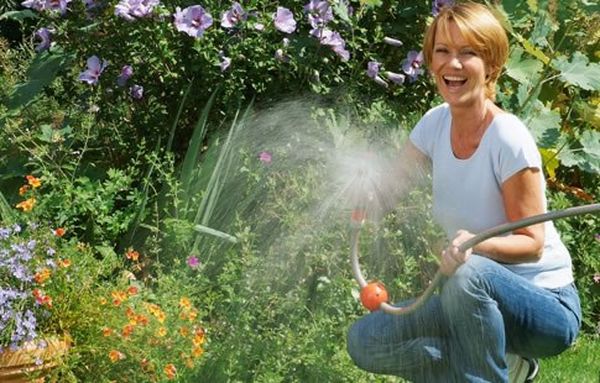
In early spring, shrubs are fertilized by scattering potassium sulfate over the soil surface at a rate of 15 grams per square meter. After the harvest is complete, the crops can be fertilized with complex fertilizers. A mixture of mullein at a ratio of 1:10 or bird droppings at a ratio of 1:20, 10 grams of urea, 8 grams of potassium sulfate, and 20 grams of superphosphate has proven effective. Fertilizing can be started two to three years after planting.
When preparing bushes for winter, you need to collect and burn fallen leaves, treat them with Bordeaux mixture against pests, spray the soil under the bushes with potassium permanganate, prune, fertilize, dig, and create mulch from dry soil or high-quality peat.
Pest and disease control
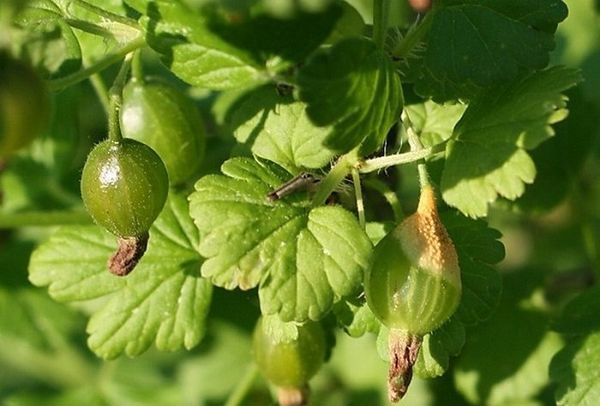
The most common diseases affecting this gooseberry variety are powdery mildew, white spot, and anthracnose. Powdery mildew affects foliage, shoots, and berries, covering them with a white coating. Before bud break, it's recommended to treat the bushes with a copper sulfate solution at a rate of 30 grams per 10 liters of water. During the growing season, use Topaz. White spot appears as gray spots with a dark brown border.
Before bud break, apply Nitrafen at a rate of 300 grams per 10 liters of water. Anthracnose is manifested by dark brown spots. Ten days after harvesting, the bushes should be treated with Bordeaux mixture. 100 grams of the solution is usually diluted in 10 liters of water. Pests that can harm gooseberries include the gooseberry moth, geometer moth, and aphids. Copper sulfate solutions, Metaphos, Nitrafen, Karbofos, and Actellic are effective against these pests.
Video: "Gooseberry Tips"
This video will give you some useful and interesting tips on caring for gooseberries.