
High-yielding, early-ripening gooseberry variety Kolobok
Content
Description
This gooseberry variety was developed by crossbreeding the Pink and Smena varieties. It is recommended for cultivation in regions such as the East Siberian, Volga-Vyatka, and Central regions due to its favorable climate. This variety is a table variety. The berries have an excellent flavor. They can be eaten fresh or used as ingredients in desserts, jams, juices, and baked goods. They can also be frozen for storage.
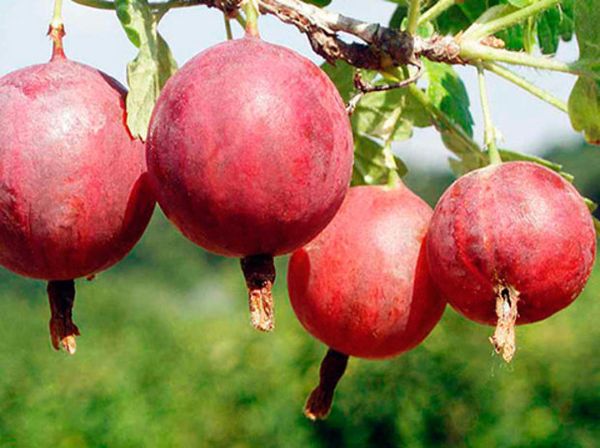
In appearance, the Kolobok gooseberry variety, the description of which is of interest to many gardeners, is a bush reaching about 1.5 meters in height, strongly developed, medium-spreading, and quite dense. The branches are characterized by a small number of thorns, usually located in the internodes. Young shoots are medium-thick, long, prone to bending, and weakly branched. Buds are arranged in pairs. The clustered apical buds are located at the ends of the shoots. The bark of woody shoots is light gray.
Rosehip leaves are large and green, with a glossy surface. The underside is matte and grayish. They are borne on short petioles. The flowers are pinkish-green and grow in clusters. The peduncle is small and forked.
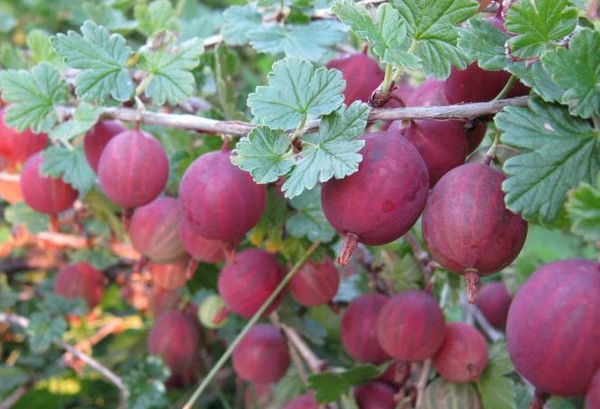
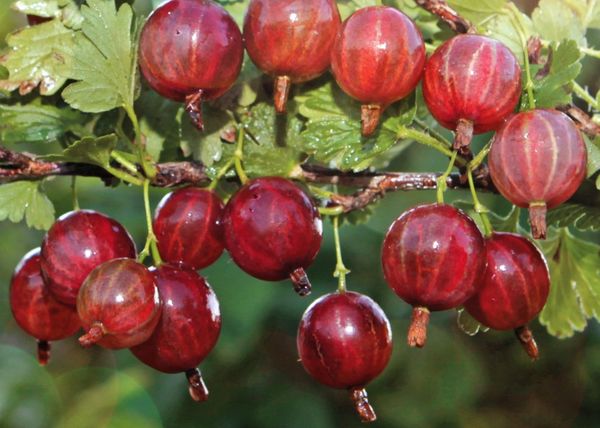
The berries typically weigh between 3 and 7 grams. They are round, slightly elongated, and dark red. The skin is not very thick and has a slight sheen. Inside, the pulp is sweet and sour, juicy, and contains several seeds. The fruit contains approximately 8.7% sugar, up to 25 mg of ascorbic acid, and a small amount of anthocyanins. The berries are not prone to falling off and are easily removed from the branches during harvesting.
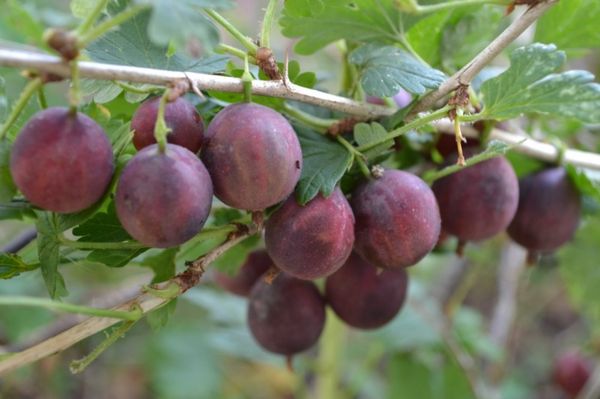
The remarkable gooseberry variety Kolobok boasts many advantages. These include high frost and drought tolerance, high yields, good disease immunity, excellent survival rate of young shoots, and a marketable appearance that remains intact even during transportation. Its disadvantages include dense bushes, which can be easily corrected with timely thinning pruning.
Planting and caring for the bush
Planting should be done in the fall or early spring. Many gardeners plan for the fall to allow the seedlings to establish themselves before frost sets in. In spring, planting is typically done in mid-March. When choosing a site for gooseberries, choose a sunny spot.
Groundwater levels should be at least 1.5 meters below the surface. The soil should be fertile, neutral to slightly acidic, and loose. Raspberries and currants are undesirable precursors for gooseberries.
The planting plan is simple. A hole about 0.5 meters deep and wide should be dug a few weeks before fall planting and one week before spring planting. Ash and compost should be added to the hole. Superphosphate and potassium sulfate are essential in the spring. The seedling should be held upright. The root collar should not be buried more than 7 cm into the soil.
After watering, the bush should be pruned. The shoots are shortened so that each ultimately has no more than six buds. Don't forget to mulch the plantings with humus or peat. This will ensure the soil remains sufficiently moist.
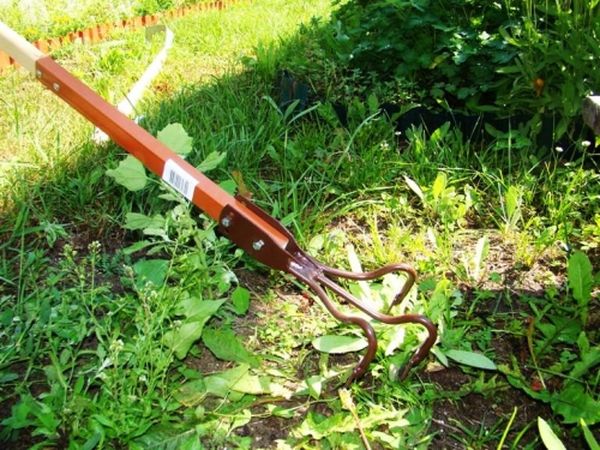
When properly caring for shrubs, weeds should be rigorously removed. If a mulch layer is not available, loosening the soil between rows and around the shrubs is recommended. Watering should be done only as needed, always at the roots. Some inexperienced gardeners use sprinkler irrigation, but this method poses a risk of fungal infections. Full growth and development of this gooseberry variety is impossible without fertilizing.
The use of complex fertilizers is recommended. Once a year, apply 0.5 buckets of compost, about 50 grams of superphosphate, 25 grams of ammonium sulfate, and the same amount of potassium sulfate per bush. Pruning and shaping of the bushes will be necessary. The first pruning is done after planting the seedlings. In the second year, weakened shoots and those growing too close to the soil surface should be removed. In subsequent years, care involves thinning the crown, pruning shoots, and removing basal branches from the area.
Harvesting and storage
The harvest from the bushes can be collected from around July 20th. Harvesting is usually done in special baskets made of chipboard tape, each holding up to 2 kg. If the summer is rainy, the berries should be picked when they have turned pink. Delaying the harvest can cause cracking. Remember that unopened berries cannot be stored for more than 4 days, even if stored in a cool place. They are intended for table use. Gooseberries of this variety make delicious jams, preserves, compotes, baked goods, and desserts.
When storing berries indoors, it's recommended to place them in bags and dedicate a space in the refrigerator. A balcony is also suitable for this purpose. Only dry berries should be stored. The optimal temperature for preserving their appearance and flavor is around -1°C (32°F) and no higher.
Under these conditions, gooseberries can last up to two months. Freezing them lasts even longer, but they lose some of their nutritional value, as they must be defrosted before consumption.
Video: "Summer Gooseberry Care"
This video will show you how to properly care for gooseberries in the summer.