
How and in what ways can you plant gooseberries in early spring?
Content
Spring planting rules
Many novice gardeners are interested in how to plant gooseberries correctly and without unnecessary expense and effort. While there are no complex gardening techniques to follow, there are still a few things to remember. Gooseberries are typically planted much less frequently in the spring than in the fall. Experts say the bush is much more likely to thrive if all the soil work with the seedlings is done in mid-autumn. This way, the plant will establish itself before the cold weather sets in.
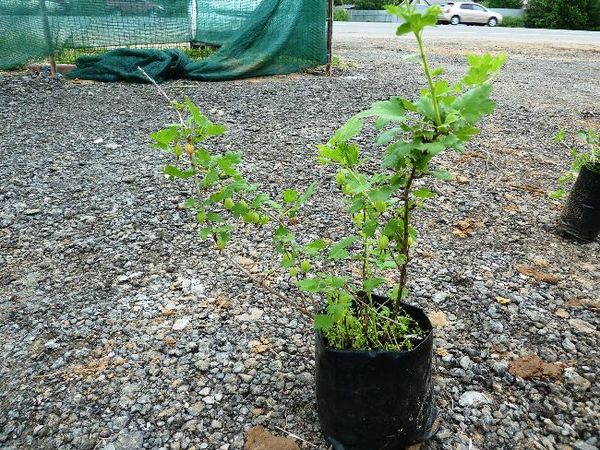
However, spring planting is also practiced. The main thing is to complete the process of planting seedlings in a permanent location before the already planted bushes awaken from winter, and this happens quite early. Follow this key rule, and you won't have to wait long for a harvest. However, planting gooseberries isn't the only important factor. A number of basic steps are also crucial, such as soil preparation, purchasing and processing planting material, and fertilizing the soil before tilling. So how do you do it right?
Selecting a seedling
Knowing when to plant gooseberries will help you plan and carry out all the preparation steps correctly. First, you'll need to purchase seedlings. Gardeners typically buy annual or biennial plants, as they'll root much faster. When choosing planting material, carefully inspect the root system of your chosen specimens. It should definitely include several woody, branched stems. If the rhizome is strong enough, the plant has a good chance of developing into a sprawling, fruitful bush over time.
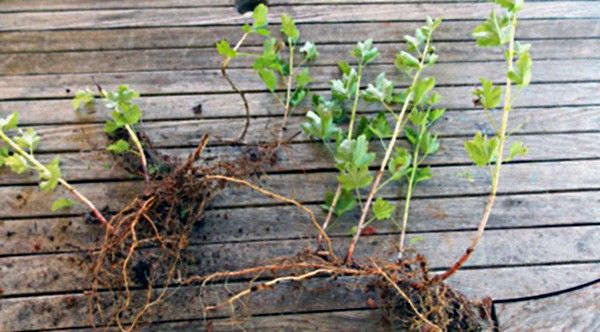
After purchasing the planting material, treat it at home. Damaged or slightly rotted roots should be trimmed to prevent the plant from wasting energy.
What else is recommended? Never leave seedlings outdoors. The root system may simply dry out. It's best to soak them in a growth stimulator for a while before planting. Once you've followed these basic recommendations and prepared the young gooseberry bushes for planting, you can confidently begin digging.
Preparing the tools
Experienced gardeners know how to plant gooseberries indoors in the spring. For novice growers, this process may seem quite labor-intensive. However, it's actually not that difficult if you develop a clear plan and carefully prepare the seedlings and tools for planting.
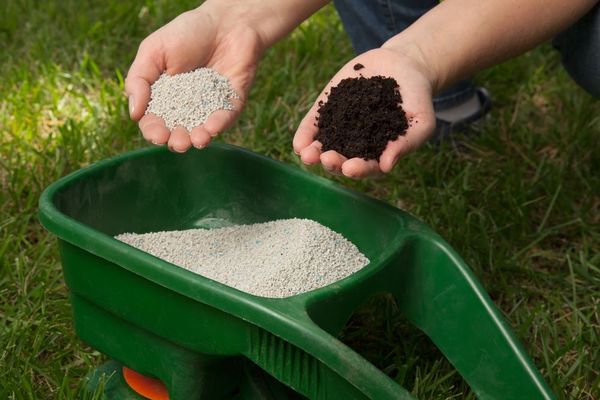
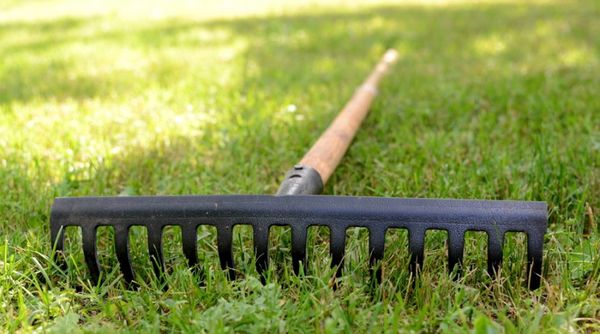
What gardening tools might a farmer need? Whatever you have in your garden. Before planting, the soil will need to be loosened, so a small garden rake is a must. Another essential item: fertilizer. You can buy it at specialty stores, or you can make your own. Overall, there's no need to worry about preparing your gardening tools, as planting gooseberries is effortless.
Choosing a location
To ensure that your gooseberry plantings produce a full harvest and continue to bear fruit for many years, it's essential to consider all the necessary factors for achieving excellent results. This primarily includes not only purchasing seedlings but also choosing the optimal location for the future bushes. Furthermore, if you're planting gooseberries in the spring, you should try to find a site with the best possible conditions for the seedlings to thrive.
What requirements should a site meet for planting gooseberries? It should be gently sloping and level, well-lit, and protected from winds. These are the conditions under which your plant will thrive. Sometimes, farmers living in areas where the groundwater level is too high may encounter a particular problem when growing gooseberries. This is because gooseberries are not particularly moisture-loving, so if the root system is constantly exposed to waterlogged and constantly damp soil, it will simply begin to rot, and the entire plant will soon die.
The optimal option for gooseberries is loamy, non-acidic areas that are characterized by high drainage properties. If desired, you can deacidify the soil by adding a limestone solution. Planting shrubs in sandy or marshy soils is not recommended, as you're unlikely to achieve good results.
Soil preparation
Before planting gooseberry seedlings, carefully cultivate the soil where you plan to grow the bush. First, clear the area of weeds. Afterward, be sure to fertilize the soil. Use manure, humus, or compost as nutrient mixtures. Much depends on the fertility of your soil. If your soil is poor, supplement with organic fertilizers. To do this, add a urea solution, superphosphate, and potassium chloride to the soil.
Sometimes, if the soil is too depleted, but a more suitable location for growing gooseberries cannot be found, be sure to add fertilizer directly into the holes when planting the seedlings. For those planting in unsuitable soil, it is also recommended to add clay (if the soil is sandy) or river sand (if the soil is clayey) to the bottom of the hole. This will fully prepare the site for excavation work.
Correct landing technology
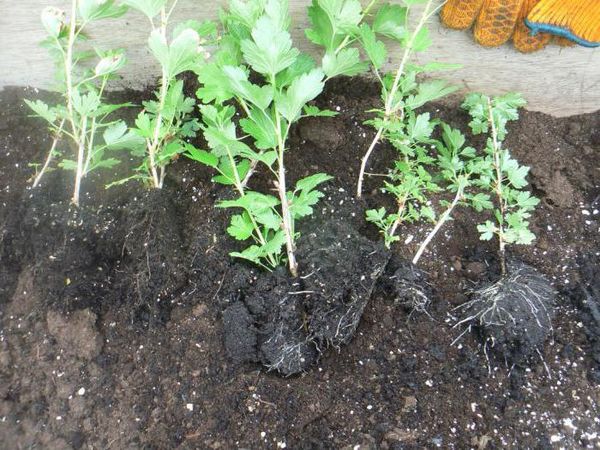
Planting indoor gooseberries in the spring wisely will result in a bountiful harvest. The cultivation techniques you'll need are simple, but the key is to follow a few basic rules:
- Cloudy weather is best for planting seedlings in open ground. It's also advisable to begin this process on windless days, as winds significantly dry out the roots.

- Before planting, you need to inspect the plant’s root system again and trim off any damaged parts;
- The above-ground part of the bush should also be trimmed;
- then place the seedlings in the dug holes and carefully cover them with soil;
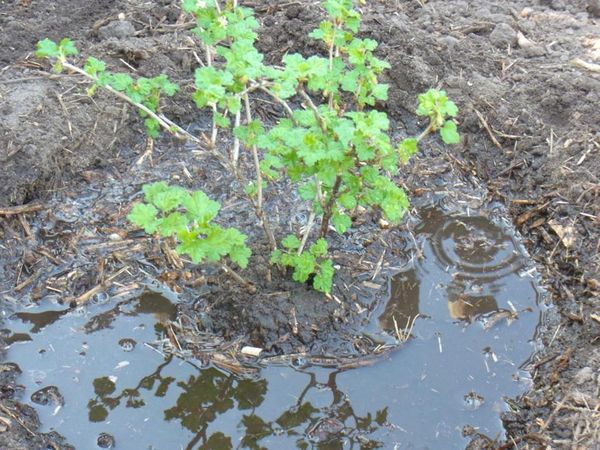
- After planting, pour about 4 liters of water under each bush and sprinkle dry soil on top. This will help retain moisture in the soil longer.
The process of planting young seedlings in a garden isn't particularly difficult. You just need to follow the basic rules and do everything correctly—even a novice gardener can handle this task. After planting the seedlings, all that's left to do is provide the bushes with proper care. Gooseberries are easy-to-grow, but you shouldn't completely neglect them.
Post-planting care
How to care for planted gooseberry bushes? First of all, don't forget to loosen the soil and remove weeds from time to time.
This will ensure the soil is adequately aerated, and the absence of weeds will significantly reduce the risk of disease or pest infestation. Watering is another important step. Avoid overwatering, but if there hasn't been any rain in a while, replenish the moisture in the soil yourself.
It's also crucial to protect gooseberries from diseases and fertilize the soil regularly. Properly fertilizing the soil will prevent the soil around the bushes from becoming excessively depleted. Take care of your indoor gooseberry bush, and you'll eventually reap a bountiful harvest. Furthermore, with proper care, the plant will continue to produce a decent supply of nutritious berries over the years.
Video: Planting and Propagating Gooseberries in Spring
In this video, a specialist will explain how to propagate and plant gooseberries in the spring.