
An amazing hybrid of currant and gooseberry berries
Content
A bit of history
A unique currant-gooseberry hybrid called jostaberry was developed at Max Planck University in Germany in 1970. Its creator was German breeder Rudolf Bauer, who, together with a group of university scientists, devoted several decades to developing this berry.
To create the hybrid, breeders crossed blackcurrant with the common and spreading gooseberries. This cross resulted in a very easy-to-grow, high-yielding crop with large fruits that combine two flavors—currant and gooseberry.
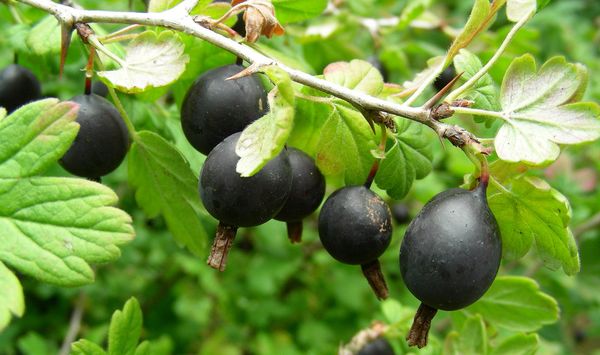
But it wasn't that simple. As early as the mid-20th century, scientists were faced with the task of improving the varietal characteristics of gooseberries and blackcurrants, while preserving all the valuable qualities of both crops and eliminating their main drawbacks, such as susceptibility to disease, low yields, small berry size in currants, and the presence of thorns in gooseberries.
Breeders in many countries crossbred various gooseberry and currant varieties, but their efforts were unsuccessful—all the plants were sterile and could serve only as decorative ornaments. It took Rudolf Bauer and his team over forty years to achieve their goal, and by the early 21st century, the delicious berry, known as jostaberry, was being grown on an industrial scale, and the new currant-gooseberry hybrid became popular with gardeners worldwide.
Description and characteristics
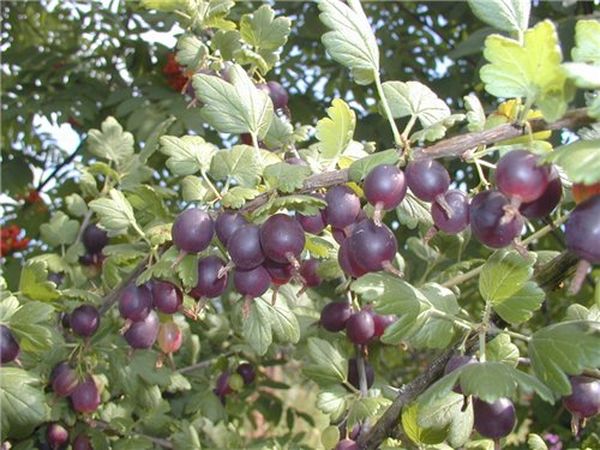
The plant known as yoshta is a perennial berry bush with a fairly vigorous and spreading crown (up to 2 m in diameter). The shoots are tall (about 1.5 m), smooth (thornless), and vigorous. The leaves are small, glossy at the top, dark green, similar in shape to those of currants, but lack the characteristic aroma. They remain attached to the branches until frost sets in.
Jostaberry blooms with bright yellow flowers gathered in clusters. Blooming profusely, the bush is completely covered in fragrant, multiple inflorescences in spring, over which bees flit. Such high ornamental value makes these shrubs often used in landscape design.
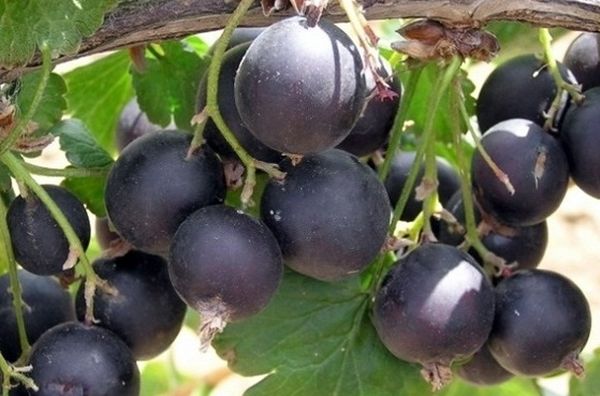
Jostaberries are dark purple, almost black, and quite large (5–6 g), growing in clusters of 5–6. They have a unique, sweet and sour flavor with a musky note of gooseberry and a hint of currant. The pulp contains a high concentration of vitamin C.
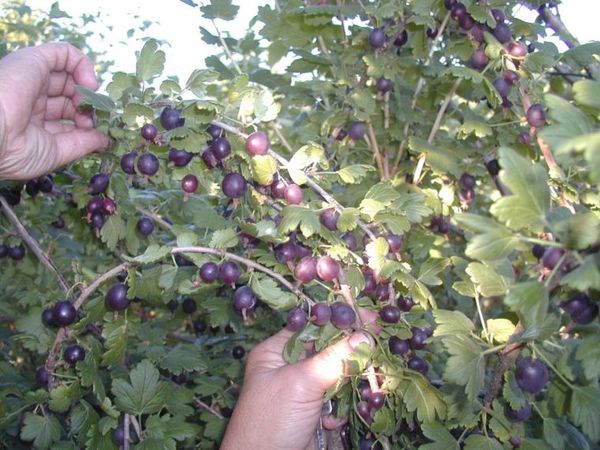
This hybrid is a long-lived berry crop. The bush lives for 25–30 years, 18–20 of which it maintains its peak productivity—10–12 kg per bush. The berries are easily transported and retain their nutritional properties for a long time. Among its advantages are its unpretentiousness to conditions and climate, and its high resistance to cold and diseases, including fungal ones.
Features of cultivation
Jostaberry, like its parents, prefers sunny, wind-protected sites with fertile, organically rich soil. Placing the bush in full sun is essential for high yields. Even in light partial shade, its productivity can decrease significantly, and the berries themselves will lose their flavor. The best companions for jostaberry are currants and gooseberries. All three crops benefit from this combination, as cross-pollination will improve the quality and size of their fruits.
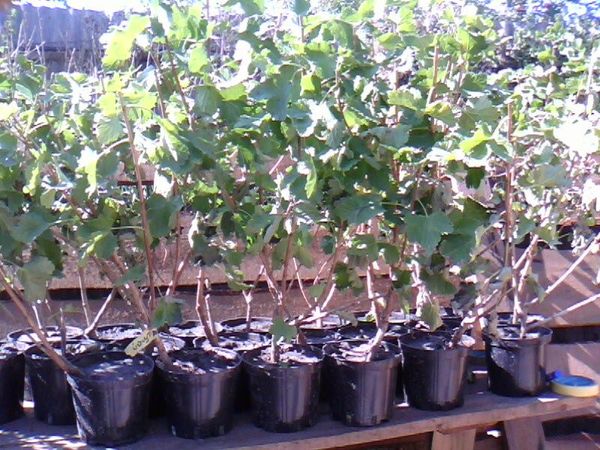
Seedlings can be planted in spring or fall—for this crop, it doesn't matter. Potted plants can be transplanted throughout the warm season. Since jostaberry bushes are quite large, they should be planted at least 2 meters apart—this is if the goal of growing the crop is to harvest berries. If the bushes are being planted as a hedge, the distance between them can be 60–70 cm, but then a harvest cannot be expected.
This hybrid is characterized by a very powerful root system, which requires ample space to fully develop. Therefore, planting holes should be wide and deep enough (50–60 cm) to allow the roots to comfortably accommodate. Before planting, it is recommended to dip the roots in a clay slurry to ensure a firm grip of the soil around the roots.
To ensure good seedling growth, add fertilizer to the planting hole: 2 kg of humus or compost and a handful of superphosphate. After planting, it is recommended to cover the tree trunks with a layer of mulch.
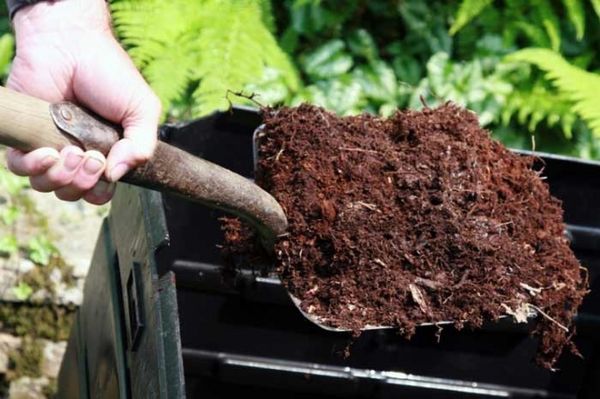
In well-fertilized soil with a neutral pH, the shrubs quickly establish themselves and begin to bear fruit in about two years. For a good yield, they need to be fed periodically. Before fruiting begins, simply adding organic matter (compost, humus) to the tree's trunk in early spring and fall is sufficient. In subsequent years, potassium fertilizer should be added along with the organic matter in spring and shortly before fruiting begins.
Reproduction and care
Jostaberries can be propagated using all methods available for berry bushes: cuttings, root suckers, or layering. However, when choosing a propagation method, it's important to consider the specific characteristics of the variety. For example, some varieties produce many suckers, while others produce none at all, but root well from layering.
The easiest way to increase the number of shrubs is by root suckers. If sufficient numbers of them form, then in the second half of summer, when the shoots reach a height of 15–20 cm, they should be carefully separated from the mother bush and transplanted to another location.
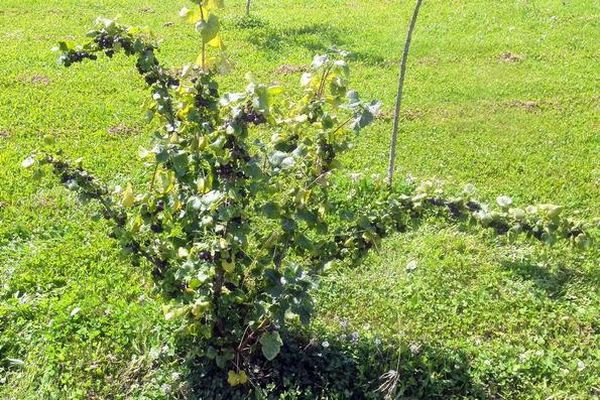
If the bush doesn't produce suckers, or has very few, young one-year-old cuttings can be used. To do this, select strong branches from the lower part of the bush in the spring, press them to the ground, and secure them (pin them) in several places. Cover the joints with soil, and moisten the cuttings periodically. Under these conditions, rooting occurs within 1–2 months, after which the resulting shoots can be separated and replanted.
An equally promising method of propagation is cuttings. Cuttings 15–20 cm long are taken in the fall (September) from young shoots. It is important that each cutting has at least 3–4 growth buds. The cuttings are planted in moist soil at a slight angle, so that 2–3 buds remain above the surface.
Before the onset of cold weather, the cuttings are covered with a layer of spruce branches and left to overwinter. Some gardeners take the cuttings in the fall, wrap them in plastic, and store them in the refrigerator. In the spring, they plant them in thawed soil, covered with plastic bottles. Both methods result in an 85–90% survival rate.
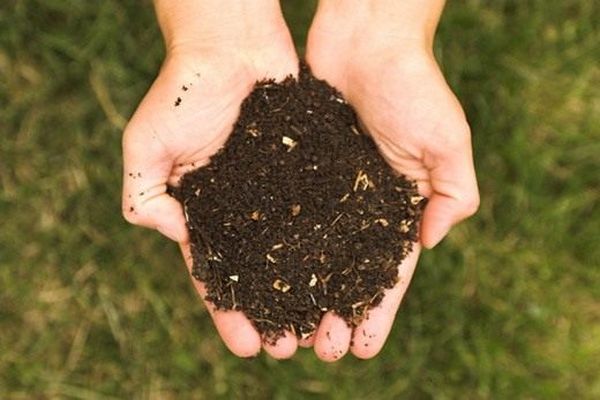
Hybrid shrubs are not demanding in terms of care, but a basic minimum is still necessary. Covering the tree trunks with organic mulch will eliminate the need for regular weeding and soil loosening, reduce the need for watering, and provide an additional source of nutrition for the plants.
The mulch layer needs to be renewed periodically, as organic matter decomposes quickly. Only young seedlings require regular watering; mature plants should be watered only during extreme heat.
Fruit-bearing shrubs require potassium fertilizers—their productivity and the quality of the harvest depend on it. In the spring, in addition to organic matter (0.5 bucket of compost), add 20 grams of superphosphate and potassium sulfate to the tree trunks. Organic farmers can use 0.5 liters of ash instead of mineral fertilizers. You can also water the bush with an ash solution shortly before the fruit begins to ripen. In the fall, before wintering, the tree trunks should be covered with a layer of organic matter (peat, compost).
Shrubs don't require special formative pruning unless they are decorative elements in the landscape. Simply regularly remove diseased or damaged branches, as well as shoots older than seven years, as they rarely bear fruit. A properly formed bush should have 18–20 branches. If desired, you can trim the tops of the shoots by a third in the spring—this will make the bush more compact and even, adding a unique decorative touch and a cozy feel to your garden.
Video: Planting and Caring for Yostaberries
In this video, a specialist will talk about an unusual currant and gooseberry hybrid – yoshta.