
Light-loving, high-yielding gooseberry of the Finnish variety
Content
Distinctive features of the variety
First of all, this variety produces a bountiful harvest when the farmer provides proper care. This gooseberry will thrive even in areas with cold winters, as it can withstand even severe frosts. As for diseases, the plant is particularly resistant to powdery mildew.
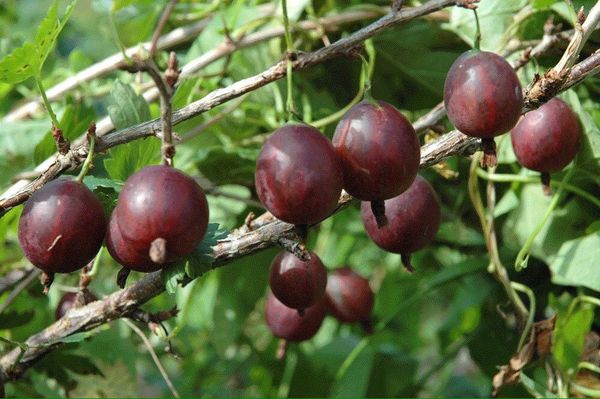
What other considerations should a gardener consider when growing this Finnish variety? The bushes grow gently spreading and not too tall. The leaves are oval in shape and a dark shade of green. This plant blooms in May.
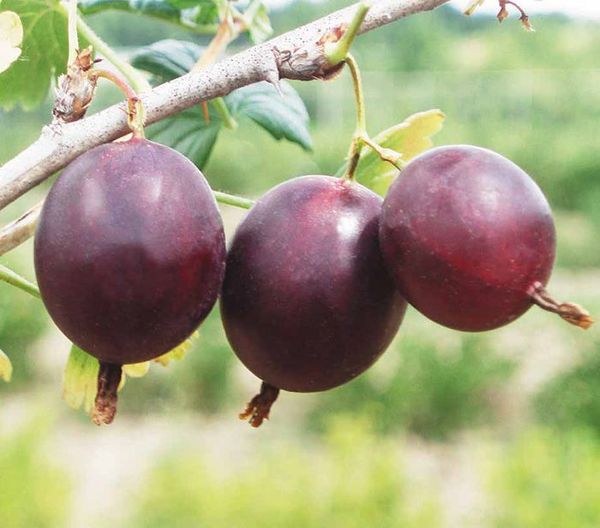
With proper cultivation, you'll get yellow, thin-skinned berries in your garden. Their flavor deserves special attention: a distinct sweetness with a slight tartness that every gooseberry lover will appreciate. You'll be able to harvest a full crop by mid-summer, as this variety is a mid-season berry bush.
Remember: if you plant seedlings in open ground, you won’t be able to taste these nutritious berries in the first year. Moreover, some experts recommend removing flowers and fruit buds entirely during the first spring-summer season to allow the bush to establish proper roots rather than expending energy on ripening fruit. However, gooseberries begin to bear fruit actively in the second or third year after planting.
Planting and care
Like most gooseberry varieties, the Finnish gooseberry is planted both in the fall (late September) and in the spring (before similar shrubs begin to bloom). To ensure your soil cultivation is effective, soak the root system of the seedlings in a special growth stimulant solution for at least 24 hours. This will encourage the plant to root and grow much more vigorously.
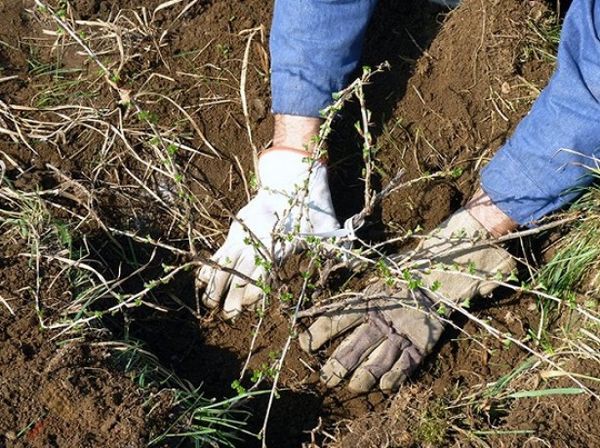
How do you plant this gooseberry? It's quite simple. Dig holes in the area you've chosen. If you already fertilized the open ground in the fall, you don't need to add more during planting.
Remember, after you've placed the seedlings in the holes, carefully and gently spread out their root system, then gradually fill them with soil, always watering them. This process should be done gradually to compact the soil and ensure there are no gaps between the soil layers.
So, what does caring for Finnish gooseberries involve? It involves a set of basic agricultural practices that almost every gardener knows. First and foremost, established seedlings need to be watered periodically. It's also crucial to loosen the soil around the bushes and remove weeds. A separate, but no less important, step in ensuring proper care for this berry bush is protecting the plant from all kinds of diseases and pests.
Selecting a location and soil
Every gardener should consider not only purchasing high-quality gooseberry varieties but also choosing the right planting site. What's the first thing to consider? Start by choosing a well-lit, wind-protected spot for your gooseberry seedlings.
Bushes of this plant can be safely planted even near a hedge. Another important point: the soil should be well-fertilized, but not too wet. If the shrub's root system is constantly damp, it will simply begin to rot.
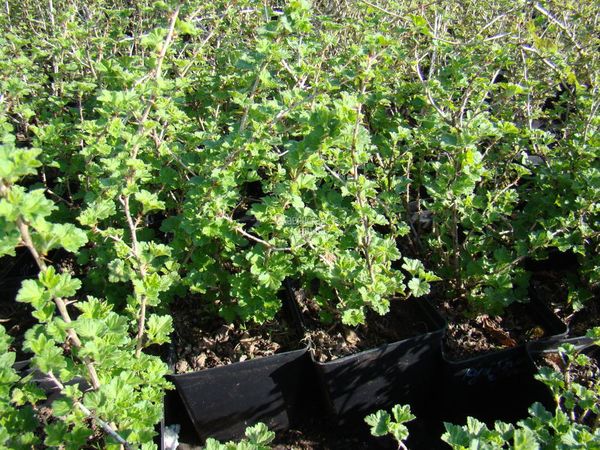
Choosing a location for gooseberries can sometimes be a real challenge for farmers. This is because not all garden plots have enough space for bushes. If this is your situation, you can plant gooseberry bushes between fruit trees. However, remember that the plants must have access to sunlight, otherwise all your efforts may be in vain.
Watering and fertilizing
It's best to be careful when watering the soil around Finnish gooseberry bushes. It's crucial that the groundwater level isn't too high, otherwise your plant won't be able to thrive. As for fertilizing, it's not enough to simply apply fertilizer in the fall while preparing the area for planting gooseberry bushes.
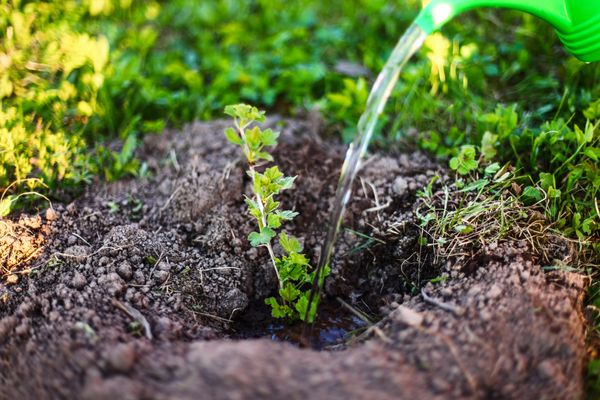
Foliar feeding is another key consideration. Certain rules must be followed, and nutrient mixtures should not be added to the soil haphazardly, but rather systematically, using the following steps:
- The first feeding is done when the first leaves begin to form on the bush. The solution should include urea and nitrophoska;
- The second stage should be carried out during the bush's flowering period. Potassium sulfate and special fertilizers for gooseberries can be used as a nutrient mixture;
- The plant will need a third feeding during the period of active energy expenditure (during fruit formation). Nitrophoska and potassium humate are the key components of this next vitamin solution.
Carry out all stages of fertilizing shrubs correctly – and you will get excellent results.
Trimming
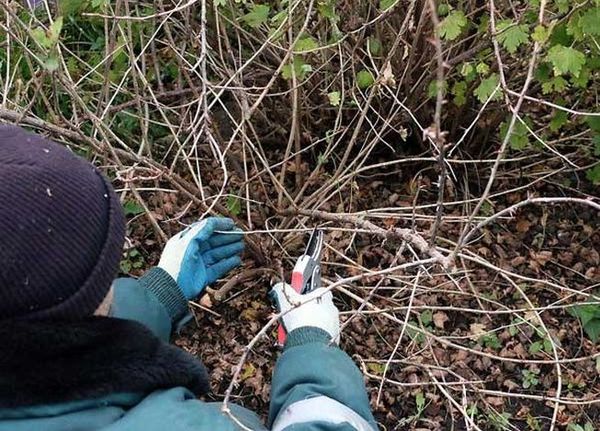
Initially, pruning is done to ensure the young shrub develops properly. However, after the first three years of growing the plant in your garden, the main goal of pruning becomes reducing the bushiness. Remember to remove old and dry branches, broken and damaged shoots.
Follow this key rule: branches older than 5–6 years will no longer bear fruit fully, so they can be removed without regret. Some farmers prune shoots not only in early spring or late fall, but also in the summer. They cut off the tips of green shoots to allow the bush to develop large berries.
Crop yield indicators
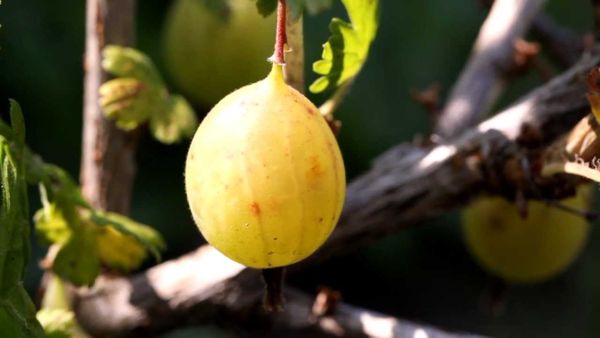
The Finnish gooseberry variety is an ideal choice for gardeners who plan to grow this plant in moderate climates. It tolerates winter frosts well and is also tolerant of summer drought. In terms of yield, this plant is considered a medium-yielding variety. However, with proper care, you can harvest quite large berries.
Follow the basic recommendations from experts, and this type of bush will be the optimal choice for you. Grow large, nutritious gooseberries in your garden, which you can then not only eat fresh but also use in various dishes.
Video: "Secrets of Growing Large Gooseberries"
This video will show you the secrets of growing large gooseberries.