
A favorite guest on the table is the Black Negus gooseberry variety
Content
Characteristic
This variety was developed at the Michurin All-Russian Research Institute of Crop Breeding through interspecific hybridization of the European gooseberry variety "Anibut" and the wild American gooseberry "Krasilny." Why was it necessary to mix such different and distinct species? The origin of this variety has its own fascinating history.
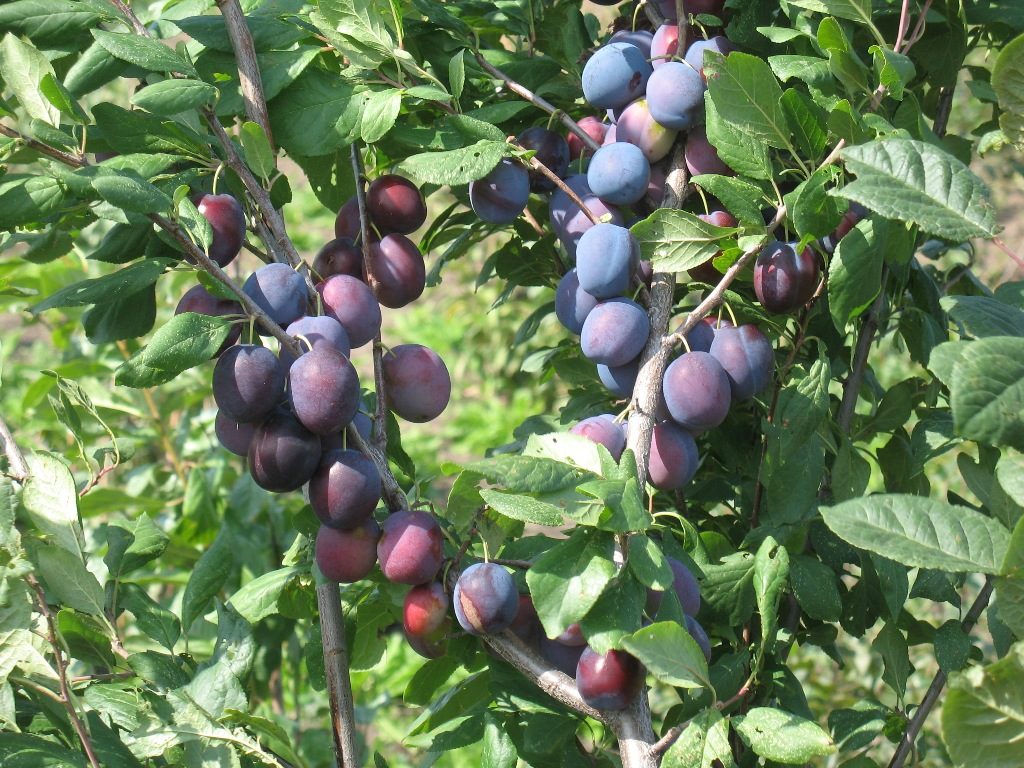
At the beginning of the last century, gooseberries were the most popular berry crop in Great Britain, and English breeders developed numerous excellent varieties distinguished by their superb flavor and impressive berry size. But soon, American varieties were brought to Europe, introducing the most devastating disease to gooseberries—American powdery mildew, also known as sphaerotheca—to gardens.
Within a few years, European gardens were practically deprived of this valuable crop, and American gooseberries lacked the flavor to replace the lost European varieties. So I.M. Michurin decided to crossbreed the exceptionally spheroteka-resistant American gooseberry with a European variety with excellent flavor. This experiment resulted in the creation of the dark gooseberry cultivar Black Negus, followed by several other similar hybrids.
I.M. Michurin hoped to use this hybrid as a basis for developing new promising varieties, but gardeners were so taken with the original taste of the dark, waxy-coated berries that the variety became a permanent fixture in private gardens and came to be considered an original plant, rather than a "semi-finished product" for breeding other hybrids.
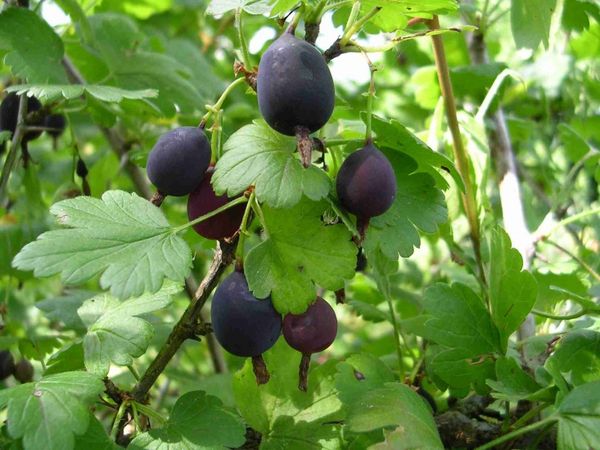
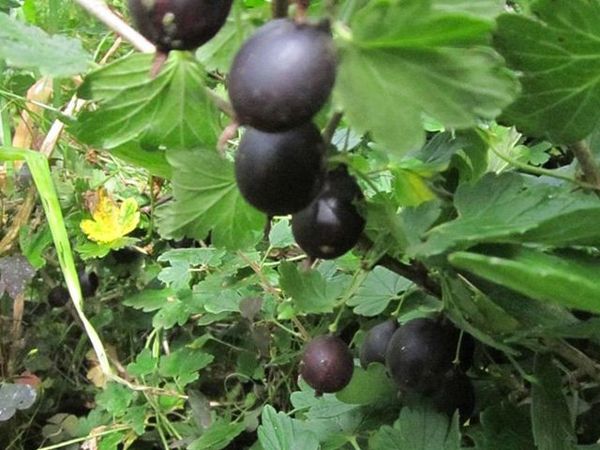
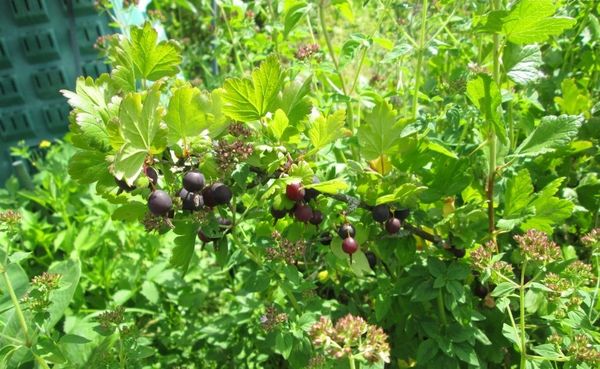
The berries of the Black Negus are truly almost black, very aromatic, with a smooth, slightly matte skin, and a delicious, sweet and sour dark red flesh, which is rare for gooseberries. During the fruiting season, they densely cover the branches of the bush, giving it a particularly attractive appearance. Although not very large (2-2.5 g), the fruits have a good marketable appearance, remain on the bush for a long time, and do not fall off even when overripe.
This gooseberry bush is voluminous, tall (up to 2 m), and spreading. The shoots are strong, arching, and covered with sharp, long (up to 2 cm) thorns inherited from the American wild variety. The berries ripen simultaneously, from late July to the first ten days of August. This plant is well adapted to cold conditions, easily tolerates spring frosts, and has strong immunity to powdery mildew and other fungal diseases.
Planting bushes
Although spring planting is possible, it's best to plant Black Negus seedlings in the fall, 1-1.5 months before the onset of frost. In temperate climates, mid- to late September is considered the most favorable time for planting. Gooseberries are very sun-loving, but this variety can tolerate light partial shade if full sun is not possible.
The plant isn't picky about soil composition and can thrive and bear fruit in any soil except heavy clay. When choosing a site, consider the terrain. It's best to plant gooseberries on a flat or slightly elevated surface. Avoid low-lying areas or areas with a shallow water table. Loose, fertile loamy or sandy loam soil enriched with organic matter is considered ideal for growing gooseberries.
Shortly before planting, the area should be thoroughly dug over and completely cleared of weed roots, especially leeks. This weed tends to grow quickly and vigorously, and since Black Negus bushes are very thorny, removing weeds from beneath the bush will be difficult, so it's important to ensure the area around the trunk is kept clean in advance.

During digging, compost or humus can be added to the soil at a rate of 4-6 kg/m². If this isn't done, a fertilizer mix consisting of 0.5 buckets of organic matter, 60 g of superphosphate, and 20 g of any potassium fertilizer should be added to the planting hole.
It's best to use one-year-old seedlings for planting. They don't require a large planting hole—a depth of 50 cm and a width of about 40 cm is sufficient. When planting in groups, maintain a distance of 1.5-2 m between plants. The bottom of the hole should be thoroughly moistened, then a small mound of soil should be added.
The seedling's roots should be dipped in a clay slurry and placed in the hole at a slight angle so that after filling with soil, the root collar is buried 5-6 cm deep. After planting, the seedling's shoots should be trimmed, leaving 4-5 buds.
Care instructions
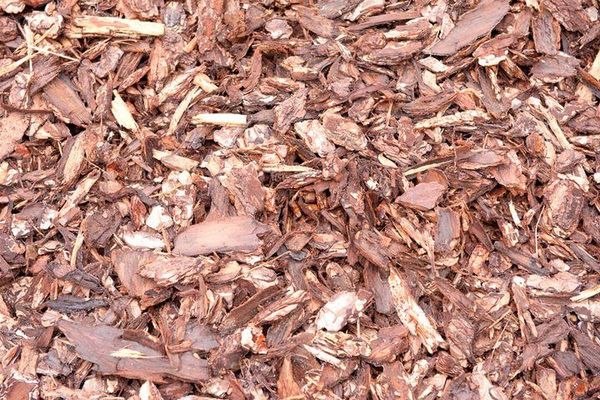
This gooseberry variety is exceptionally hardy and undemanding, but to prolong its life and fruiting, a number of standard care measures are necessary. Since access to the mature bush is limited, it is recommended to cover the area around the trunk with mulch to reduce the need for frequent weeding and hoeing.
Fruit-bearing bushes only need watering during hot summers. If there's no rain, water at the end of flowering, then during fruit formation. Also, don't let the roots dry out over the winter—in the fall. About a month before wintering, gooseberries should be watered generously, at a rate of 3-4 buckets of water per bush.
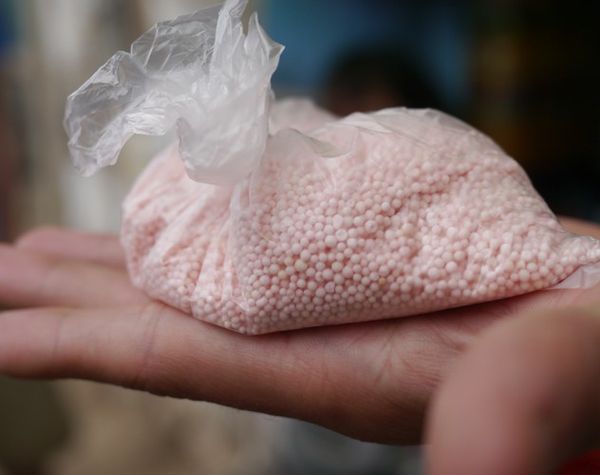
To ensure good fruiting, gooseberries require periodic feeding. During the first year, if sufficient fertilizer was added at planting, additional feeding is not necessary. Subsequently, fertilizer should be applied twice a year, in spring and fall. In early spring, nitrogen is added to the soil in the form of ammonium nitrate, urea (15-20 g/m²), or humus (5-6 kg/m²). In the fall, each bush should be fertilized with superphosphate (30 g), potassium sulfate (20 g), and humus (5-6 kg distributed around the trunk).
Annual pruning is a necessary maintenance procedure for gooseberries. Given the excessive thorniness of the Black Negus, formative pruning is difficult, so it's important to remove at least small shoots that can lead to overgrowth, as well as old, unproductive shoots older than seven years. In the spring, if possible, shorten the shoot tips by about a third of their length.
Advantages and disadvantages
Undoubtedly, this variety has many virtues, otherwise it wouldn't have enjoyed such popularity for so many decades. What is it about the "Black Negus" that attracts gardeners and lovers of this healthy berry?
Advantages of the variety:
- an original dessert taste, rated at 4.7 tasting points, thanks to which the berries are widely used in cooking - they make very tasty and richly colored jams, preserves, juices, and wine;
- The vitamin composition and medicinal properties of the berries are also important, as black gooseberry varieties are of particular value in folk medicine;
- good winter hardiness allows this variety to be grown not only in the central zone, but also in colder regions of Russia;
- abundant and regular fruiting of the bush for 15-18 years, starting from the second year of life;
- excellent transportability and preservation of fruits - in cool conditions they can be stored for up to 3 weeks;
- immunity to diseases, especially powdery mildew – the most insidious enemy of gooseberries.
The only drawback is the presence of numerous sharp thorns, which significantly complicate harvesting and maintenance. However, if you're optimistic, you can turn this disadvantage into an advantage by planting gooseberry bushes as a reliable hedge.
Video: "Gooseberry Planting Guidelines"
This video will teach you the basic rules for planting gooseberries.