
How to treat gooseberries against powdery mildew in early spring
Content
Features of the disease
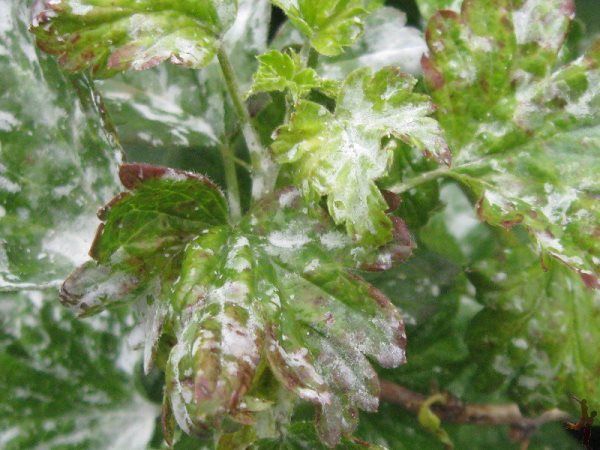
A common gooseberry disease that causes a characteristic white, mossy growth on the plants is called sphaerotheca. It's commonly known as powdery mildew. This disease invariably causes significant damage to all parts of the bush, affecting shoots, leaves, fruit buds, and even the beloved berries.
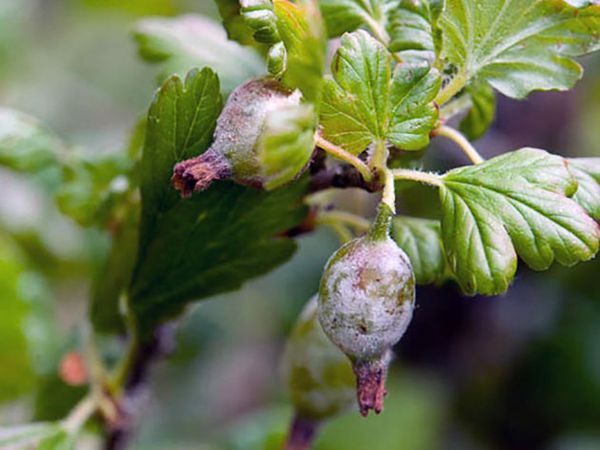
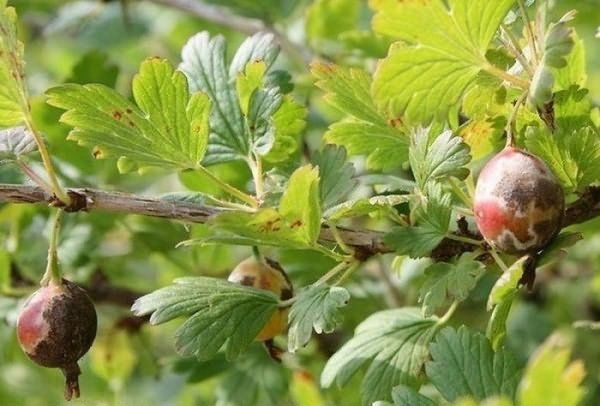
Gradually, the white coating transforms into a brown crust, which covers the surface of the fruit in spots. Excessive heat and humidity are favorable conditions for the spread of fungal spores. The disease peaks in June. The infection is caused by a genus of fungi that typically releases spores in spring and summer. These spores typically spend the winter in the litter. Therefore, it is necessary to treat not only the bushes themselves but also the soil around them.
Fungal spores are usually carried by the wind, infecting more and more crops. They are also spread by insects. Today, breeders have developed a large number of gooseberry varieties with strong immunity to powdery mildew.
Danger to gooseberries
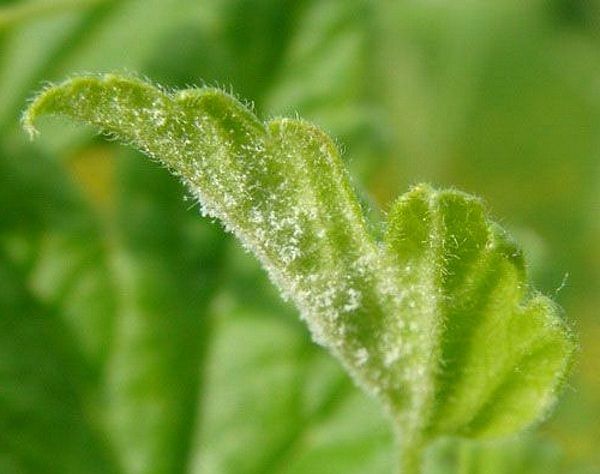
Experts believe that if the disease is treated promptly, it can be eradicated quickly and easily without significant negative consequences for the shrubs. The disease poses a threat to plants because the leaves and fruits gradually dry out. The berries become unfit for consumption, making it impossible to even think about harvesting a normal crop.
The disease can destroy not only young shoots and fruits but also lead to the death of the entire shrub. The fungus also overwinters well in parts of the shrub, and in the spring, it begins to shed spores, infecting neighboring crops.
For this reason, experienced gardeners prefer to prevent powdery mildew. This involves following simple agricultural practices. For example, it's recommended to plant cuttings in sunny areas with a low groundwater table. Bushes should be planted at a distance of up to 1.5 meters, with row spacing no more than 2 meters. This will allow the soil to dry properly. Berry bushes are poor predecessors to gooseberries, as they share viruses with raspberries and currants.
Selecting varieties with good resistance to fungal diseases, weeding and burning fallen leaves, pruning the crown, creating mulch and so-called root loosening, applying fertilizers high in potassium and phosphorus, and treating the soil with simple boiling water, folk remedies, and fungicides also help.
Treatment with folk remedies
Many gardeners are wondering how to treat gooseberries against powdery mildew in the spring without causing harm. There are a number of folk remedies, simple yet highly effective, proven by generations of gardeners. First, remove damaged leaves and branches from under the bushes.
Because they provide a favorable environment for the spread of fungal spores, it is recommended to treat gooseberries against powdery mildew three times. The first treatment is planned for before flowering, then immediately after, and shortly before the leaves begin to fall. It is best to soak the bushes rather than spray, paying particular attention to each branch. Mullein, boiling water, ash, and baking soda are excellent remedies against this fungal disease. Let's look at each of these in more detail.
Mullein
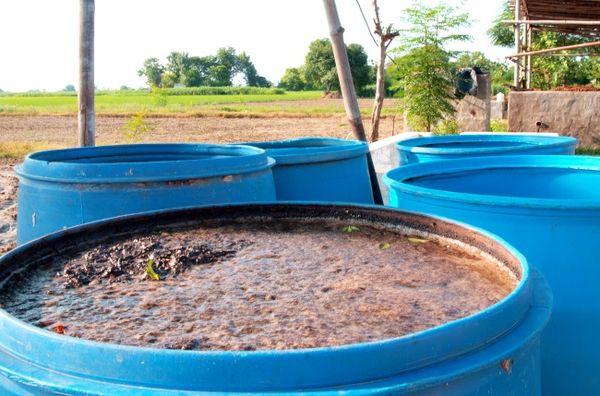
This solution is best applied to bushes before they begin to bloom. It can also be used after flowering and before leaf fall. You can prepare the solution yourself. Even a novice gardener can handle it. Dilute the mullein with water at a ratio of 1:3. Then, let it steep for three days. Then dilute it again with water in the ratio specified above. Strain the solution before using. The finished solution should be the color of weakly brewed tea.
Boiling water
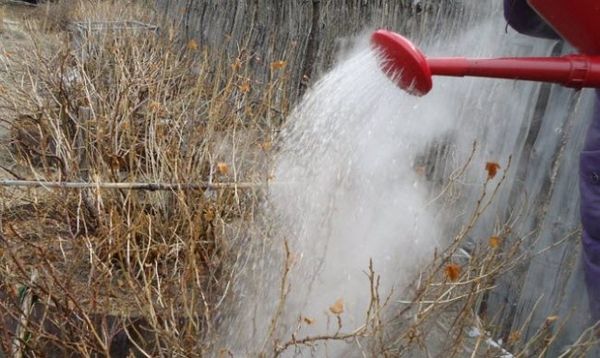
What's surprising is that ordinary water can sometimes combat powdery mildew, which often affects gooseberry bushes. But it must be brought to a boil. In early spring, before all the snow melts, bushes need to be doused with boiling water. Gardeners use a regular watering can for this. High temperatures are fatal to fungal spores. Therefore, the disease often subsides after treatment with boiling water.
Ash
Wood ash is a proven remedy for treating powdery mildew. It not only kills fungal spores and provides reliable protection against attacks by moth caterpillars, snails, slugs, aphids, and sawfly larvae, but also neutralizes soil acidity. Ash is also an excellent source of phosphorus, calcium, and potassium.
Dry ash is typically applied in early spring, after being sifted through a sieve. Spraying is typically done over the crown of the plant at a rate of 10–20 grams per bush. Dry ash is also recommended for use in spring or fall, along with routine soil tilling. Sprinkle the powder directly under the roots at a rate of no more than 300 grams per square meter. After scattering the powder, it is recommended to water it and sprinkle a thin layer of soil on top. This ensures that the product has penetrated the soil well.
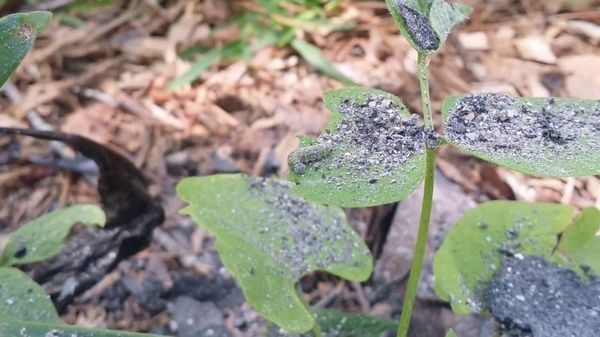
Twice a month during the season, it's customary to use an ash infusion. Making it yourself is easy. Simply pour boiling water over the powder and let it steep for 5 days. Be sure to strain the mixture before use.
Spray the branches and shoots of the shrub with the infusion. To prepare the solution, use 300 grams of ash per liter of water. It is recommended to spray the ash solution only on a dry, windless day.
It's best to schedule the treatment for the evening. Dry ash should be applied to the soil after the snow has melted. Store the ash in a tightly sealed container or under a canopy. The key is to keep the area dry. This will allow you to preserve the product until next year.
Soda
Experienced gardeners also use washing soda, a product well known to them. When treating shrubs with this solution, it's important to follow a few rules. Shrubs should be treated with it before and after flowering. To prepare, take about 50 grams of washing soda and add it to a small amount of boiling water. Then, add more liquid to bring the solution to a volume of approximately 10 liters. Don't forget to add about 10 grams of any liquid soap you have at home.

A combination of baking soda and aspirin is also effective. Take 1 tablespoon of baking soda, 1 teaspoon of dishwashing liquid, and 1 tablespoon of vegetable oil. Dissolve all these ingredients in 4.5 liters of water. In practice, liquid soap is often used instead of dishwashing liquid. The resulting mixture can be used to treat gooseberry bushes throughout the season, once every couple of weeks.
Treatment with chemicals
Modern science makes life easier for gardeners. Because traditional methods aren't always effective, many gardeners prefer to use chemicals to combat the disease. If characteristic signs of the disease are detected before buds begin to open, products such as copper sulfate solution, Nitrafen, Topaz, and Fundazol are recommended. These products should be applied not only to the shrubs but also to the surrounding soil.
When preparing solutions, exercise caution. It's best to work with gloves, protective clothing, a respirator, and goggles. Use separate containers, and bury any remaining solutions away from the garden.
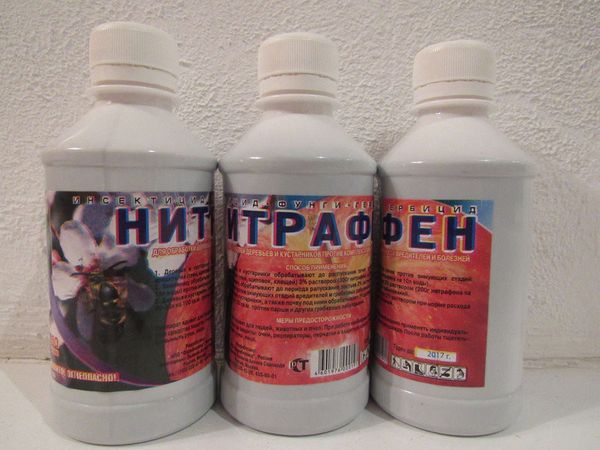
Fungicides should not be used during flowering and early fruiting. If the disease attacks crops during this period, it is recommended to cut off the affected parts of the bushes and burn them. Radical chemical control of the fungus can be undertaken in the fall. This is done after the harvest of favorite berries. Biofungicides are also known to be effective in controlling the disease even during fruiting. They are safe for gooseberries and other berry bushes.
When choosing a plant treatment, consider the growing season. For example, copper sulfate can be used before bud break at a rate of 80 grams per 10 liters of water. It should be sprayed on all branches of the plant and the soil beneath the bushes. Alternatively, ferrous sulfate can be used at a rate of 30 grams per 10 liters of water. During bud formation, copper oxychloride should be used at a rate of 30 grams per 10 liters of water.

This solution should be used for spraying berry bushes. After flowering, it is recommended to use Bordeaux mixture, a well-known remedy for gardeners. It is recommended to spray twice, with a mandatory one-week interval. Popular biofungicides against powdery mildew include Planriz, Gamair, Fitosporin-M, and Pseudobacterin-2. Excellent modern fungicides include Quadris, Fundazol, Fundazim, Topaz, and Bayleton.
Video: How to Fight Powdery Mildew
In this video, a specialist will explain how to combat powdery mildew on gooseberries.