
Delicious and healthy gooseberry variety Beryl
Content
Characteristic
The gooseberry variety "Beryl" was created by V.S. Ilyin, Doctor of Agricultural Sciences and a researcher at the South Ural Research Institute of Fruit, Vegetable, and Potato Growing. It was the result of crossing two domestic varieties, "Malakhit" and "Samorodok." "Beryl" is a mid-season variety, harvested in July. It is frost-resistant, making it recommended for cultivation in Western Siberia. It easily tolerates winter temperatures down to -30°C (-32°F), and even more severe frosts in snowy winters.
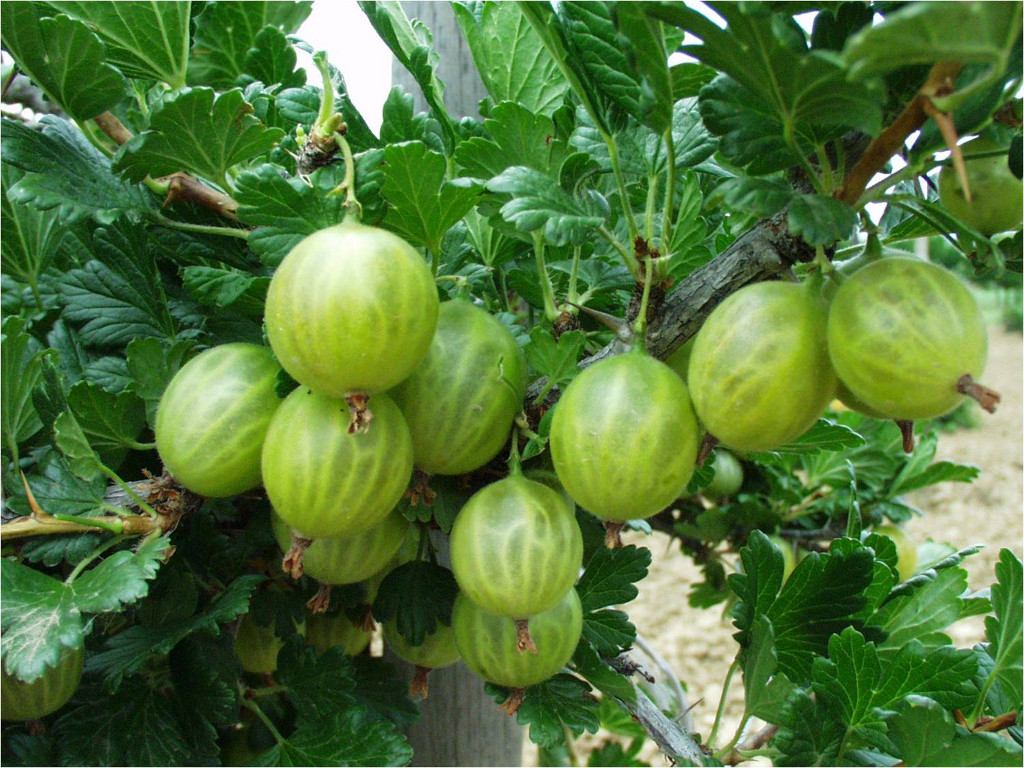
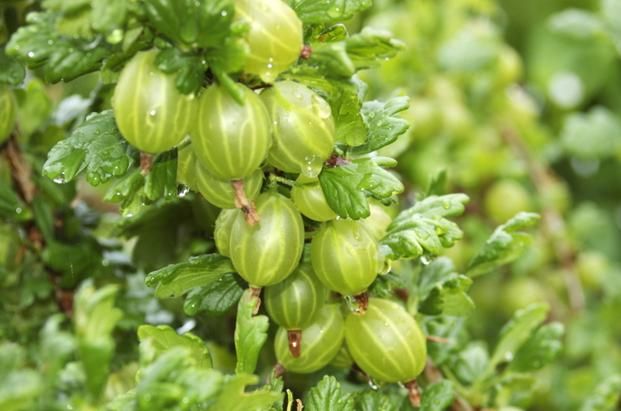
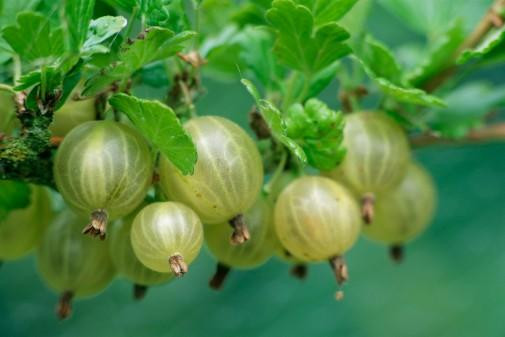
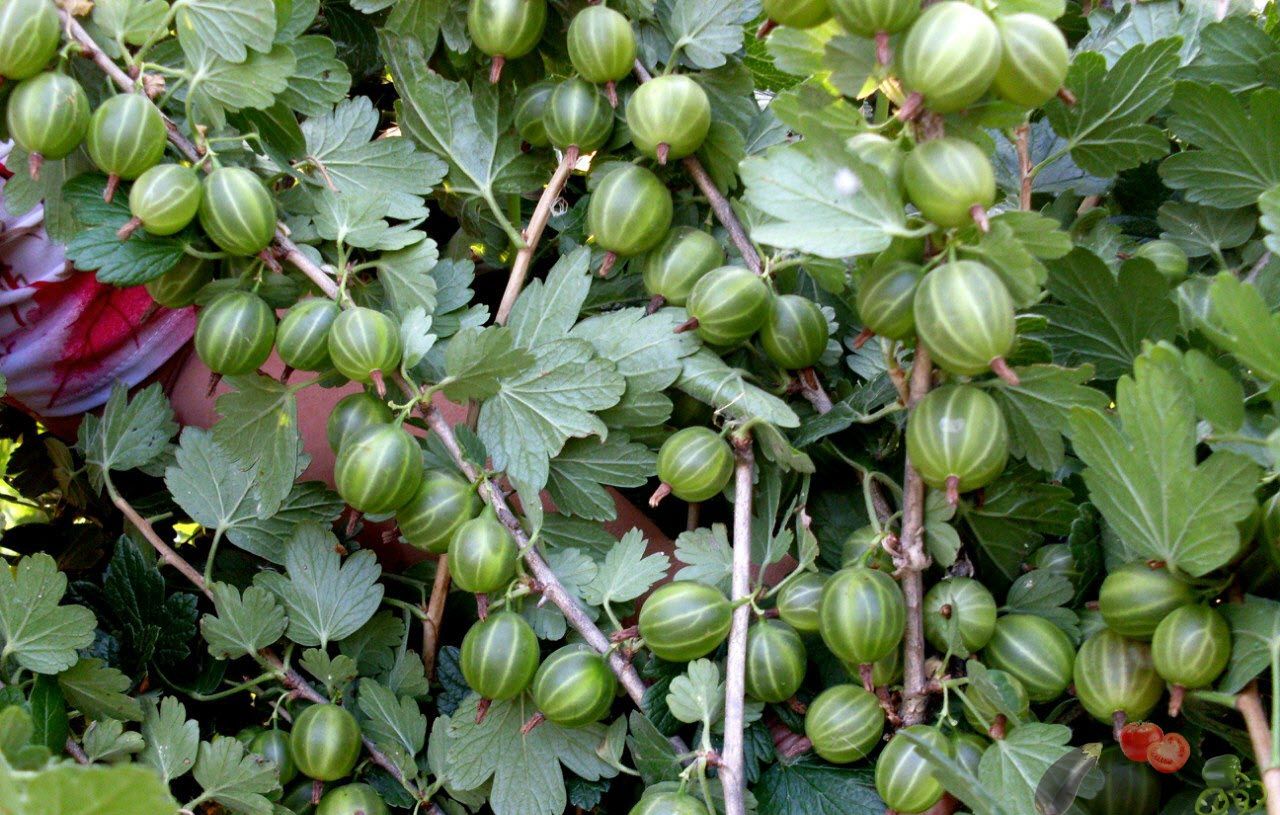
The dense, medium-sized bush looks beautiful thanks to its large, shiny, hairless leaves. Its shoots bend slightly downward, and some gardeners claim they even tend to trail along the ground. This behavior is observed in northern regions; in the south, the branches grow upward and bend under the weight of the fruit. The flowers are quite large, and the berries are green, thin-skinned, with clearly visible veins.
The manufacturer describes their size as medium, indicating a weight of approximately 3 g, but growing conditions and quality of care can increase this figure to 9 g. The average yield varies from 3 kg to 10 kg per bush – here, in addition to growing conditions, the age of the bush is also important.
Sweet and sour berries are considered dessert berries, containing up to 8% sugar and 17.2 mg ascorbic acid per 100 g of fruit. At the technical ripeness stage, they have a rich sweet and sour flavor, store well for several days, and are easily transported. When fully ripe, the sweetness becomes more noticeable, and the berries acquire a yellowish-amber color. They are not recommended for transportation, and there is no need to store them at all; they can be simply eaten fresh. The berries are used to make wines, compotes, preserves, jellies, and marmalades.
Growing rules
'Beryl' is considered an undemanding variety in terms of soil and climate conditions. It can grow in clay, loam, sandy loam, and sandy soil, as long as it's not acidic or waterlogged. However, the best yield is obtained when gooseberries are grown in humus-rich loam.
Although its branches have few thorns, they still have some, especially on the lower parts of the shoots, so they need to be handled with care. The dense bush is difficult to maintain, so it's best to prune as many shoots as possible to ensure all branches receive equal amounts of sunlight and fresh air.
The shrub requires regular pruning, preferably in the fall, after it sheds its leaves. Old branches, whose productivity is declining, must be removed, and young shoots should be shortened by a third. Broken branches, diseased branches, or those affected by pests should not be left. All cuts should be treated with garden pitch to prevent infection and help the plant heal. In the spring, shoots that have been frostbitten over the winter are pruned as soon as the snow begins to melt.
Beryl is propagated like any other gooseberry: by cuttings, layering, grafting, and dividing the bush.
Landing
It's easiest to plant this variety in the fall, 3-4 weeks before the onset of frost, to allow the roots time to settle into the new soil and grow new small roots. It's best to choose two-year-old seedlings with a well-developed root system and three or four strong shoots. The main roots should be woody and at least 25 cm long. If the shoots have leaves, they can be removed before planting.
Choose a sunny location for gooseberries, preferably elevated, sheltered from north winds. It's crucial to keep the groundwater level low. Before planting, prepare the site by removing weeds, correcting the soil's acidity and structure, and fertilizing it.
Acidic soil should be supplemented with lime or dolomite flour. Heavy soil should be mixed with humus, compost, peat, and sand. Spread a bucket of compost or humus per square meter, then dig thoroughly. Add 30 g of superphosphate, 20 g of potassium phosphate, and a cup of wood ash.
Some gardeners don't apply fertilizer to the entire area, but instead fill the planting hole with it. They dig a hole about 50 cm deep and wide, fill it with a mound of fertile soil mixed with fertilizer, place the seedling on top, and cover its roots with soil, tamping it down periodically to ensure there are no air pockets and the soil adheres tightly to the roots. After the hole is completely filled, the root collar should be below ground level.
The planted bush is watered generously, its shoots are shortened, and the soil around it is mulched after the water has been completely absorbed.
Watering
Gooseberries thrive in moisture, but 'Beryl' won't thrive in areas with standing water. After planting the seedling in its permanent location, water it thoroughly, but be careful with subsequent watering to avoid overwatering the roots. In spring, the bush will awaken and begin growing when the soil is moist from the melting snow.
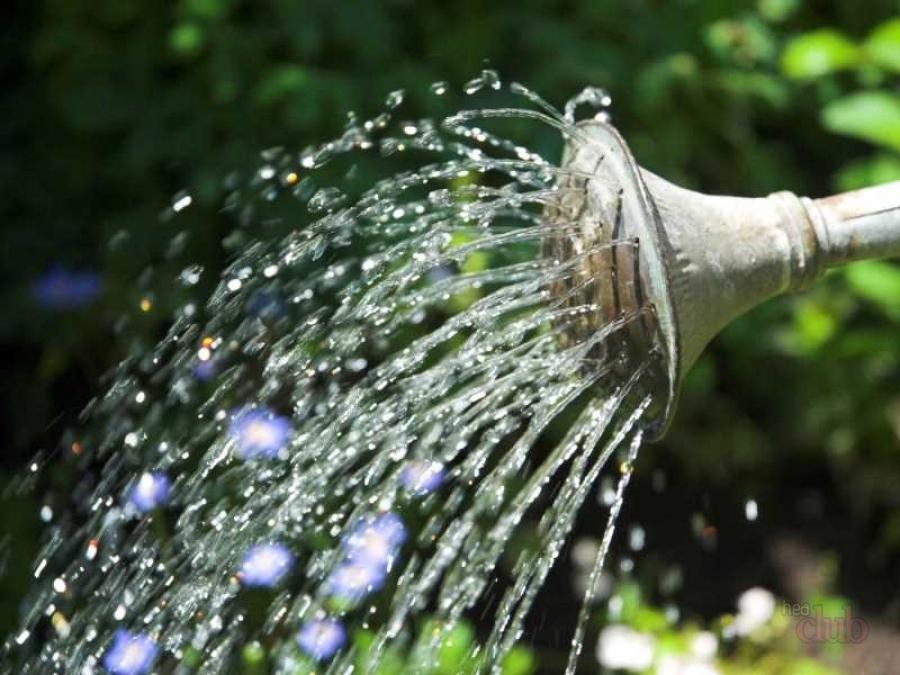
If the summer is dry, watering is necessary. There are key moments during the gooseberry growing season when it requires a lot of water: flowering, fruit set, and ripening, specifically, the period 2-3 weeks before harvest. Water the plant at the root, that is, in the area around the trunk, and it's best not to wet the leaves.
Fertilizer
With proper care, this gooseberry variety produces a bountiful harvest, which means it extracts all the nutrients it needs from the soil. Even if planted in very fertile black soil, the soil will need to be fertilized again after a few years; otherwise, the plant will survive, but the yield and berry size will be minimal.
In spring, apply compost or humus under the bush as mulch. You can feed it a couple of times with organic fertilizers containing nitrogen until early June. This prickly shrub responds well to watering with a solution of mullein or chicken manure. Fill a container a quarter full with manure or manure, top it up with water, and let it steep for several days. Then dilute it with water, eight parts mullein and ten parts chicken manure, and water the bushes.
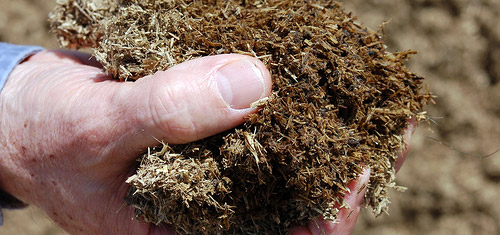
When flowering ends and ovaries begin to form, the plant will need more potassium and phosphorus, so you can water the bush with a solution of superphosphate and potassium phosphate, or an infusion of wood ash.
Alternatively, you can simply sprinkle dry fertilizer under the bush; it will reach the roots with every loosening, watering, or rain. Complex mineral fertilizers with high amounts of phosphorus, potassium, and magnesium can be used to water the gooseberries once or twice more before the fruit ripens.
In the fall, before the onset of cold weather, add 30 g of superphosphate and 20 g of potassium phosphate to the tree trunk. This fertilizer will not only help the berry bush survive the winter but also create the right conditions for fruiting the following year.
Diseases and pests
It's believed that this variety can be affected by septoria leaf spot, but is resistant to powdery mildew. If the bush is grown in good conditions and receives proper care, it may not be affected by the disease at all. It's important to remove all plant debris from the trunk area in the fall and burn it if there's a suspicion of infestation. The bush should not be too dense and should not be overwatered.
Aphids, moths, and sawflies can ruin the life of a bush and cause problems for the gardener. Soap and ash sprays, Bordeaux mixture, and proper agricultural practices will help combat them.
Video: Planting and Caring for Gooseberries
This video will teach you how to properly plant and care for gooseberries.