
Disease and pest resistant gooseberry variety Harlequin
Content
Description of the varietal variety
The delicious gooseberry variety Harlequin is characterized by a medium ripening time. It was added to the State Register of Varieties in the mid-1990s. The Ural and West Siberian regions are considered ideal for growing Harlequin.
The bush of this variety is medium-height and has a moderately spreading crown. Young shoots are smooth, light green, and virtually thornless.
The plant's leaves are large, rich green, and composed of 4–5 lobes. The leaf base is slightly rounded, sometimes straight. The petiole is long, medium-thick, and slightly pubescent. The buds are small, with a slightly pointed tip.
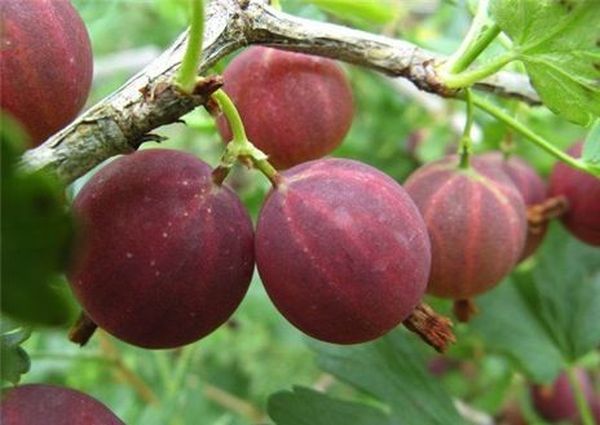
Gooseberry flowers are small and brightly colored. Several flowers form an inflorescence. Harlequin gooseberries are medium-sized (3 to 5 grams), dark cherry-colored, and pubescent. They have a sweet and sour taste.
Features of cultivation
Gooseberries are easy to grow. They tolerate drought well and thrive in full sun. Avoid planting them in damp areas with heavy soil.
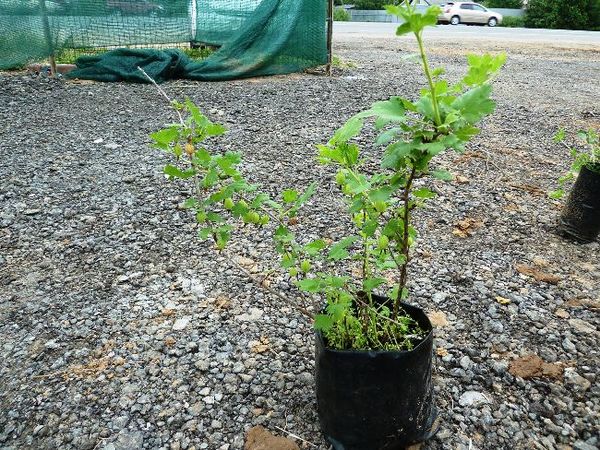
A berry bush bears fruit for 15 years. To ensure a bountiful harvest, plant 3–4 bushes in a single plot.
Landing
Choose a sunny spot to plant gooseberries. The planting hole should be approximately 0.7 meters in diameter. Before planting, add organic matter, a cup of wood ash, and 5 tablespoons of nitrophoska. It's a good idea to mix the fertilizer with the soil and add some river sand before applying.
Gooseberry seedlings should be planted in the spring before the buds begin to open. Planting can also be done in the fall, at the end of September.
Before planting, the roots should be soaked in liquid organic matter for one day, which will promote better plant survival.
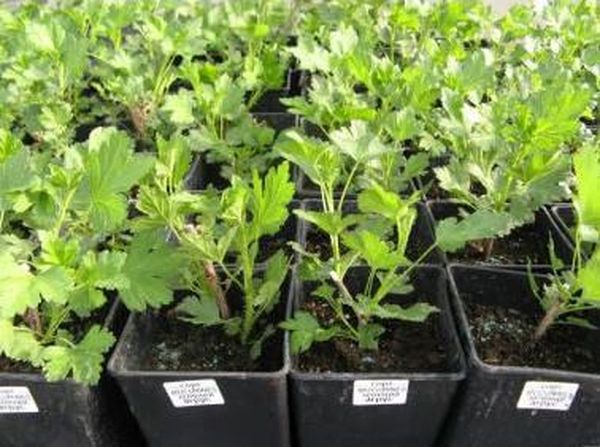
When planting, the seedling should be planted to a depth of 0.06 meters. Before planting, the roots are spread out and covered with soil, compacting lightly. After planting, the seedling is thoroughly moistened and covered with humus and peat.
If planted in the fall, the seedling should be earthed up. This will help prevent freezing during autumn frosts.
Care
Before fruiting begins, gooseberry bushes need to be watered, hilled, and the soil around them should be loosened. In the spring, the plant should be fertilized with nitrogen.
In the fall, peat or humus with sawdust is added to a layer of up to 0.12 meters under the plants. In the spring, this layer is removed, and the soil underneath is loosened.
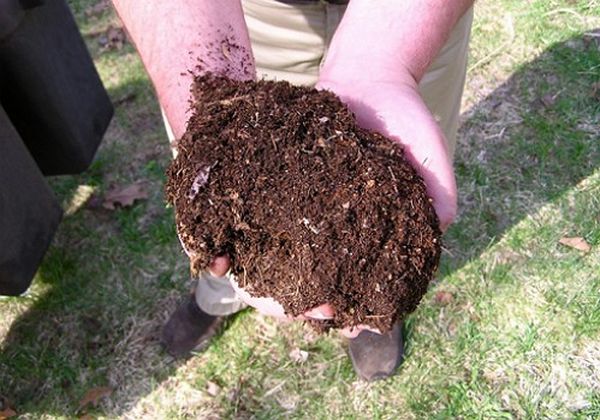
Fertilizers are first applied when the leaves emerge. At this time, plants should be fed with urea and nitrophoska. While fertilizing, the bushes should be watered generously. The next feeding should be done at the beginning of flowering. At this time, potassium sulfate and wood ash should be added.
The next time you should apply fertilizer is when fruit sets. At this time, the fertilizer should consist of nitrophoska or liquid organic fertilizer.
Gooseberry bushes benefit from manure and bird droppings. Dissolve 5 kilograms of manure in 100 liters of water, add nitrophoska, and let the infusion sit for 5 days. Then, water each bush with 15 liters of the solution. This fertilizer can be applied a couple of times over the summer.
Throughout the season, gooseberries need to be weeded to a depth of about 0.1 meters.
Advantages and disadvantages
The advantages of the Harlequin variety include resistance to powdery mildew and high yields. Furthermore, the berries have a pleasant flavor. The Harlequin bush's shoots are lightly covered with thorns, making harvesting easier.
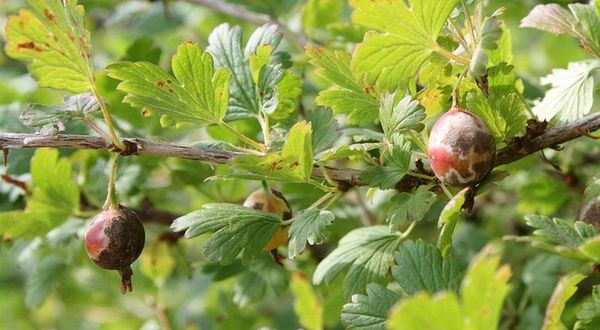
The Harlequin gooseberry deserves special attention due to its high yield, resistance to powdery mildew, and ease of cultivation. The dark burgundy color of its berries distinguishes the plant from similar varieties. Because of this characteristic, it is often grown commercially.
Video: Planting and Caring for Gooseberries
This video will teach you how to properly plant and care for gooseberries.