
The best options and recipes for preserving raspberries for the winter
Content
Beneficial properties
Raspberry berries, leaves, twigs, and roots are equally useful.
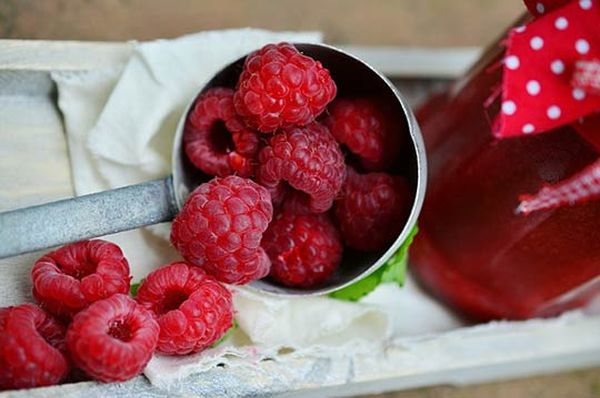
Raspberry seeds contain fatty oils. The berries come in red, crimson, and even yellow. They are rich in vitamins A, B, PP, and micronutrients such as:
- folic acid;
- sucrose;
- fructose;
- pectin;
- salts of iron, potassium and copper.
The above-mentioned nutritional properties are essential during the winter and spring, when the body is weakened. If you have a cold, raspberry tea will warm you up and act as a diaphoretic. The salicylic acid found in raspberries helps lower body temperature. The copper content makes it a natural antidepressant.
Video: "Preparing Raspberries for Winter"
This video will show you several ways to prepare raspberries for the winter.
Blank options
To prevent raspberries from becoming waterlogged, harvest them in dry weather. Place the raspberries in a sieve and submerge them in a bowl of salted water (a pinch of table salt per 2 liters of water). This will remove any insects or worms that may have hidden in the raspberries. After soaking, spread the berries in a single layer on a towel and allow them to dry.
Further manipulations depend on what you're making: jam, compote, liqueur, or jelly. Talented home cooks simply never run out of recipes.
Mashed berries
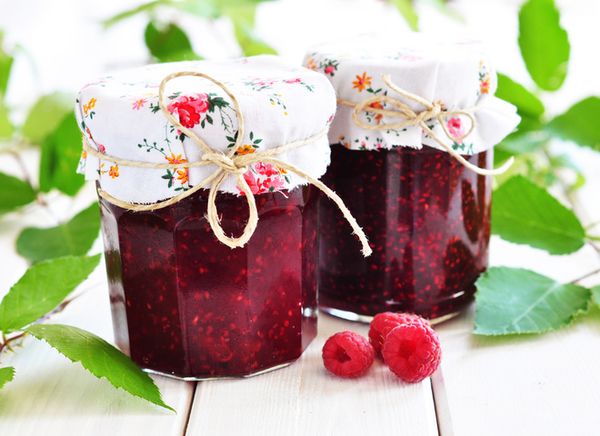
This recipe doesn't require boiling the berries. Simply mash them through a sieve, then add sugar. If the mixture turns out thick, you can add a small amount of boiled water. Let the resulting mixture sit at room temperature for an hour. Eat immediately or divide into pre-sterilized jars. Do not fill the jars completely, leaving a centimeter from the rim. Seal with nylon lids.
Ingredients:
- 500 g berries;
- 50 ml of water;
- 200 g sugar.
Jam
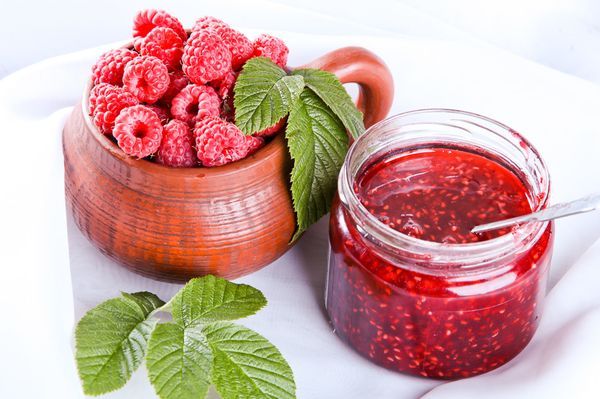
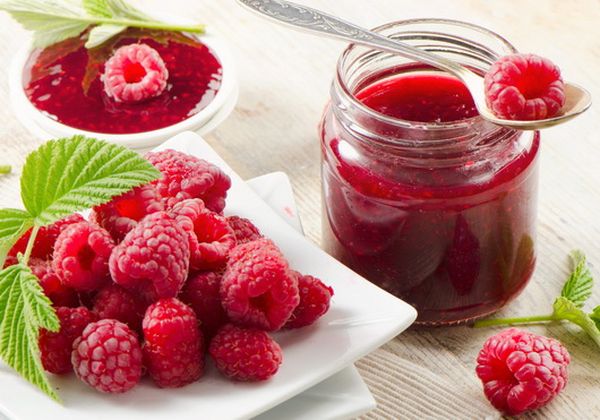
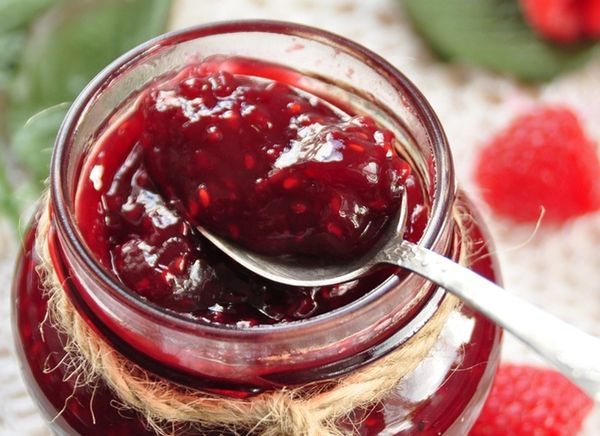
Ingredients:
- 1 kg raspberries;
- 1.5 kg of sugar.
The second jam recipe takes just 15 minutes. Place clean, dry berries in a saucepan and sprinkle with sugar. Once the sugar has completely dissolved, place the pan over low heat and simmer for 5 minutes. Then pour into prepared, sterilized jars.
Ingredients:
- 0.5 kg raspberries;
- 1 kg of sugar.
Compote

To make a fragrant canned raspberry compote, take clean, sorted raw berries and place them in sterilized jars. 1.5-2 liter jars are ideal.
Place clean raspberries in sterilized jars, filling them only a third of the way. Add the required amount of water to the pan, and add sugar after it boils. Pour the hot syrup into the jars and seal with lids. Turn the jars upside down and wrap them tightly. After cooling, store in a cool, dark place.
Juice
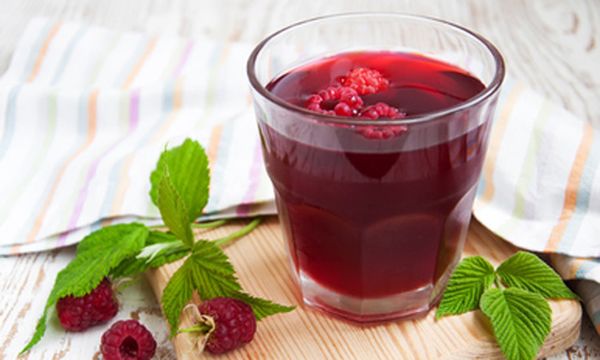
If you love freshly squeezed juice, you'll appreciate this recipe. Here's what you'll need:
- 500 g berries;
- 500 g sugar.
To ensure clear juice, the berries are first strained through a sieve and then passed through several layers of cheesecloth. Sugar is then added to the squeezed juice. You can use less than the recipe calls for, depending on your taste. The juice is then ready to drink.
Jelly

Raspberry jelly is a delicious treat for kids. This recipe makes the jelly without thickeners. The resulting treat is thick and seedless, perfect for eating right away or storing for the winter.
Ingredients:
- 500 g raspberries;
- 300 g sugar;
- 1 cup of water.
Sprinkle the raspberries with sugar, add water, and stir, then reduce heat to low. After the berries have released their juice, let the mixture simmer for another 10 minutes before removing it from the stove. Strain the resulting mixture through a sieve with a spoon, then pass it through cheesecloth for clarity and to ensure that no small seeds are present. Discard the pulp, and return the thick juice to a low heat. Cook for 40-50 minutes, stirring frequently and skimming off any foam. Check the jelly's readiness by scooping a spoonful of jam and dropping it onto a plate. If the droplet holds its shape, it's ready. If it runs, continue cooking and check again.
Dried fruits
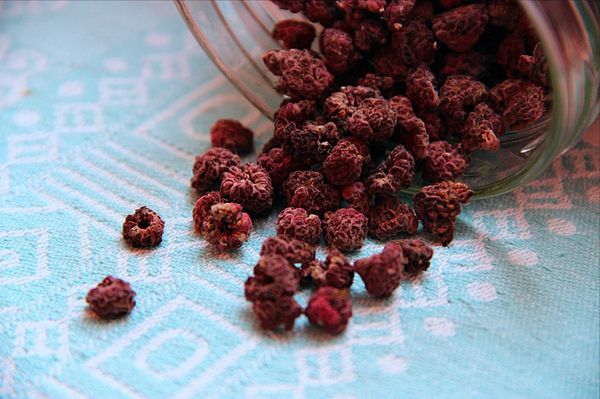
A good way to preserve the beneficial properties of raspberries is to dry them. Preparing the berries is easy. All you need is a fruit dehydrator, an oven, or just a sunny spot. In all three cases, take clean, dry berries and spread them out in a single, even layer.
A quick way is to dry it in the oven. Line a baking sheet with parchment paper, place the dough on it, and place it in the oven. Keep the oven heat at low heat and the door slightly ajar. Drying this way will take approximately 6-8 hours.
The second fastest method is an electric dehydrator. It takes about a day. Typically, home cooks set the temperature to around 50-60 degrees Celsius. Every 2-3 hours, check the berries and turn them over.
A budget-friendly method is sun drying. To do this, spread the berries on cheesecloth or a baking sheet and place them in the sun. At night, bring the raspberries indoors and ensure they don't get wet in the rain. This process will take about a week. Finally, it's recommended to dry them in the oven for a couple of hours.
Each recipe is good in its own way, the main thing is to follow the recommendations and then you can enjoy delicious preparations.