
Recipes for lingonberry preserves for the winter, preserving their flavor and aroma
Content
Mini recipe collection
Fruits can retain their beneficial properties for a long time if they are not subjected to heat treatment, and for this purpose, housewives prefer to soak, pickle, or freeze the berries.
To soak the berries, they are poured into sugar syrups, but they can also be crushed, with salt and granulated sugar added to the marinade. Storing the berries in honey is also acceptable. Freezing is done "dry" in tightly sealed bags or containers. Some even store the berries, blended, in plastic bottles.
Without cooking
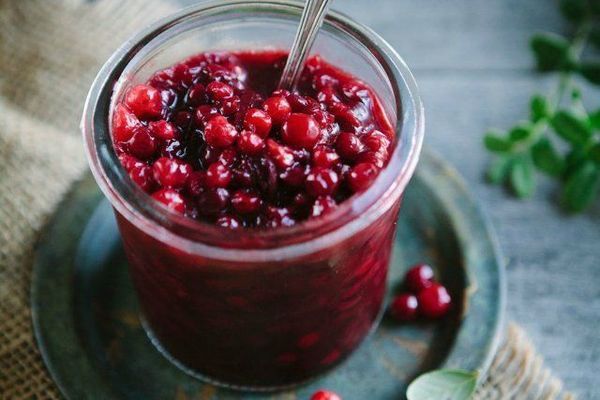
There's a proven method for preserving these healing fruits, also known as the cold method. Take 1 kg of berries and the same amount of granulated sugar.
The berries are sorted and thoroughly rinsed with water to remove any twigs, leaves, or dead insects. Next, place the berries in a colander and let them drain. The berries, dried on a towel, are layered in sterile jars and sprinkled with sugar. Finally, seal the jars tightly with plastic lids.
Homemade lingonberries with sugar, without cooking, are perfectly stored in the refrigerator for the winter. It is perfect for making compotes and fruit drinks, as well as baking.
Sugar free
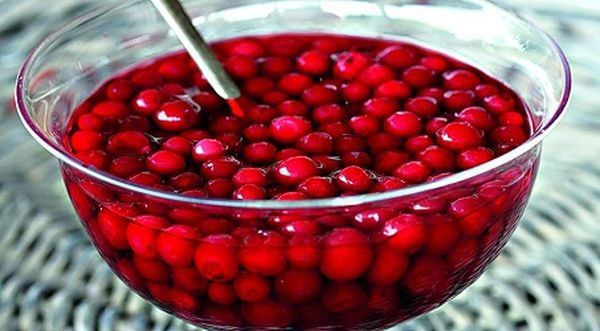
Now we'll tell you how to properly preserve lingonberries for the winter in their own juice, that is, without sugar, preserving the maximum amount of nutrients.
You'll only need berries. The quantity depends on how many jars you plan to seal. Sort the berries and divide them into two parts: squeeze the juice from one part, add the remaining berries, and then bring the mixture to a boil. Pour the berries and juice into sterile jars and seal with lids. Store the preserves in a cool, dark place.
Soaked
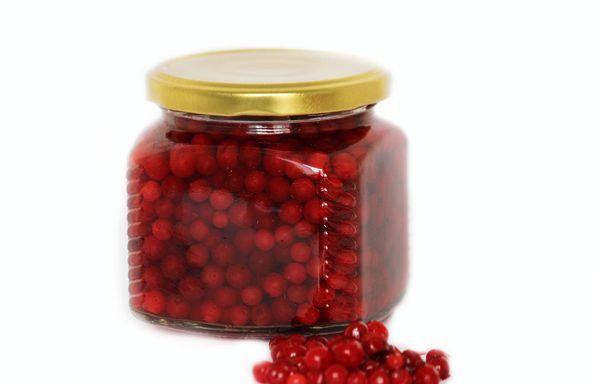
Berries can be soaked with or without granulated sugar. There are many variations of making this soaked dessert. Many years ago, berries were soaked in a wooden tub or clay jug; today, it's done in a large jar.
We offer you a great recipe for soaked lingonberries, which you can prepare at home using 1 kg of berries, 1 liter of distilled or cooled boiled water, 600 g of granulated sugar, and a little salt.
First, prepare a syrup from water, granulated sugar, and salt. While it's hot, pour it over the jarred fruit to ensure it stays whole, firm, and juicy. We recommend using perforated lids with a layer of cheesecloth underneath. Store the preserves at room temperature for no more than 10 days, then transfer them to a cellar or refrigerator.
To make preserves for the winter without using granulated sugar, you will need one liter jar of fresh berries, a handful of leaves, and 2 liters of water.
The berries are washed, dried, and placed in three-liter jars, along with the leaves. Water is added, the jars are covered with gauze or nylon, then a lid with holes is placed. The prepared jars are stored in the refrigerator, basement, or cellar.
Video: "Cranberries without Cooking for the Winter"
This video will show you a recipe for preparing lingonberries for the winter without cooking.
Sweet options
In winter, it's so nice to open a jar of delicious jam or preserves. There are many interesting dessert options available for future use.
Jam
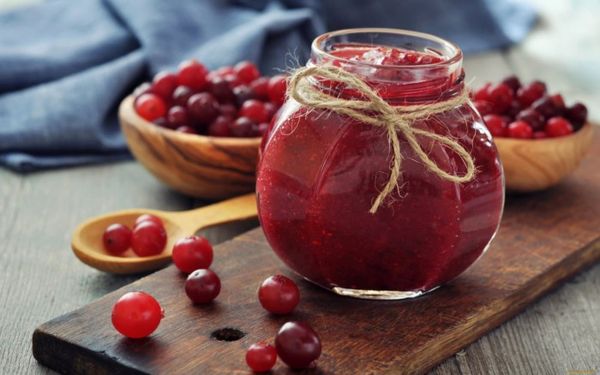
Lingonberry jams are quick and easy to prepare and are used both in cooking and in folk medicine as a tasty remedy.
You can make homemade jam from 1 kg of berries, 1 glass of water, adding 800 g of granulated sugar.
After sorting and washing the berries, simmer them over low heat for 10 minutes, adding water and stirring occasionally. After adding granulated sugar, cook for another 40 minutes, then pack into jars and seal with lids.
Paste
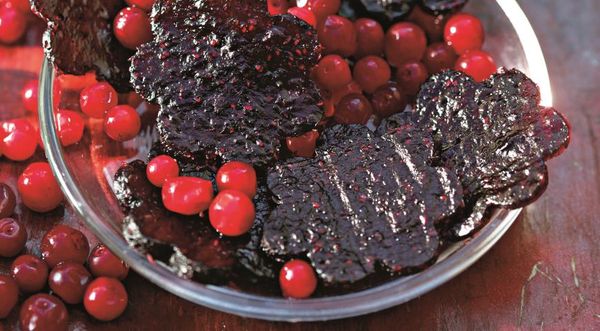
The base of pastila is a berry puree made from raw berries, either blended or steamed in a thick-walled saucepan or pot placed in the oven. The pastila is dried naturally, spread out on paper in the sun or in the oven. Natural lingonberry pastila, made without granulated sugar, is delicious, as is the addition of honey, apples, or blueberries.
For example, to make sugar marshmallow, take 1 kg of berries and 200 g of granulated sugar, mix the puree with the granulated sugar, and stir until it dissolves. Then place the pan or bowl on the stove, reduce the contents by half, and dry the finished marshmallow.
Jelly
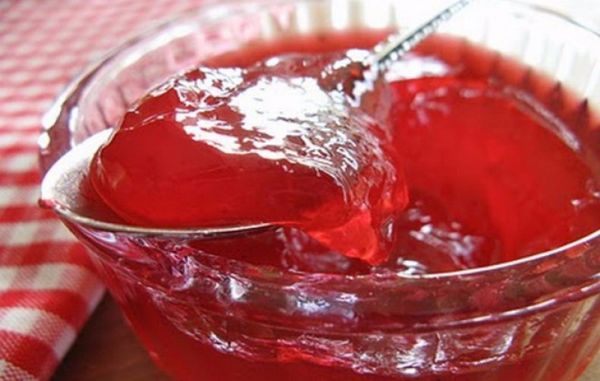
Housewives also love to make beautiful lingonberry jelly with a pleasant taste and aroma. To make it, you'll need 8 cups of fresh berries, 4 cups of granulated sugar, 3 cups of water, and 50 g of gelatin.
The fruit should be scalded with boiling water, placed in a colander, and then mashed using a potato masher. The resulting mass is squeezed through cheesecloth. Granulated sugar is added to the juice, which should be simmered over low heat and stirred. When the mixture boils, add the gelatin, stir with a spoon, and cook for a few more minutes. Now the dish is ready to jar, sterilize, and seal.
Syrup
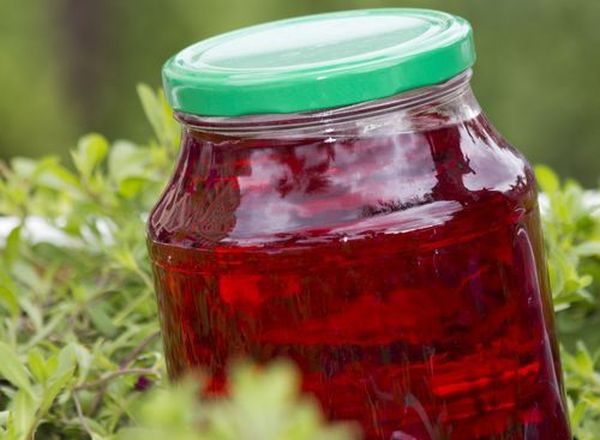
Fresh or frozen berries, as well as fresh or dried leaves, are suitable for making the drink. Homemade syrups are made using the cold method without water, or the hot method, with or without water.
We offer you a recipe for a drink that requires 1 kg of washed and dried berries and the same amount of granulated sugar. Place the berries in three-liter jars, topped with granulated sugar. Continue layering. Cover the jars with lids (not tightly), refrigerate, and shake occasionally.
Jam
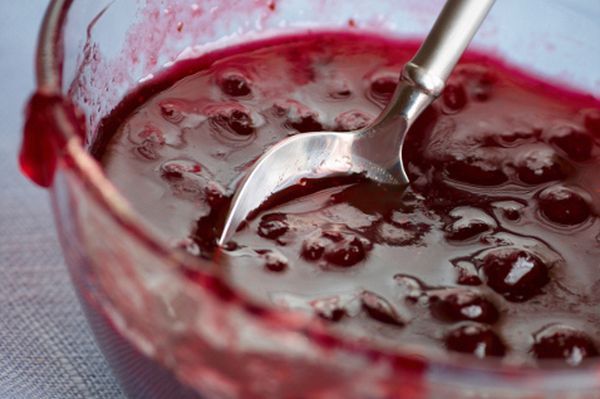
You can make a thick jam with lingonberries and apples or pears. You'll need 1 kg of lingonberries, 500 g of fruit, and 300 g of granulated sugar.
Prepared berries should be poured with boiling water and drained in a colander. Rinse the fruit under running water, peel, and core. Cut the apples and pears into pieces, dissolve granulated sugar in the water strained from the berries, and boil. Pour the hot liquid over the berries and fruit; after boiling, the mixture becomes smooth and translucent. Place the hot jam in a glass or clay container, cover with a lid, cellophane, or parchment paper. Store in the refrigerator, basement, or cellar.
Jams with and without additives
Sweet and sour, with a subtle, pleasant bitterness, this lingonberry jam will appeal to everyone. This classic treat can be made with 1 kg of berries, the same amount of granulated sugar, and 400 ml of water. A must: you'll need a large stainless steel bowl or saucepan; aluminum or copper ones won't work.
Five-Minute
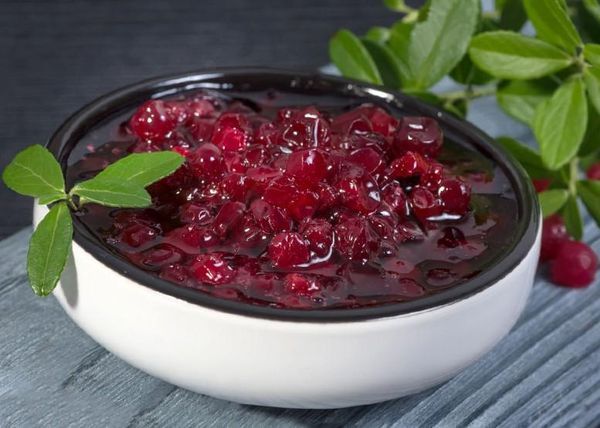
Even a novice cook will need a minimum of time to prepare jam from 3 kg of fresh berries and 2 kg of granulated sugar.
Once the fruit has been sorted and washed, pour boiling water over them, add them to a saucepan or bowl along with granulated sugar, and let sit for 1 hour. Then bring to a boil over medium heat, stirring occasionally, and cook for about 5 minutes.
With pears
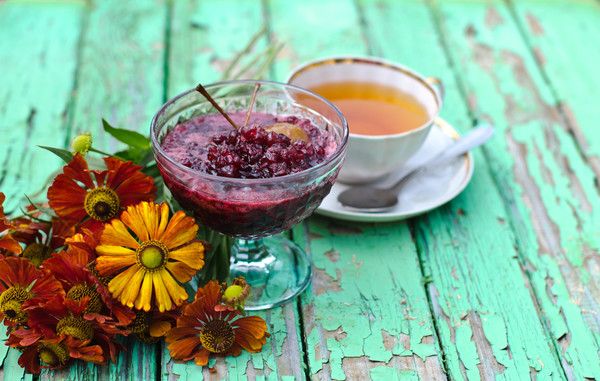
To prepare the following dessert, take 1 kg of berries, 1 kg of pears, another 3 glasses of water and 1.5 kg of granulated sugar.
Clean berries are poured with boiling water; after a few minutes, they are drained in a colander. The fruit is peeled, seeded, and cut into chunks. Granulated sugar is added to the water and brought to a boil, along with the berries and fruit. Bring to a boil, stirring occasionally. Remove the container from the heat. We recommend leaving it overnight, then bringing it back to a boil the next day and cooking for 10 minutes, after which it can be packaged in jars.
With apples
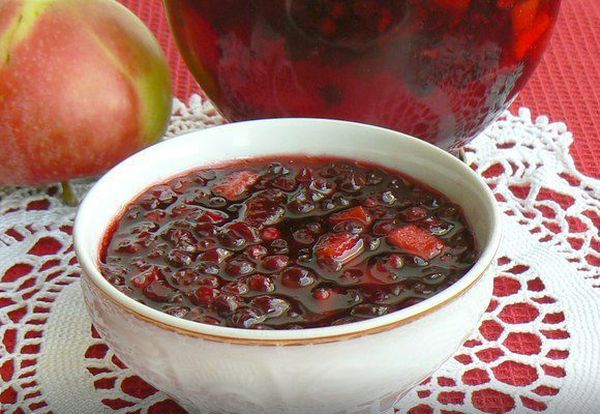
Favorite apples will add new notes to this aromatic lingonberry treat. For the dish, prepare 1 kg of each fruit and berries, a little more granulated sugar—1.3 kg—and 1 cup of water.
Rinse the berries under running water and place them in boiling water for 2 minutes. Peel and core the apples, cut them into chunks, and blanch them to soften. Combine the fruits and berries in a large bowl or saucepan, cover with a hot liquid made from water and granulated sugar, and cook until tender.
With oranges
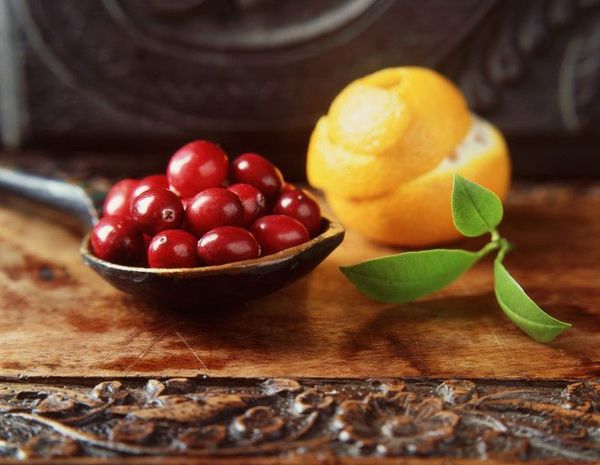
To prepare a delicacy with an unforgettable citrus aroma, you will need 1 kg of berries, 1 kg of oranges and 1 kg of granulated sugar.
The berries are sorted and washed, then dried and placed in a saucepan with sugar. Cook over low heat. Blanch the fruit by dropping it in boiling water for a couple of minutes, then chop it into pieces, removing the seeds. Grind the berries and zest in a meat grinder. Once the berry mixture comes to a boil, simmer for about 15 minutes and then add the citrus fruits. The treat is simmered for half an hour, then placed in sterile jars and stored in the cellar.
With raspberries
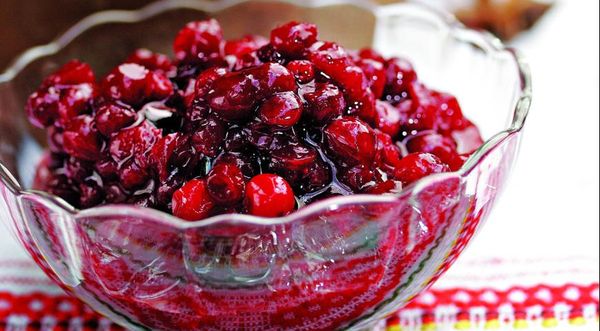
Berry lovers can prepare a beautiful and healthy treat from 2.3 kg of raspberries, 900 g of lingonberries, 580 g of granulated sugar and 320 ml of water.
The berries should be sorted and washed, drained in a colander, and dried. Meanwhile, add water to a saucepan and cook with granulated sugar until completely dissolved. Add the berries to the hot liquid and simmer for 5 minutes. Once the mixture has steeped and released juice (this process takes approximately 4 hours), return the saucepan to the stove and bring to a boil over medium heat. Simmer for 1 hour, skimming off any foam. Pour the lingonberry-raspberry jam into jars and, once cooled, seal with lids.
Tips for proper drying
To preserve most of the vitamins in the berries, they need to be dried in the oven. First, wash the berries with water and spread them evenly on a baking sheet. Dry the berries in the oven at a temperature no higher than 60°C for 3–4 hours. It's important to remove the sheet every hour, shake it, and then spread the berries out evenly on it again.
Wanting to preserve benzoic and salicylic acid, the ancient Slavs dried lingonberries or placed them in wooden flasks with ice water.
Today, many techniques are known for making unusual jams with honey or rum. You can create a healthy treat by crushing berries with granulated sugar or soaking them in their own juice, making a fruit drink or liqueur, or drying the berries and then adding them to coffee or tea. Any winter preserves are stored well in the refrigerator, cellar, or basement, where there is little light and it's cool.