
Simple recipes for pickled apples at home for the winter
Content
Preparation of raw materials and containers
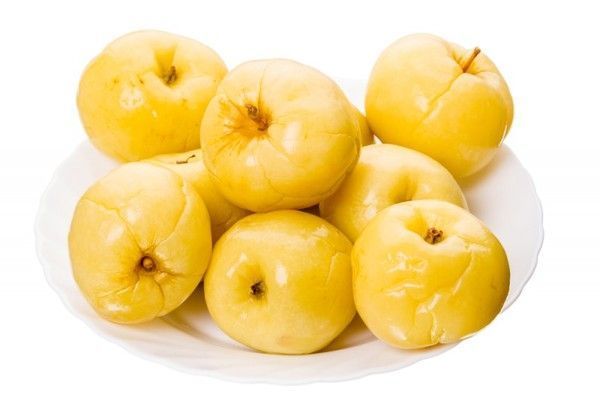
Pickling, or fermenting, apples is the process of converting starch into alcohol and lactic acid. Therefore, apples must not only fully ripen but also be stored in a warm place after harvesting to allow the starch to form. Not everyone knows how to make pickled apples at home, but it's actually very simple—you just need to select the right ingredients, containers, and spices.
Choose medium-sized fruits, preferably uniform in size and undamaged. Late-ripening varieties, such as autumn or winter varieties, are best; summer varieties are less common. Excellent choices include Anise, Pepin, and Antonovka, which have thick skins and firm, untreated flesh. It's best to ferment whole fruits; cut fruits will look less appealing and the flesh will fall apart, but they will cook much faster. Sort the fruits and wash them thoroughly. Any fallen, crushed, or wormy fruits should be discarded immediately.
The ancient method of fermentation involves using a barrel, preferably oak, but other woods are also acceptable. It's first soaked, then washed with hot water, rinsed with a baking soda solution, then with clean boiling water, and finally dried. However, in a city apartment, you can prepare soaked apples in a saucepan, bucket, or jar. The key is to use glass, ceramic, or enamelware. It's thoroughly washed with baking soda and rinsed with boiling water.
If leaves, herbs or straw are used, they also need to be washed, doused with boiling water, and dried before use.
Video: "A Simple Recipe for Pickled Apples"
This video will show you how to quickly make delicious pickled apples at home.
Traditional recipe for soaked apples in a barrel
Homemade Antonovka apples can not only delight you with their taste all winter long, but also provide you with vitamins, as their amount (especially vitamin C) will even increase if you soak the fruit properly.
The simplest recipes call for salt and sugar in the brine, but you can enhance the flavor and aroma with a variety of additives: spices, herbs, leaves, berries, and vegetables.
Sour cabbage
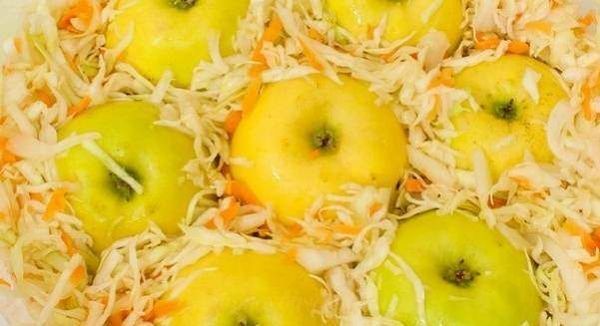
A sour apple recipe is excellent when fermented with white cabbage. To make it, use:
- 2 kg of cabbage;
- 1.5 kg apples;
- 1 large carrot;
- 1.5–2 tbsp. salt;
- 1 tbsp. sugar.
The cabbage is cut into thin strips, the carrots are grated on a coarse grater, the vegetables are sprinkled with sugar and salt, and thoroughly kneaded – everything is done as if you were making sauerkraut. Then the cabbage is placed on the bottom of the dish, pressing down firmly, followed by apples (tails up), then another layer of cabbage, then a layer of apples, and so on to the very top.
Place a wooden circle or plate on the final layer of cabbage and apply a weight. This semi-finished product is kept at room temperature for a couple of days, then refrigerated. It can be placed on a platter and served in a month.
Sweet with honey
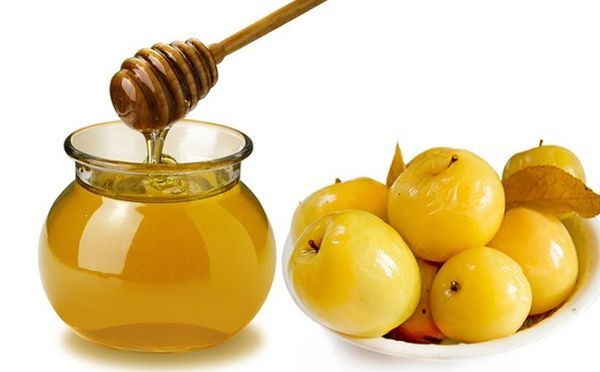
The sweet version has a higher sugar content, but it's best made with honey—it's tastier and healthier. Antonovka berries or other tart varieties are placed in a bowl, stem-side up, interspersed with blackcurrant, cherry, or raspberry leaves (be sure to line the bottom with the leaves). Pour the required amount of brine on top, and apply a weight.
To make the brine, boil the water, then dissolve the salt, honey, and rye flour (or malt). For 5 liters of water, use 70–80 g of salt, 75 g of rye flour, and 150 g of honey. Dissolve the mixture and then cool before pouring it into the brine. If you keep the fruit at a temperature no higher than 17°C, the dish will be ready in six weeks.
How to soak apples in jars for the winter
To stock up on vitamin-rich apples for the winter, prepare large glass jars (three-liter jars are fine). Once they've dried after being boiled, place currant, raspberry, or cherry leaves on the bottom, then layer the apples tightly on top, pour in the brine, and seal tightly with a lid (plastic is fine). After six weeks, you'll have delicious apples. Keep them at a temperature of 15 to 18°C (59 to 64°F) during this time, and then refrigerate them when they're done.
Pickled fruits can be preserved if storing them in a cellar is not possible. They are treated like pickled cucumbers (incidentally, some people like to pickle them together): when the apples are ready, drain the brine, bring it to a boil, pour it over the fruit again, seal the lids, turn them upside down, and wrap them in a blanket until completely cool.
A variation of pickled apples in a bucket
An enamel bucket can easily be used instead of a barrel. Wash it thoroughly, line the bottom with leaves, grass, or straw, then pack the apples tightly on top, pour in the brine, and cover with a clean cotton cloth or a piece of gauze. Place a wooden circle or plate on top, and apply a weight—this can be as simple as a jar filled with water.
To determine the exact amount of liquid, you need to pour clean cold water over the apples, then drain it and prepare a brine with it.
After 4-6 weeks, when the dish is ready (the process is not very fast), the bucket can be moved to a cold place or the apples can be transferred to jars and put in the refrigerator.
Original recipes for pickled apples
If you have successful experience with pickling, you can experiment yourself, but for now, here are a few successful original recipes.
Pickled apples with straw and rosemary
Ingredients:
- 5 kg of apples;
- 3 liters of water;
- 100 g sugar;
- 40 g salt;
- 5 sprigs of rosemary;
- 3-4 bay leaves;
- 300 g of wheat straw.
Line the bottom of the container with straw, then layer the apples on top, alternating them with straw, rosemary, and lava leaves, topped with straw as well. Place a weight on top, and pour in a cooled brine made from water, salt, and sugar. Place the apples in a cool place.
Fruits prepared with straw have a delicate aroma and a pleasant golden color.
Pickled Antonovka with cinnamon, mint and cloves
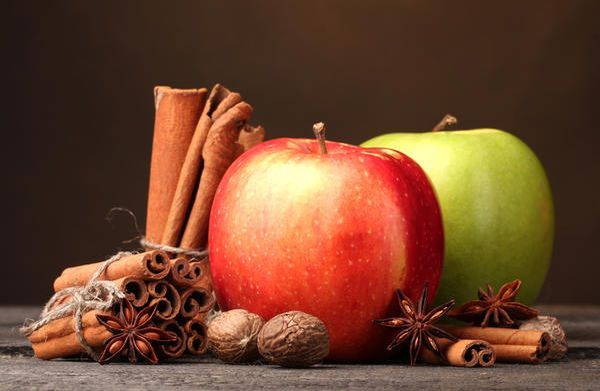
Strong Antonovka turns out very tasty if you soak it with cinnamon, cloves and mint.
For cooking you will need the following products:
- 2 kg of apples;
- 2.5–3 liters of water;
- 1 cinnamon stick;
- 2 tbsp. malt;
- 6 cloves;
- 2 sprigs of mint;
- 5 tbsp. honey;
- 2 full teaspoons of salt.
Pack the apples tightly into the jar, sandwiching mint, cinnamon, and cloves between them. If the jar allows, apply a weight, pour in brine, and simply seal the jars with lids.
To make the brine, boil water with malt for 10 minutes, then dissolve salt in it, cool it to 60°C, and dissolve honey. Pour the completely cooled liquid over the fruit.
Fermenting apples in kefir
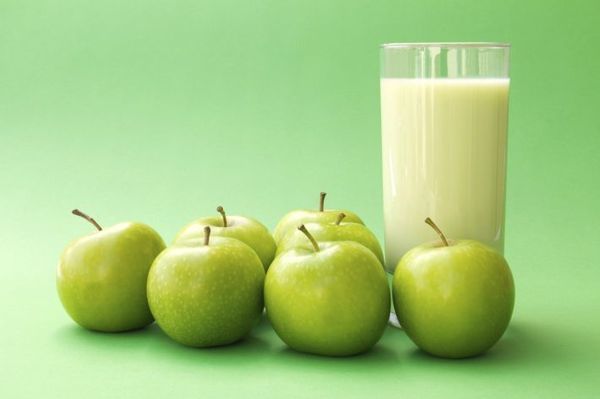
A very interesting method for fermenting apples without salt or sugar. For 5 kg of apples, you'll need 3 liters of water, 0.5 tbsp of dry mustard, and 300 ml of kefir.
The tightly packed fruit is poured with cold water mixed with kefir and mustard, ensuring it's completely covered. Cheesecloth is placed on top, and a weight is applied. The container is left in a cool place.
Some tips for housewives
Pickled apples are prepared at temperatures between 14 and 20°C. Colder temperatures slow down the process, while warmer temperatures increase the risk of bacterial growth. This must be monitored closely. Foam and mold should be removed from the brine regularly, the cloth should be washed daily with soap, and the circle (or plate) and weight should be washed weekly.
Fruits actively absorb water, so you will have to add more brine if they end up on top, so it is better to save the excess.
It will turn out delicious even if you use only salt and sugar, but it is useful to add other ingredients – this will only improve the dish.