
Recipes for pickled and fermented Brussels sprouts for the winter
Content
Preparing the ingredients
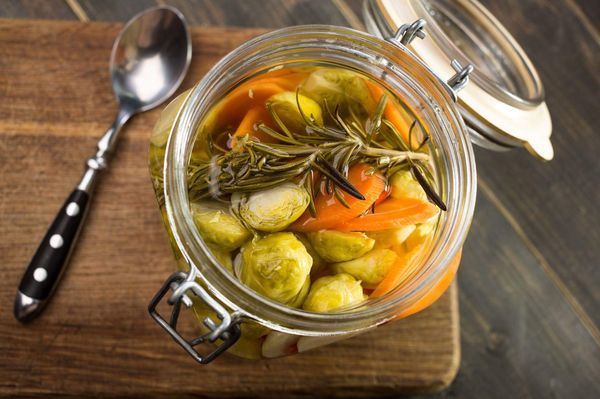
To prepare Brussels sprouts for winter storage, they are sorted, damaged or wilted leaves are removed, washed, and soaked for 1-2 hours in cold, salted water. Typically, before pickling, they are blanched for a few minutes or boiled for 3-5 minutes in water with a little salt. Small sprouts are left whole, and larger ones are cut in half. Only some recipes require shredding all ingredients, including the sprouts.
This vegetable pairs well with other vegetables, so it's often marinated with tomatoes, bell peppers, and carrots. Onions, garlic, hot peppers, and celery act more as spices, imparting a piquant or spicy flavor to the entire dish. The vegetables are sorted, washed, peeled in the usual way, and then grated (usually only the carrots), cut into proportionate pieces, while tomatoes and onions are often chosen small, so that they are comparable in size to the cabbage.
Video: "Oven-Baked Brussels Sprouts Recipe"
This video will show you how to cook delicious Brussels sprouts in the oven.
Simple recipes
Brussels sprouts are fermented and marinated with spices and other vegetables, creating a ready-made dish for the winter – a spicy appetizer that can whet the appetite, satiate, and enrich with vitamins and other beneficial substances. Only frozen vegetables remain a semi-finished product that still needs to be cooked (stewing or frying). There are many recipes, varying in the amount of spices, combinations with other vegetables, and cooking time.
In Korean
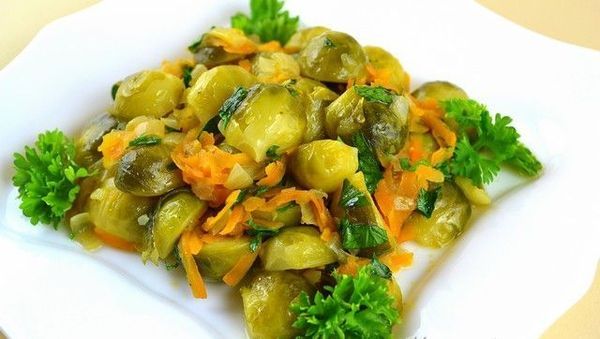
Ingredients:
- 1.5 kg Brussels sprouts;
- 400–500 g carrots;
- 1 chili pepper;
- 8-10 cloves of garlic;
- 2-3 bay leaves;
- 1 tbsp. sugar;
- 2 tbsp. salt;
- 1 tbsp. vinegar (9%);
- 20 ml vegetable oil;
- 1 liter of water.
The prepared cabbage is cut in half, leaving only the smallest piece whole. The carrots are grated using a Korean-style carrot grater, the pepper is cut crosswise into small pieces, and the garlic is pressed through a garlic press. The vegetables are mixed and placed into sterilized jars.
Sugar and salt are poured into water, brought to a boil, vinegar is added, and the boiling marinade is poured over the vegetables. The jars containing the vegetables are pasteurized for at least 20 minutes, after which the lids are sealed. The jars are covered with a blanket to slow the cooling process, and once completely cooled, they are stored.
With tomatoes
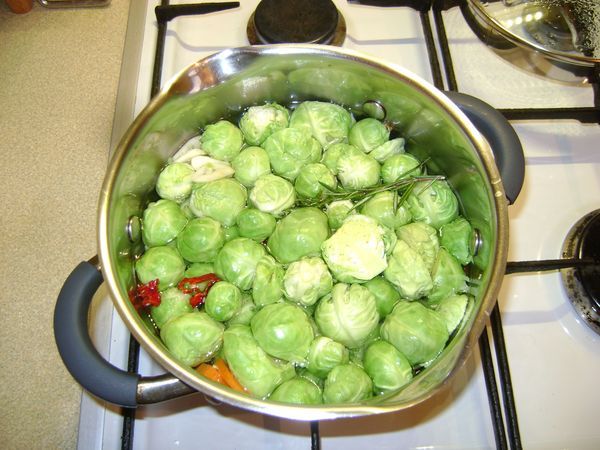
For 2 kg of Brussels sprouts, take 1 kg of small tomatoes, a couple of bunches of celery, 5 cloves, 3 tbsp. of salt, 2 liters of water.
Boil water with salt and cloves and let it cool. Boil the cabbage for 5-6 minutes, cool with cold water, and drain. Wash the tomatoes and cut the celery into manageable pieces. Next, take an enamel saucepan and layer the cabbage and tomatoes alternately, interspersed with celery. Pour the cooled brine over everything, cover, and refrigerate for 10 days. After 10 days, serve.
With vegetables
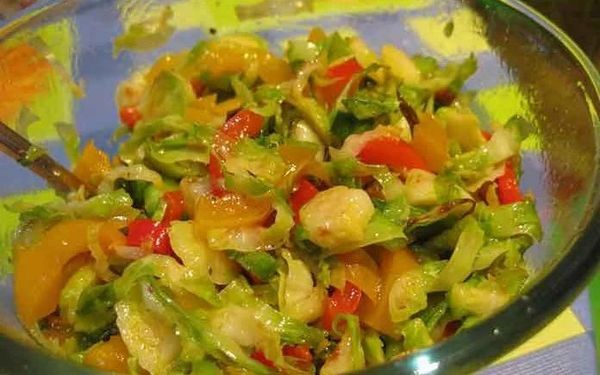
To preserve a delicious vegetable collection for the winter, take:
- 1.5 kg cabbage;
- 400 g bell pepper;
- 5 medium-sized carrots;
- 6 small onions;
- a couple of bay leaves;
- 5 allspice peas;
- 1 tbsp. salt;
- 2 tbsp. sugar;
- 1 tsp vinegar;
- 2 liters of water.
The forks are cut into 2-4 pieces, the carrots are cut into rounds no thicker than 1 cm, and the peppers are cut into squares 1-1.5 cm on a side. The spices are placed in the prepared jars first, followed by the onions, carrots, and peppers, and then the cabbage. Then the vegetables are poured with boiling marinade, the lids are rolled on, the jars are turned upside down, and they are wrapped in a blanket.
The marinade is prepared as usual: dissolve salt and sugar in water, bring to a boil, then add vinegar, and remove from heat.
Once the jars have cooled completely, turn them over and store them. The delicious salad is now ready to eat.
Sauerkraut
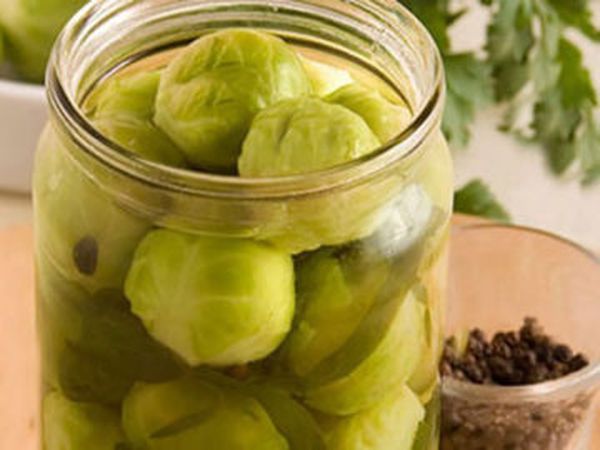
The recipe for homemade sauerkraut is very simple. You don't boil the cabbage; just cut a large one in half. For every 1 kg of cabbage, add 1.5 tablespoons each of salt and sugar, a couple of bay leaves, dill, and pepper. Since cabbage pairs so well with carrots, you can grate 2-3 on a coarse grater.
Mix the cabbage and carrots, place them in an enamel or glass jar, or preferably a wooden one, and pour in the brine. Simply cover the jar with a nylon lid. If the jar allows, it's best to use a weight. To do this, cover the cabbage with a clean linen cloth, place a wooden circle or simply a suitable plate on top, and place a jar of water (or a stone) on top.
To make the brine, dissolve salt and sugar in water. It's important that the brine completely covers the vegetables.
How to freeze for winter
Before freezing small heads of cabbage, pre-boil them. Bring the water to a boil, add a light salt, and then add the prepared, clean, and sorted cabbage. After boiling for no more than 5 minutes, immediately rinse with cold water to cool, then place on a cotton towel to dry. Once dry, arrange the dried heads in a single layer on a tray and place them in the freezer. Once completely frozen, portion them into bags.
Frozen cabbage is stored in the freezer. Pickled and fermented cabbage also require cold storage and are usually kept in cellars or refrigerators (under nylon lids). Canned salad, sealed hermetically, can be stored at room temperature after the jars have completely cooled.