
Secrets to growing strawberries from seeds at home
Content
Sowing dates
When planning to grow strawberry plants on your windowsill, it's important to decide on sowing times right from the start. It's important to note that the sowing time depends on the plant variety. Strawberries today come in a wide variety, including both everbearing and large-fruited varieties.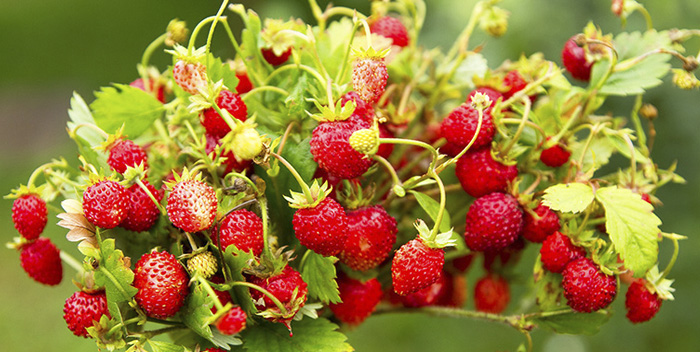
The planting method for these varieties is the same. However, many prefer everbearing varieties for the following reasons:
- During the growing season, the bushes are capable of producing a harvest several times;
- abundant fruiting;
- better seed germination;
- affordable cost of planting material.
When growing strawberries indoors, sowing seeds is often done in late February or early March. However, sowing seeds earlier is also perfectly acceptable. However, in this case, the plantings will need additional illumination with phytolamps. With illumination, planting seeds indoors can be done at any time of year. Without illumination, sowing seeds for seedlings before March is pointless.
Video "Secrets of Growing"
This video will show you how to properly grow berries from seeds.
Seed preparation
Once you've decided on the strawberry variety and the timing of planting the seeds to obtain seedlings, you can begin the preparatory stage. Strawberry seeds, like most other crops, must be prepared for planting. This preparation will significantly improve germination.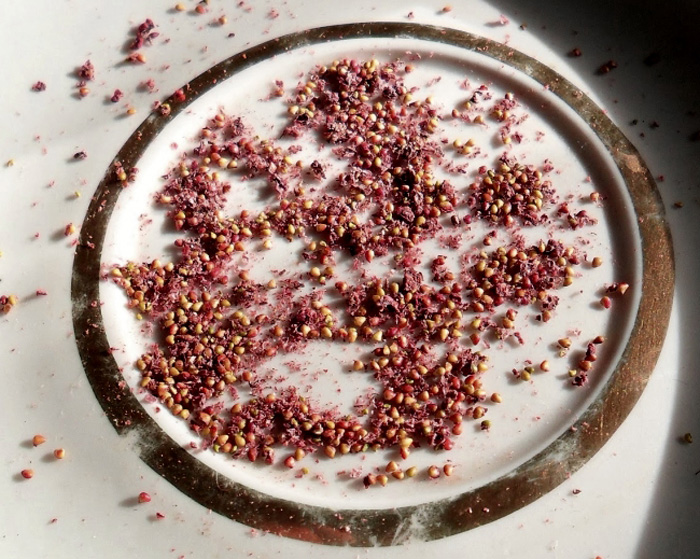
It's worth noting that the seeds of large-fruited strawberry and wild strawberry varieties germinate very slowly. Therefore, to speed up the germination process, a seed preparation procedure is carried out to accelerate sprout growth. This procedure involves the following steps:
- First, the seeds need to be soaked. For this, use a transparent plastic container with a lid. You'll also need cloths or cotton pads.
- We make holes in the container lid with a needle. These holes are necessary for the plants to breathe;
- Then, wet the discs with water and place them in a single layer at the bottom of the container. Once all the seeds are spread, cover them with a second layer of damp cotton pads or a damp cloth.
- If you plan to plant different varieties of strawberries, you will need to label them to avoid confusion later;
- Cover the container with seeds with a lid with holes and place it in a warm place. The seeds should stay here for two days;
- The container is then placed in the refrigerator for two weeks to undergo stratification. The seeds should be moistened periodically. The container should be aired daily.
However, this method for preparing strawberry seeds for planting is hardly universal. There are several preparation options. For example, some experts recommend soaking the seeds for three days in natural water (snow or rain). After this, the seeds are spread on a layer of filter paper and lightly moistened. Then, they are transferred to a plastic bag. For convenience, the seeds can be spread out on a plate first, and only then placed in the bag along with the plate. Next, the planting material is placed in a warm place. However, avoid placing them in direct sunlight. When the first shoots emerge, it is recommended to transfer them to a container with soil. Matches or toothpicks can be used for this.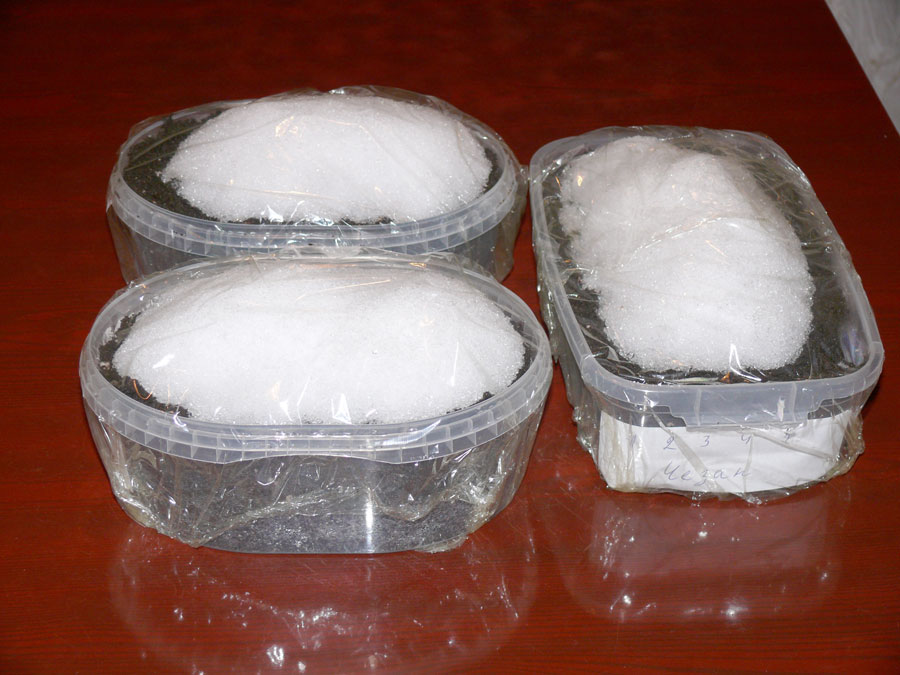
Many experts recommend stratification, as it helps achieve simultaneous and high-quality germination.
Some novice gardeners often wonder how to collect seeds for strawberry seedlings. The easiest way is to purchase planting material at a gardening store. Neighbors or friends can also share the necessary seeds. Alternatively, you can collect them yourself while growing the crop outdoors.
Preparing the land
The second step in preparing strawberry seedlings for cultivation is soil preparation. Soil with the following characteristics is suitable for this berry crop:
- crumbly;
- easy;
- simple;
- without fertilizers.
Experts believe the best solution in this case is a soil mixture made from forest and garden soil. Sand should be added to it.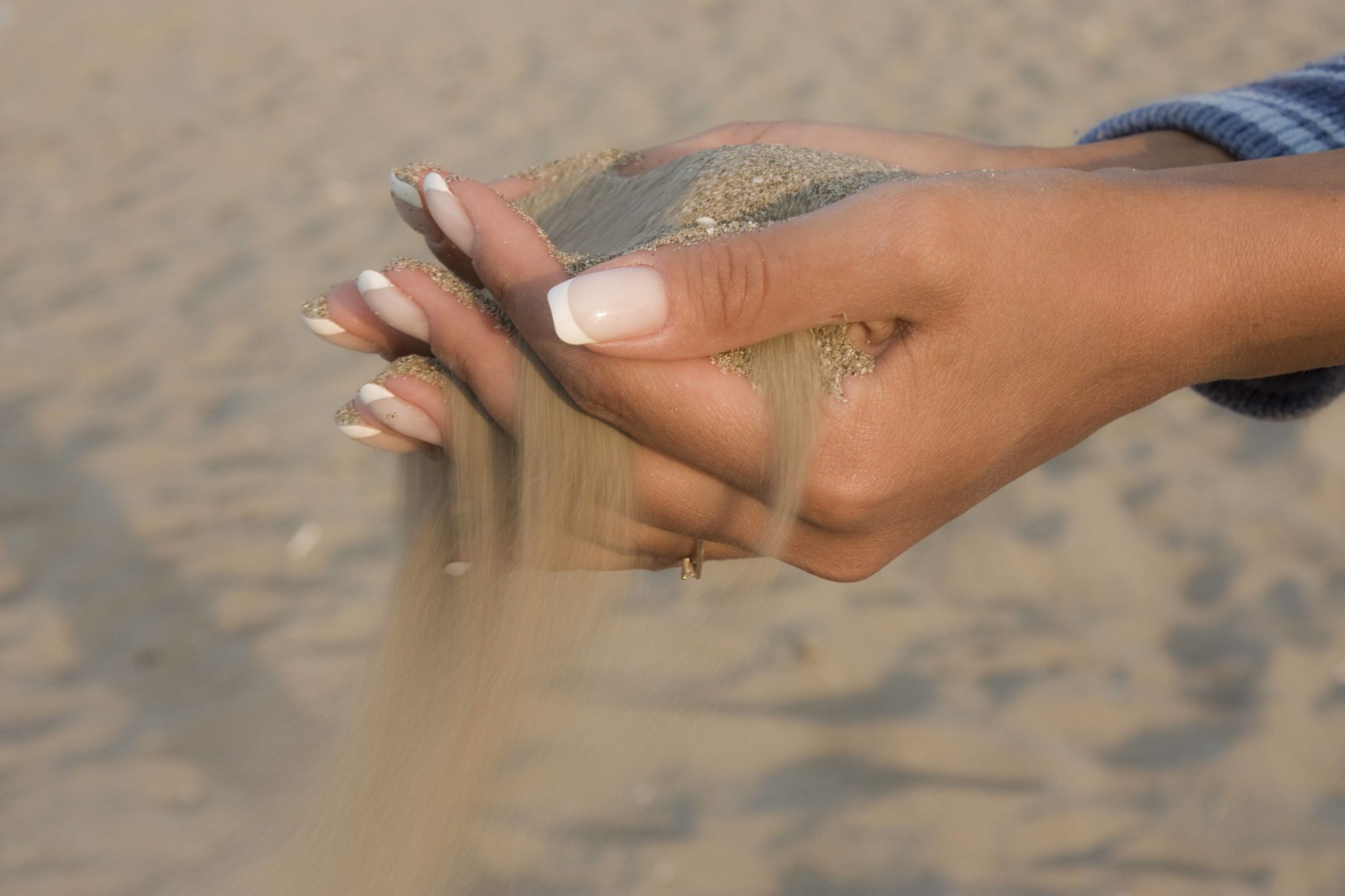
The following soil mixture options are suitable for growing strawberry bushes:
- The first soil variant contains the following components: coarse sand, vermicompost, and non-acidic peat. The components should be taken in a ratio of 1:1:3;
- The second option's soil should contain components such as peat, sand, and turf. Here, the components are used in a 1:1:2 ratio.
Some experienced gardeners recommend adding a little wood ash and rotted manure to the soil.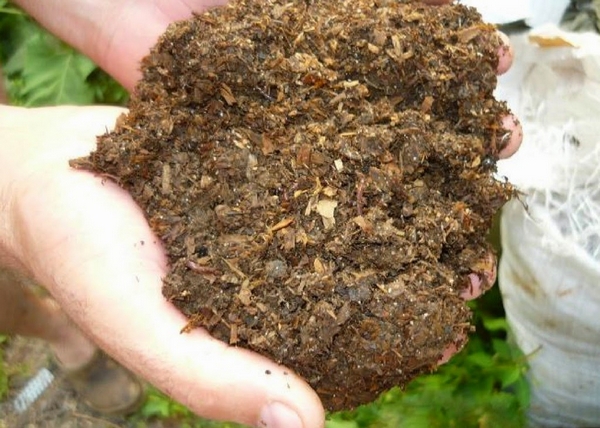
The soil prepared by hand must be warmed up. To do this, place it in the oven for 15-20 minutes. A simple steaming of the soil with hot steam is also possible. A pot of boiling water will do the trick. This procedure is necessary because young strawberry seedlings are very vulnerable. They are also susceptible to various insect pests, whose larvae can be found in the garden or forest soil. To promote the development of beneficial microorganisms in the prepared soil, the baked soil should be left to rest for two to three weeks. This period of time will allow the seeds selected for planting to undergo the stratification process.
Sowing in a container
Once the soil has been properly prepared, it's poured into a container. This is one effective way to grow strawberry plants indoors. When using such a container, seeds from the refrigerator can be planted in the soil after two weeks. Planting in containers is as follows:
- Fill the selected container with soil. Firm the soil slightly and water thoroughly. A spray bottle is recommended for watering.
- Then, carefully spread the seeds over the soil. It's recommended to spread them using tweezers, a sharpened match, or a toothpick. Press the seeds lightly into the soil, but don't cover them with soil, as they germinate best when exposed to light.
- Next, close the container with a perforated lid and place it in a bright, warm place. Avoid placing the container on a sunny windowsill. Otherwise, the seeds will dry out quickly and won't have time to germinate.
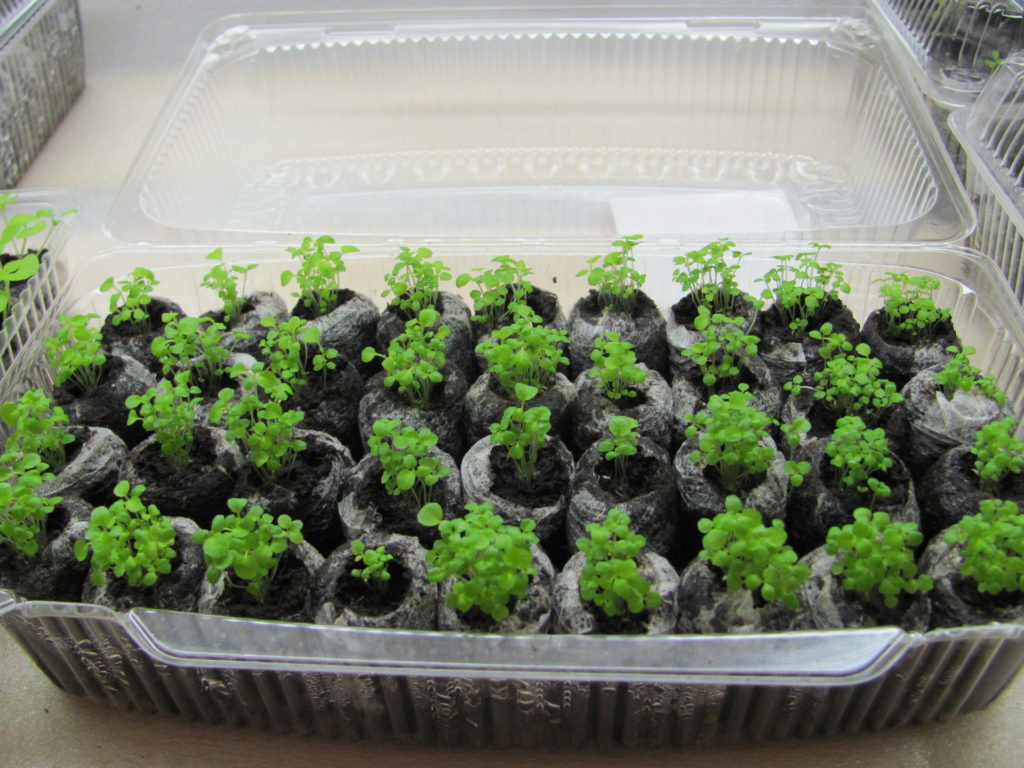
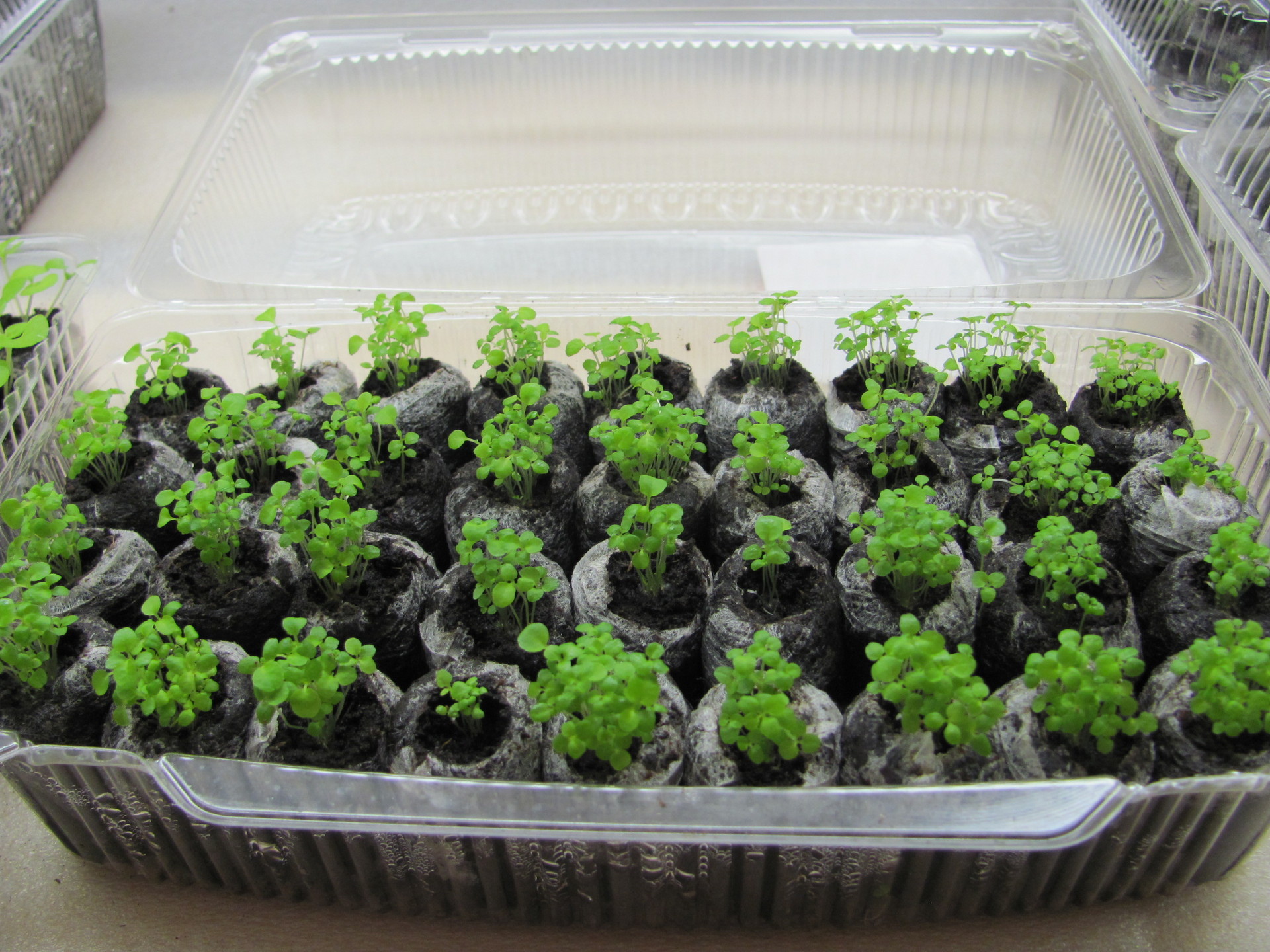
It's best to leave the lid closed for the first few weeks, until the first sprouts appear. This will create a warm, humid microclimate where water will condense on the lid and drip back into the soil, thereby watering the plants.
Please note that the container should be covered with a transparent lid. This will allow light to penetrate more easily. Furthermore, a transparent lid will allow you to monitor the processes occurring inside the container.
It's worth noting that in this case, seed stratification can be done directly in the soil. To do this, fill the container partially with moist soil, leaving 2-3 centimeters of space at the top. Place snow on top of the soil and press it down. Place the previously soaked seeds on the snow and close the lid. Store the container in the refrigerator for two weeks.
Instead of a container, strawberries can be grown indoors in wooden boxes. In this case, fill a small box with soil. Then, level the soil and form small furrows. Plant the seeds in these furrows, spacing them 2 centimeters apart. When planting seeds of different varieties, sow them so that each variety is in a single furrow. Mark each furrow with a marker indicating the variety's name.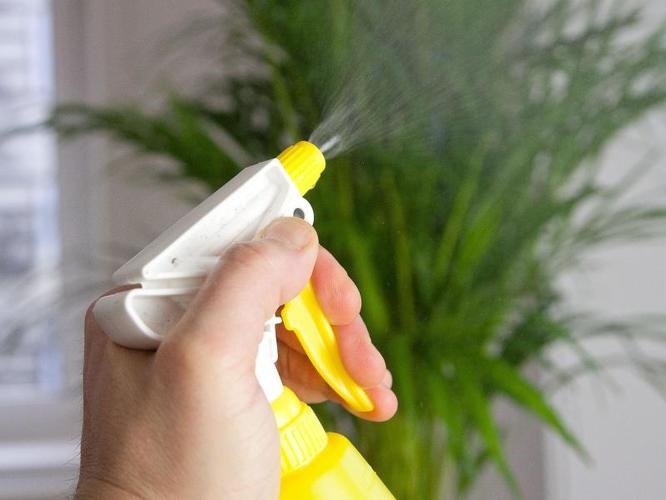
After planting the seeds in wooden boxes, they are moistened with a spray bottle and then covered with plastic wrap. It's important to note that the optimal temperature for seed germination is 18 degrees Celsius. Higher temperatures slow germination.
Picking seedlings into individual cups
When growing strawberry seedlings indoors, remember to transplant them. This process occurs when the young seedlings have developed three true leaves. After these leaves appear, the plants should be transplanted into individual cups. The diameter of the new container should be at least 5 x 5 centimeters. Interestingly, strawberry seedlings will grow worse in a common container like a juice box than in a plastic cup.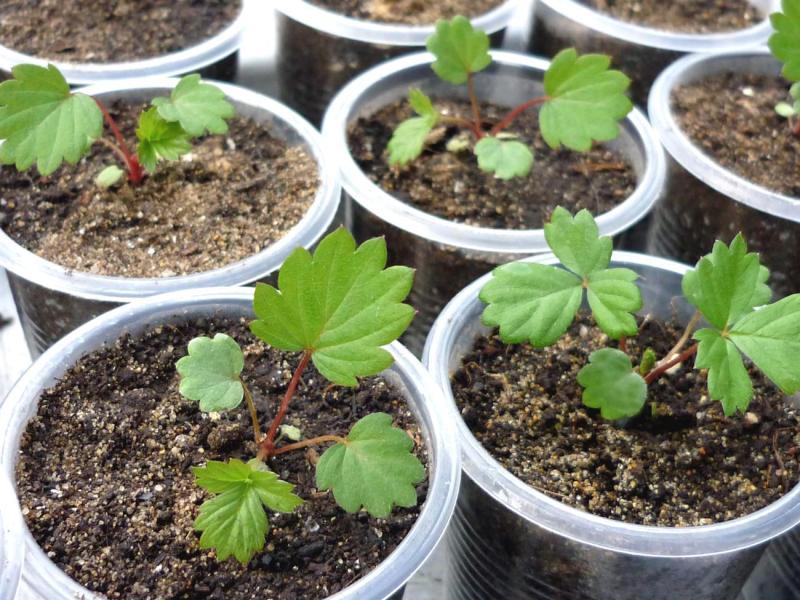
When transplanting into individual pots, make holes in the bottom before planting and add drainage. River sand, nut shells, or pebbles can serve as drainage. After this, fill the pots with soil and plant the young plants. Next, moisten the soil and make a small hole in it. Plant the young plants in this hole, keeping the heart-shaped part of the plant with the leaves above the soil surface.
It is worth noting that remontant strawberry varieties can be sown 2-3 seeds at a time without picking.
Sowing in peat tablets
There's a technique for planting strawberry seeds in peat pellets. One seed is planted per pellet. However, because strawberry seeds germinate poorly, it's recommended to germinate them in a container and then transplant them into peat pellets. Before use, soak the peat pellets in water. Make sure the moisture is thoroughly absorbed.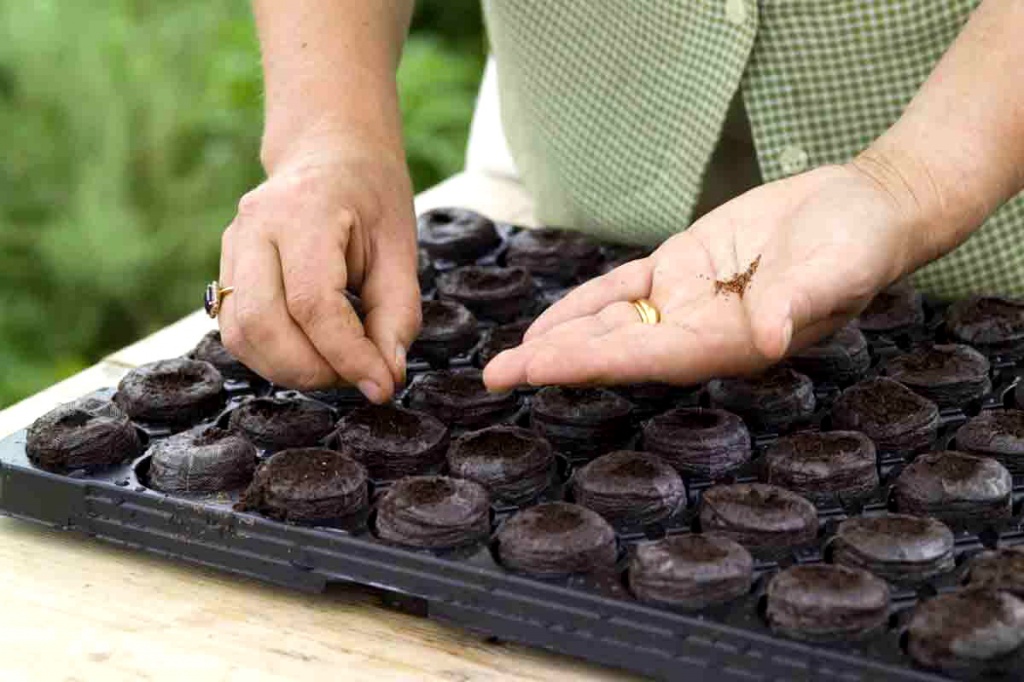
Place the peat pellets in a tray. Any cardboard box will do. Place the sprouted seed into the indentations on the pellet and press it down. Cover the box or tray with oilcloth or a cardboard lid. Place the entire structure in a bright, warm location. After this, all that remains is to monitor the humidity in these unique beds. When adding pellets, moisten them by watering. Avoid overwatering.
Planting in open ground
Once the seedlings have grown and become stronger, they are transplanted into open ground. Typically, a grown bush can be transplanted approximately 6-7 weeks after the seedlings have been grown. However, to improve the adaptability of young plants, they must be hardened off first. To harden off, the seedlings are taken outside for several hours daily. The plant containers should be placed in the shade.
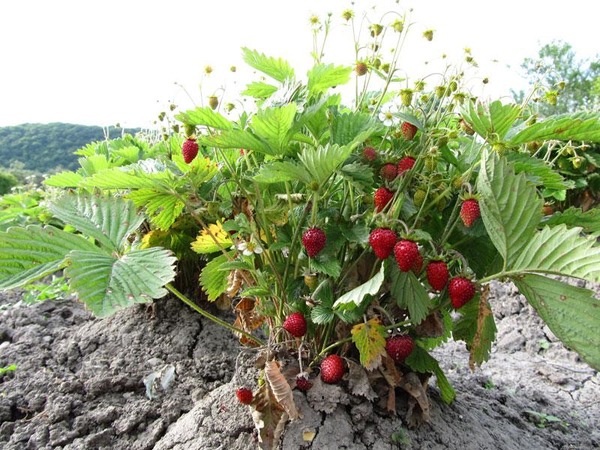
Interestingly, seedlings grown in early spring can produce a small harvest just a short time after being planted outdoors. This harvest can be completed immediately after the berries turn red.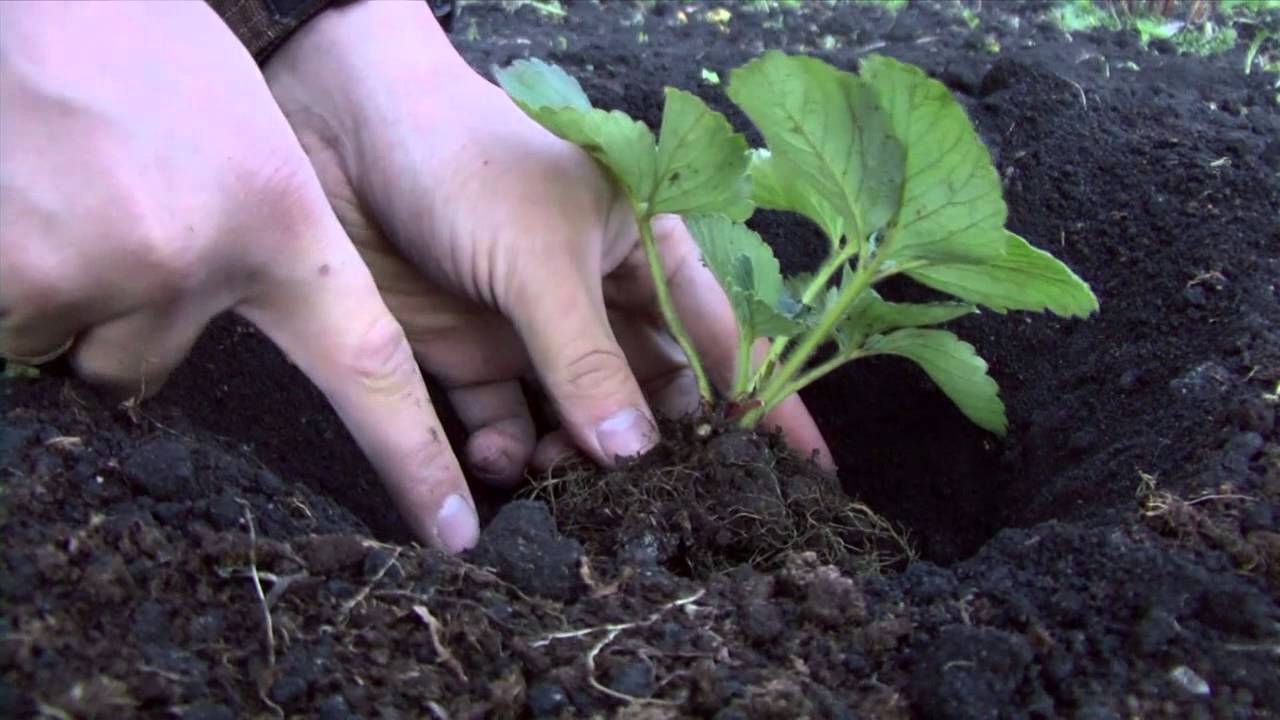
When growing seedlings in the summer, transplanting them outdoors should be done at the end of August. These plants will only produce a harvest the following year. To achieve this, young strawberry plants need to be insulated during the cold season.
Seedlings are typically planted in the garden or vegetable patch in late spring (the second half of May) or early summer (throughout June). Strawberry planting in open ground follows a standard pattern. To increase the yield, experts recommend pinching off the first flowers. This will allow the young bushes to establish themselves, develop new leaves, and set the stage for a bountiful harvest next year.
To obtain a high-quality harvest, strawberry plants require proper and timely care. Without it, they can suffer from lack of moisture, various diseases and pests, and an improper balance of nutrients in the soil needed for growth and development.
As you can see, growing strawberry seedlings at home isn't all that difficult. The key is to follow the step-by-step process and all the professional recommendations. The result will be healthy, strong plants that will yield a delicious and bountiful harvest of berries next year.
Video: Growing Seedlings
This video will show you how to grow strawberry seedlings.