
Peculiarities of growing strawberries at home
Content
Where to start?
Growing strawberries at home always begins with choosing a location for the future garden. To do this, it's necessary to properly assess the area of the existing balcony, loggia, or living room where the plants will be located. To do this, it's important to know that there are two ways to grow plants in these conditions:
- in horizontal containers;
- in vertical containers.
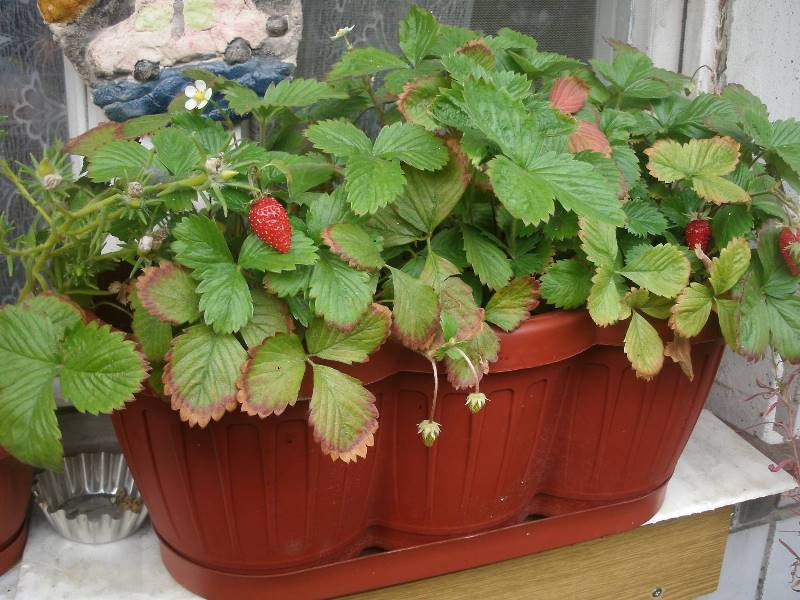
The vertical method is best suited for an apartment, as it allows you to save free space in the room.
Long bags made of thick black polyethylene film can be used to hold the substrate. Large-diameter plumbing pipes can also be used, but holes will need to be cut into them. Pipes are best used for year-round indoor strawberry planting. In this case, they can be moved indoors for the winter without the risk of bursting or spilling the substrate. To prevent the pipe from detracting from the apartment's appearance, it can be decorated with various elements.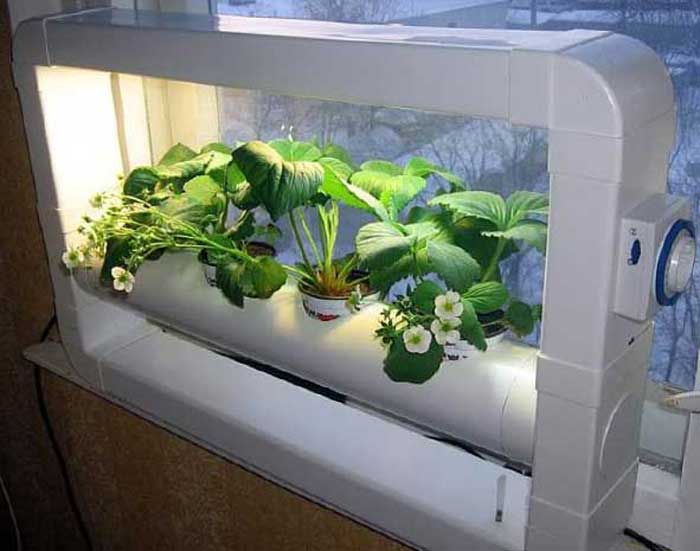
Experts recommend, if space allows, installing a life support system alongside the plant containers. This will ensure timely watering and lighting for your indoor strawberries.
Video "Growing at Home"
This video will show you how to grow strawberries at home.
Substrate
Growing strawberries indoors, just like growing strawberries, begins with preparing the substrate. It's important to note that growing strawberries indoors doesn't require using soil (especially not from the garden). Instead, use a special substrate. This can include coconut milk mixed with vermiculite (perlite) or peat. Expanded clay sand can be added to the substrate, but only use fine-grained sand.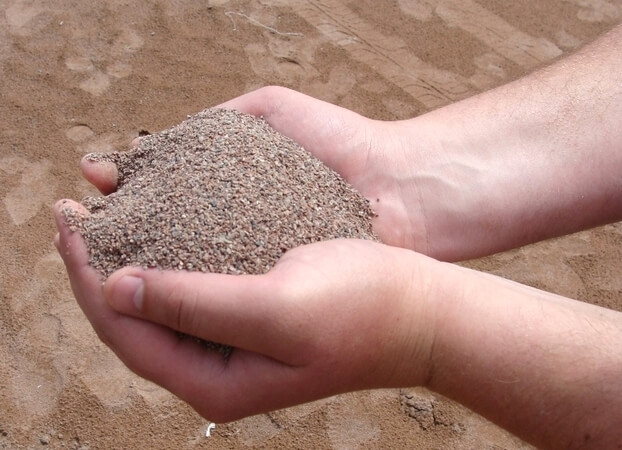
This substrate composition allows for a lightweight design, making containers filled with it much easier to move around the house than if they were filled with garden soil.
Besides its lightness, this type of substrate has another significant advantage: sterility. Garden soil is known to harbor pathogens that cause many diseases of this crop, as well as insect pest larvae. Therefore, if you use garden soil, your indoor strawberries may be susceptible to attacks by caterpillars, earwigs, and various diseases in the winter.
Another advantage of using a substrate in this case is the virtually complete absence of dirt. It will inevitably wash out of the drainage holes during watering. Using garden soil will leave a distinctive damp soil smell inside the house.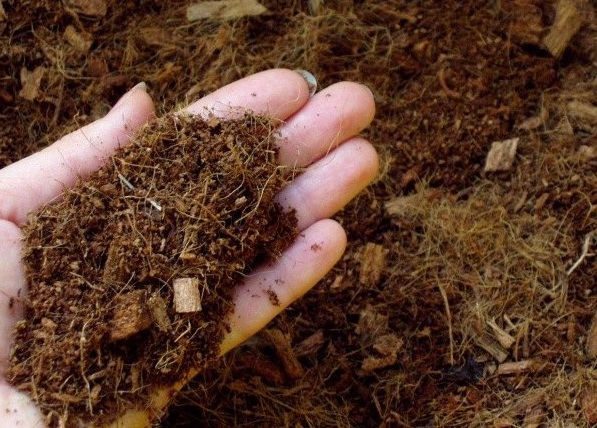
Thus, many gardeners, when asked how to grow strawberries at home, begin by preparing the substrate. However, some people say it's acceptable to use store-bought soil in this case. You can buy soil, a potting mix, or the required substrate. If desired, you can make the required substrate yourself. However, this approach presents a certain challenge, as it's difficult to maintain the correct percentage ratio of all the substrate components. The optimal soil mixture for strawberries is one that consists of the following components:
- humus;
- forest land;
- sand.
All components should be used in equal proportions. Spruce soil is considered an excellent component.
When using garden soil, growing strawberries indoors requires heat treatment. The easiest way to do this is by steaming. The soil can be watered with a medium-strength potassium permanganate solution (slightly pink in color).
The prepared soil mixture needs to sit for a while. Therefore, it should be prepared approximately a week before starting to grow strawberries indoors.
It's worth noting that along with preparing the soil, drainage is also essential. This is done in the same way as for any other houseplant. Expanded clay or small pebbles are typically used for drainage. The drainage layer should be 1/3 of the container chosen for planting.
The most suitable varieties
There is a wealth of information available on how to grow strawberries at home, much of which focuses on choosing varieties and how to grow seedlings.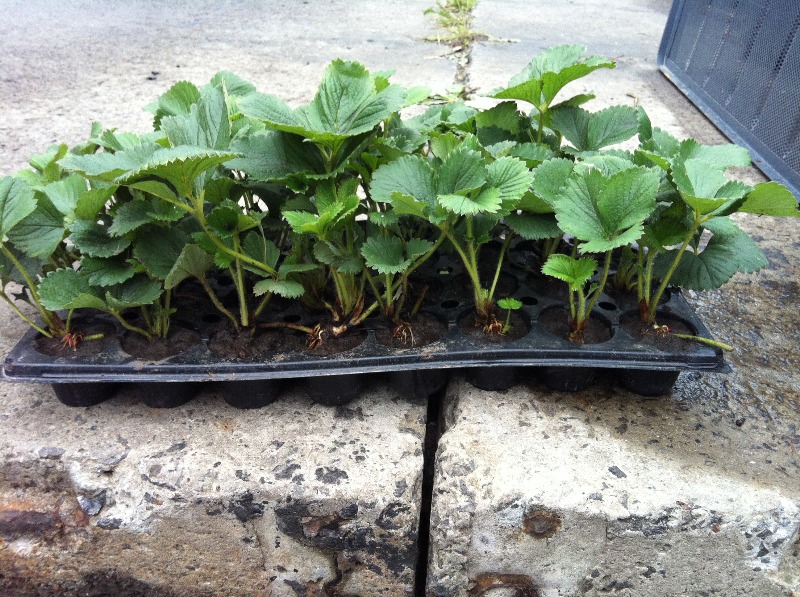
Experienced gardeners and florists say that for growing strawberries in an apartment or house, you should choose trailing and remontant varieties. The point is, in this case, there's no need to use strong, tall, and upright bushes. After all, the berries, whether strawberries or wild strawberries, won't touch the ground anyway, which will protect the harvest from rotting and spoilage.
Trailing varieties are convenient in this case because their drooping vines will completely cover the container they're growing in. Moreover, these plants aren't fussy about light levels. Everbearing varieties, on the other hand, will bear fruit year-round. Which variety to choose depends on your personal preferences and budget.
Growing strawberries indoors can also be done using climbing varieties. These can grasp support and grow vertically on their own, resulting in dense foliage. However, these varieties should only be planted on balconies during the summer. This is because moving them indoors without damaging the stems is very challenging. Twine or a trellis should be provided for indoor use with climbing varieties. Growing these types of strawberries indoors is very challenging.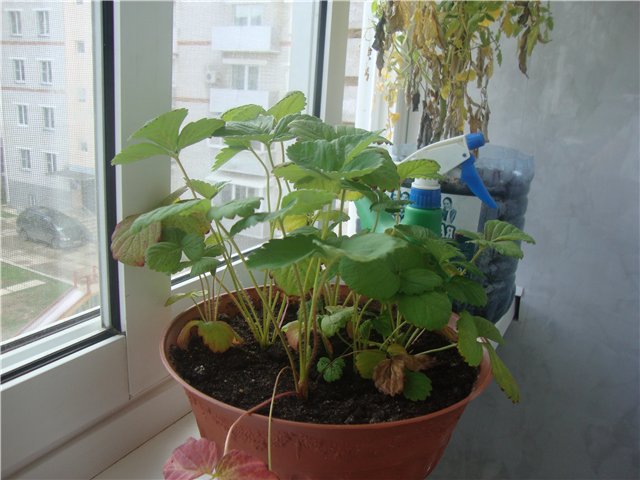
Several varieties can be planted in the house at the same time. However, their cultivation must follow certain rules. The first and most important rule is to isolate them as much as possible from each other. This is especially important for the balcony, where natural pollination by insects and wind can occur.
The best varieties for growing strawberry seedlings, according to many gardeners, are "F - SS1", "Geneva", "Selva" and "Elizabeth II", as well as "Home Delicacy".
Use of fertilizers
Growing strawberries at home requires the use of fertilizers. No plant can survive, much less bear fruit year-round, in an artificially created substrate. Therefore, when growing strawberries indoors, fertilizing is essential. When growing strawberries 24/7, it's essential to constantly add mineral and organic fertilizers to the substrate. Special fertilizers designed for berry crops, such as strawberries, can be used. These are applied during the period of active growth and during flowering. Consult the instructions for concentration and dosage requirements. These are usually listed on the side of the fertilizer packaging. During the formation and ripening of berries, the amount of fertilizer applied should be reduced as much as possible, compared to the recommended technical standards on the packaging.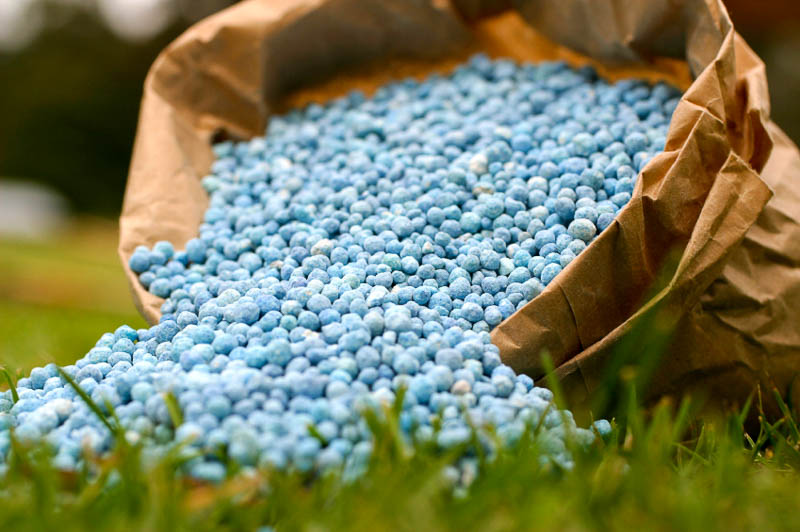
In containers, there's no significant leaching of fertilizers after watering. With drip irrigation, almost all the moisture is absorbed by the roots. At the same time, the nutrients added with the fertilizer are absorbed.
Care
Plants grown indoors require regular and properly organized care. A strawberry bush requires the following care:
- Regular removal of runners. This procedure is performed if non-everbearing and trailing varieties, which produce berries on young runners, were selected for cultivation;
- Conduct periodic pollination. Pollination procedures should be carried out throughout the growing season. For this purpose, you can use a fan on the cool setting, as well as a soft squirrel brush. Brushes used for pollinating different varieties should be stored separately. Each variety should have its own brush.
- Misting the plants with a spray bottle. Misting should be done once a day. This will help create the desired humidity level in the room and prevent the substrate from drying out excessively.

By following these processes, you can ensure that your strawberries produce good fruit throughout the year.
Lighting organization
Any indoor flower or fruiting bush requires light. Strawberries are no exception. During the summer months, a strawberry plant grown on a balcony receives plenty of light. However, when grown indoors year-round, the plants require artificial supplemental lighting.
Experts recommend using LED lamps for indoor plant lighting. They have a balanced red-blue spectrum, which is suitable for both active growth and fruiting. To prevent the light produced by the LED lamp from irritating the visual system, it is recommended to cover the plants with a screen. This can be made from foil. Regular thermal insulation material, available at any hardware store, will also work. This screen will evenly distribute the light from the lamp and increase its efficiency to approximately 50% of the bulb's output.
If LED lamps are unavailable, fluorescent light sources, which produce "daylight," can be used. In this case, it's best to use a combination of two "warm" and one "cool" light sources.
When organizing the illumination of strawberry or wild strawberry bushes, the use of the following light sources is permitted:
- fluorescent;
- LED;
- metal halide;
- high pressure sodium lamps.
The light spectrum of all these bulbs is dominated by red and blue light. Therefore, their light is as close to sunlight as possible. However, prolonged daily illumination may affect your electricity bill. To avoid increasing your utility bills, it's best to use energy-saving LED bulbs.
Artificial supplemental lighting should help create an optimal light regime for the plants. Strawberries planted indoors should be illuminated for 12-14 hours. To automate the lighting process, you can use a standard timer, which can be easily connected to a lighting fixture. It's also important to correctly calculate the illumination level. To do this, you need to determine the wattage of a bulb sufficient to illuminate one square meter of area. To do this, you need to know the light requirements of the plant itself. This information can be found in a biological or horticultural reference book.
Organization of watering
The most important aspect of growing strawberries indoors is proper water management. Watering depends on the chosen planting method. When planting vertically, a drip irrigation system is preferable. To achieve this, water containers should be placed above the level of the plant's pot. Tubes, similar to a medical IV, should extend from the water container. Small holes should be drilled along the entire length of the tube. These holes will be used to water the plants.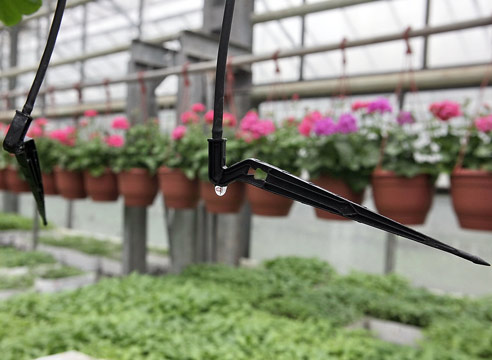
More advanced drip irrigation systems use a micropump. It's capable of pumping a precisely defined volume of liquid. Diluted mineral fertilizers can be pumped through these systems, which is done every two weeks.
When planning to grow strawberries or wild strawberries at home, you need to think through everything in detail: from the substrate to effective watering methods. If everything is organized correctly and regularly monitored, you can achieve excellent fruit production. This way, you'll always have fresh berries on your table, rich in vitamins and simply delicious.


DIY Hydroponics Video
This video will show you how to properly grow strawberries using a special substrate.