
Growing Strawberries Using Dutch Technology: Tips from the Pros
Content
The essence of Dutch technology
Dutch strawberry cultivation technology is most successfully applied in industrial cultivation, but it can also yield excellent results in private gardening if the crop can be provided with all the necessary conditions for fruiting.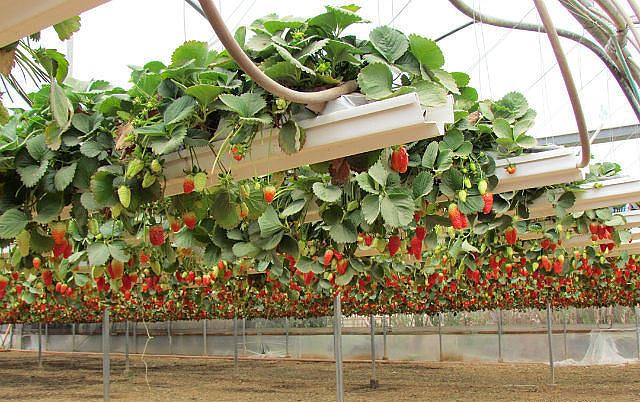
The essence of this method is that a high (maximum) yield can be obtained continuously throughout the year from a minimal area. This result is achieved only under the following conditions:
- During the cultivation process, only closed soil (greenhouses) is used, since only a greenhouse microclimate can ensure the vegetative process of plants at any time of the year;
- the availability of high-quality equipment (moisture meters, drip irrigation system, ventilation, lighting, heating), which ensures the safety of plants in any weather conditions;
- continuous planting of new seedlings (on average, once every 1-1.5 months) and maintaining a supply of seedlings.
Thanks to this technology, the Netherlands ranks first in the world in strawberry production and export volumes. It's worth noting that Dutch greenhouses grow not only strawberries but also many vegetable crops. How has a small country with a catastrophically limited amount of available land achieved such impressive results? The answer lies in the fact that the country's breeders and scientists are constantly searching for ways to maximize yields using small spaces and small containers: sacks, bags, and crates.
In fact, the Dutch method of growing strawberries is very effective, but if you're a beginner gardener, it's worth trying with a small bed, say, on a windowsill. A couple of pots of strawberries won't require much attention, and if you fail, the losses will be minimal.
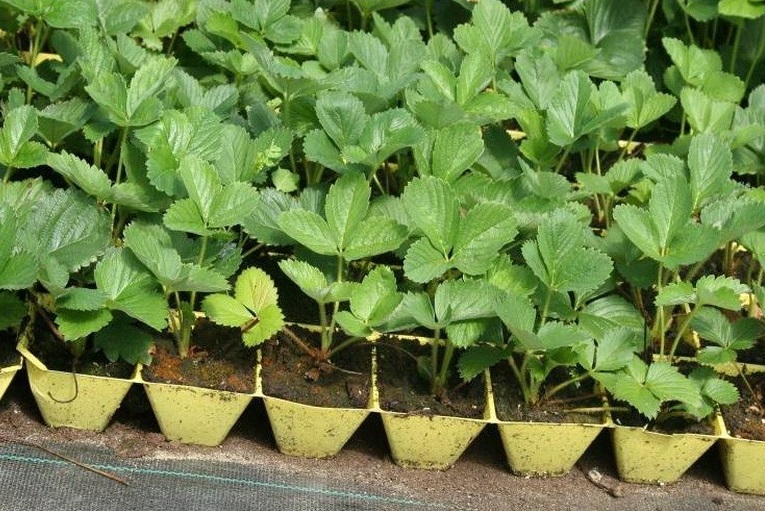
To achieve continuous fruiting on a large scale, it's necessary to regularly plant new seedlings, and this can be problematic. Ready-to-plant "frigo" (cold-stored) seedlings are available year-round from specialized nurseries, but they're not cheap. Therefore, for small private greenhouses, it's easier to prepare seedlings yourself from the runners that form on the plants.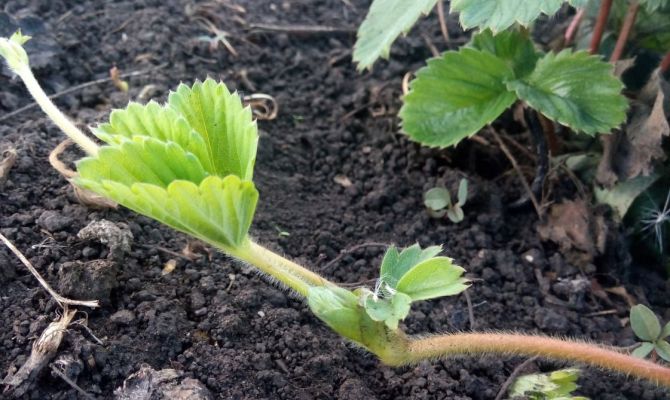
Experience from European farmers has shown that seedlings obtained during the warm season can be stored in cold storage for up to nine months while awaiting planting. Therefore, you can prepare your own planting material without unnecessary expense, or use everbearing varieties that require replacement every six months.
Video: "Growing with Dutch Technology"
This video will show you how to properly grow berries using Dutch technology.
Advantages
Although growing berries in a greenhouse using Dutch technology may seem difficult at first, the method has many advantages;
- using any containers available on the farm for planting: boxes, containers, pots, bags;
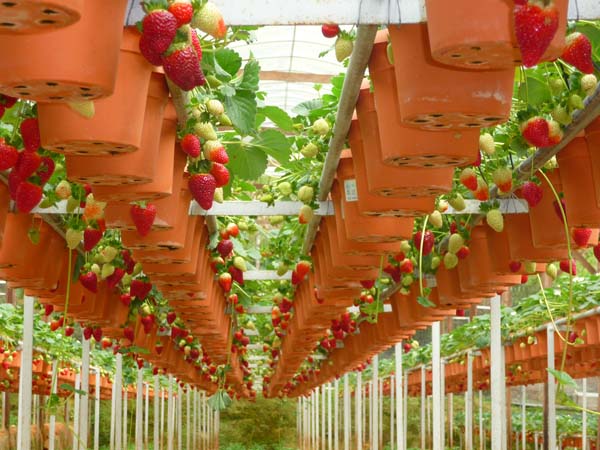
- the possibility of compact placement of plants (vertically, in tiers), which allows saving planting space, and thereby increasing yields, and in commercial cultivation, also income;
- the ability to grow seedlings in any conditions: in pots on a windowsill, in greenhouses, on loggias and balconies;
- continuous harvesting;
- low infection of plants with bacteria, viruses and pests due to the possibility of sanitary treatment of planting containers and substrate;
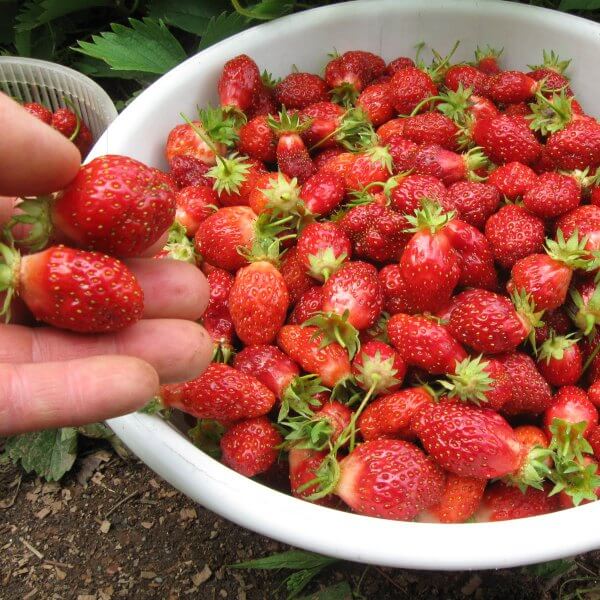
- in terms of quality and taste, such strawberries are in no way inferior to berries grown in natural conditions (in the garden);
- The method is simple and easy to use. Once you've set up your greenhouse, you just need to maintain it in working order and enjoy the process.
Considering all these positive aspects, it can be said that even large investments of effort, money, and time on your part will quickly pay off and begin to bear fruit (or profit).
What varieties are suitable?
Selecting a variety is the most crucial step in this process. It completely determines the yield, as well as the taste and marketability of the berries:
- Of course, first of all, these should be large-fruited varieties with an early growing season (they ripen faster);
- In order to plant bushes less often than once a month, choose remontant varieties that bear fruit in waves and continuously for at least six months;
- It is desirable that the variety be resistant to diseases and temperature changes (who knows what kind of emergency might happen?);
- The main thing is that the plants are self-pollinating, otherwise you will have to carry out this procedure manually, running with a brush from flower to flower.
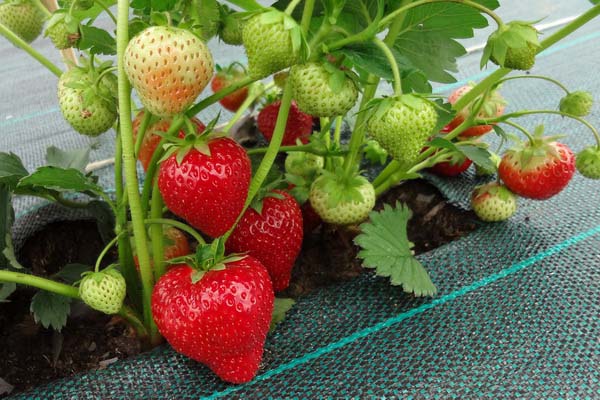
The most preferred varieties for cultivation using this technology are: Darselect, Selva, Sonata, Tristar, Honey, Pandora and many other remontant varieties.
Soil preparation and planting
Before planting seedlings in a greenhouse, it's necessary to prepare the soil. Garden strawberries prefer fertile soil, so it's best to use a soil mixture containing natural soil and synthetic additives. In principle, strawberry cultivation using the Dutch method can be carried out using substrates of various compositions:
- mixtures of turf and loamy soil with the addition of organic matter;
- a mixture consisting of 7 parts sawdust and 2 parts soil treated with a urea solution;
- lowland peat mixed with humus and treated with copper sulfate;
- soil and river sand in a ratio of 10:1 with the addition of humus;
- hydroponic materials: mineral wool, perlite, coconut fiber.
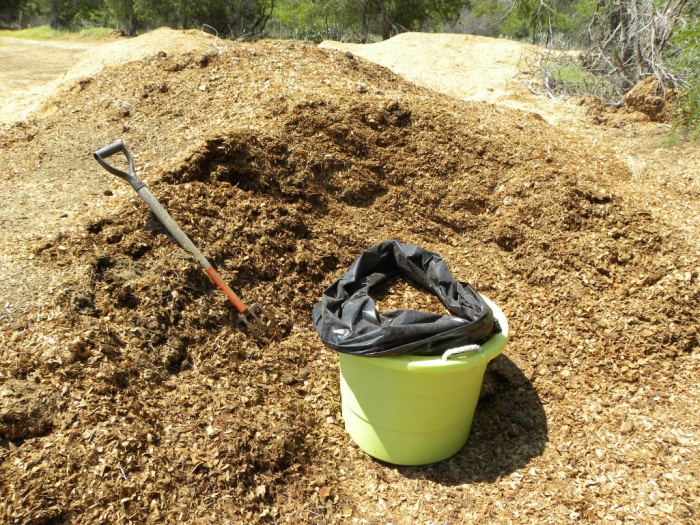
Before filling the planting container, mix the substrate thoroughly and remove any excess material, such as clumps and roots. If using organic fertilizers in the substrate, disinfect the soil with a manganese solution or heat the mixture for several hours at 60°C. Remember that the substrate must be sterile to prevent pests and fungi from developing.
Conditions for growth
Growing strawberries year-round yields maximum results only if a number of conditions are met, which must be carefully ensured for the plants:
- moderate and uniform moisture of the substrate is achieved by using drip irrigation;
- additional lighting - remontant varieties form ovaries in neutral daylight hours, however, for rapid forcing of plants, daylight hours should be increased to 16-18 hours;
- maintaining the temperature regime – the average temperature for greenhouses is 20-22°C, during the fruiting period it can be increased to 25-27°C;
- access to fresh air; if the greenhouse is not equipped with a ventilation system, the room must be regularly ventilated by opening the windows.
- To ensure a continuous harvest of berries, seedlings need to be planted regularly, at least once every 2 months, using several different varieties.
Caring for plantings
Unlike the preparatory work and planting itself, caring for the plants doesn't take much time. If planting is done correctly, all that remains is to maintain the conditions necessary for strawberry growth and fruiting: watering, ventilating the greenhouse, and fertilizing. Nutrient solutions are best applied during watering. Fertilizing should be done once every 2-3 weeks. Since the plants are simply discarded after harvest and replaced with new seedlings, preventative treatments are unnecessary.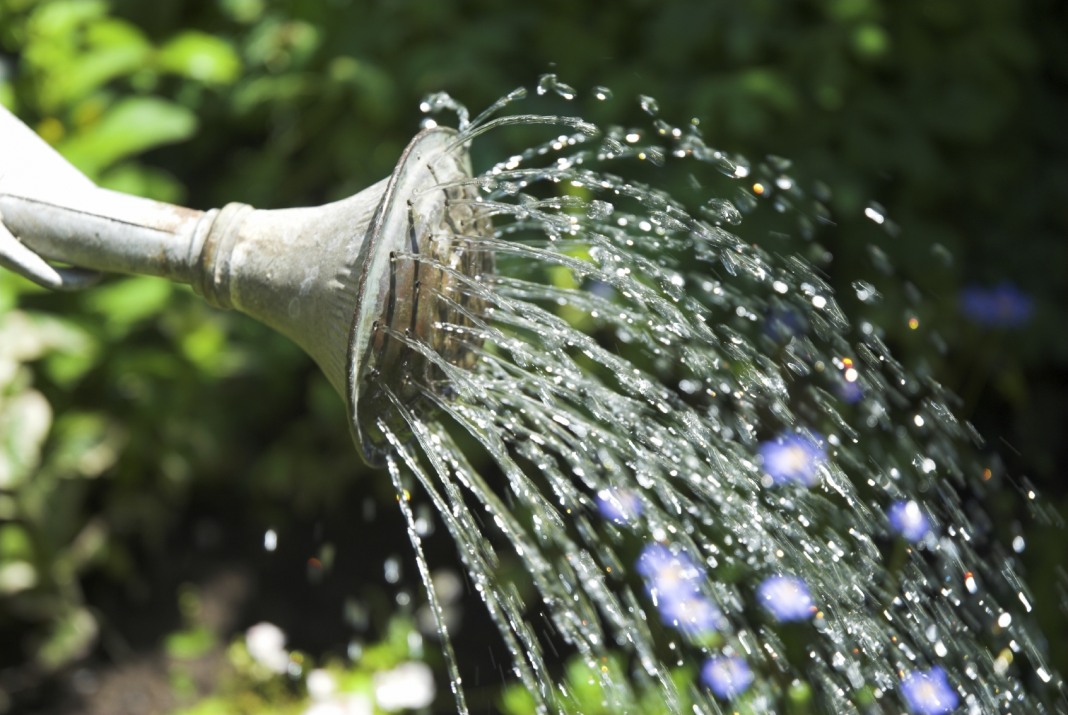
As for irrigation, Dutch technology involves stationary drip irrigation, but it is only applicable in large greenhouses. At home, watering should be done so that water doesn't fall on the leaves and that moisture is distributed evenly. A homemade drip irrigation system can be constructed using the tubing from a standard medical dropper. Simply lower the tubing into a jar of water and apply it directly to the plant's roots. This is all the care strawberries need in a greenhouse. By providing this minimum, you'll reap fresh, flavorful berries year-round.
Video "Strawberry Varieties"
This video will show you which strawberry varieties will never let you down with their yield.