
Secrets of growing strawberries and wild strawberries from seeds
Content
Growing strawberries
Strawberries are round and a rich scarlet-purple color. A pleasant musky aroma harmonizes with their rich flavor. They are cold-tolerant and boast a strong immune system. Strawberry cultivation is rare, perhaps because the variety called Shpanka is dioecious and requires a lot of space.
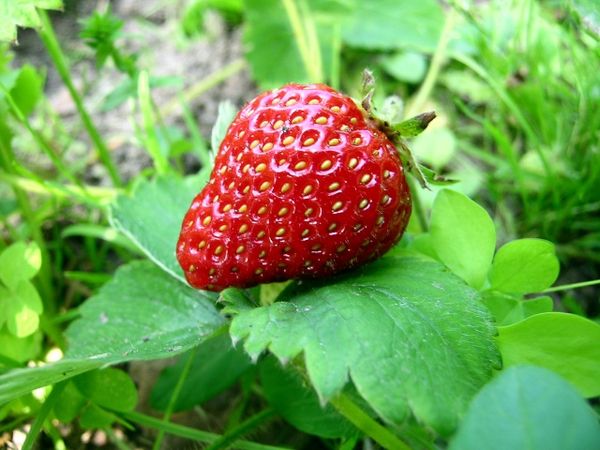
To ensure fruiting, part of the plot will be occupied by male, empty-flowered plants. A more compact alternative is the Milanese strawberry. It is capable of self-pollination, but produces far fewer fruits. Nevertheless, growing strawberries from seed is a good option, especially if winters are harsh.
Selection and preparation of seeds
The first step is choosing the right seeds. Trusted stores are always a good choice. However, if possible, it's better to make your own. To do this, you'll need:
- choose the most attractive berry;
- if necessary, leave it to sit for a bit - let it ripen a little;
- carefully remove the layer with seeds and place in a container with water;
- carefully separate the unnecessary pulp;
- Leave the seeds to dry on a paper towel or newspaper.
In this form, the raw material will be suitable for germination for several years.
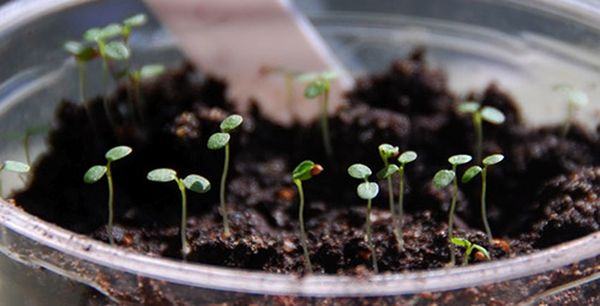
Before sowing the selected strawberry seeds, you need to be patient and proceed to the next step. For this, you'll need a plastic container with a tight-fitting lid, cotton wool, and rainwater (or melted snow). The goal is to soak the seeds. This is how to do it:
- soak cotton wool in water and place it on the bottom of the container;
- spread the seeds;
- cover with a second layer of damp cotton wool;
- Close the container tightly, having made several holes in the lid in advance;
- leave for two days.
To germinate the swollen seeds, they are placed in a cold place. They should remain there for at least two weeks. This technique hardens the future seedlings under low temperatures. This is called stratification. The ideal place is the refrigerator. However, it's important to regularly check the condition of the seeds, ventilating them and preventing them from drying out.
What should the soil be like?
The bushes will thrive in loose, fertile soil. Although this plant thrives in moisture, avoid excess moisture. If the soil you're planting in is predominantly sandy, enrich it with a mixture of peat and humus. If the soil is dense and clayey, add sand.
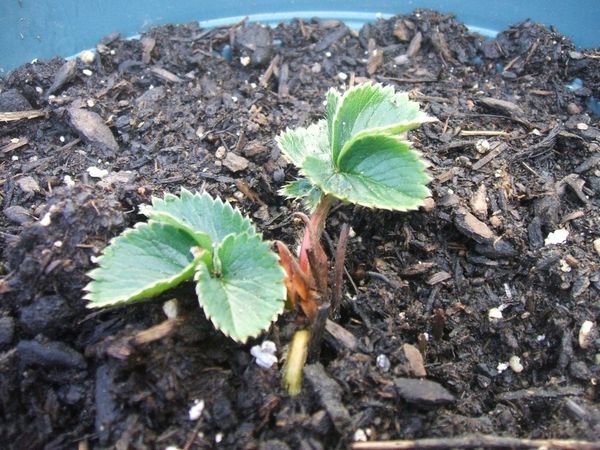
The soil needed to help seedlings sprout their first leaves can be either purchased or prepared at home. A mixture of sand and two types of soil—forest soil and garden soil—is optimal.
Necessary conditions for growing
Before planting strawberry seeds in the soil, it needs to be pre-treated to remove any pests or harmful microorganisms. Twenty minutes in the oven is sufficient. The soil needs to be "prepared" before stratification begins—after it's completed, the soil will restore a favorable environment suitable for planting.
Young shoots prefer warmth and moderate humidity. This means the room temperature should be around 20°C. To prevent mold, it's important to control the amount of water. This includes timely ventilation and removing excess condensation. Avoid allowing the soil to dry out; moisten it with room-temperature water from a spray bottle. Soft daylight is another essential that shouldn't be ignored.
Planting and further care
Strawberries must be sown carefully, with pinpoint precision. Using tweezers, place the newly hatched "babies" into a wide container filled with moistened soil. Space them at least 2 cm apart. It's important not to press the sprouts or cover them with soil. Cover the container with a transparent perforated lid or film. This makes it easy to monitor the seedlings' progress. If all preparations have been completed and the conditions are met, the green potential will soon burst forth from the soil.
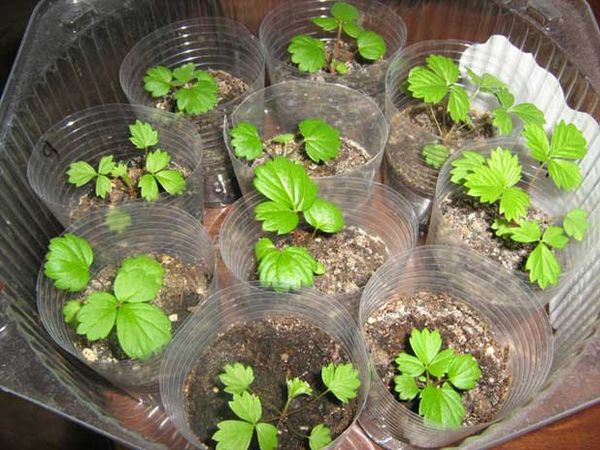
Once the young strawberry plant has 3-4 leaves, it's time to transplant it. Each seedling will be given its own dedicated space, a plastic container 5 cm or more in diameter. Disposable cups are most commonly used.
Over the next few months, the young plants will require special attention. In addition to regular watering, hardening-off procedures will be essential. Gradually, to avoid stressing the plant, introduce it to sunlight and fresh air. Once the seedlings have established themselves and become miniature bushes, night walks will be appropriate. The main thing is to avoid frost.
Timing and planting in the ground
On average, seed preparation takes place from late January to February. Given the hardiness of strawberries, they can be planted in the first half of spring and harvested in late summer. It's best to plant the plants in a semi-shaded area, as strawberries don't tolerate heat well.
Growing strawberries
This berry can be sweet or sour, large or small, trailing or climbing. Growing strawberries from seed is a labor-intensive process, as they are delicate and finicky. It's no wonder this berry is closely related to the strawberry.
Selection and preparation of seeds
There are so many strawberry varieties that it's easy to get confused. This variety can be planted in a pot, from which it can grow into a giant berry. However, choosing one requires careful consideration. For example, trying to grow hybrid strawberry varieties from seed is a thankless task. They have a low germination rate, and all reproduction is done by the tendrils.
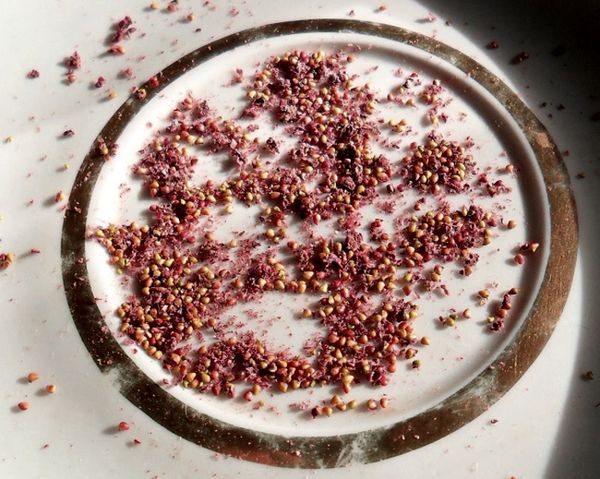
Sun-loving strawberry seeds should be stratified and, if necessary, dried beforehand. Incidentally, you can do without water and simply let the material dry before removing the seeds.
What should the soil be like?
The berry prefers light, loose soil without significant fertilizer. A combination of sand, forest turf, and garden soil is also suitable. Peat can be substituted for the latter. The plant will also thrive in the following mixture:
- 1 part peat;
- 1 part sand;
- 2 parts of turf.
Necessary conditions for growing
Soil sterilization is an essential part of creating a favorable microclimate for strawberries. The process is the same as for strawberries. Care for both plant types is virtually identical. The main differences are:
- strawberries tolerate dryness better;
- does not like to be in dark places;
- slightly less resistant to diseases and parasites.
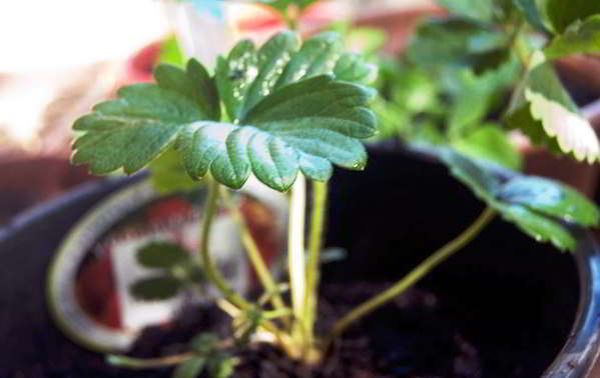
So, for the most natural development, strawberries need:
- stable temperature from +18 to +22 °C;
- high, sometimes artificial lighting;
- regular humidity checks and ventilation;
- inspection of the plant, identification and timely elimination of problems.
Planting and further care
When planting the seedlings in the soil, work gently and carefully. Some specialists create a bed of snow on which to lay the seeds. After a few days, the snow gradually melts. This moistens the soil and deposits each seed in the most natural way possible.
After picking, the seedlings remain at home for a long time, and begin to harden off only in April.
Timing and planting in the ground
There are varieties that can even cope with dense clay soil. However, it's best to avoid planting on steep slopes and with a low water table. The optimal time for transplanting seedlings is late spring. It's best to do this promptly, as strawberry plants can be planted as late as late summer, but then you'll have to build a greenhouse and wait a whole year for a harvest.
Gardener's Tips
Experienced gardeners have acquired their own personal wisdom over years of toiling in their gardens. They can share a few secrets that can make the work of beginners much easier:
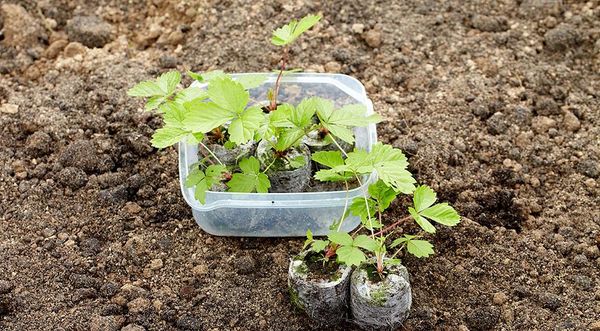
- The power is in the tablets. They are made from peat or coconut fiber. They have excellent protective and moisture-absorbing properties. Furthermore, the tablets can and should be placed in the soil along with the plants, without disturbing them during repotting.
- If you want berries, be a bee. Flying isn't necessary, but you can help your green pets pollinate with a soft brush;
- And most importantly, love what you do.
Video: "Secrets of Growing Strawberries from Seeds"
This video will show you how to grow strawberries from seeds and how to care for seedlings.