
Everbearing strawberries: growing secrets and proper care
Content
Peculiarities
Let's start with a definition. Everbearing is the ability of some plants to bear fruit repeatedly or multiple times. Everbearing strawberries produce their first harvest in July, and the second, most abundant one, in August to early September.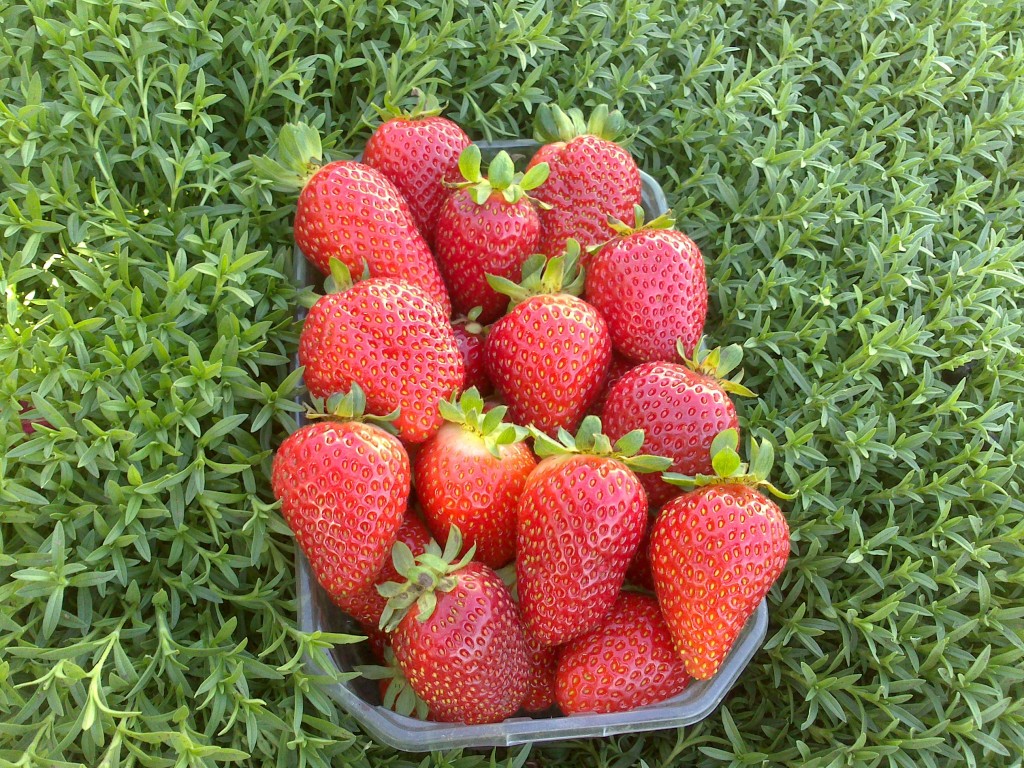 Strawberries are very sensitive to daylight hours and are divided into three photoperiodic types:
- Short-day. These are common varieties that fruit once in early summer. They set buds during short days (less than 12 hours) in late summer. Fruiting can occur as early as eight hours a day, but is limited by the low temperatures of the winter months and therefore occurs much later, around 14 hours.
- Long-day. Everbearing strawberry varieties that set fruit buds when daylight hours are 16-17 hours long (from late May to mid-July). Flowering begins with 12-hour days, and the main harvest occurs in late summer.
- Day-neutral. Fruit bud formation and flowering are independent of day length and continue from early spring until the end of the growing season. This process is undulating for "day-neutral" varieties, occurring every six weeks. In southern regions, these varieties can form four fruiting cycles in open ground. However, during dry periods at temperatures below 25°C (77°F), the pollen becomes sterile and fruit does not form.
Therefore, the maximum yield of day-neutral varieties is obtained in closed ground, where all conditions for its cultivation are created.
Under such a heavy load, plants age quickly, therefore, remontant strawberries require more careful care and plantations need to be renewed more frequently.
Video "Care Features"
This video will show you how to properly care for everbearing strawberries.
Preparing for landing
For planting everbearing strawberries, choose a well-lit location with light, fertile soil. The site should be spacious, as the bushes are planted at a fairly wide distance from each other to allow the emerging runners to root. The selected site must be cleared not only of weeds and any organic debris but also of pests, which can destroy an entire everbearing strawberry plantation.
To combat the cockchafer larva, mustard is planted as a green manure or the soil is treated with the insecticide "Aktara". Then dig the soil up to the depth of a shovel blade, level it, and break up any clumps. You can plant strawberries in about three weeks, once the soil has settled. Freshly dug soil can expose the plant's crown and roots after settling, or, conversely, cover the growing point.
Everbearing strawberries, which require careful cultivation and care, require well-fertilized soil. If the soil is poor, add organic matter and phosphorus fertilizers along with tilling. Caring for a future harvest includes choosing the right varieties. The best varieties, according to experienced gardeners, include Ali Baba, Alexandri, Lesnaya Skazka, Ruyana, Baron Solemacher, Koroleva Elizaveta, Iskushenie, Diamant, Evi2, and Moskovsky Delikates.
These include both small-fruited varieties and varieties with giant berries. If you're interested in a particular variety, you need to know how it's propagated. It's best to purchase seedlings of runnerless varieties from reputable growers rather than from the market, or to grow them yourself from strawberry seeds. Growing from seed isn't exactly the easiest way to propagate everbearing strawberries, but it's certainly the least expensive.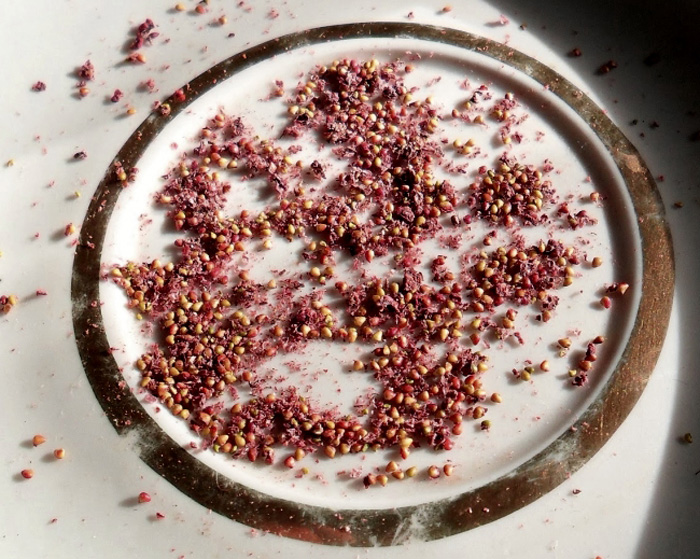
How to grow seedlings from seeds? You'll need a container and some garden soil. Sow the seeds in January, if you have access to additional light, or in early March. Spread the everbearing strawberry seeds on a napkin, soak them, cover with plastic, and place them in a warm place until sprouts appear. Before sowing, prepare the soil by disinfecting it in a preheated oven for 15-20 minutes. Sprouted strawberry seeds are planted using a match or toothpick.
Planting methods
Planting everbearing strawberries depends on the variety's ability to produce runners. Non-runner varieties are best planted using the double-row method. The distance within a row is 20 to 40 cm, and between rows, 50 cm. The advantage of this method is the ease of planting and care, as well as harvesting. Everbearing strawberries, which produce runners, are best grown using the nest method, with at least 50 cm between plants. This method allows for a good harvest and high-quality home-grown planting material.
This method ensures that the plants receive adequate light, do not come into contact with each other, and therefore do not become infected. The disadvantage of this method in large areas of uncultivated land can be overcome by thickening the everbearing strawberry plantings with garlic. Garlic grown this way will not only yield a bountiful harvest but also protect the planting from slugs.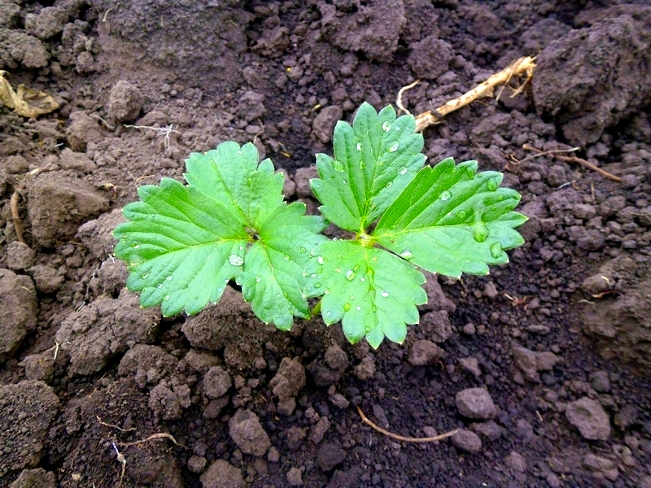
Everbearing strawberries are planted in a hole measuring 20x20x20 cm. A mound of nutrient mixture (2 cups of ash, 1 bucket of compost, and 2 liters of vermicompost per bucket of soil) is placed at the bottom. The seedling is placed and covered with soil. The root collar should be level with the ground. After this, the plants are watered.
Everbearing strawberries are planted from spring to fall. Spring plantings won't produce many berries, but fall plantings will bear fruit several times. Don't delay planting in the fall; the seedlings should have time to establish roots before frost.
Care instructions
The yield of your everbearing strawberries depends directly on how you care for them. Frequent soil loosening, pest control, regular watering, fertilization, and removal of diseased leaves are essential.
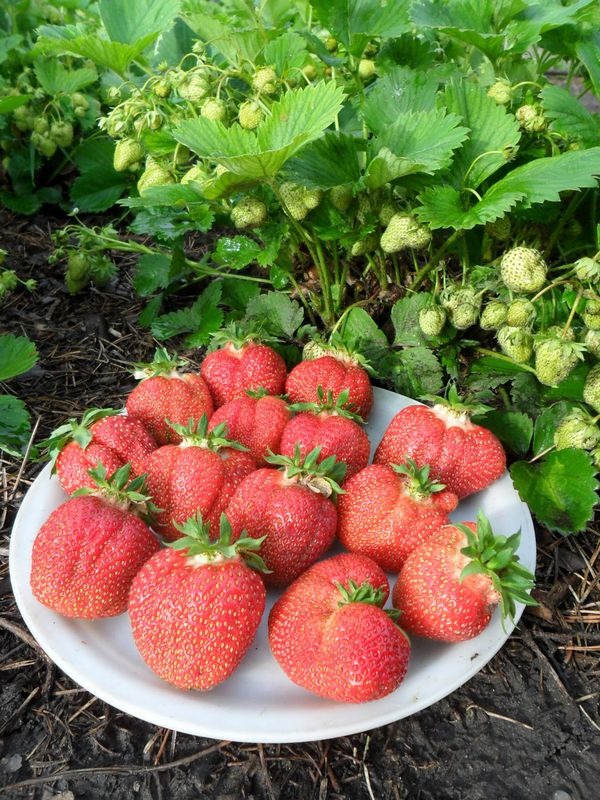
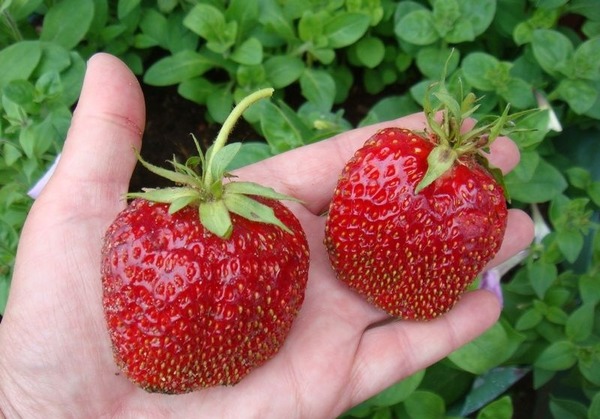
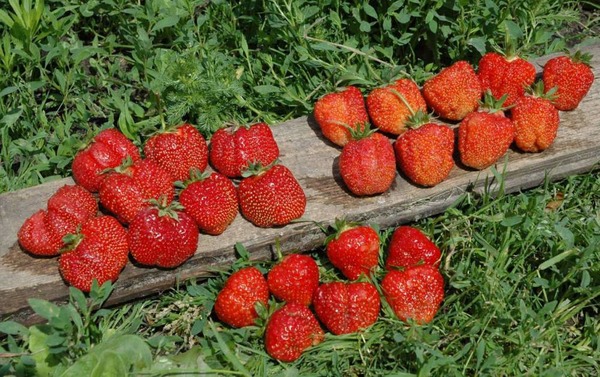
Caring for everbearing strawberries is essentially the same as caring for regular strawberries. If you're growing different varieties, you can remove the first flower stalks on everbearing ones, which will ensure a more abundant harvest in the future.
Preparing for winter
To protect plants from freezing, it's important to preserve the leaves, which protect the strawberry's main organ—the "heart." To do this, loosen the soil to a depth of 1.5 cm, being careful not to damage the roots, fertilize with ammophoska (1 tablespoon per square meter), mulch with humus, and pick off the flowers and berries. Leave the leaves alone. 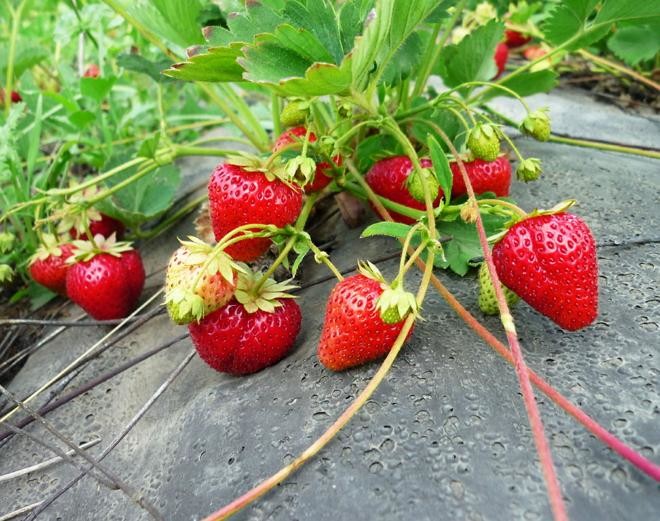 If the foliage freezes and turns black before the snow appears (this happens at -5 degrees), this will greatly weaken the plants.
Therefore, strawberries are covered with pine needles or leaves and covered with plastic film. When a 10-centimeter layer of snow forms, the film is removed and branches or spruce branches are thrown over the beds to retain snow.
10-12 centimeters of snow will protect strawberries from frosts down to -18 degrees Celsius, and a 20-centimeter layer will protect them even when temperatures drop to -30 degrees Celsius. Heavy snowfalls will preserve strawberries without any cover.
Video: Growing from Seeds
This video will show you how to grow strawberries from seeds.