
How to choose and use covering material for strawberries
Content
Do strawberries need to be covered?
Gardeners are accustomed to the fact that frost protection isn't necessary for these natural delicacies. Experience shows that covering strawberries significantly increases yields the following year. Growing low-growing bushes under plastic yields remarkable results. In winter, strawberries can withstand temperatures below 7°C (45°F) as long as the snow cover reaches 25 cm (10 inches). Snow protects the bushes from frost, preventing them from destroying the living plants.
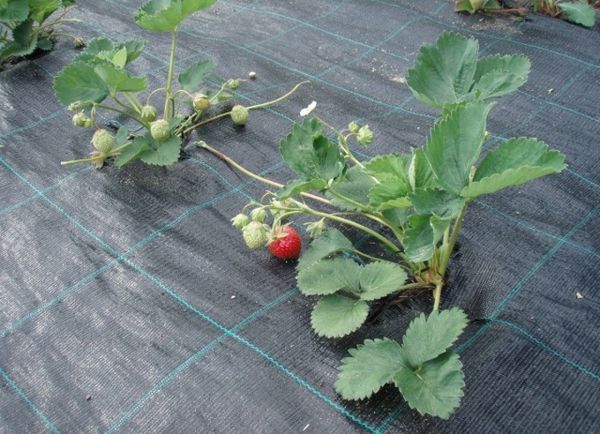
It's hard to predict what winter will bring this year. Anomalous phenomena are being observed on every continent. No one is immune to a frosty, snowless period. Strawberries can simply freeze if they are not covered with special means. Therefore, the owner must ensure optimal temperature conditions to ensure the crop survives the cold weather without loss. The effectiveness of mulching is beyond doubt. It is practiced in many countries where climate changes dramatically.
Selecting the material
There are various ways to mulch bushes. The final choice depends on your region. In warm climates, organic matter is sufficient, while in cold climates, plastic film is essential. Commercially available mulch acts as a bed former and protects against weeds.
Organic
If weather conditions permit, you can make do with what nature provides. Snow cover is renowned for its versatility. However, it cannot be recreated artificially. This option should not be considered the primary one. Plant-based covering materials include:
- straw;
- leaves;
- sawdust.
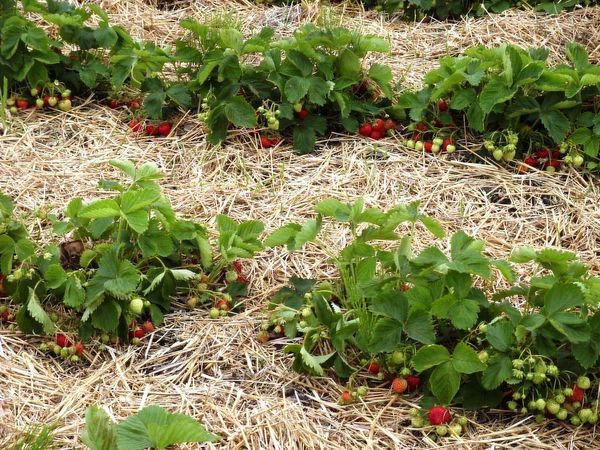
Natural materials retain moisture better, preventing the soil from drying out and forming clumps. The plant receives sufficient oxygen. Sawdust is not recommended on alkaline soils. It is an oxidizer and can actually harm the bushes. If conditions permit, you can cover the berries with pine needles, after mulching the bed with compost.
Straw is considered last. Rodents hide in dry grass during winter, and they can harm plants. Fallen leaves are also considered a good option. However, owners must be sure of their quality. Diseased trees are not suitable for insulating garden beds.
Inorganic
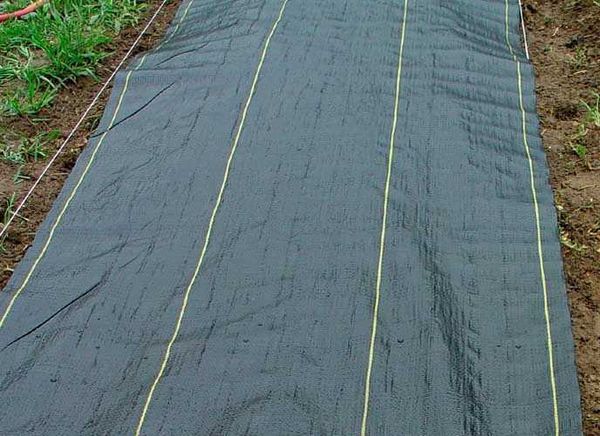
Black strawberry covering material is the most commonly used. It achieves the desired result. Caring for plants separated this way is a pleasure. Another undeniable advantage of this material is its excellent weed control. This miracle product is also known as agrofibre or spunbond.
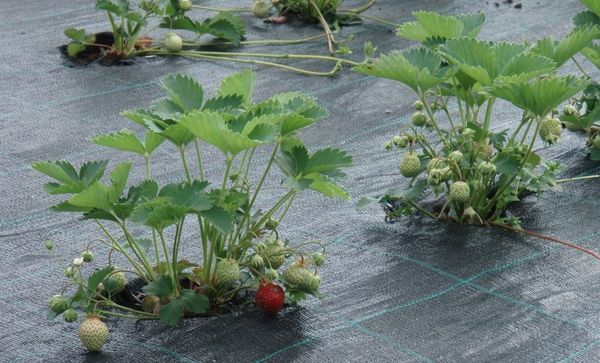
Geotextiles are sold in specialized stores and vary in density. They shouldn't be confused with film. They offer different protective properties. Some people think agrotextiles are too expensive and unprofitable. This comes from someone who hasn't tried wrapping strawberries. Under a seemingly thin layer, heat is retained better than in an apartment.
The plant thrives on quality care. Cardboard is a popular choice among readily available materials. Simple boxes are used to cover the beds, with stones weighing down the edges.
Preparing the bed for covering
After harvesting, it's time to prepare the bushes for winter. Before covering the strawberries, trim off excess tendrils and preserve a few shoots to form compact bushes. Ease of use during all stages of planting is a key consideration, even at the planting stage. It's best to properly demarcate the beds from the start. Winter preparation includes:
- fertilizer;
- pruning;
- loosening;
- weeding.
To prevent frost damage to the root system, the soil around each bush should be loosened and weeds removed. If the soil hardens, the roots may die. Insulating and fertilizing strawberries automatically creates favorable conditions for the development of weeds, which reproduce by seed.
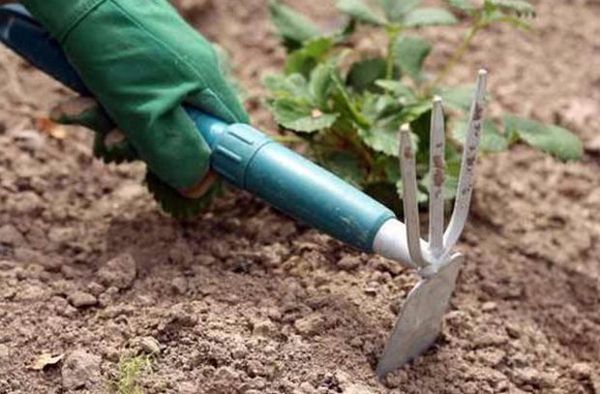
So, the beds are fertilized with humus, compost, or synthetic fertilizers. In the fall, the soil is thoroughly loosened, oxygenated, watered, and harmful plants are uprooted. Once you're sure the job has been done properly, you can move on to laying out the black plastic for the strawberries.
Installation of covering material
The mulch should be spread over the entire area so that each bush is covered. Stores sell mulch with pre-cut holes through which plants can be threaded. However, you can make the cuts yourself; it doesn't take much time, and solid material is cheaper. Unprotected parts will likely die, requiring new seedlings to be planted, which is unnecessary work. The length and width of the mulch should be 30 centimeters larger than the area.
Winter often brings blizzards and strong winds. To prevent the agrotextile from blowing away, the loose edges should be weighed down with something heavy. Stones, bricks, or boards are best. The fabric allows water to pass through on one side and retains it on the other. If you mix it up and place the covering with the dense side facing up, all your hard work will likely be wasted. Strawberry film should not impede air circulation. Many gardeners prepare the area before planting.
Features of planting under cover
Strawberries produced under plastic film produce a higher yield. Therefore, it's recommended to obtain this material before planting the seedlings in open ground. By preparing the bed from the start, you can save on fertilizer and additional work later. In the fall, prepare the area where the strawberries will grow as follows:
- the beds are dug up and the surface is leveled;
- apply fertilizer;
- They spread out the canvas with preliminary markings and secure it.
Plants should be planted no later than a month before the first frost. The young roots need time to establish themselves in the soil and absorb nutrients. Even though the above-ground portion of the plant remains uncovered, the plant receives sufficient warmth.
Video: Planting Strawberries on Agrofibre Mulch
This video will show you how to properly plant strawberries using agrofibre mulch.