
Growing, planting and caring for strawberries
Content
Post-winter care
Some gardeners think that to get a good harvest, simply rejuvenating the bed from time to time—planting new seedlings—is guaranteed. In fact, garden strawberries require your attention throughout the season, but tending to the beds is especially labor-intensive in the spring, when the bushes begin to emerge. Proper and timely preparation of the plants for the new season directly affects the yield, and it will also significantly simplify subsequent strawberry care in the summer.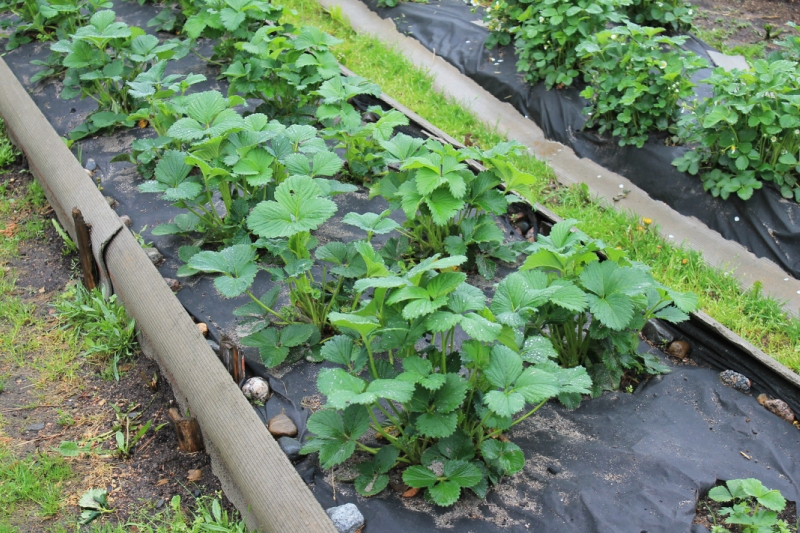
Let's look at how to care for strawberries, starting in early spring and ending with preparation for winter. Since each stage of care consists of several tasks, it's helpful to create a schedule of activities, which might look like this:
- as soon as the snow melts, the bed needs to be cleared of last year's dry leaves, frozen bushes need to be removed, the top layer of mulch needs to be removed, leaving no more than 2-3 cm;
- the space between the rows should be thoroughly loosened, adding fresh soil if necessary, and then adding complex mineral mixtures. Such fertilizers dissolve and are absorbed by plants only in moist soil. If the soil has dried out, water it well;
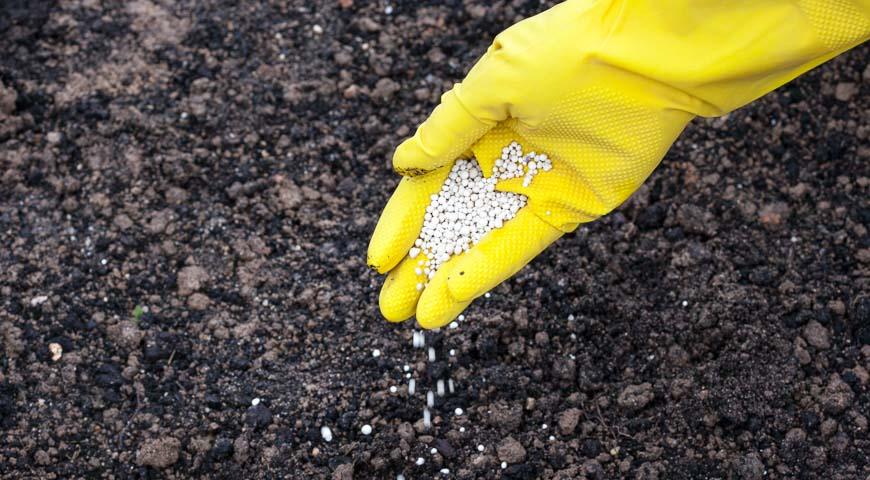
- After applying fertilizer, the beds can be covered again with fresh mulch, preferably straw. With this covering, the strawberries will ripen faster and will not become dirty;
- When full-fledged leaves appear on the plants, it is necessary to carry out root feeding of the bushes with a solution of mullein;
- in May, when the ovary is forming, you can carry out another feeding with complex mineral mixtures;
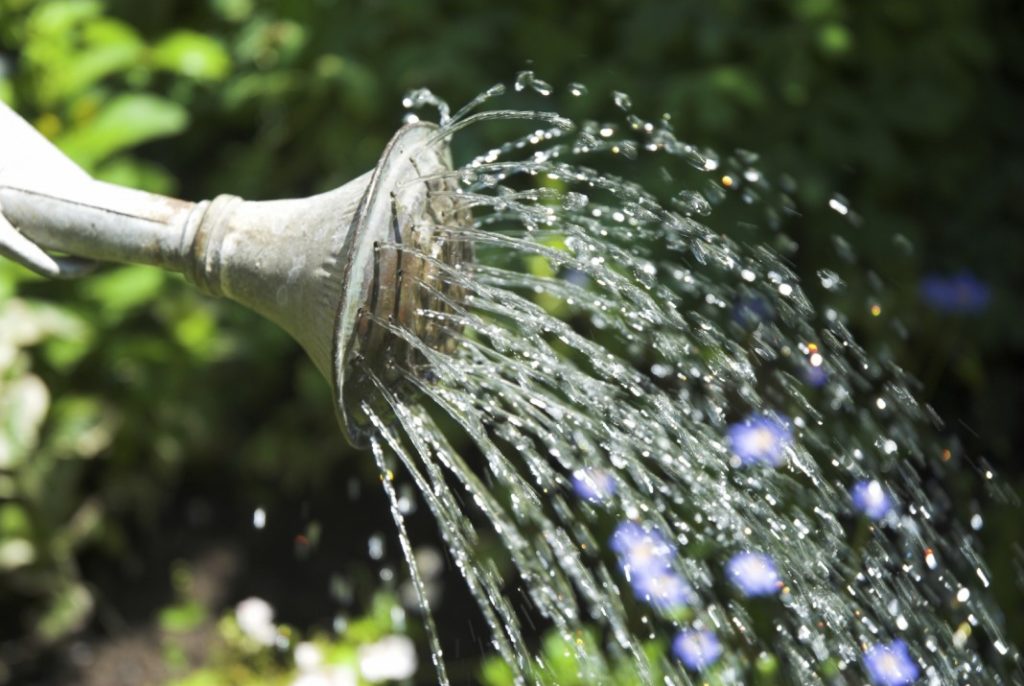
- The strawberry bed should be watered with warm water in the mornings approximately once a week - before flowering, you can sprinkle, after which you should avoid getting moisture on the leaves and berries;
- If there is no mulch in the garden bed, it is necessary to systematically remove weeds - strawberries, which are grown and cared for without regular weeding, often get sick and produce very low yields;
- During the ripening period of berries, the soil should always be slightly moist, while the above-ground part of the bushes should remain dry;
- After harvesting, the bed should be refreshed: the formed rosettes should be planted, and excess runners should be removed;
- Shortly before the onset of cold weather, the bushes are trimmed to a height of 7-10 cm and covered with mulch.
Strawberries need to overwinter under a thick layer of snow. If the snow cover is thin or absent altogether, the plants will freeze and die.
Video "Growing"
This video will show you how to grow strawberries outdoors.
Reproduction
Traditionally, garden strawberries are propagated by runners, or rather by rosettes that form on them, growing from each bush throughout the season. In early fall, the rosettes are separated from the mother bush and rooted between rows or transplanted to another location. If you plan to expand your strawberry planting, in the summer, when the berries begin to ripen, mark the most prolific and well-developed bushes with large berries. Next, select the largest rosettes and pin them to the soil. Simply remove the remaining small and weak shoots from the bed.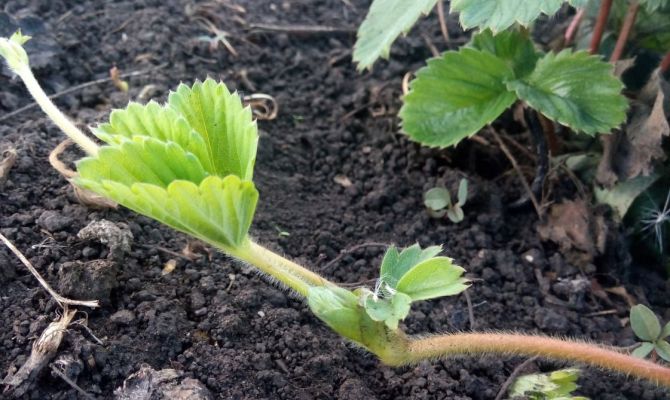
In July, when several leaves have grown on the rosettes, the tendrils can be trimmed, and the young plants, together with a lump of soil, can be transplanted to a permanent location. This method is good in every way, except that strawberries don't root well in hot weather, so planting in late summer or September isn't always successful. It has been observed that strawberry plants root better in cool temperatures, in late autumn during the rainy season, or in early spring, when the soil hasn't yet warmed up.
Strawberries can be propagated by dividing the bush. This method is primarily used for everbearing varieties that don't produce runners, as well as in special cases where runners are few and seedlings are scarce. Well-developed 2-3-year-old bushes are used for division. Division should be done in the fall (October) or early spring. The bush should be dug up and divided so that each new plant has a complete rosette of leaves and roots.
Small-fruited everbearing strawberry varieties are propagated by seed. These are typically ornamental trailing hybrids, which are known for their high survival rate and high yield. Seeds can be taken from berries or purchased in stores. If using fresh berries, select the largest specimens, mash them, soak them in water, then separate the seeds and dry them. Before planting, seeds, whether store-bought or home-grown, are soaked in a growth stimulator and then sown in containers with growing medium.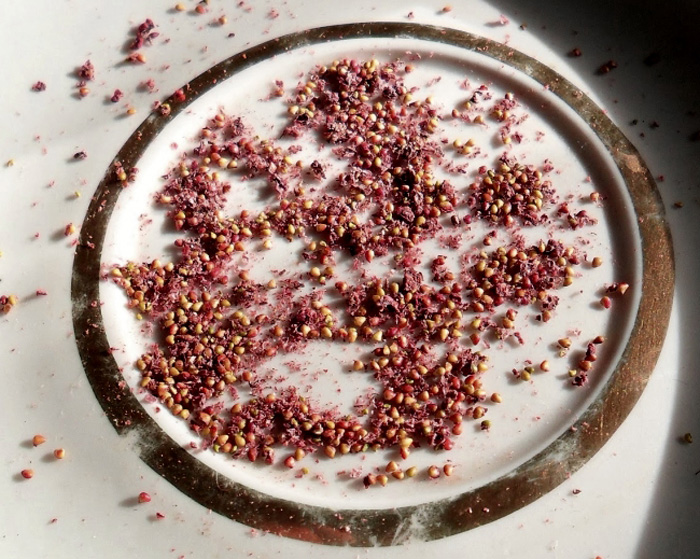
Growing seedlings from seeds is quite difficult and laborious. You need to maintain temperature control, monitor lighting, and repeatedly transplant and harden off young seedlings. However, seeding has undeniable advantages. Firstly, with some effort, you'll get perfectly healthy and high-quality seedlings. Secondly, it offers the opportunity to obtain large quantities of inexpensive seedlings. The only drawback is that these plants will only begin bearing fruit the following year, and the initial harvest will be small.
When planting strawberries, it's important to follow a specific pattern. This is crucial, as strawberries grown and cared for outdoors tend to grow quite quickly, leading to crowded beds and reduced yields. There are several methods for planting strawberries, but the following two are most commonly used:
- single-row, in which the bushes are planted at a distance of 15-25 cm, and at least 0.6-1 m are left between rows;
- two-row – bushes are planted in two rows in a checkerboard pattern at a distance of 30 cm between pairs and 50-60 cm between rows.
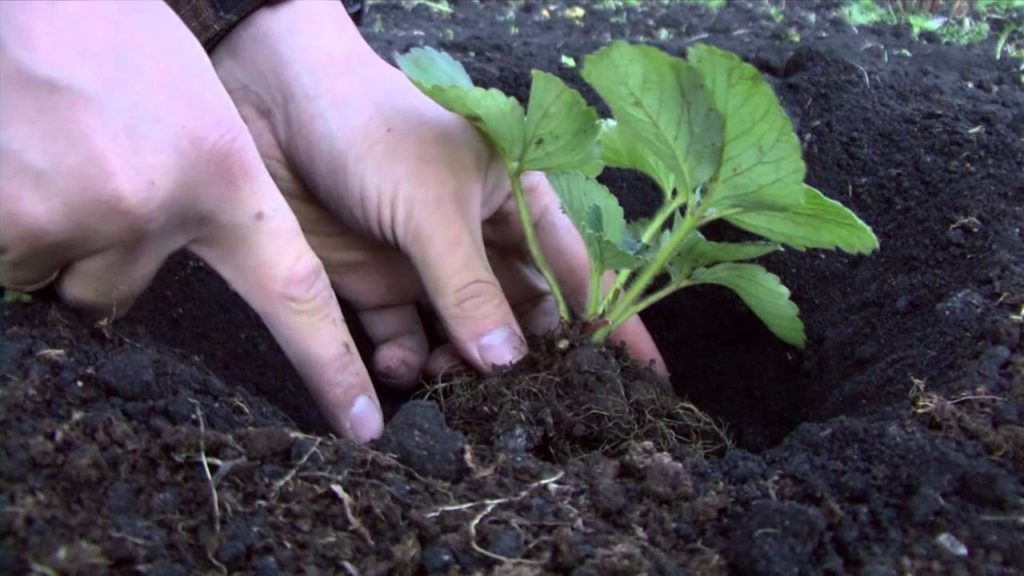
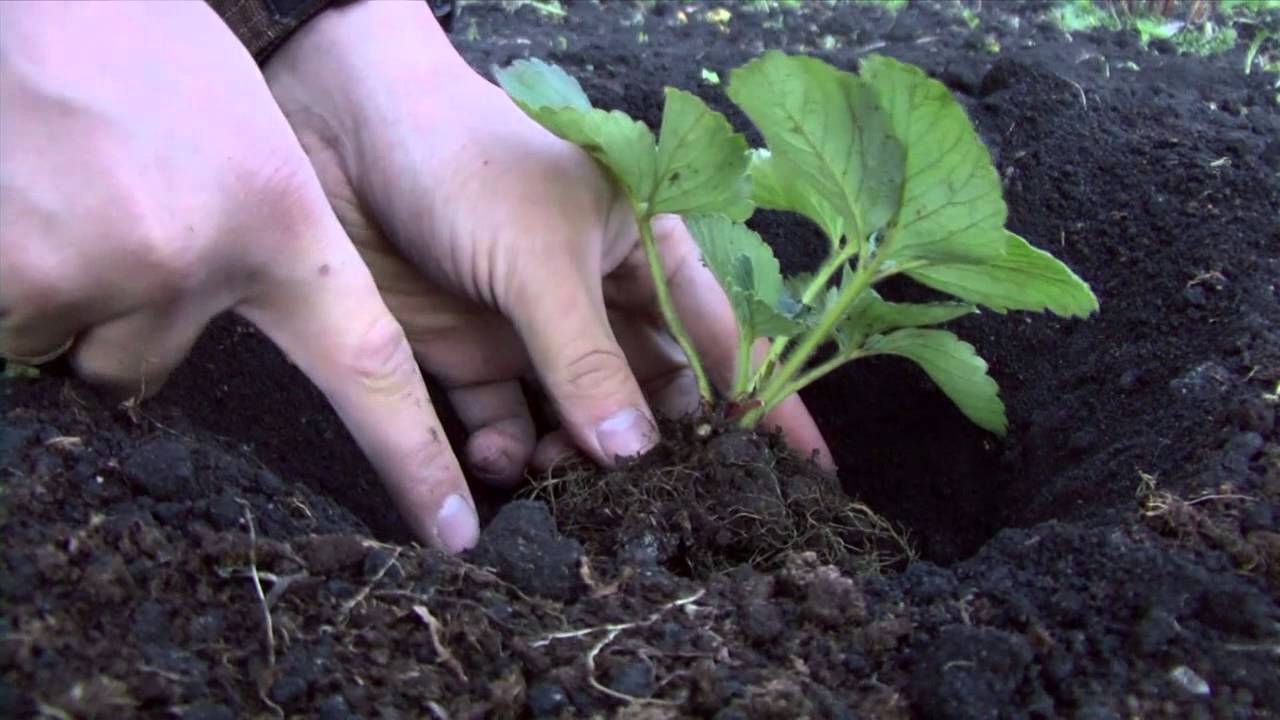
For planting, you can dig a shallow trench or individual holes for each plant. For dense planting (as with the first method), it's more practical to dig a trench; for the second method, digging holes is more convenient. Before planting the seedlings, add fertilizer to each hole. For spring planting, you can use nitroammophoska, humus, or compost. For fall planting, mineral mixtures with phosphorus and potassium are more suitable. Many gardeners sprinkle a few eggshells into each hole before planting; this is believed to protect the plants from mole crickets and cockchafer larvae.
Post-transplant care
Subsequent care for garden strawberries depends on the time of transplanting. However, one rule remains for both planting periods: mulching. Without mulching, the soil in the bed will dry out quickly, and the roots will not be able to establish. Frequent watering can also be harmful, as the roots will rot in wet soil. Generally, it's best to mulch the bed with a 15 cm layer of straw after transplanting. This material both retains moisture and provides oxygen, and the berry clusters on the straw will ripen faster and stay cleaner.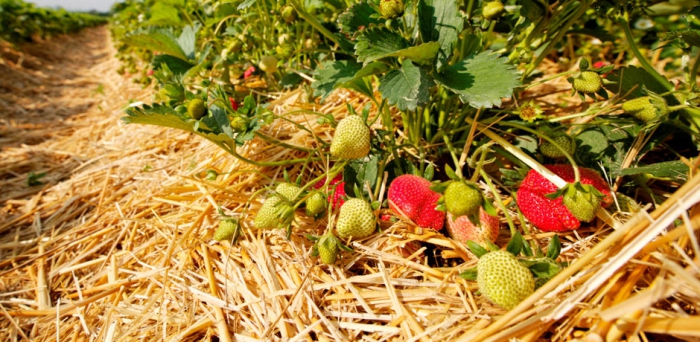
Now let's talk about how to care for garden strawberries during each season. If you transplanted them in the fall, the plants don't require any special care. As soon as the leaves droop and begin to turn yellow, they are cut off. When cold weather sets in, cover the bushes with leaves or other organic matter.
After spring replanting, the bushes will likely produce flower stalks. While the plants are still young, the flowers should be pinched off. This will increase next year's yield.
Diseases and pests
Like any crop, garden strawberries are susceptible to pest damage and disease. Many gardeners report berry rot or premature leaf drying. Strawberries are prone to rotting because their bushes are low-growing, and their leaves are often in contact with the ground. And the soil is known to harbor parasite larvae, fungi, and other harmful microorganisms.
The situation becomes especially dire during the rainy season. High humidity and wet soil create an ideal environment for the development of fungal diseases, including powdery mildew, leaf spot, and gray and root rot. If these unpleasant conditions cannot be prevented, fungicides are the only way to save the plants and harvest. In this case, it is best to use systemic products (Healer, Tyler, Ridomil).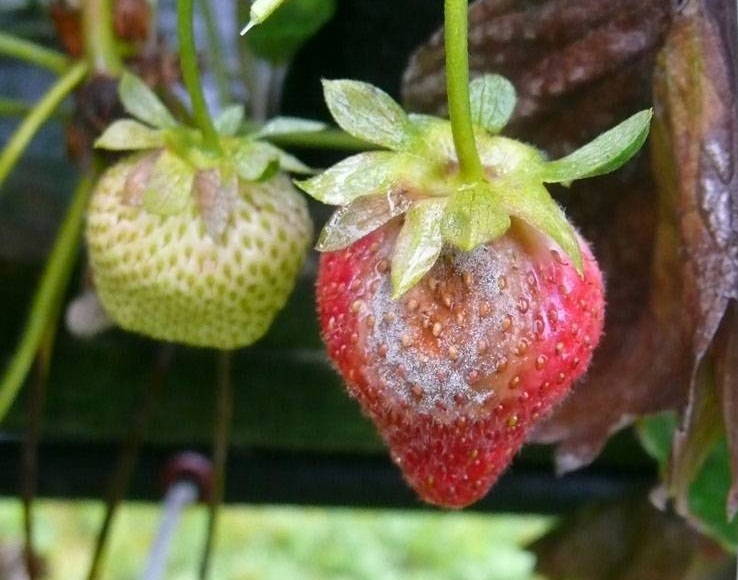
Strawberries are plagued by as many pests as diseases. The most active pests in strawberry beds are strawberry nematodes, leaf beetles, mites, slugs, and raspberry weevils. All these soil dwellers can quickly destroy a strawberry plant. Controlling strawberry pests is very difficult, and often unsuccessful.
A bush damaged by nematodes becomes twisted and misshapen, and fruit development stops. Such plants should be removed from the garden bed, and the soil treated with insecticides. If the bushes turn yellow and dry out, spider mites are the culprit. Insecticides such as Neoron, Actellic, and Fosbecid are effective against spider mites. Slugs are frequent visitors to moist soil. The easiest way to get rid of them is to simply sprinkle ash or ground pepper between the rows. More serious measures are usually unnecessary.
Prevention
Strawberry care also includes preventative treatments against all the parasites described above. Of course, the best prevention is proper agricultural practices and crop rotation. Traditionally, a strawberry bed lives and bears fruit for 3-4 years. In the first year, the bushes produce a small harvest. The second year marks the peak of strawberry yield. In the fourth year, yield declines, so young rosettes are replanted, the area is dug over, and then used for other crops.
It's important to remember that the location of your strawberry bed should be changed dramatically each time. The best precursors for strawberries are all kinds of greens, legumes, and cereals. It's not recommended to plant strawberries in areas previously occupied by tomatoes, sunflowers, or potatoes.
An equally important step in strawberry care is soil disinfection. This procedure is best performed in the fall to prevent pest larvae from remaining in the soil over the winter. However, it can also be done in the spring. Fall treatment is carried out in late September or October, and spring treatment is carried out before the leaves emerge, as soon as the snow melts. Before treatment, the soil should be thoroughly loosened, then generously watered with a 3% solution of Bordeaux mixture or copper sulfate.
A folk remedy involves a solution consisting of liquid soap, vinegar, and wood ash (2 tablespoons each), diluted in 10 liters of warm water (around 30°C). This solution can also be used to treat bushes.
As we can see, growing and caring for strawberries is not a lazy pastime. A bountiful harvest of homegrown berries requires time and effort, but it's worth it. What could be better than the refreshing taste of fragrant, homegrown strawberries, straight from the garden?
Video: "Care at Different Times"
From the video you will learn how to care for berries in autumn, spring and summer.