
5 Important Steps to Caring for Strawberries in the Fall and Preparing for Winter
Content
Features of care and preparation for winter
Whatever variety of this perennial grows in your garden, it is imperative to prepare it for the onset of cold weather.
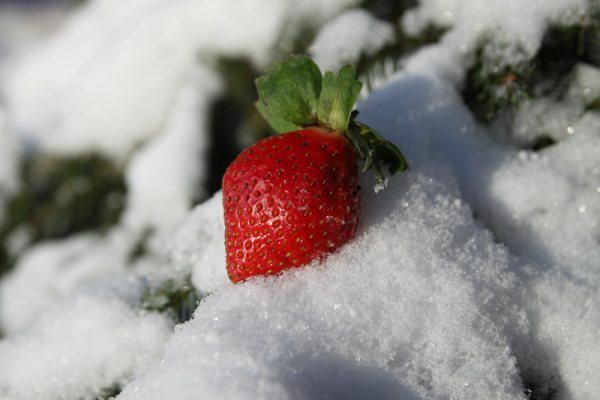
Typically, the fruiting phase ends in the second half of summer (July-August). During this period, the plant's horns gradually begin to accumulate nutrients, which they will certainly need come the following spring.
You may notice daughter rosettes forming around established strawberry bushes. Farmers use these to rejuvenate their plots and expand their strawberry plantations. At the end of summer, the berry plant also sheds its old lower leaves.
All of this indicates that it's time to start preparing your strawberry plants for winter. We'll discuss the recommended measures in more detail below.
Autumn watering
Preparing strawberries for winter begins in the fall with studying the specifics of substrate irrigation during this transitional period. First and foremost, watering should be systematic—the soil accumulates sufficient moisture in the fall. Another important point: it is recommended to moisten the substrate generously only after you have added nutrient mixtures to it. This way, fertilizers will penetrate the soil faster and saturate it with the necessary mineral and organic components.
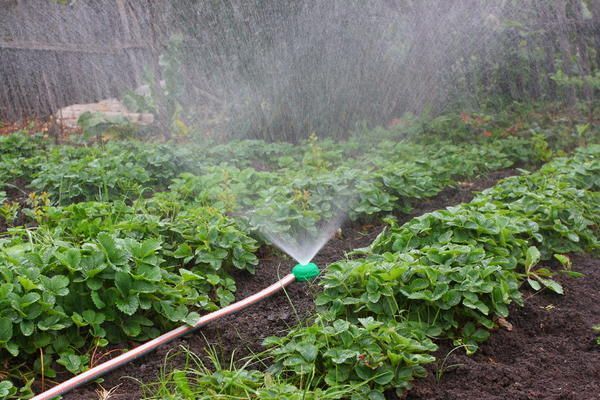
When watering, monitor how quickly the moisture drains into the soil. If this doesn't happen at all, it's time to stop watering the substrate. Keep in mind that excessive moisture can cause the soil to become waterlogged, and the plant's root system to rot.
How to fertilize in autumn
Proper strawberry care in the fall requires fertilizing the soil. This is because when the growing season comes to an end and the bushes no longer bear fruit, they have expended almost all their energy. This means saturating the soil with nutrients is essential. This will strengthen the strawberries before the cold weather sets in and help them survive the winter frosts.
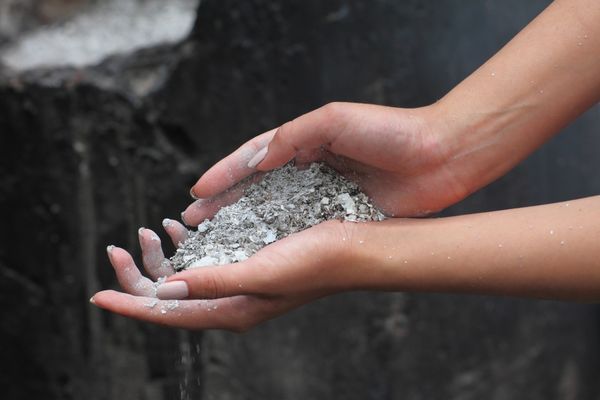
Recommended fertilizers for strawberry plants in the fall include straw, rotted manure, or compost. Focus on minerals, as these are especially important for the plant in the fall. While fertilizing the soil, regularly remove weeds around the plants. Otherwise, they will also absorb nutrients and grow more vigorously, clogging the strawberry plant's root system.
Protection from diseases and pests
Preparing strawberries for winter is impossible without timely protection of the bushes from various pests and diseases. Even a novice gardener understands that in the second half of summer, temperatures gradually drop and humidity levels increase. This creates an ideal microclimate for the development of fungal infections and insect infestations. These problems must be combated, or better yet, prevented.
Fungal growths can generally be eliminated by spraying strawberry bushes with solutions of copper-containing compounds: Bordeaux mixture, copper oxychloride, and a product called "Skor." Another effective product with versatile properties is "Nitrafen." It not only kills pest larvae and fungal spores but also disinfects the soil. Incidentally, the latter can be eliminated not only with store-bought products but also with a solution readily available to the average gardener: a potassium permanganate solution. Moisten the soil around the plant bushes with it to eliminate infections or fungi.
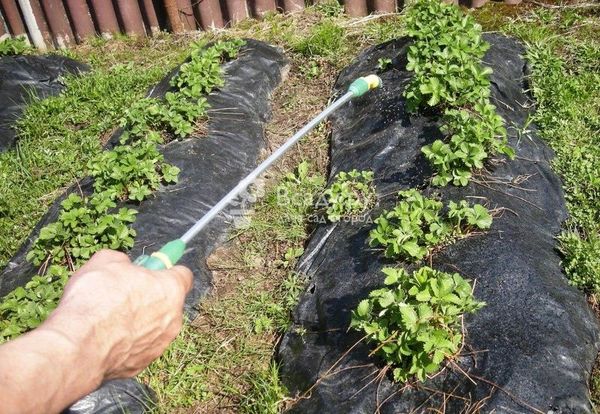
Pest control, which affects strawberries even after the berries have been harvested, requires special attention. Among the most dangerous insects for berry crops are strawberry mites, spider mites, aphids, and weevils. You can eliminate these pests by using the following products:
- "Karbofos";
- "Actellic";
- "Aktara";
- "Karate".
The sooner you treat your bushes against pests, the stronger they will be when the cold weather arrives.
Pruning and shaping
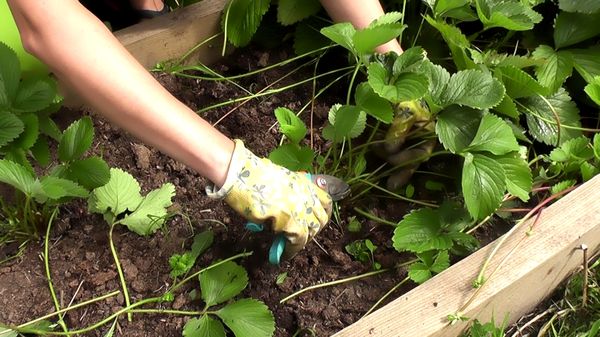
To properly prepare strawberries for winter in the fall, you should prune and shape the bushes in a timely manner. It's generally accepted that all old leaves and tendrils should be removed. Only those tendrils that will later root should be left on the bushes. Never leave any cut material in the area. Store it away, or better yet, burn it. Fall pruning is important not only for properly preparing strawberries for winter but also for protecting them from diseases and pests.
Mulching the soil
Strawberries grown in the garden require just as much care in the fall as they do in the summer. Pay special attention to mulching the soil. This is generally helpful if you're planting young rosettes. To do this, place the tendrils on the soil where you want them to root, then cover them with soil mixed with peat. You can also add humus instead—this layer will serve as both fertilizer and frost protection. If you're mulching solely to protect the strawberries from freezing temperatures, add soil and humus only around the bushes.
Provide proper autumn care for your strawberry plant, following helpful advice from experts, and you'll enjoy abundant strawberry fruiting next season.
Video: "Proper Strawberry Care"
This video will teach you how to properly care for strawberries all year round.