
Types of fertilizers for strawberries: what are they and how to feed them?
Content
Types of fertilizers
Growing and caring for strawberries involves applying several types of fertilizer to the soil, the purpose of which is to create optimal conditions for the bushes to produce a high-quality harvest. Therefore, many gardeners often wonder what fertilizer to use for strawberries to ensure good fruit production. To answer this question, it's important to study the mineral nutrition guide for your strawberries, as well as the instructions for using other types of fertilizers.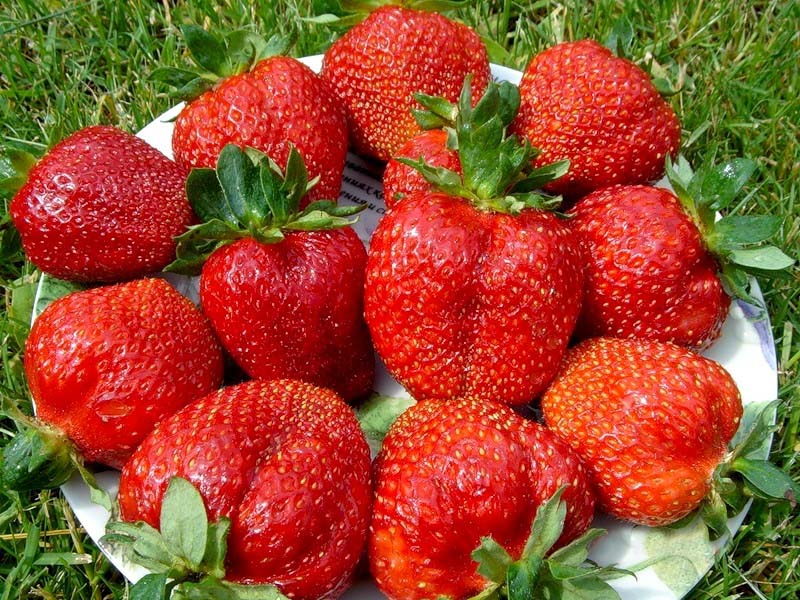
Today, the following types of fertilizers exist:
- organic;
- mineral. They can be highly mobile (quickly absorbed into the soil) or low-mobility (have a more delayed effect);
- complex fertilizer for any strawberry.
Many gardeners believe that the best fertilizer for any strawberry is a complete fertilizer. This isn't entirely true, as strawberries require specific nutrients during specific periods of growth and development. Therefore, each stage of plant growth requires either organic or mineral fertilizers. However, applying complete fertilizers also offers many benefits:
- contributes to increased crop yields;
- stimulates the accumulation of useful substances in berries;
- increases the size of berries.
It's worth noting that organic and mineral fertilizers have different compositions. However, each gardener has the right to decide for themselves which fertilizer to use for strawberries.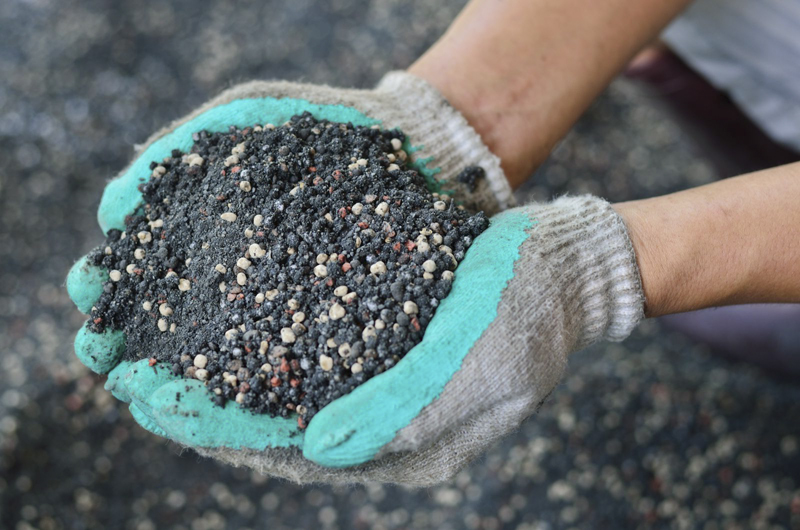
But in order for strawberries to bear fruit at the desired level, it is necessary to know and understand the feeding schedule.
Video "Types of Fertilizers"
This video will tell you about the best types of fertilizers for strawberries.
Top dressing
To achieve a good harvest from strawberry bushes, fertilizing this crop is carried out in three stages:
- in spring. At this time, the first feeding is carried out;
- When the harvest has been completed. In this case, fertilization occurs during the summer, usually in late July. This is when the main harvest occurs. At the same time, plants begin to develop new roots, and new flower buds are formed for the next season. Therefore, various microelements and potassium are added to the soil during this time.
- Before the onset of cold weather. This is part of the plant's preparation for winter. It is carried out in mid-September and only in dry weather. It is during this period that the bushes begin to prepare for winter. The third feeding is especially important for young plants less than a year old. Otherwise, they may not survive the winter.
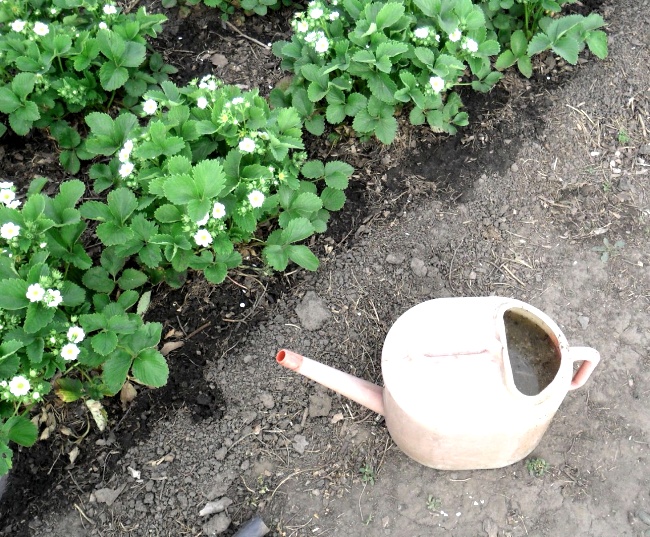
It's important to understand that feeding strawberries is most important during flowering and fruiting. This is when the plants are most in need of nutrients, which should be present in the soil. If you do not apply fertilizers at this time, the harvest will be insignificant and small.
Organic fertilizers
When wondering what to feed strawberries, many gardeners opt for organic fertilizers. Strawberries and wild strawberries can be fed with the following types of organic fertilizers:
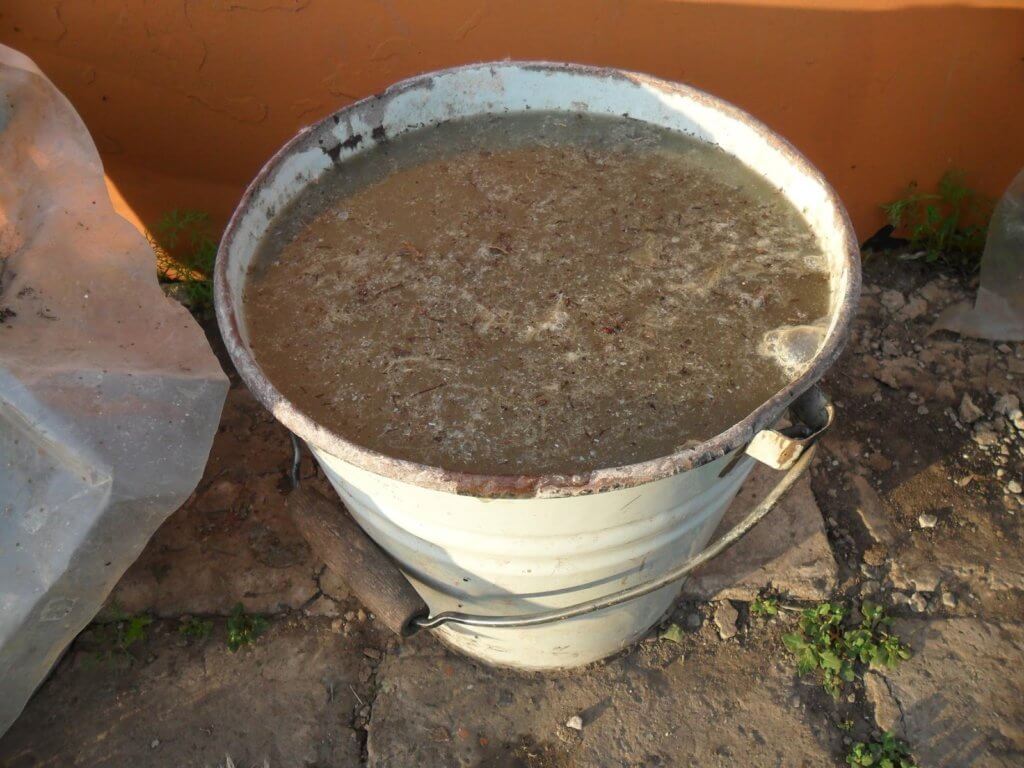
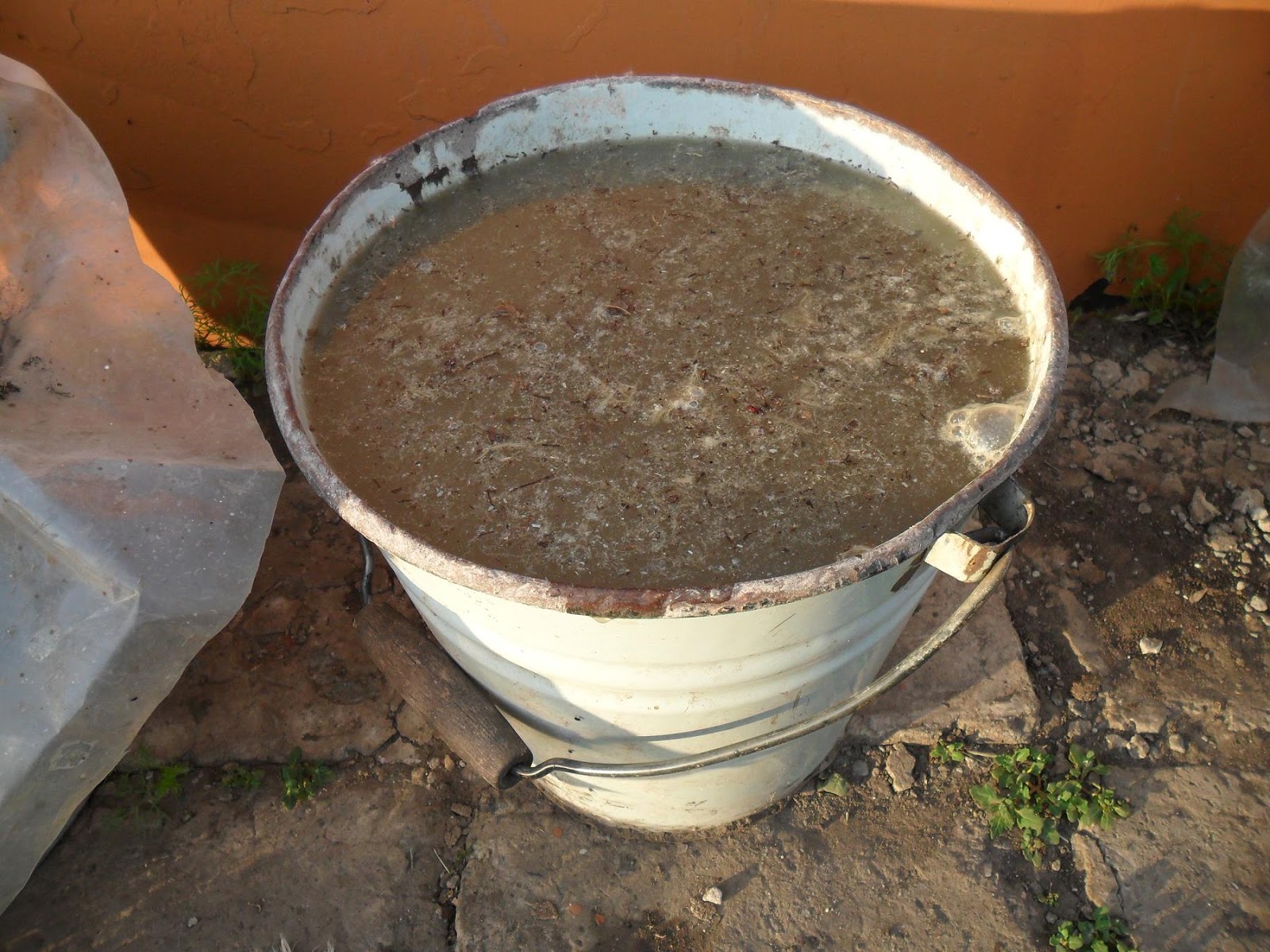
- A compost-based slurry. It's made from compost (fruit, vegetable, leaf, and food scraps) and rotted grass. All of this is mixed with water, creating a kind of herbal infusion. It's used for watering the soil. The remaining solution can be used as mulch.
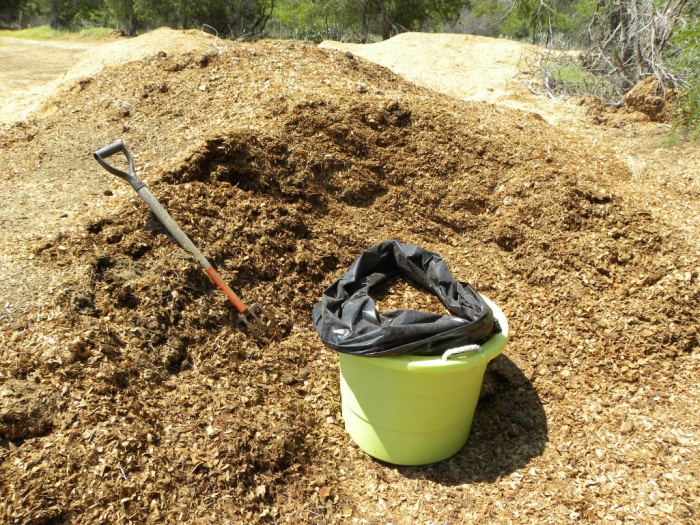
- Rotted manure. The solution is prepared by mixing animal bedding and decomposed excrement with water. It is used in the fall, after the harvest has been removed from the garden beds. Rotted manure should be applied in the spring before planting new shrubs;
- Slurry. Prepare by diluting 1 liter of manure with 8 liters of water. After preparation, let the solution sit for several days. When watering, avoid getting the slurry on the leaves of the bushes. Otherwise, it may cause them to burn.
- Poultry (chicken) manure. Dilute with water at a ratio of 10:1. When applying to the soil, avoid dripping onto plants.
- A humate substance (containing potassium and sodium). It is prepared from manure, peat extract, plant residues, and sludge. The substance is placed between rows on hay or rotted grass. It improves the flavor of fruits while reducing nitrate levels.
Strawberries are fed with wood ash. It's considered an excellent organic fertilizer and serves as a good substitute for mineral fertilizers containing potassium salt and superphosphate. Wood ash is used at a rate of 150 grams per square meter of planting area. It can be diluted in water (50 grams per 0.5 liters of water) and watered onto each bush.
Mineral fertilizers
In addition to organic fertilizers, mineral fertilizers can also be used. Strawberries also require mineral fertilizers, just like organic ones.
Properly applied mineral fertilizers promote faster plant growth and increase yields. Fertilizers such as urea, ammonia, ammonium sulfate, and sodium/ammonium nitrate should be used.
To prepare the solution, these substances are diluted in water at a specific concentration, as specified in the instructions. They should be applied during the harvest period. These substances will help the fruits become redder, larger, and plumper.
When to start feeding
Now that we've determined what fertilizers strawberries need, we need to understand when to apply them. Strawberries respond well to fertilizers applied at the right time. Fertilizing should begin in the spring, after the soil has been loosened in the spring.
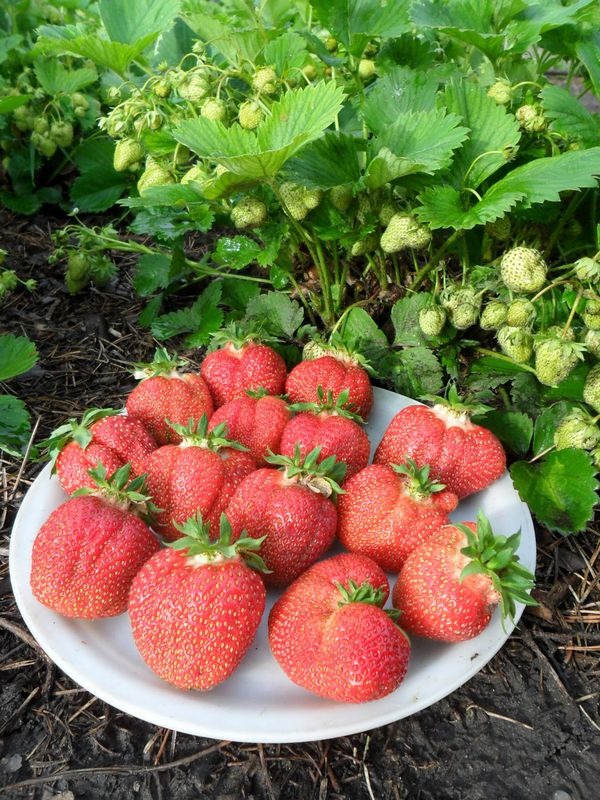
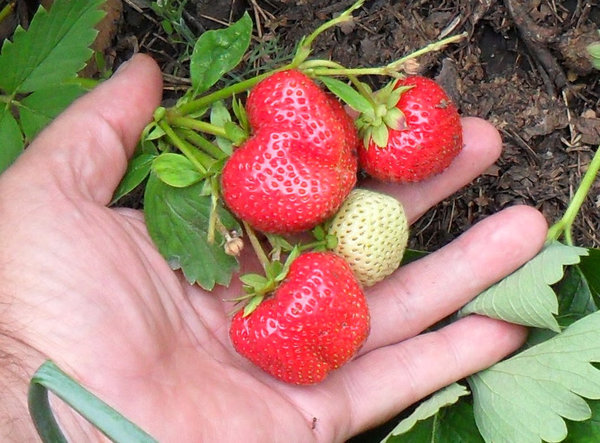
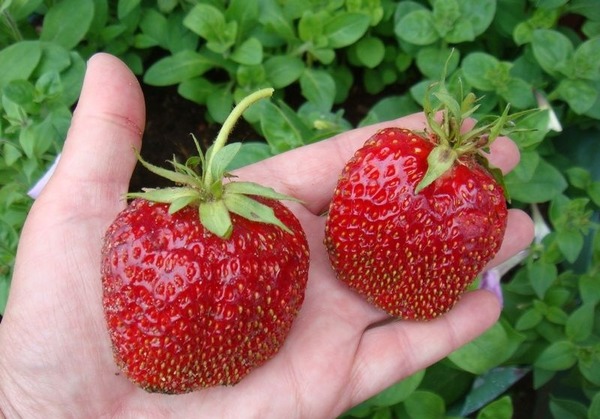
The first fertilizing should be done at the beginning of the gardening season. Warm weather is essential. This is usually done in April or May, when the plants have developed their first leaves. At this time, mineral fertilizers and organic matter should be added. This will stimulate active growth.
As we can see, to achieve abundant and high-quality strawberry fruiting, it's essential to apply the right fertilizers at the right time. The key to this process is strictly adhering to the correct concentrations. This is especially true for mineral fertilizers.
Video: "Strawberry Growing Methods"
This video will show you how to grow strawberries properly.