
Review and evaluation of the composition of the new generation fertilizer AgroMax
Content
How does fertilizer work?
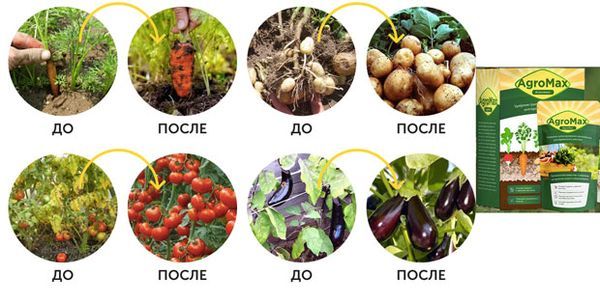
This type of fertilizer improves the fertility of your garden plot by nourishing it with nutrient-rich microorganisms. It contains high levels of azotobacter, which are beneficial for plants. Therefore, it's important to use it sparingly. Keep in mind that up to 6 grams of the mixture is required per 100 square meters.
Video: "What You Need to Know About AgroMax Fertilizer"
This video will tell you why you should use AgroMax fertilizer and how it affects your crop yield.
What you need to know about the composition
This biological fertilizer is highly effective. This mixture includes the following components:
- Humic acid. Increases plant resistance to disease and accelerates fruit formation and development.
- Bioactive water. Improves symbiosis and enriches young shoots with beneficial bacteria.
- Azotobacteria. Increase the intensity of greenery growth.
- A concentrate of selected blood meal. This ingredient contains proteins, amino acids, and iron.
- Ash from rare deciduous trees. It promotes the ripening of juicy fruits and improves their flavor.

Biofertilizer called AgroMax is approved for use in combination with other mixtures.
When to use
It's important to understand when this fertilizer is recommended for use in your garden or vegetable patch. Dilute the fertilizer and apply it to seeds if their germination rate is less than 20%. If greens wilt and turn yellow too quickly, consider purchasing this biofertilizer. It's also useful if your vegetable yield is low: consider using this formulation if, after planting potatoes, you're not harvesting even the amount you established in the spring.
Carefully evaluate last season's harvest and decide whether AgroMax fertilizer is necessary. If your potatoes are small, your cucumbers and tomatoes are turning yellow quickly, or your home-grown cucumbers are bitter, consider fertilizing your garden with this fertilizer. If you're experiencing a poor strawberry harvest, pest infestations on your cherries and other fruit trees, or root vegetables that spoil quickly—in these cases, it's important to consider using a biofertilizer.
How to use correctly
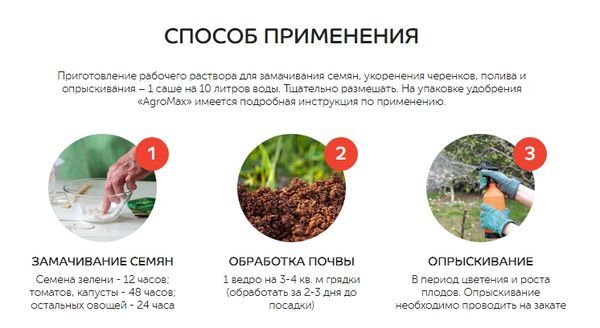
Before treating your garden or dacha, dilute one packet of the product in 10 liters of water and stir. Soak seeds in the resulting mixture or use it to water your plants. When vegetables, trees, or shrubs are flowering and forming fruit, it's best to spray. Dilute the fertilizer strictly according to the instructions to avoid harming your greenery.
Some gardeners prefer to spray the garden with the product 3 days before the seed rooting.
Advantages and disadvantages of the product
The main advantage of this biofertilizer is its absence of chemical components. The mixture is harmless to humans, animals, and insects. Its use improves annual plant production, and significantly strengthens the immunity of perennial plants.
Consumer reviews
Valeria, 52: "With the advent of new products and stimulants for greenery growth, I decided to move away from traditional chemicals. I'm pleased with the results: my vegetables' resistance to disease has improved, their flavor has become richer, and they keep longer."
Alexander, 46: "The main thing is not to overdo it with the concentration, as I personally experienced the first time I used it, when the leaves of my tomatoes and cucumbers turned yellow from an excess of nutrients. Overall, the fertilizer is effective."
Elena, 38: "My grandparents fertilized their gardens with manure or ash their whole lives. But now I'm a big fan of modern biofertilizers! They're easy to make and easy to use. And harvesting is a joy!"