
The uniqueness and advantages of the early strawberry Clery
Content
- 1 History and botanical properties
- 2 Characteristic features of the Clery strawberry
- 3 Video "Description of the Clery Strawberry"
- 4 Advantages and disadvantages of the variety
- 5 Features of agricultural technology of the Clery strawberry variety
- 6 Prevention and control of pests and diseases
- 7 Reviews from gardeners
History and botanical properties
The Clery strawberry was bred relatively recently. In 1996, Italian breeders working for the Mazzoni Group decided to conduct an experiment and crossed the Onebor and Sweet Charlie varieties. The result exceeded all expectations: the resulting variety was characterized by moderate winter hardiness, early ripening, and ideal fruit characteristics.
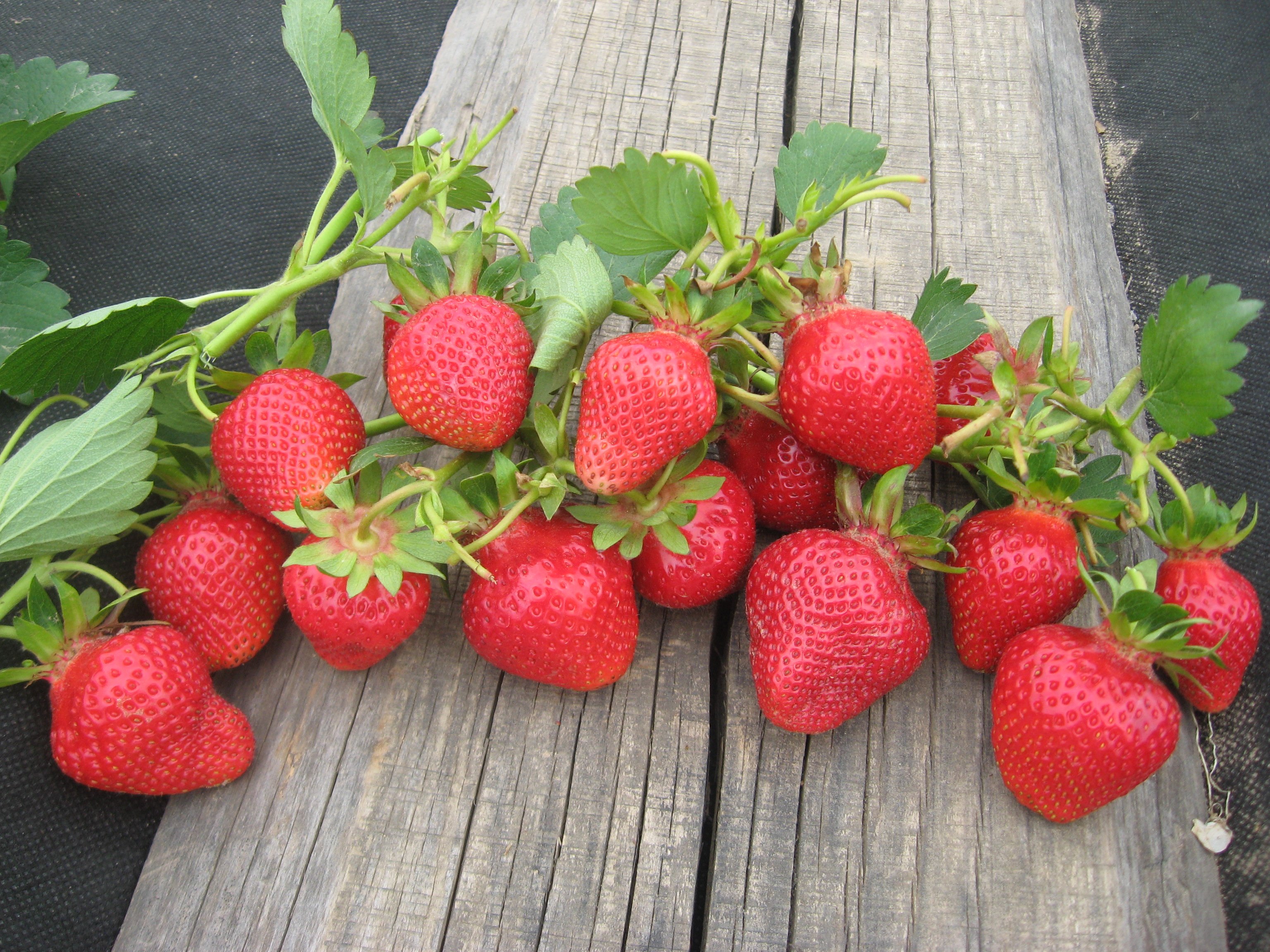
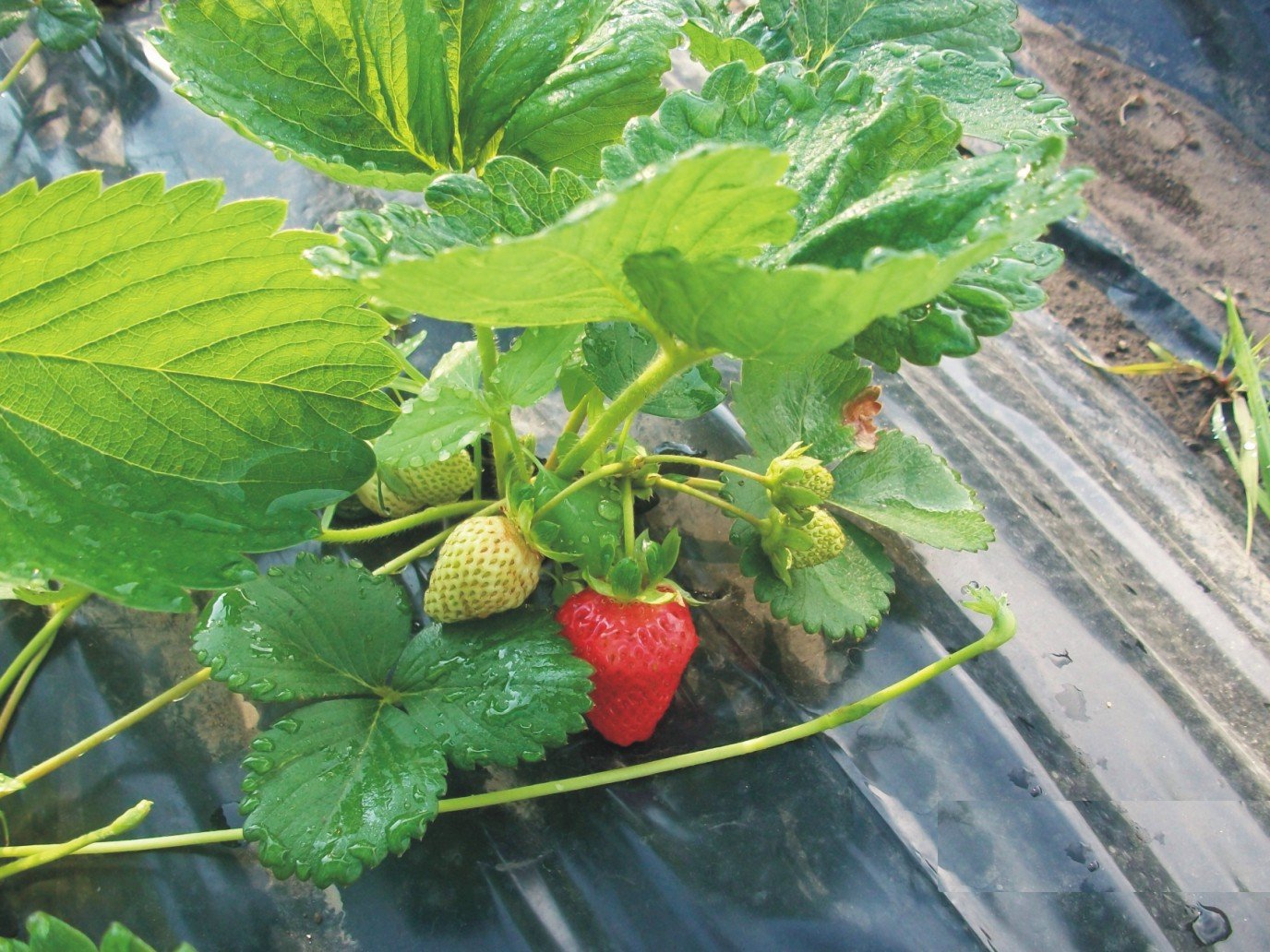
Clery strawberry bushes are vigorous, tall, and semi-spreading. A mature bush can reach 40–50 cm in height. However, the foliage is sparse. The leaves are a rich green color. The outer surface of the leaf is glossy.
During flowering, bisexual, snow-white flowers form on strong, thick stems. The plant requires no additional pollinators.
Characteristic features of the Clery strawberry
Despite its young age, the Clery variety is popular with both experienced and novice gardeners. What's so special about this fruit and berry crop?
Drought and winter hardiness
The variety is characterized by moderate drought resistance. The plant can easily withstand short periods of lack of precipitation and watering. However, you shouldn't abuse this.
The crop's winter hardiness is average. During severe frosts, the plant requires additional protection. According to gardeners, with a protective layer, strawberry bushes can withstand temperatures as low as -30°C.
Commercial and taste qualities of berries
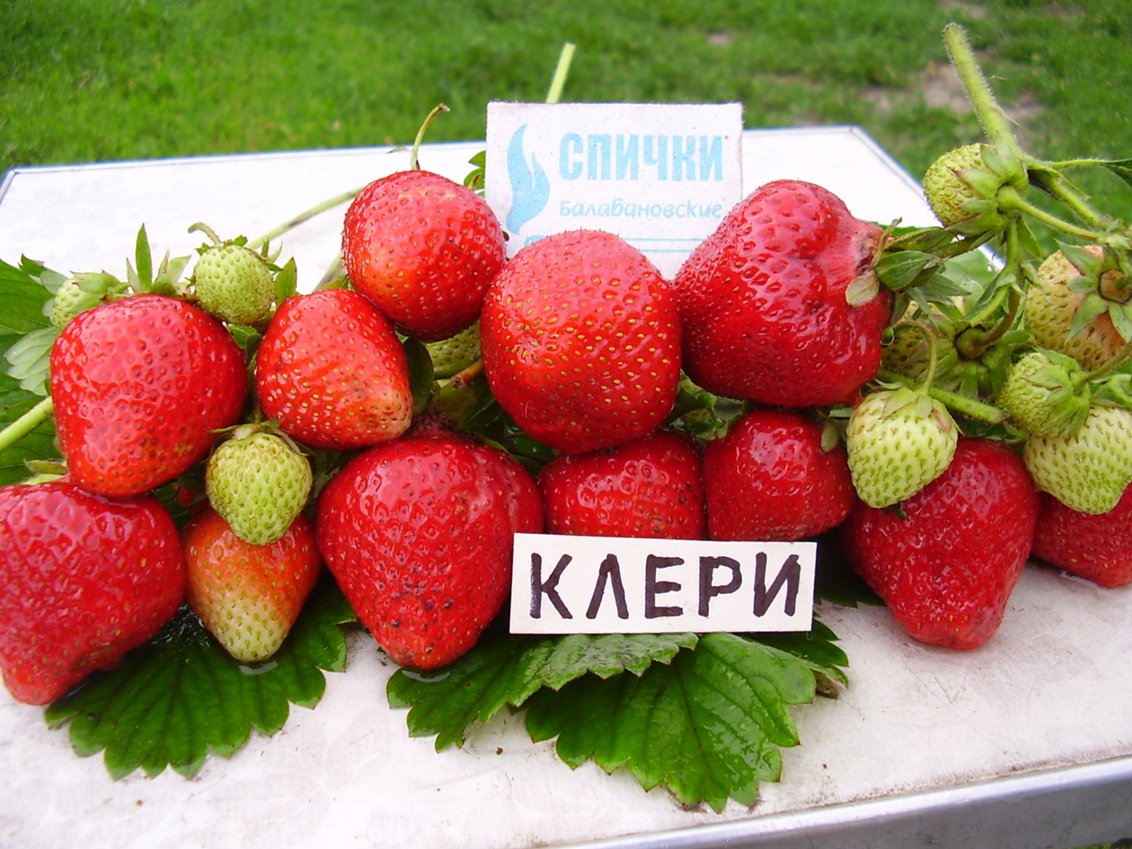
A distinctive feature of Italian-bred strawberries is their regular shape. Ripe berries are typically conical with a rounded tip. As they ripen, the skin color changes from bright red to dark cherry. A single berry weighs 40–50 g.
Consumers are drawn to the berries not only for their appearance but also for their taste. Kleri has a pleasantly sweet flavor with a delicate strawberry aroma.
Productivity and application features
Yield depends on the climate and growing conditions. In favorable climates, a single bush can yield between 0.3 and 1 kg of ripe, flavorful berries.
The Clery variety is versatile. The fruits are eaten fresh or processed into drinks and various desserts.
Transportability and shelf life of the crop
Dense berries with no empty spaces inside are suitable for long-distance transportation. The harvest has a shelf life of 5 days.
Video "Description of the Clery Strawberry"
This video shows how juicy and healthy berries are grown.
Advantages and disadvantages of the variety
The Clery variety has many positive qualities, but, unfortunately, the crop also has some minor drawbacks.
- stable yield;
- ideal berry parameters;
- universal application;
- high transportability;
- the possibility of independent reproduction;
- early and "friendly" ripening of fruits.
- lack of "zest" in taste;
- deterioration in the taste of fruits due to minor violations of agricultural technology;
- high cost of planting material.
Features of agricultural technology of the Clery strawberry variety
What determines crop yield? This question is often heard from beginning gardeners. Of course, the fruiting and yield of a crop are determined by growing conditions and care.
Boarding times and location selection
The ideal time for planting seedlings is early spring. During the first year, the rosettes planted in the ground root well and develop foliage. The following year, you can harvest a bountiful harvest of juicy berries.
If necessary, strawberry planting can be done in late summer or early autumn.
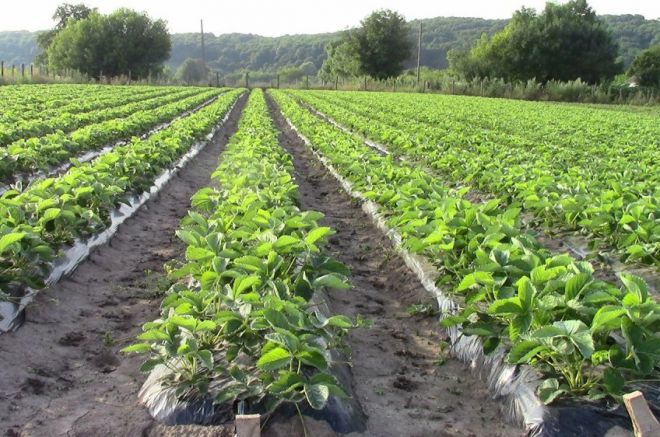
The Clery variety does not grow well in loamy, marshy, or chalky conditions. Black soil or forest soil is ideal. The site should be sunny but sheltered from the wind. Winter crops, lupines, and annual herbaceous plants are considered the best predecessors.
Methods of reproduction
High-quality planting material guarantees 100% survival. When choosing seedlings, pay attention to the condition of the roots and the color of the leaves. Signs and smells of rot are the first signs of plant disease.
The Clery variety can be propagated by seeds, runners, and division. The seed method is considered very complex and labor-intensive. This propagation method is used by experienced gardeners who want to improve or modify the plant's quality.
Propagation by division is performed during replanting. The dug-up bush is carefully divided into several equal parts. Be sure to inspect the roots for damage, signs of rot, and signs of pests.
The easiest way to propagate strawberries is by rooting runners. Young rosettes are separated from the parent plant when the roots are forming. This propagation method is suitable for high-yielding strawberry bushes.
Watering and mulching
The plant needs to be watered regularly, but sparingly. Excessive soil moisture leads to frequent diseases or even death of the plant. The average watering frequency is once every 10-14 days. Use warm or room-temperature water.
A few hours after watering, loosen the soil. Loosen the soil to a depth of 2-3 cm beneath the bush and 10-15 cm between rows. To prevent moisture evaporation and berry contact with the soil, mulch the strawberry bushes. Mulching inhibits weed growth and reduces the frequency of watering. Straw, shredded tree bark, compost, or spunbond are used as mulch.
Fertilizer application rules
Italian-bred strawberries are demanding of nutrient-rich soil. Therefore, the plants are fertilized with organic matter every spring.
Mineral fertilizers can be applied according to the following scheme:

The need for pruning
A characteristic feature of the Clery variety is its intense runner formation. If young shoots are not removed promptly, the rooting rosettes will begin to overwhelm the parent plant. Consequently, the marketability and flavor of the berries deteriorates.
-
- Watering and mulching
-
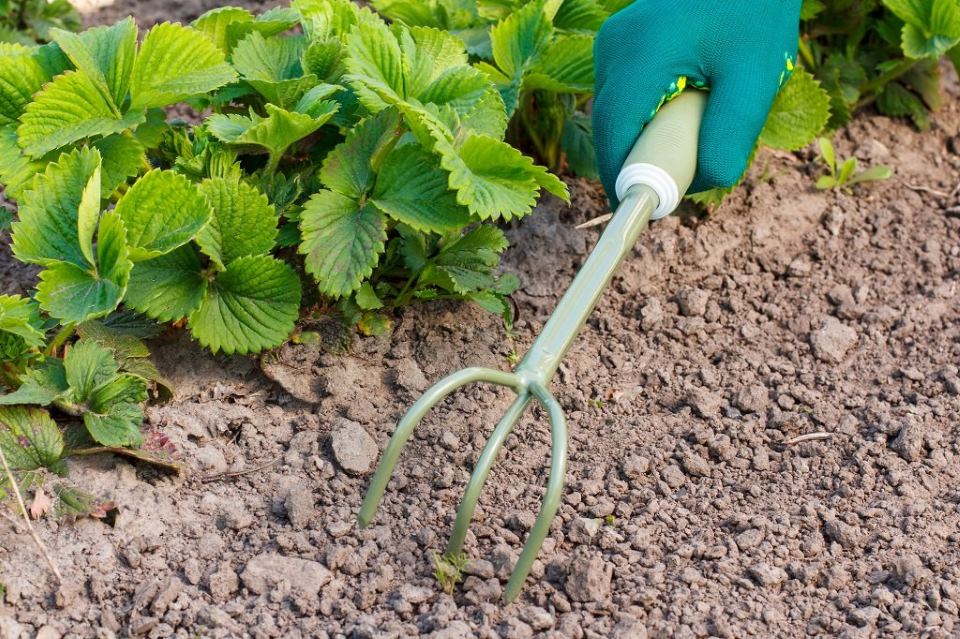
- Loosening the soil
-
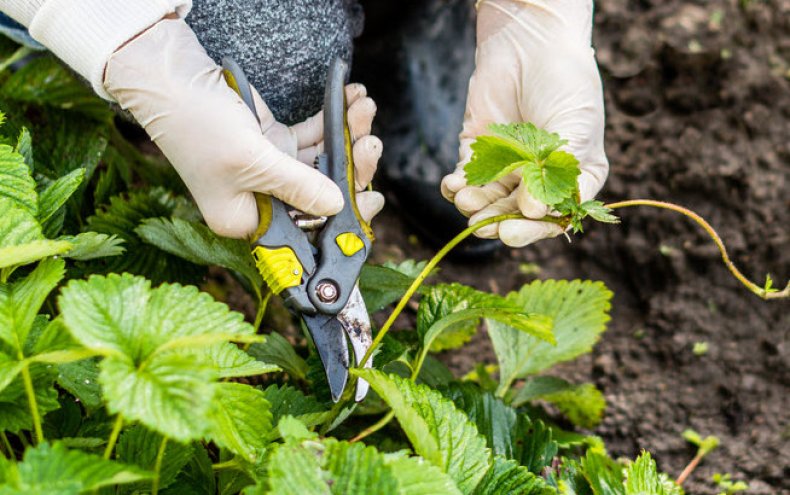
- Trimming strawberry runners
Prevention and control of pests and diseases
Italian strawberries, as the Clery variety is often called, are resistant to most fungal infections, except for anthracnose. The appearance of reddish-brown sunken spots on leaf blades and shoots are the first signs of the disease. The fungicides Ridomil Gold and Antracol can help protect the fruit and berry crop. To prevent fungal infections, periodically spray the bushes with a copper sulfate solution or Bordeaux mixture.
The plant is often attacked by aphids, weevils, cockchafers, and strawberry mites. Insecticides such as Karbofos, Inta-Vir, Vallar, and Actellic will help quickly and effectively eliminate these harmful insects.
Reviews from gardeners
"The Clery strawberry is an acquired taste. It attracts attention with its interesting flavor and ideal berry size. However, the yield isn't as high as one would like."
"I recommend the Kleri variety to all beginning gardeners. Planting and growing it doesn't require much time or attention. The berries can be used to make juices, compotes, jams, and pastilles."
The Kleri strawberry is rapidly gaining popularity among Russian gardeners. This fruit and berry variety is easy to grow and maintain. Its ideal characteristics and high transportability make it suitable for export.