
Strawberry Planting Tips for Beginners
Content
What is needed for a rich harvest?
You'll have a bountiful harvest if you know how to plant strawberries correctly, meet their soil and lighting requirements, provide adequate nutrition and water, and protect them from diseases. Let's take a closer look at their preferences.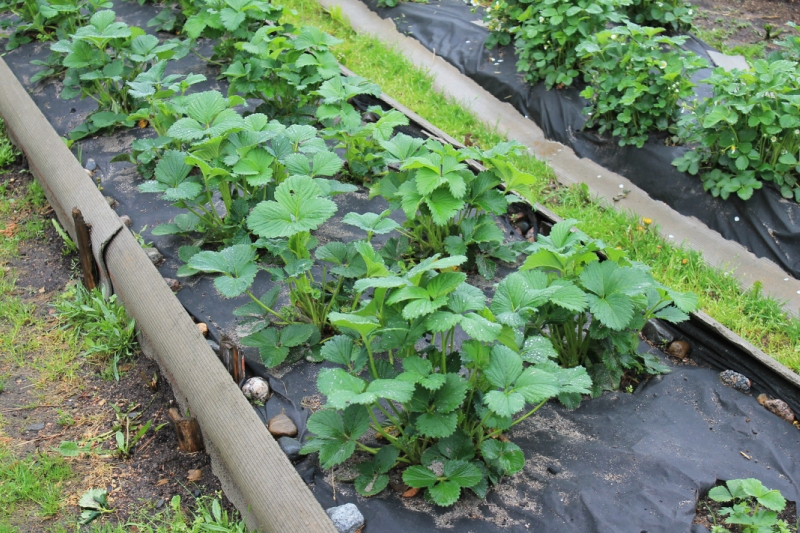
The majority of strawberry roots (80-90%) are located at a depth of 10 to 30 cm. The best soils for this crop are sandy loam, chernozem, and light loamy soils, rich in humus and nutrients, with an acidity level of 5-6 units and good air permeability.
Plants planted in sandy soil experience root overheating and drying out, and a lack of nutrients will negatively impact the size and quantity of berries. If your site is predominantly sandy, don't despair; you can enrich and compact it by adding organic matter (manure, peat, or compost) at a rate of 6-12 kg per square meter. If you plant strawberries in heavy clay soils, the root system will struggle to overcome the increased soil density, lack of oxygen, and waterlogging. Adding 8-10 kg of coarse river sand per square meter will improve the soil structure. Planting strawberries in raised beds, which allow for the creation of a drainage layer of broken brick and branches, can help overcome this drawback. Such structures are also useful for flooded areas with a shallow groundwater table. Strawberries tolerate increased acidity better than other berry crops, such as currants, but only to a certain extent.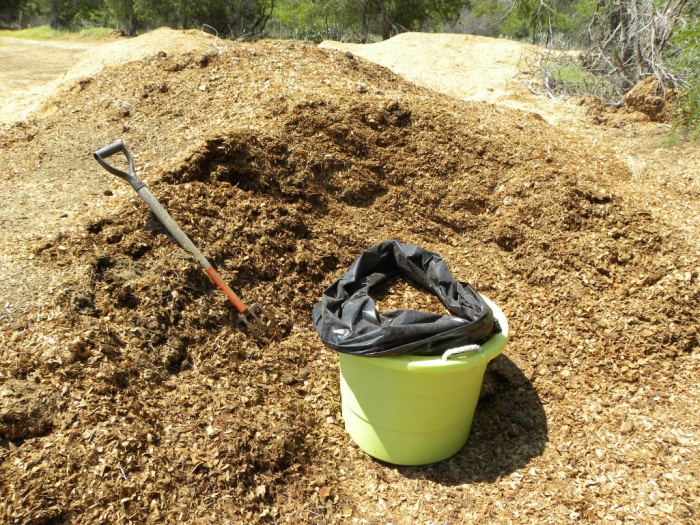
When the soil pH falls below 5.0, most nutrients change their state and become unavailable to plant roots. High acidity inhibits the activity of many beneficial bacteria and fertilizers. To alkalize the soil for strawberries, it's best to use dolomite flour (400-600 g per square meter), which is also a source of magnesium. Strawberries grow poorly in freshly cultivated areas due to root suppression. Therefore, they can only be planted after 2-3 years, when the dolomite has thoroughly mixed with the soil and reduced its acidity.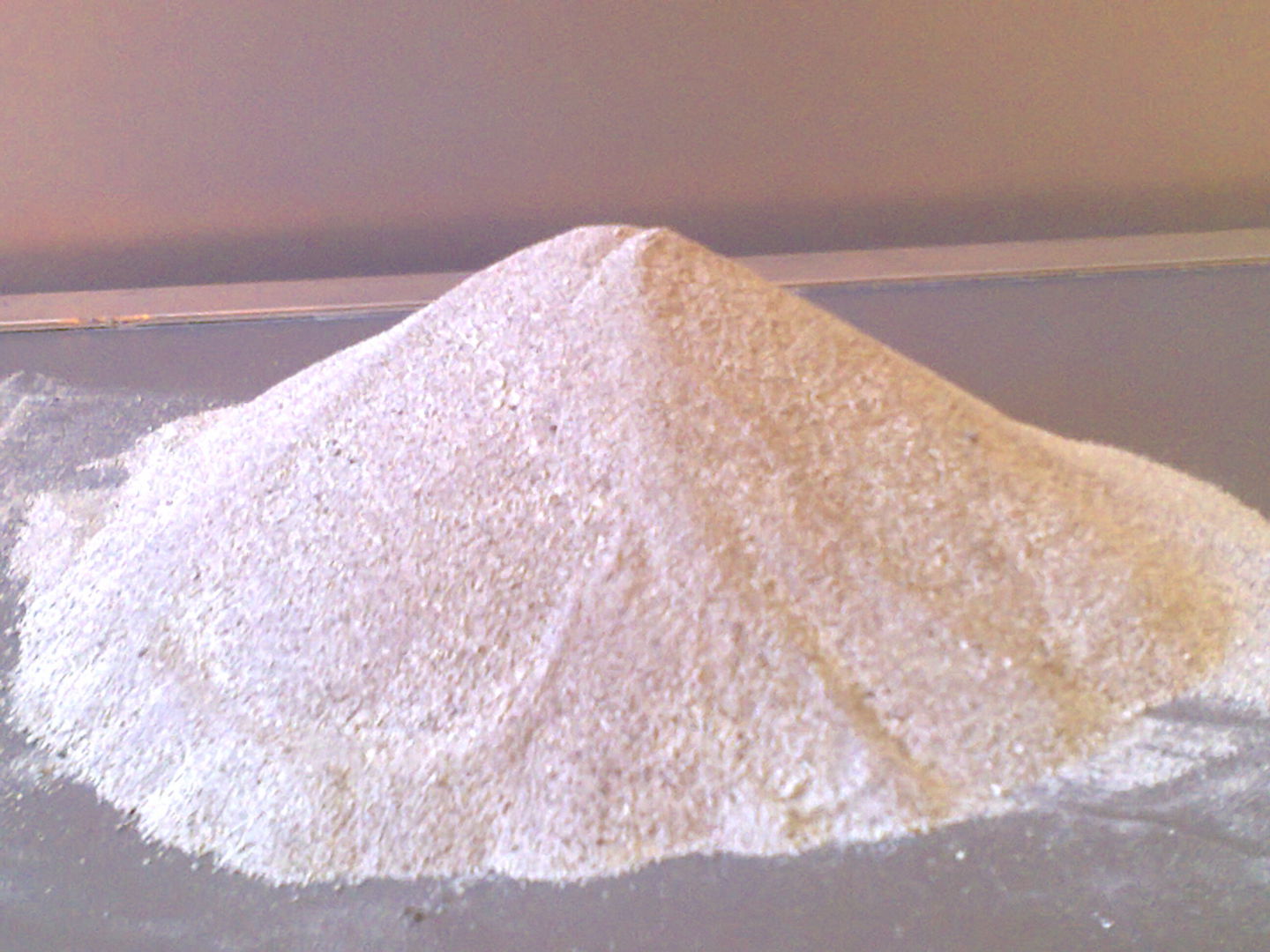
Regarding lighting, strawberries will grow even in the shade, but they will only produce fruit in well-lit areas. In partial shade, the berries will ripen somewhat later and will be less sweet. Strawberries planted in the garden between fruit trees grow well, producing numerous rosettes, but yield less fruit, and in rainy weather, the berries are more susceptible to gray mold than those planted in open areas.
The shallow root system explains this plant's need for well-balanced soil moisture. Excess moisture will lead to the development of fungal diseases and, consequently, to crop losses.
Insufficient watering during flowering will result in a reduction in the number of ovaries, during fruiting it will lead to smaller berries, and in the autumn it will reduce the formation of flower buds (in some varieties, they do not form at all).
The best irrigation for strawberries is drip irrigation, which delivers water directly to the roots, avoiding the leaves and fruit. This allows for simultaneous fertilization. During their development, strawberries develop a huge mass of foliage and fruit, which consumes a significant amount of nutrients. They remove nutrients from the soil several times more efficiently than grains and many vegetable crops. Strawberries, which require careful planting and care, require fertilizing at least twice a year: once during spring loosening after the first three leaves emerge (with ammophos or chicken manure), and again during flowering (with wood ash).
In the fall, weakened bushes and year-old plantings are fertilized. Everbearing and continuously fruiting day-neutral varieties require significantly more fertilizer.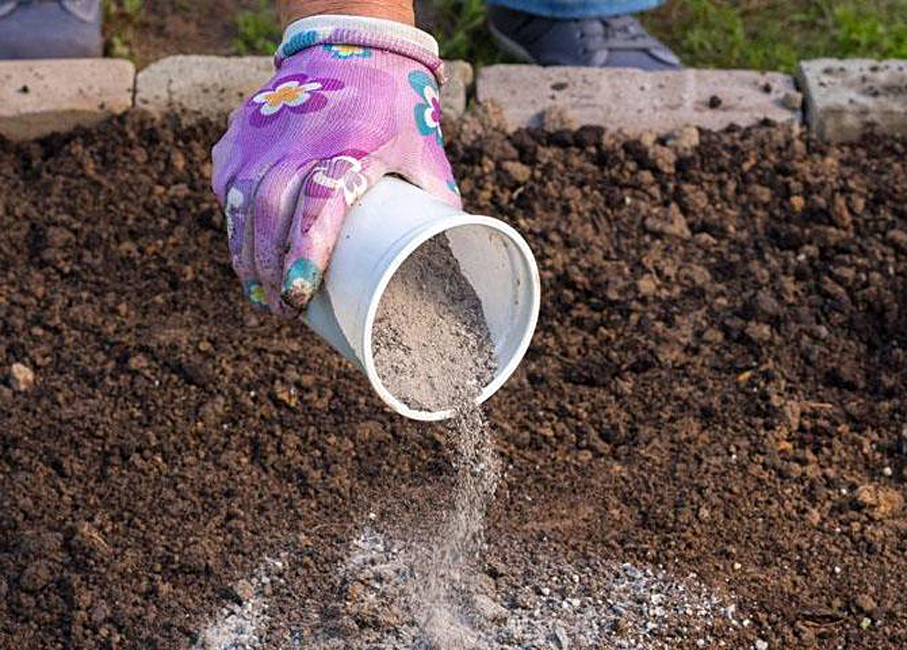
To retain soil moisture and prevent fungal diseases, strawberry beds are mulched with straw or agrofibre. Strawberries are every gardener's dream, and planting and caring for them is easy, even for novice gardeners. Therefore, it's important to choose the right varieties. First, they should bear fruit well in your climate, and second, you should plant several varieties with different ripening times in the same plot. Garden strawberries are most often propagated by daughter rosettes called runners. However, continuously fruiting varieties do not produce runners. How do you plant strawberries in this case?
Video "Growing at the Dacha"
This video will show you how to grow strawberries without spending a lot of effort.
Growing strawberries from seeds
Large-fruited strawberry seeds germinate very poorly, so they need to be soaked before planting. To do this, place the seeds between two damp cotton pads. The resulting "sandwich" is placed in a clear plastic container with small holes for ventilation and left in a warm place for two days. To harden off, place the seeds in the refrigerator for the next two weeks. Open the container daily to ventilate and check the moisture content of the cotton pads. Once the seeds have sprouted, they are ready to sow. While soaking, prepare the soil. It should be light and crumbly, but not fertilized. It's best to use garden or forest soil with some sand.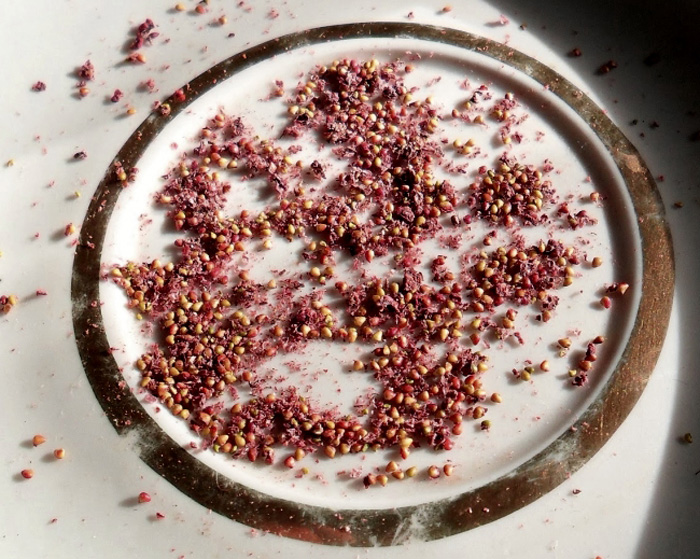
To disinfect, the resulting mixture is heated in the oven for 15-20 minutes and left for 2 weeks to wait for the seeds to develop and for beneficial bacteria to grow. Seeds can be planted in boxes and peat pots filled with soil and moistened with a spray bottle. Tweezers are convenient for planting. Don't sprinkle the seeds on top, but lightly compact them, and cover the boxes with plastic wrap. Seedlings will appear in 7-14 days. Once the weather is consistently warm, plant the strawberries outdoors; by this time, they will have formed 3-4 true leaves.
Site preparation
First, you need to choose a good site to ensure your strawberry planting and care are worthwhile. It should be level or have a slight slope (no more than 5 degrees) to the south or west. On the north side, the chosen site should be protected from winds by trees or buildings. You can use beds after onions, garlic, carrots, beets, radishes, dill, or parsley. Strawberries planted after raspberries, potatoes, or tomatoes can be attacked by their common enemies—late blight and wireworms. Before planting strawberries, thoroughly clear the bed of weeds. The best time to plant strawberries depends on the propagation method you choose. In August, propagation is done using runners. In spring and early summer, seedlings are used.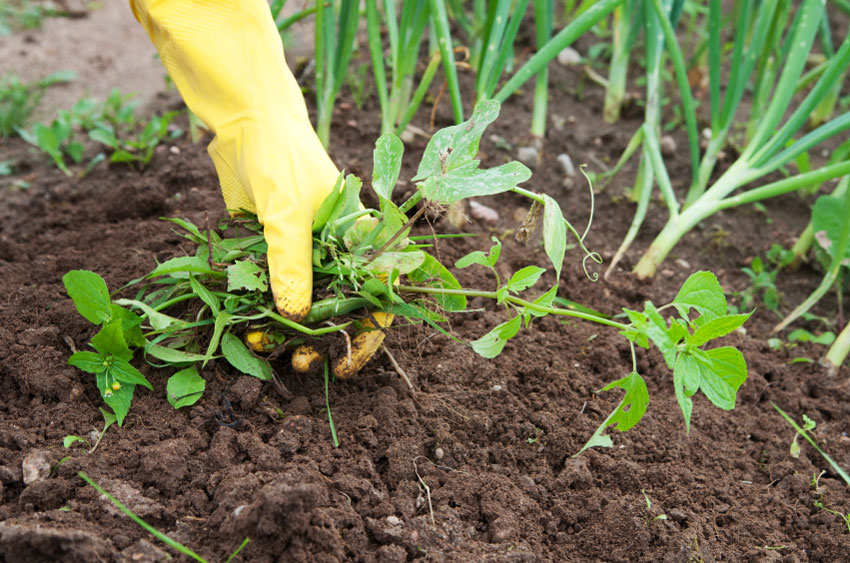
If you've decided whether to plant strawberries in spring or fall, you need to prepare the bed in advance. When planting in spring, dig the soil in the fall, adding organic matter (0.5 buckets of compost, 20 g of potassium chloride, and 60 g of superphosphate per square meter).
If you plan to plant in the fall, only add organic matter to the soil when digging. You can mulch the bed with a thin layer of compost to protect it from freezing.
How to plant correctly
Before planting strawberries, the planting material must be carefully sorted, removing diseased and weak plants. A good seedling has a root collar at least 6 mm in diameter and a fibrous root at least 7 cm long. Here's how to plant strawberries correctly: Place the seedling in a pre-prepared hole until the top bud (dew point) is exactly level with the soil surface, then fill the hole and compact it.
Planting methods
How to plant our strawberries correctly - 4 planting methods:
- Plant individual bushes 50-60 cm apart. Good ventilation reduces disease risk. The runners are easy to remove because they don't intertwine. The berries grow large. The downside is the high labor intensity due to the constant need for loosening the soil, removing weeds, and mulching.
- Row planting is the most common strawberry planting pattern. The distance between plants in a row is 15-20 cm, with a row spacing of 40 cm. The plants need to be loosened and freed from runners.
- Nest planting is a dense strawberry planting scheme that allows for four times more plants than traditional strawberry planting methods. A nest is formed by seven plants: one in the center and six surrounding them, spaced 5-8 cm apart. The distance between nests within a row is 25-30 cm, and between rows, 35-40 cm.
- Carpet planting is the simplest method, requiring no runner pruning or loosening. No matter how far apart you plant, the strawberries will grow to form a dense carpet. This planting method is typically used by those who don't frequent their garden. With a little care, you can grow a good harvest. The downside is that the berries become smaller over time.
-

Video: Growing on Agrofibre
This video will show you how to properly grow strawberries on agrofibre.