
Fertilizing strawberries in spring: effective tips
Content
Preparing garden beds in spring
Spring strawberry care begins immediately after the snow melts. If the plants were covered, it must be removed immediately. Afterward, the area where the berries are growing must be cleared of debris. Each individual strawberry plant should also be cleared of any dry leaves. All dead parts of the plant must also be removed. Dead plants must also be removed.
The dead plants should be replaced with new ones. This procedure should be carried out as early as possible to allow the seedlings to establish themselves in their new location before the onset of hot weather and severe drought.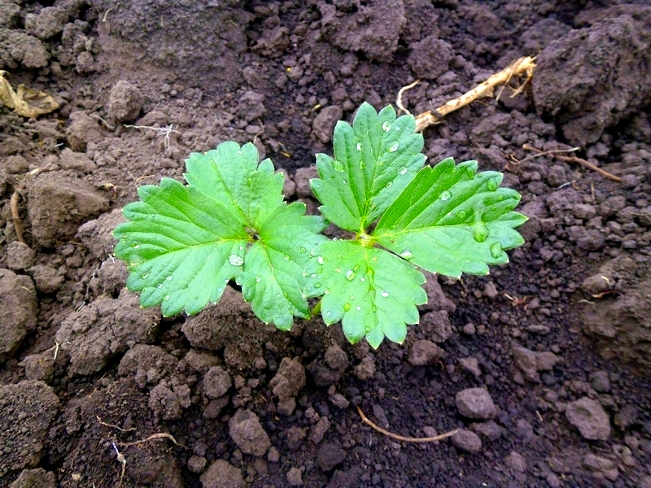
Garden beds require regular loosening. This procedure should be carried out with extreme caution to avoid damaging the plant roots. Mulch, if present, should also be replenished. This will help protect the area from various pests.
Dry trimmed plant parts and grass should be burned, as this is the only way to combat parasites and diseases left over from the previous year. Trimmed plants should be treated as a preventative measure. Bordeaux mixture or other copper-containing substances are ideal. Treatments can be repeated a couple of times in the spring.
Video "First Feeding"
This video will show you how to properly apply the first fertilizing to your berries.
Spring feeding
Fertilizing strawberries in the spring is especially important for the harvest. Nutrients help strawberries recover from the winter and develop new organs.
However, it's important to fertilize the plant on time and strictly adhere to the recommended dosage. Excessive fertilization will promote unhealthy plant growth, and flowers and fruits will develop significantly later than expected.
Fertilizing young bushes
Strawberries planted last year may not require any spring feeding, as they contain sufficient nutrients. If you do decide to feed them, prepare the following solution: half a liter of chicken manure or cow manure and one tablespoon of sodium sulfate, diluted in a bucket of water. Apply the resulting solution at a rate of one liter per plant.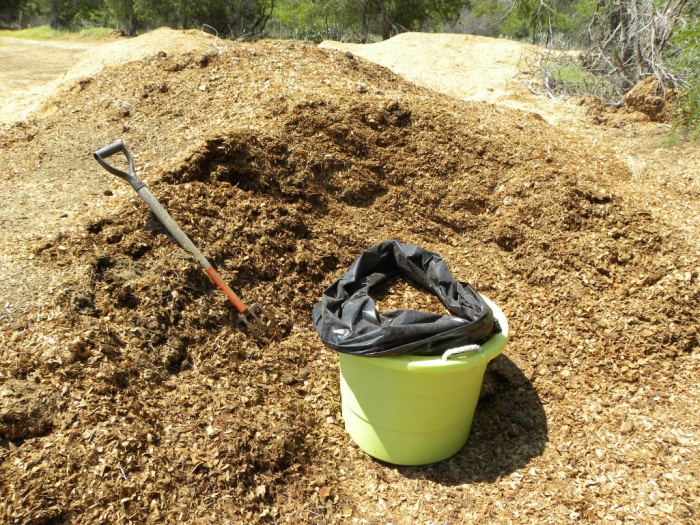
Fertilizing mature strawberries
In their second to third year, strawberries have a particular need for nutrients. This is due to depleted soil. Therefore, to get a large harvest, it's important to know how to fertilize strawberries in the spring and do it correctly.
In spring, berries should be fertilized at least three times: first after the seedlings have developed two or three leaves, and again before flowering. The final fertilization should help the plant develop fruit.
As for timing, the first fertilizer application usually occurs between mid- and late April. During this time, strawberries especially need mullein, which can be replaced with chicken manure.
During the second application, during flowering, the plant is fed with mineral fertilizers. These promote the production of large fruits and also improve their taste.
The final feeding can be successfully done using a weed infusion. Remove the weeds from the beds, chop them up, and add water. After allowing the solution to steep for a week in a warm place, you can water the strawberry bushes with it.
Foliar feeding of strawberries
Fertilizing strawberries in spring can be accomplished through more than just watering. Nutrients can be applied directly to the bush.
The easiest way to apply foliar feeding is by spraying with a nitrogen or organic solution. These nutrients have a positive effect on plant growth and fruit set. Spraying helps the solution be absorbed almost immediately. This should be done on a calm, sunny day, preferably in the evening.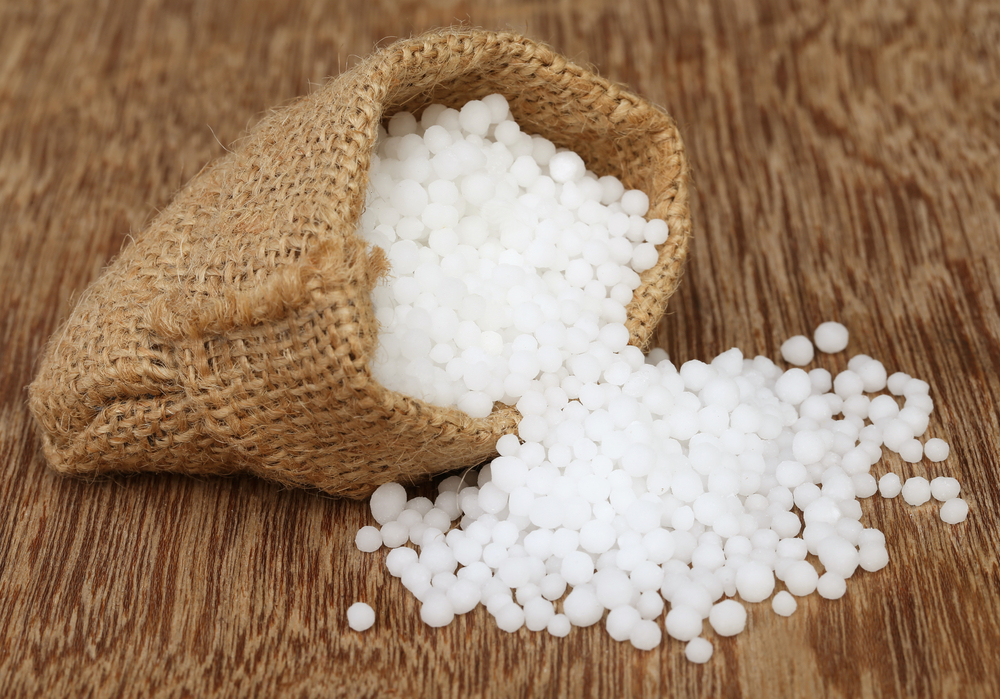
Fertilizers can also be applied to berries. There are mineral mixtures of high-mobility and low-mobility types. The first group is characterized by rapid absorption by plants. Representative mineral mixtures of this type include nitrogen, phosphorus, magnesium, and potassium. The second group, represented by iron, boron, copper, and manganese, is characterized by a slower effect on the plant.
When applying fertilizers by spraying, you need to be careful where the substance ends up.
Which fertilizers to choose
Many gardeners are interested in the question of what to feed strawberries with in the spring. This is not surprising, as the quality of the fruit and its range of uses depend on the correct selection of nutrients. Any deviation in the type and dosage of fertilizer can make the harvest unusable. Even strawberry vinegar cannot be made from berries with excess minerals.
So, what will large-fruited strawberries respond better to: minerals or organics?
Mineral fertilizers are quite effective. However, they must be used with extreme caution. It's important to follow the instructions and dosages precisely. Fertilize the berries with minerals no later than a few weeks before they ripen.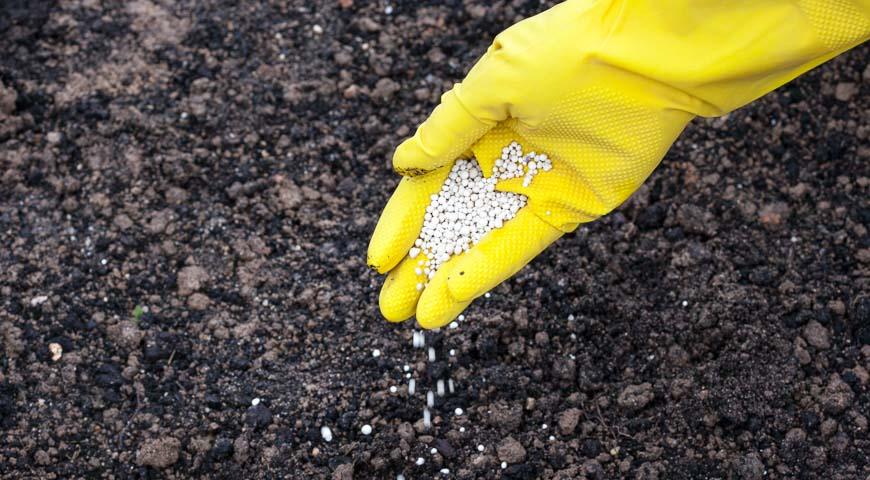
It's worth adding organic matter because it's safe for humans. Overdosing on manure or bird droppings is generally unheard of. The crop itself will absorb the necessary nutrients.
Wood ash provides excellent results. It actively nourishes the roots, and the solution can also be applied foliarly.
Post-harvest care
How should you care for the crop after its harvest? In July and August, it's a good idea to trim off any old, dry leaves and runners.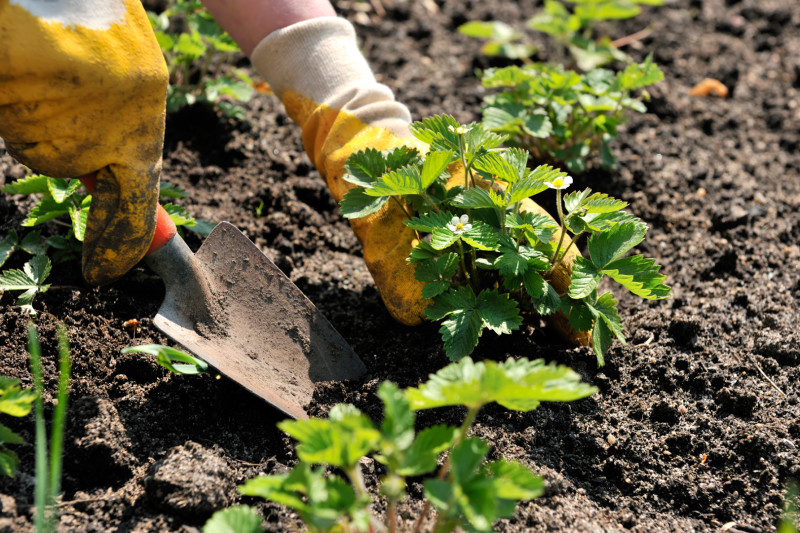
After this, the soil between the rows should be loosened vigorously but carefully to avoid damaging the roots. The bushes should be carefully hilled. The harvested beds are fertilized with cow manure.
Watering is very important for strawberries even after harvest. Therefore, don't neglect it or allow the soil to dry out.
It is necessary to systematically trim the bush's tendrils, which has a positive effect on the appearance of new plant organs.
So, growing strawberries is much easier than it seems. However, you can't count on success without applying certain fertilizers in the spring.
Post-harvest Care Video
This video will show you how to care for berries after harvesting.