
Characteristics of the Queen Elizabeth strawberry variety
Content
Description and characteristics of the variety
The Queen Elizabeth 2 strawberry, like its predecessor, is a day-neutral everbearing variety, meaning it produces flower buds regardless of the amount of daylight. This allows fruiting to begin with the onset of warm weather and end in late autumn. The fruit ripens in waves. The first harvest is a few days ahead of early varieties, the second begins to ripen in mid-July, and the third, from late August until frost.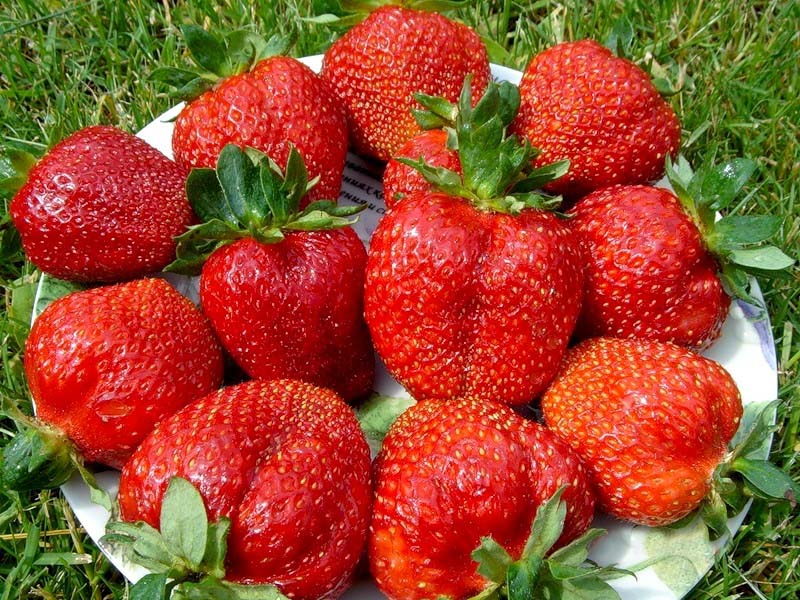
In southern regions, the number of flushes can reach four in open ground, while in a greenhouse, the Elizaveta 2 strawberry bears fruit year-round. This large-fruited variety averages 40 g, with giants sometimes reaching up to 100 g. The berries are firm, juicy, and have red flesh and an excellent flavor. The bush is vigorous and well-foliated. Strong flower stalks bear 5-6 berries each. A single bush can produce 1.5 kg of fruit per season, yielding 10-12 kg/m².
Moreover, two-thirds of the harvest occurs during the second flush, during which not only the mother strawberry plant but also the rosettes of runners bear fruit. Both queens are highly resistant to major strawberry diseases. A drawback, as with other continuously fruiting varieties, is the need to replant every two years. A bush that bears fruit intensively wears out very quickly, and by the third year, the berries become smaller and lose quality.
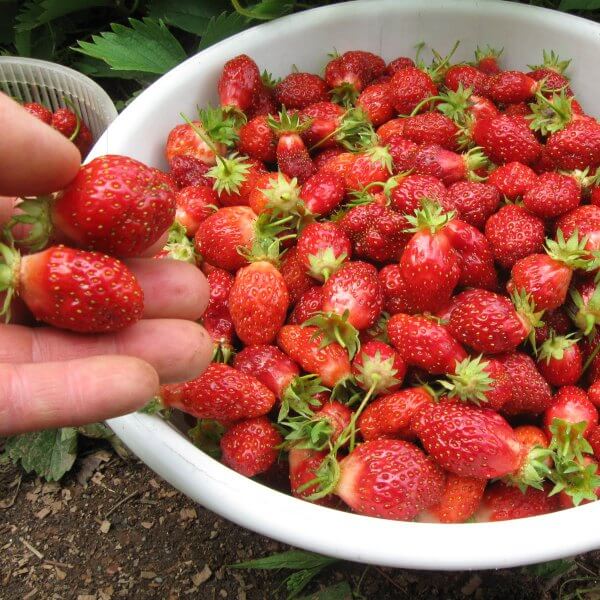
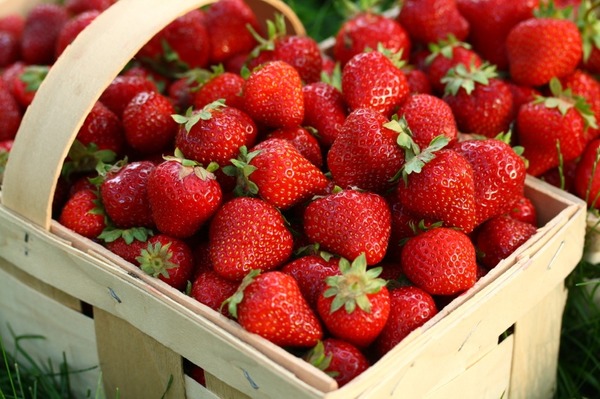
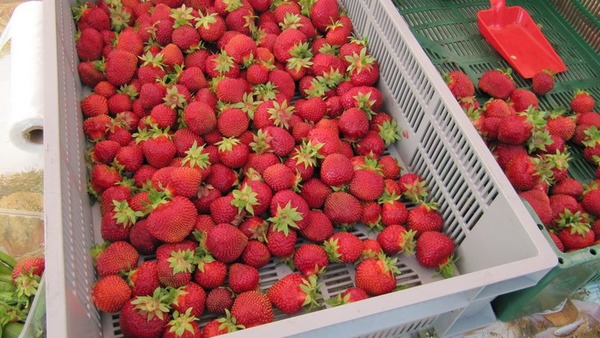
The insufficient number of runners (4-6 per mature plant) creates certain difficulties with propagation. These can be partially resolved by removing the first flower buds. Great popularity creates a significant risk of acquiring a lowly relative instead of a titled person, so it is necessary to buy seedlings from well-known nurseries with a good reputation.
Video "Description of the Variety"
From the video you will learn many new facts about the royal strawberry variety.
Growing from seeds
Growing strawberries from seed isn't easy, but it's guaranteed to yield high-quality planting material of the desired variety. If you have access to additional lighting for your future seedlings, begin the process in late January. Otherwise, start in late or early March. Keep in mind, however, that planting seedlings outdoors early guarantees a harvest in the first year.
Before sowing seeds, you need to prepare the soil for the future seedlings. You can purchase the soil at a store or make your own: three parts washed river sand, one part compost, and one part garden soil. Slow seed germination in high-humidity conditions promotes the development of fungal diseases and harmful microorganisms. Therefore, the soil must be disinfected. To do this, place it in a preheated oven for 20-25 minutes. The Elizabeth 2 strawberry has a low germination rate (50-60%). Furthermore, they are very difficult to germinate, so before sowing, strawberry seeds should be soaked using growth stimulants, following the manufacturer's recommendations.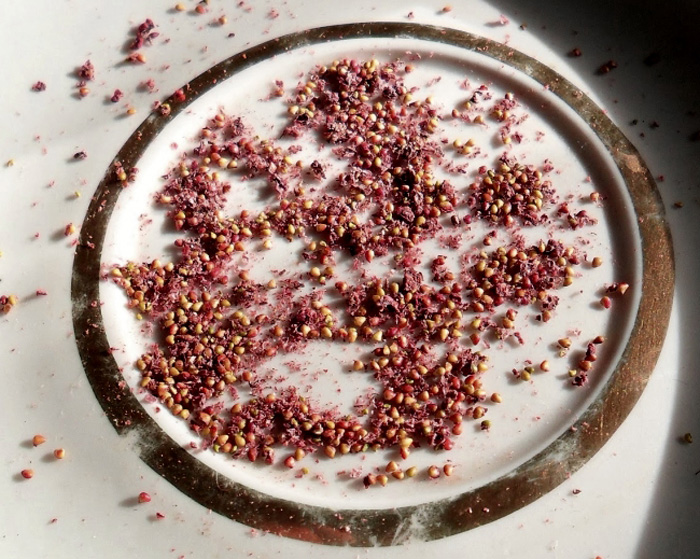
A similar effect can be achieved through stratification. To do this, place the seeds on a damp cloth, cover with plastic, and refrigerate for 3-4 days. For germination, the seeds require 80% humidity. A transparent cake pan can be used for a mini-greenhouse. Add soil to the bottom, spread the seeds on top without burying them too deep, and after watering with a spray bottle, cover with the top pan. Now, the main thing is to maintain a temperature of 20°C (68°F) and at least 12 hours of daylight. It will take about two weeks to see seedlings emerge. When 2-4 true leaves develop, transplant the seedlings into individual cups. To prevent the stems from stretching, reduce the nighttime temperature to 12-14°C (55-55°F).
Planting seedlings
Two weeks before transplanting outdoors, harden off the seedlings. To do this, leave the pots outdoors for increasing periods each day. Avoid frost and direct sunlight. After 120 days from germination, the Queen Elizabeth strawberry is ready for transplanting outdoors. Prepare the bed in advance: remove weeds, dig thoroughly, and add 6-8 kg of compost per square meter. When planting in rows, space adjacent plants 25-30 cm apart, and 60-70 cm between rows.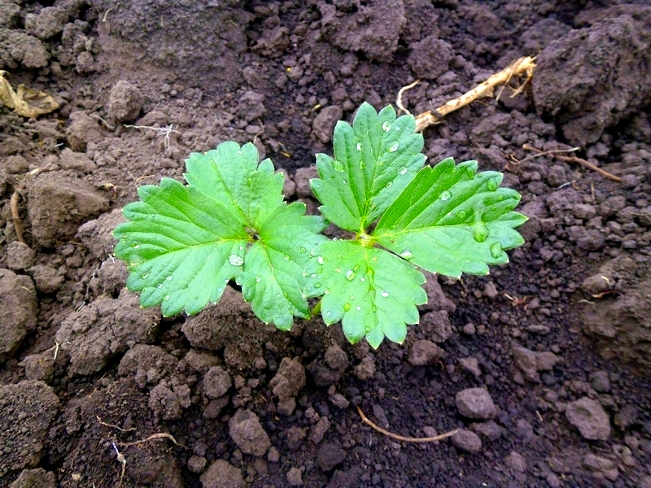
The description of the Elizabeth 2 strawberry variety states that it can yield fruit not only from the mother plant but also from the runners. Therefore, sufficient space is required for the rosettes to root.
Care instructions
The soil in the Queen Elizabeth strawberry bed should be kept moist. In dry weather, water 2-3 times a week. Mulching with pine needles or straw will help retain moisture and eliminate the need for loosening the soil. Regular fruiting significantly depletes the plants, so they need to be fed every two weeks. The seedlings are first fed a week after transplanting, using a solution of fermented bird droppings (1:15) or mullein (1:10), and the leaves are sprayed with a wood ash infusion.
Before the first harvest, only foliar feeding is used, using solutions of complex mineral fertilizers (Plantafol, Siyanie, Hera, Zdraven, Agros), prepared in accordance with the manufacturer's recommendations.
Nitrogen and potassium fertilizers are then applied. After fruiting has completed, fertilizer granules containing phosphorus and potassium are scattered over the beds at a rate of 40–45 g/m.
Video "Growing"
This video will show you how to properly grow strawberries to get a good harvest.