
How to grow strawberries from seeds
Content
Benefits of seed growing
Propagating strawberries from seeds has a number of advantages, making this method quite popular among gardeners.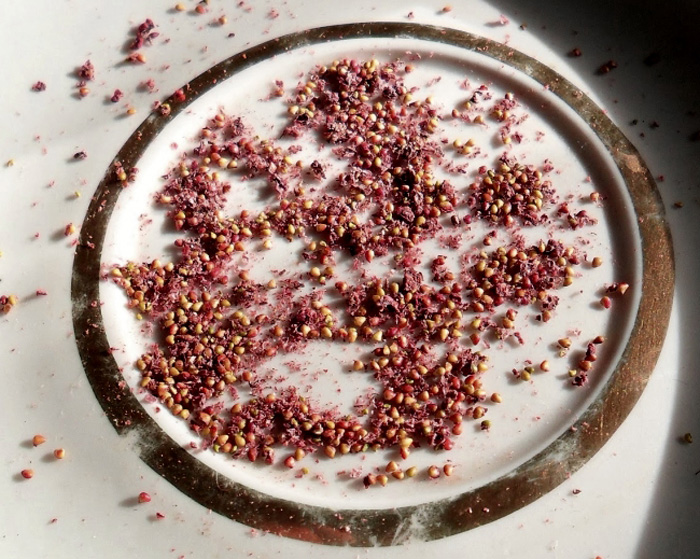
Firstly, planting strawberries with seeds, especially those you harvest yourself, means you can be sure that the variety you want will grow.
Secondly, this method is quite simple and well-known. After all, seed germination is taught in practice in school biology classes. Furthermore, similar information is easily found online or in specialized literature.
Third, buying seeds is very easy. Today, for example, there's convenient and fairly fast delivery of seed from China. Ordering is easy on a dedicated website. Gardeners note that Chinese seeds produce excellent berries. If you want to grow a harvest as naturally as possible, harvest the seeds yourself. Information on how to collect strawberry seeds can be found in specialized literature or online.
Fourthly, the shelf life of strawberry seeds also speaks in favor of this growing method. Furthermore, they are highly resistant to pests and a number of diseases.
Fifth, if desired, you can select planting material so that the fruits of each tree ripen at different times. This way, you can enjoy berries all summer long.
Growing strawberries from seed offers many benefits for gardeners. The only drawback is the potential for problems with low germination rates and slow growth of young plants. However, this disadvantage can be overcome by studying all the intricacies of the planting procedure.
Video "Growing and Picking"
This video will show you how to properly grow strawberries from seeds and transplant seedlings.
Which varieties to choose
When growing strawberries from seed, you should be aware that the procedure varies depending on the variety. First, decide on a growing location: a greenhouse or open ground. Based on the climate in your region, choose a variety based on ripening time.
Greenhouse varieties
Everbearing strawberry varieties grown in greenhouses bear fruit year-round. However, to achieve this, the plant from which berries have already been harvested (approximately 1,000) must be removed and replaced with a new one. Varieties that thrive in greenhouse conditions include early and mid-early varieties. Particularly popular are the early greenhouse varieties 'Alba,' 'Octava,' 'Sonata,' 'Darenka,' 'Baron Solemacher,' and the mid-early 'Honey.'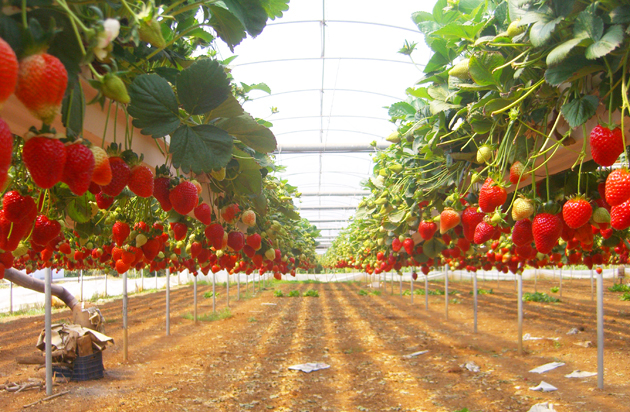
Varieties for open ground
The choice of strawberry variety for planting outdoors depends directly on when you want to harvest the crop and what you plan to use it for. For fresh strawberries, choose early varieties that bear fruit in May. For canning and long-term storage, choose mid-season and late varieties.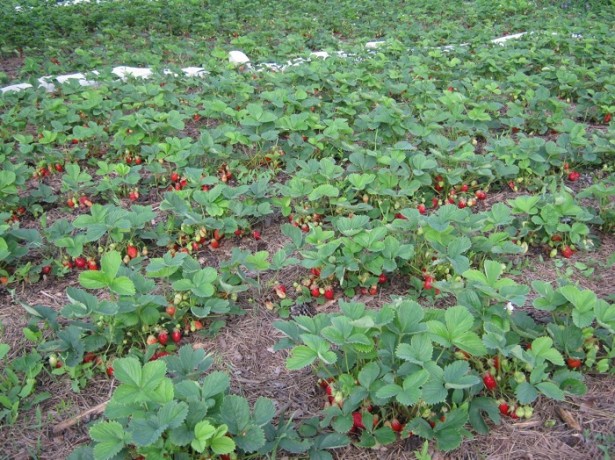
Today, early varieties such as "Zarya," "Rusalovka," and "Desna" are common. Among the mid-season varieties, "Pocahontas," "Festivalnaya," and "Talisman" are particularly popular, while among the late varieties, "Zengana" is especially popular.
Timing of sowing seeds for seedlings
How to grow strawberries from seeds? First, you need to decide on the sowing time, and then carry out a number of preparatory steps. It is recommended to sow seeds for seedlings in late winter or early spring. Some gardeners try to sow according to the lunar calendar, but this is not essential.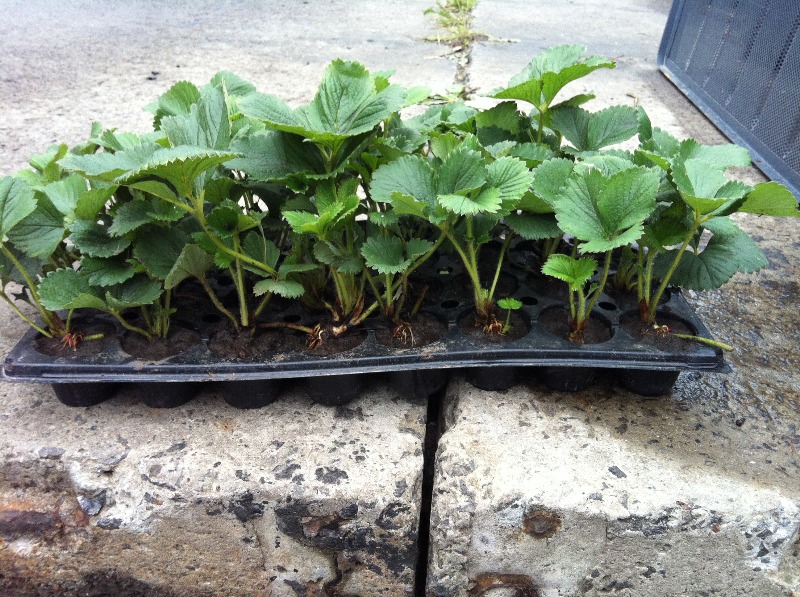
If you plan to sell seedlings, you can grow them earlier. However, such plants must be provided with supplemental lighting. If you don't plan to provide supplemental lighting, don't sow them before March, as they will die from lack of light.
Preparing for sowing seeds
When growing strawberries from seeds, remember that large-fruited varieties sprout very slowly. To speed up the process, soak the seeds first. It's best to soak them in a special plastic container rather than a glass jar. You'll need cotton pads. First, poke holes in the lid of the plastic container to allow air to enter. Moisten the cotton pads with water, place the seeds on one, and cover them with the other. If you plan to grow several varieties at once, it's best to label each container.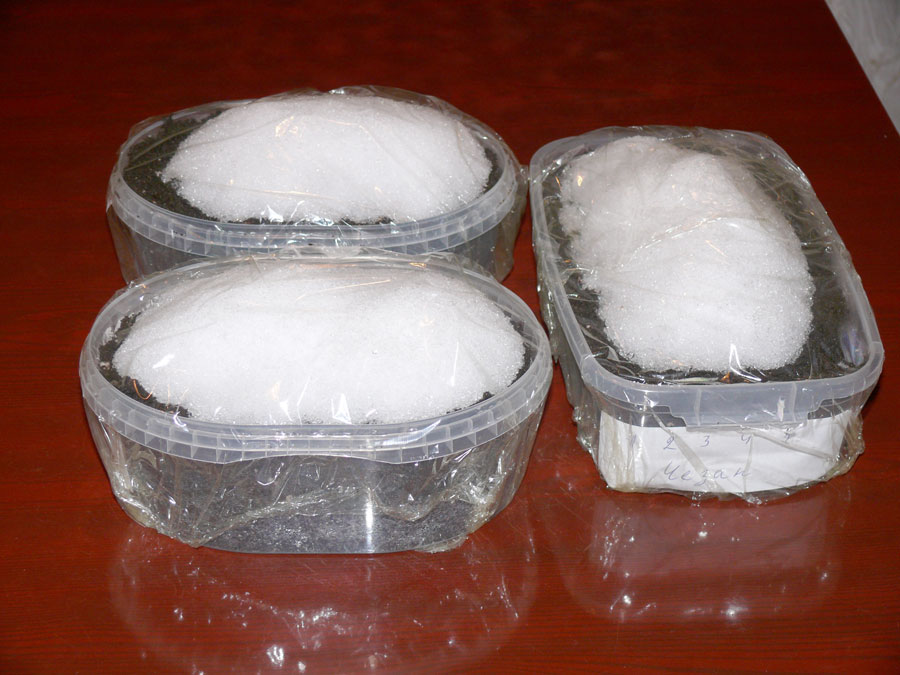
Next, cover the seeds with a lid and place them in a warm place for two days. After this, place them in the refrigerator for two weeks to stratify. Keep the cotton pads moist, and air the plastic container daily. Once stratification is complete (after two weeks), the seeds can be sown in containers, cups, or peat pots. In either case, prepare the soil for planting.
Substrate preparation
For sowing seeds, loose black soil is usually used, allowing both water and air to pass through. Is it possible to make your own substrate? Of course. Simply mix equal amounts of coarse river sand, peat, and turf soil.
Planting seeds
How do you plant strawberry seeds? Most often, seedlings are germinated in special containers. Less commonly, small cups (one for each individual plant) or special peat pots are used. A jar is not suitable for this purpose.
You can grow berries from seeds in a container straight from the refrigerator (after two weeks of stratification). Fill the container with the prepared soil mixture and compact it slightly.
The soil is sufficiently moistened by spraying it with a spray bottle. Then, using tweezers, a toothpick, or a match, place the seeds on the soil surface and press them lightly into the soil. There's no need to bury them deeply, as the seeds germinate well in the light.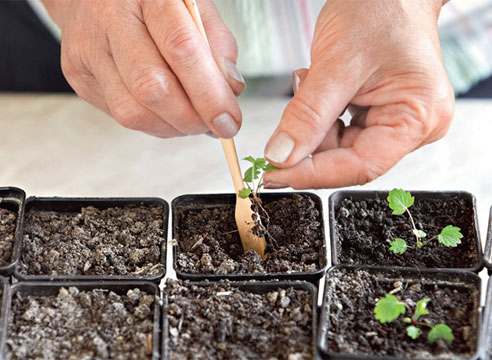
After this, close the container with a lid and place it in a warm place, but out of direct sunlight. Direct sunlight will cause the growing material to dry out and prevent germination. Poke holes in the container's lid to allow air to enter. Don't open the lid until the material has had time to germinate. A sealed container creates a warm and humid environment. Condensation will collect on the lid, which will water the seeds.
Caring for seedlings
The first seedlings appear after two weeks, but some varieties need up to a month. Once a "garden" has grown in the container, it's best to move it to a well-lit windowsill. The film covering the seedlings should be removed so they can acclimate to the surrounding conditions. If numerous seedlings have appeared and they're close together, it's advisable to thin them out. So, the seedlings are slowly growing; the gardener nurtured them, and then they begin to wilt.
Why did this happen? Because the inexperienced gardener didn't know basic gardening tips. Planting and caring for strawberries involves transplanting the seedlings after they have developed 2-3 true leaves.
When doing this, ensure that at least 0.03 meters of space remains between plants. After this, before transplanting to their permanent location, the plants require proper care: maintaining the appropriate temperature, providing sufficient but not excessive light, regular misting, and generous watering. They should be transplanted into open ground after five leaves have formed. This period usually occurs in late spring. Only by following all recommendations can you reap a good harvest.
Preparing seedlings before planting in the ground
How to grow berries properly? Young plants should be transplanted to their permanent location only after they have formed five leaves. Choosing the right location is also crucial. The best planting sites are shaded areas, where the young plants can acclimate to their new environment without being exposed to the sun.
It is also worth following these rules:
- plant young plants at a distance of 0.1 meters;
- the growing point should not touch the soil;
- The plant should be watered from a watering can using water warmed in the sun.
So, strawberries, like wild strawberries, can be grown in a variety of ways. The most productive and popular is by seed. So, plant strawberries from seeds and reap a rich, bountiful harvest!
Video "Planting Seedlings"
This video will show you how to plant strawberry seedlings correctly.