
DIY Hydroponics for Strawberries: Year-Round Growing
Content
What is the method?
Home hydroponics is a growing method among gardeners. What are its key advantages? It allows you to prolong the fruiting period of strawberries without planting them in a substrate. To achieve this, specialists have developed an alternative growing medium that nourishes seeds and berries just as effectively as fertilized soil. The key difference is that hydroponics doesn't require any garden soil.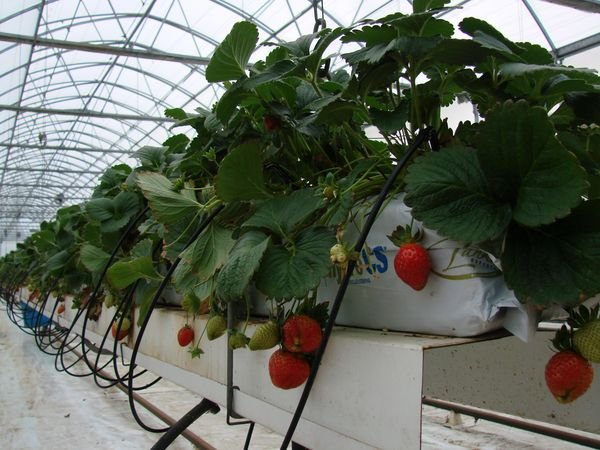
A special nutrient solution, which is watered almost daily, is crucial for the berries. One of the main advantages of this method is the ability to grow strawberries from seed and reap a bountiful harvest without unnecessary expense. No matter how expensive it may seem to you, it doesn't require significant investment or much physical labor. If you think the taste and quality of these strawberries will be significantly inferior to those grown in regular soil, you're sadly mistaken. Berries grown hydroponically are in no way inferior to those ripened in a substrate.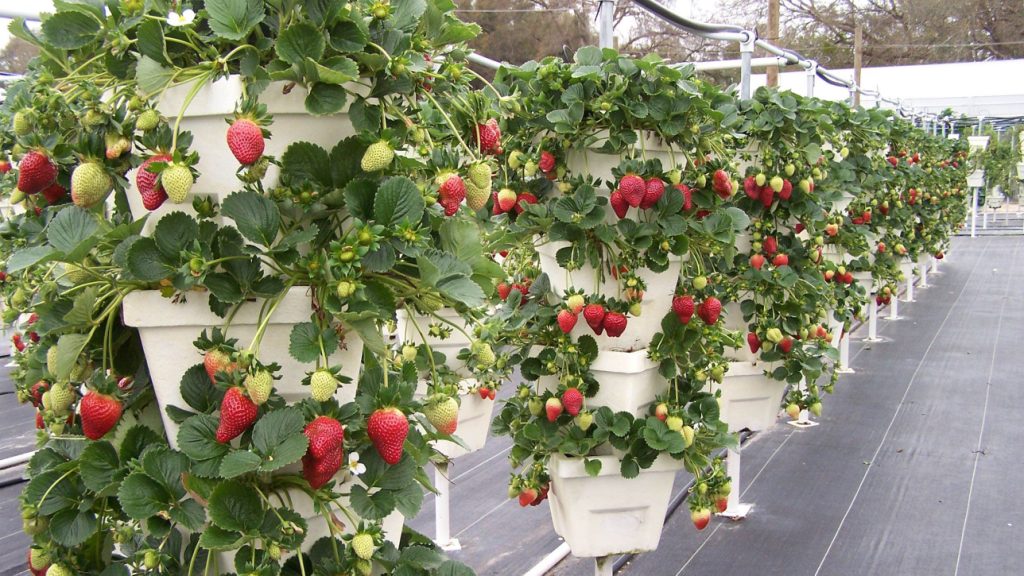
Looking at this method of growing strawberries in more detail, its main principle is that they grow in a special environment (aerated water, humid air, or solid). This means that while the soil may contain beneficial minerals, but in varying amounts, this method allows the strawberries to fully absorb these valuable components.
Video: "How to Build a Hydroponics System Yourself"
This video will show you how to assemble your own hydroponics system.
Selecting a variety
Growing strawberries hydroponically is a multi-layered process, so it's recommended to thoroughly understand all its intricacies before purchasing strawberry varieties. As for the berry varieties, a variety of them are suitable for growing using this method. There are no strict restrictions, so feel free to experiment. However, experience shows that there is a list of strawberry varieties that are optimal for planting in this type of growing medium. These primarily include everbearing strawberry varieties.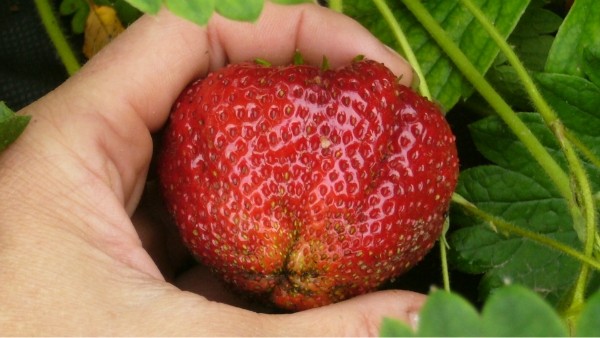
Why should you choose them? They produce a much more generous harvest if provided with good growing conditions and proper care. Therefore, if you haven't yet experienced growing strawberries hydroponically, now is the time to experiment with everbearing varieties. Besides these, farmers often prefer to use Dutch varieties, including Elvira, Korona, and Gigantella Maxim.
When initially setting up a hydroponic system, you should purchase one of the above-mentioned strawberry varieties. This approach will make your work significantly easier. Later, you can confidently try growing other varieties of this garden crop in a similar manner, but you should only begin new experiments once the entire hydroponic system is functioning properly and effectively. Follow the basic recommendations from experts, and you'll see results quickly.

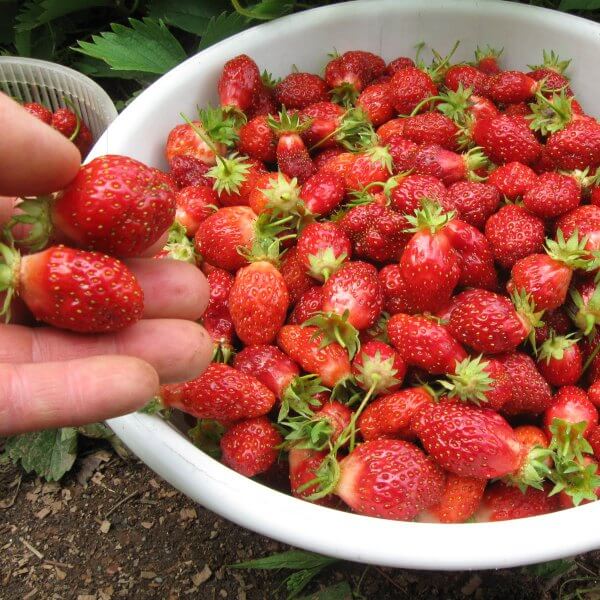
Hydroponic Growing Methods
DIY hydroponics for strawberries is an innovative gardening method. However, before purchasing everything you need to implement it, it's worth understanding the key features of each type of technology. Currently, there are several:
- A periodic flooding system. If you want to create an entire strawberry plantation this way, this method is the best option, as it's designed for growing large numbers of strawberry bushes indoors. What's the key principle behind this technology? The strawberries are secured in special stands, which are periodically filled with water. After a period of time, they drain back into the reservoir;
- Deep-water culture or floating platform system. In this case, the support on which the strawberry plants are attached is constantly filled with a liquid nutrient solution. It provides the strawberry plants or seeds with all the necessary nutrients. This mixture is periodically aerated by a compressor. This compressor, in its structure and functionality, is somewhat reminiscent of an aquarium system. The liquid nutrient medium in which the strawberry roots are immersed is constantly aerated.
- Nutrient film method. The roots of this berry plant are submerged in a reservoir, where the nutrient mixture is fed. However, the solution for strawberries is supplied using a special compressor or wick, which creates the necessary pressure to force water and nutrients into these reservoirs;
- Drip irrigation. This method allows for regular watering of strawberry plants, providing them with essential nutrients.
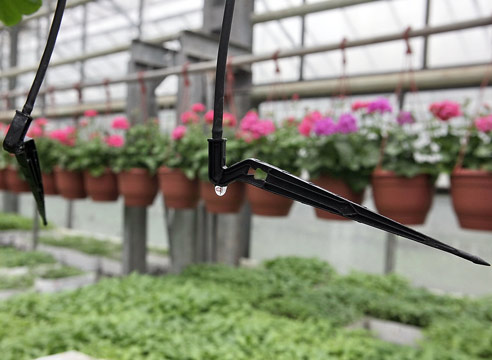
Which hydroponic method to choose for successful strawberry cultivation depends on your preferences and capabilities.
Technology
Strawberries are grown quite frequently at home using our hydroponics system these days. The process itself is not simple, so it's worth understanding the key steps in advance. There are several:
- First of all, you need to choose the best variety of strawberries, in your opinion, and purchase seeds or cucumbers;
- Next, you can begin to create an artificial substrate, which is essential for hydroponics;
- the next stage is the preparation of a nutrient mixture, which should include the necessary elements for berry crops;
- implementation of technical aspects – installation of a system through which the mixture for feeding plants will be supplied to the reservoirs.
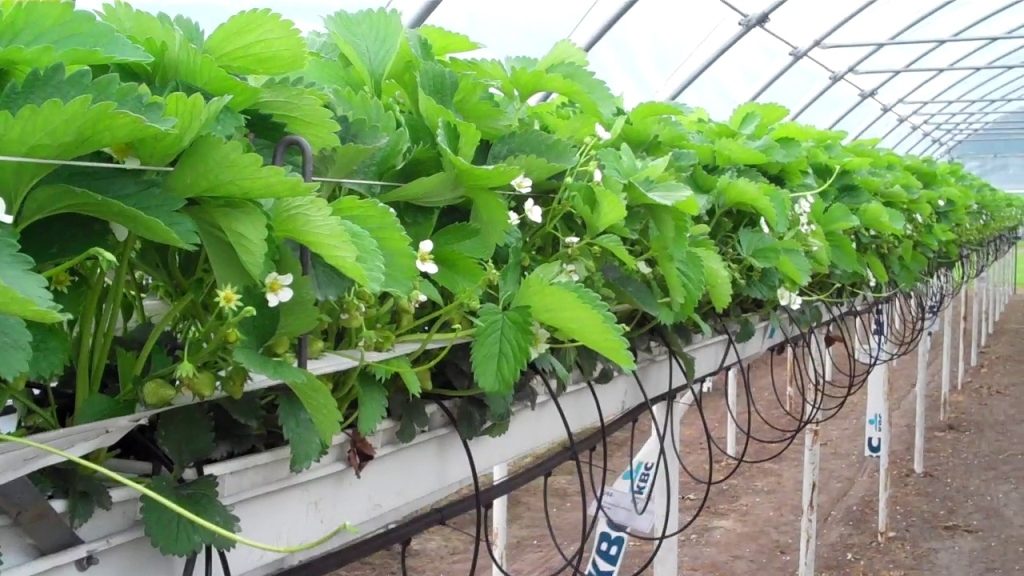
Remarkably, planting strawberries this way can yield not only a bountiful harvest, but also seeds.
Growing tips
What recommendations should be followed in order to achieve high results?
Planting strawberries without adequate light is undesirable, especially during winter. Artificial light is essential, as the berry crop requires approximately 12 hours of light daily.
Particular attention should be paid to the choice of substrate; it should be quite hard (expanded clay is the best option).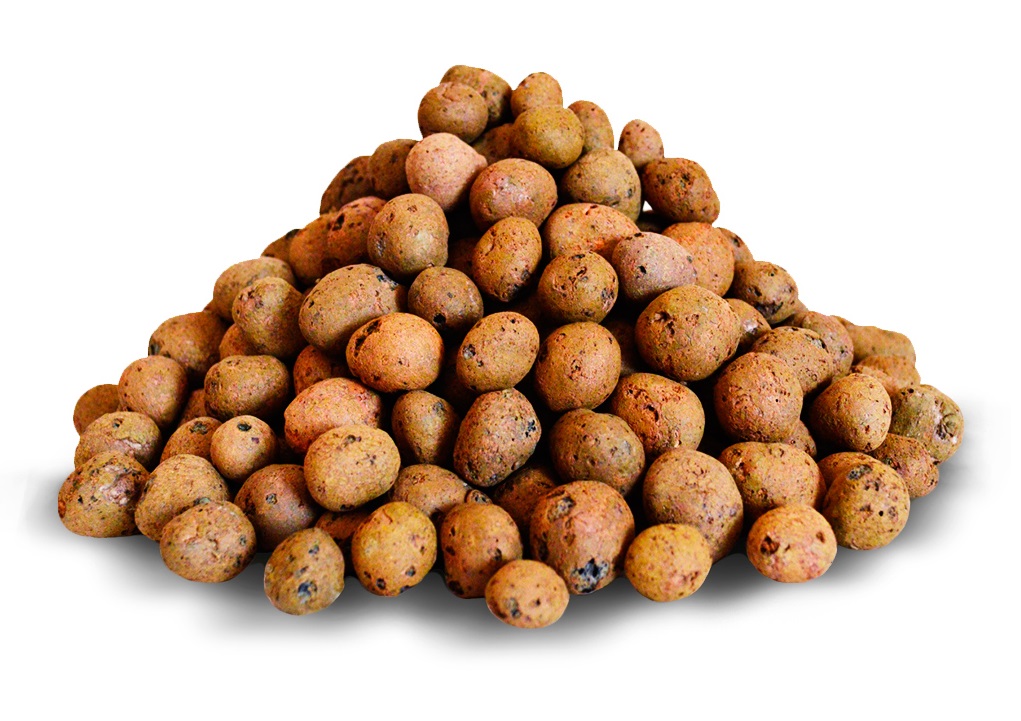
Overall, hydroponics will yield a good profit if you properly care for your plants, but it will take several years. Once the system is fully established, you can purchase new varieties for growing strawberries hydroponically.
Video: Growing Strawberries
This video will show you how to effectively grow berries hydroponically.