
Strawberry diseases: treatment and prevention
Content
Main diseases
Like any berry crop, strawberries are often affected by parasitic microorganisms, which lead to the development of putrefactive processes and spoilage of not only the berries, but also the plants themselves.
Gray mold
This is the most annoying fungal disease, capable of destroying a large portion of the harvest. It occurs in conditions of high humidity (frequent rainfall, excessive watering, and lack of mulch). It appears as rapidly growing light-brown or grayish spots with a moist, fluffy surface on the fruit. In severe cases, it spreads to the leaves and stems, potentially killing the entire plant.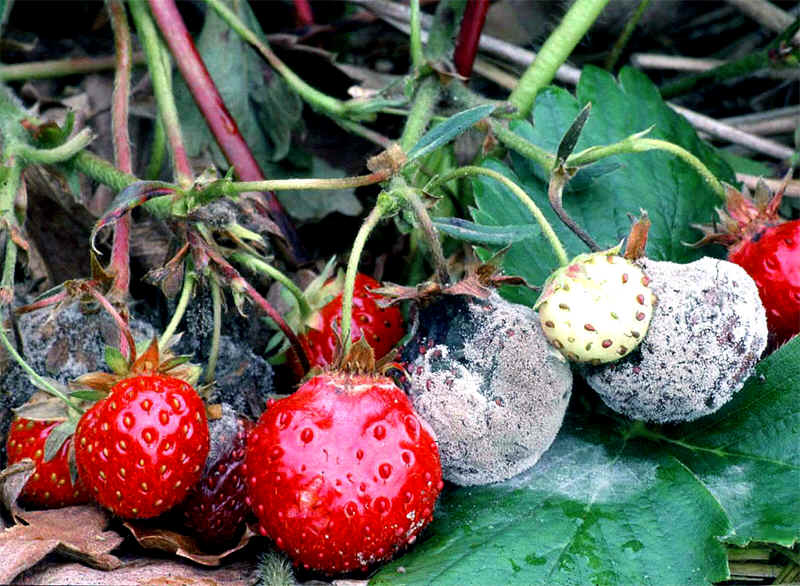
Powdery mildew
A fungal disease that develops from excessive humidity. It manifests as a light, powdery coating on any part of the plant, but most often on the leaves, causing them to curl and lose their color. If the disease develops before or during flowering, pollination is disrupted, and the resulting ovaries acquire a characteristic fungal coating and odor.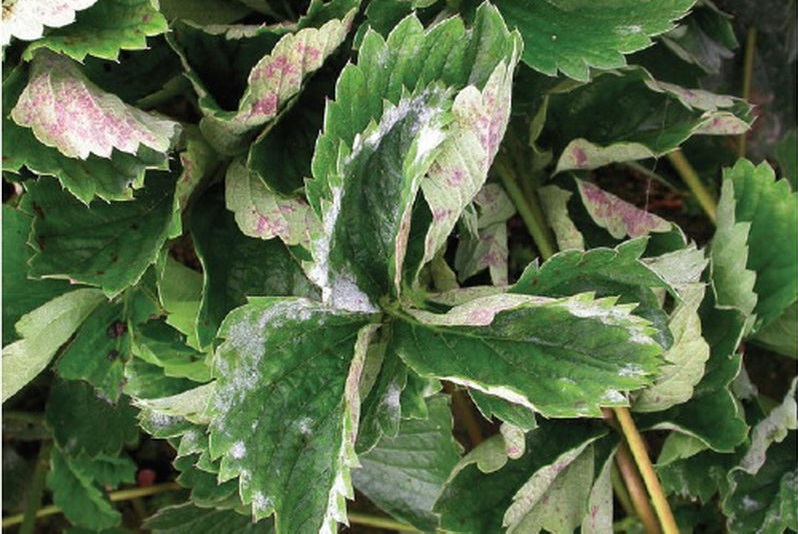
Leaf spot (brown)
The disease most often develops after harvest, which is why many gardeners underestimate its danger. Meanwhile, dark spots with light centers on leaf blades lead to leaf wilting and death just as the plants are forming fruit buds for the upcoming harvest.
White spot
It manifests as brown or light-colored pinpoint spots spreading toward the center, causing the center of the leaf blade to fall out. If the bush is severely affected, the disease spreads to the petioles and flower stalks, causing the flowers and buds to wither.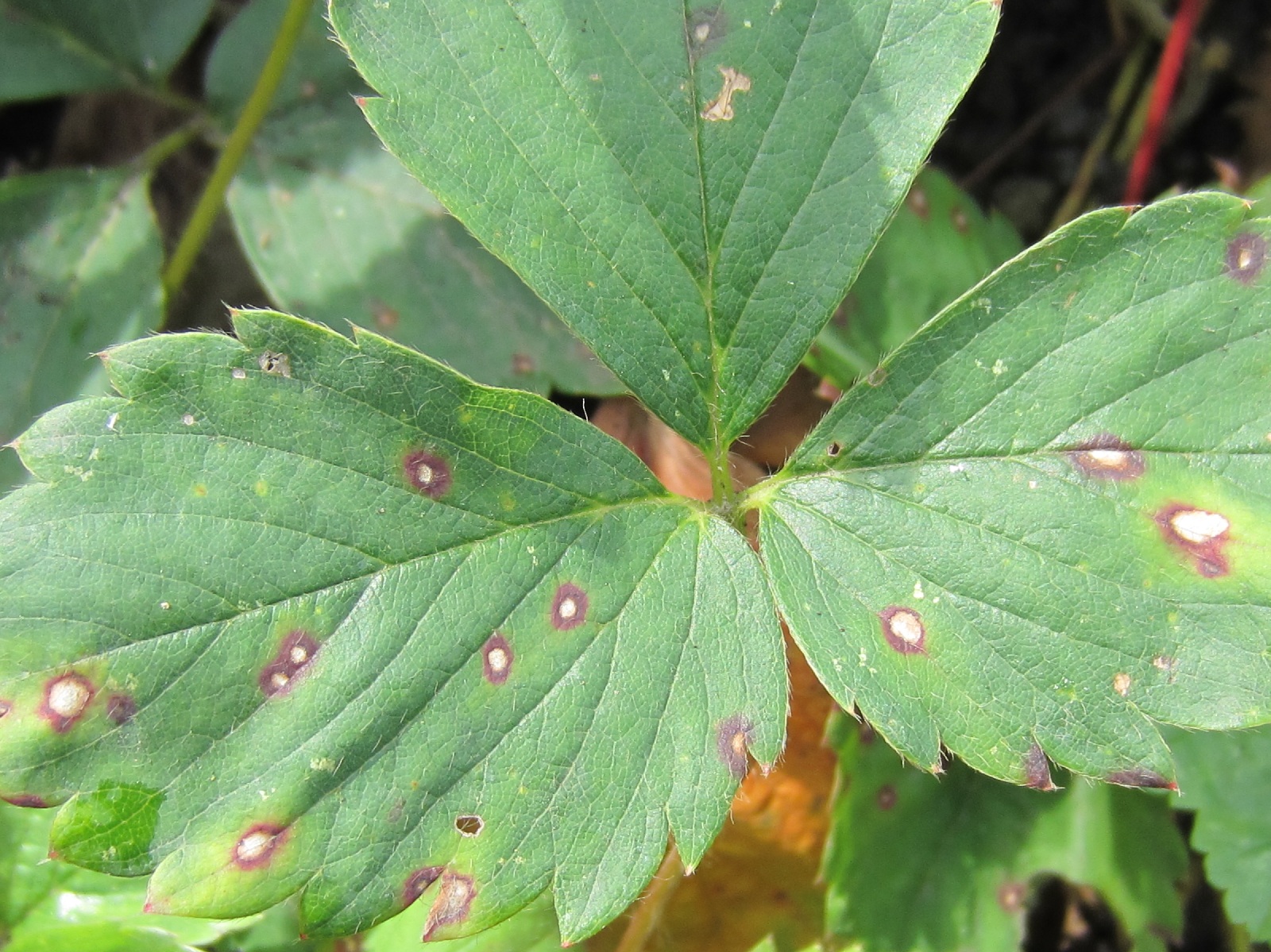
Verticillium wilt
At the very beginning, the disease manifests itself as small dark spots on the lower leaves, after which the lower tier dries out completely, and then the entire bush.
In dry, sandy soil, plants can die within a week; in more fertile soil, within 1-1.5 months. Not only diseases but also harmful insects can significantly damage the strawberry harvest.
Strawberry mite
The most common and dangerous insect for berry crops, it damages leaves and sucks their juices. It overwinters in the soil at the base of petioles and, with the arrival of warm weather, begins laying eggs on unfurled leaves. Leaf blades become wrinkled and sticky, and the berries are small. This pest can produce 4-5 generations per season. If left untreated, you can lose not only the harvest but also the entire plantation.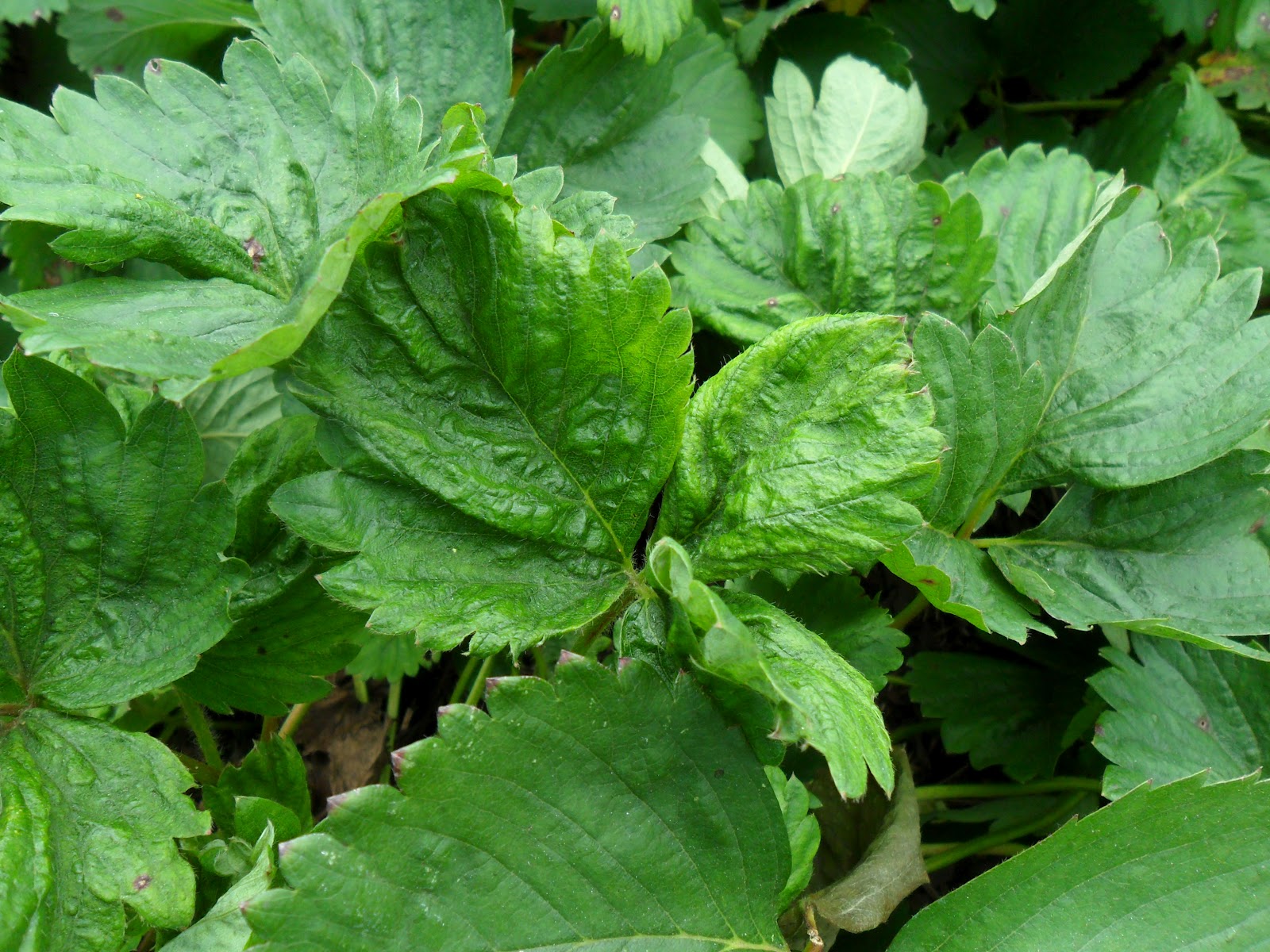
Spider mite
Its presence is indicated by the thin, sticky web the pest creates on strawberry leaves. In severe infestations, the leaves turn yellow and dry out, leading to the death of the entire plant.
Raspberry and strawberry weevil
Another strawberry pest, it damages not only the green parts of the bush but also ripe fruit. This small (3-4 mm) gray-black beetle overwinters in the garden bed, and with the arrival of spring, it crawls to the surface and feeds on young leaves. When buds appear, females begin laying single eggs in them. Soon, the egg hatches into a larva that feeds on both ripe and green strawberries, ruining the entire crop.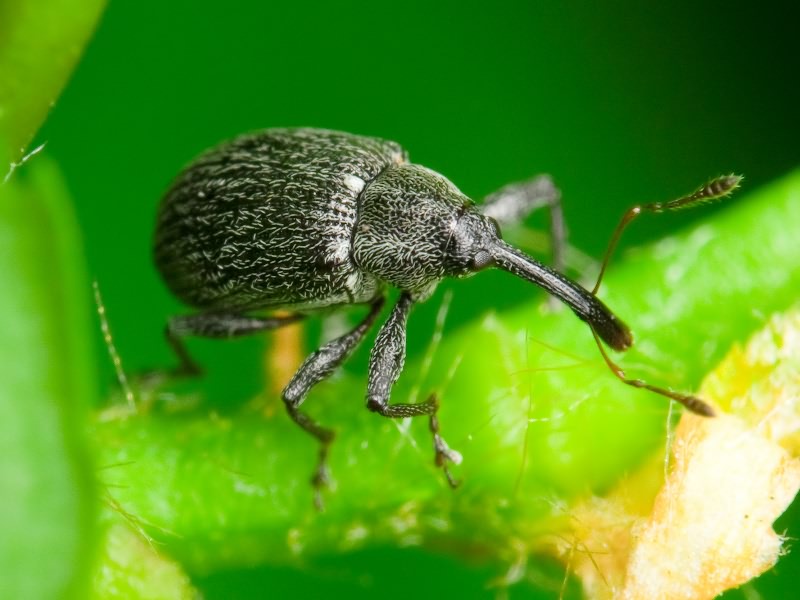
Strawberry nematode
This microscopic worm lives near the roots and on the surface of plants. It initially damages the roots and stems, causing the bushes to develop poorly, and leaves, petioles, and even ovaries to become deformed.
Fire beetle
The beetle got its original name from its distinctive red and black stripes. It can't even be considered a pest, as it naturally destroys pests such as aphids, caterpillars, and other beetle larvae, thereby benefiting gardeners. However, when these beetles become numerous in a garden, they begin to eat strawberry leaves and flowers, so their population needs to be controlled.
Very often, slugs, which most often appear after rain, as well as ants and wasps – lovers of sweet berries – become “uninvited” guests in the strawberry patch.
Red juicy fruits can attract birds, which can not only peck the fruits, but also damage the plants.
Video "Diseases and Pests"
From this video you will learn about strawberry diseases and pests.
Method of struggle
Strawberry diseases are often caused by poor agricultural practices or improper plant care. Infected soil at planting is one of the main causes of disease. Pest larvae, fungal spores, and other harmful microorganisms can become active under favorable conditions and damage berry bushes. To prevent this, thoroughly disinfect the soil before planting, and promptly remove and destroy any diseased plants.
Fungal diseases of strawberries are controlled with copper-containing fungicides (Bordeaux mixture 1-3%, copper sulfate 1-2%, Hom, Oxyhom). Solutions in the required concentration are used to spray the bushes before flowering and during the disease period. If rot develops, the first step is to reduce humidity: stop watering and mulch the spaces between the rows with dry materials (straw, pine needles). Berries damaged by rot should be removed from the bush immediately, as the infection spreads very quickly.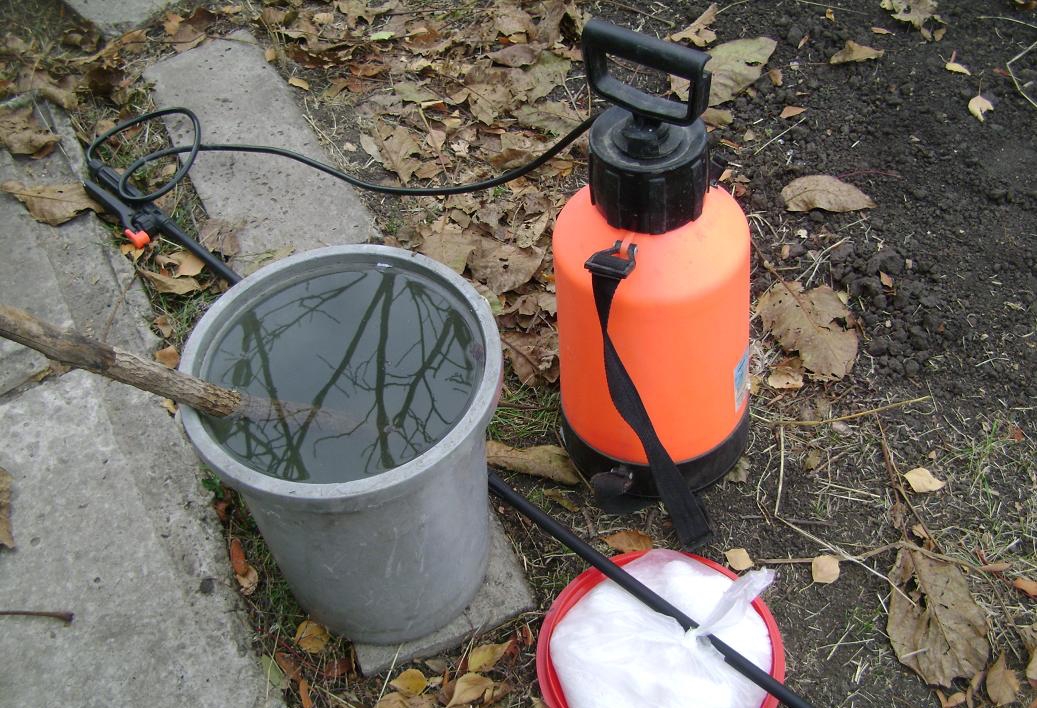
To combat parasitic insects in gardening, insecticides, folk remedies, and mechanical methods of destruction (traps) are used. It should be noted that pest larvae can be killed with simple boiling water (80°C), but the soil should be watered in early spring, before they emerge to the surface. For the same purpose, it is recommended to soak the roots of seedlings in hot water (45-50°C) for 10 minutes before planting.
Among the radical methods of pest control, one can note very effective chemical preparations of contact and systemic action:
- Karbofos (20-30 g/10 l of water) – effective against weevils, spider mites and strawberry mites;
- Decis (diluted according to the instructions depending on the concentration) – whiteflies, different types of caterpillars, aphids, thrips, weevils;
- Confidor (10 ml/10 l of water) – beetles, caterpillars
- Spark (5 ml/5 l of water) – weevils, leaf beetles;
- Actellic (ampoule/10 l of water) – broad spectrum of action;
- Neoron (10 g/10 l of water) – mites, nematodes.
It is important to understand that insecticides are toxic chemicals that can accumulate in plants and their fruits, so give preference to more gentle treatment methods.
No less effective, but much safer in this case are biological insecticides: Fitoverm, Fitoseiulus, Actofit, Akarin and others. Don't forget about folk remedies: wood ash, tobacco dust, infusions of onions, garlic, wormwood, which can be sprinkled or sprayed on plants.
Prevention
The best way to fight any disease is to prevent it, so try to pay more attention to preventative measures:
- Clear the garden bed of plant debris twice a year: in the fall, after harvesting, and in early spring – this will help avoid, or at least reduce the likelihood of the bushes becoming infected with fungal diseases;
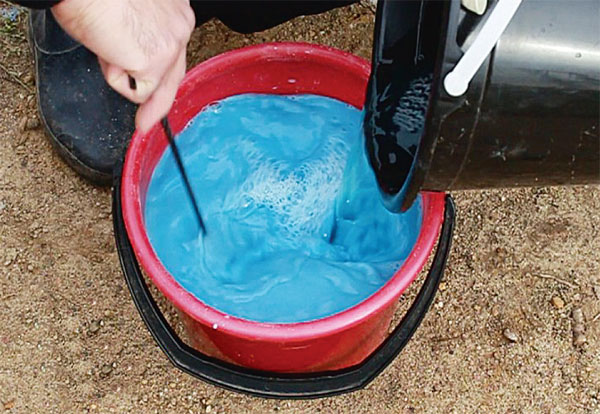
- in spring, spray young leaves with a 1-2% solution of Bordeaux mixture, or with the following preparations: Ridomil, Metaxil, Falcon, Zolon, Previkur;
- Dig up the space between the rows several times a season and remove weeds along with their roots, since most microbes and insects live in weeds;
- Maintain crop rotation - strawberry and wild strawberry diseases are more likely to develop in old beds, so change the location of your strawberry plantation every four years, and remember that you can return strawberries to their original location no sooner than after 6 years;
- When growing strawberries in greenhouses, it is necessary to strictly monitor temperature and humidity levels, as any sudden changes can trigger the development of diseases;
- When planting a new bed, pay attention to disinfecting the soil - it needs to be thoroughly watered with a solution of potassium permanganate or boiling water;
- To treat the roots before planting seedlings, use stimulating biological solutions; they not only speed up the survival rate of plants, but also kill harmful microorganisms. For berry crops, ash solution and aloe juice are considered the most beneficial and natural;
- Buy seedlings only from reputable nurseries or grow them yourself;
- Do not plant berry plantations next to raspberries, as strawberry diseases and pests are very similar.
But don't forget about plants and insects that can benefit strawberries. For example, plants like lupine, garlic, and onions are natural insecticides, and many pests avoid them. Attract firebugs and ground beetles to your garden; they are true garden cleaners, as their main food source is harmful insects and their larvae.
Video "Protection"
This video will teach you how to protect your crops from diseases and pests.