
Growing hanging strawberries: planting and care
Content
Characteristic
Trailing strawberries are so named because they can grow both in beds and in pots and bowls that are hung like lamps. The word "ampel" means "lamp" in German.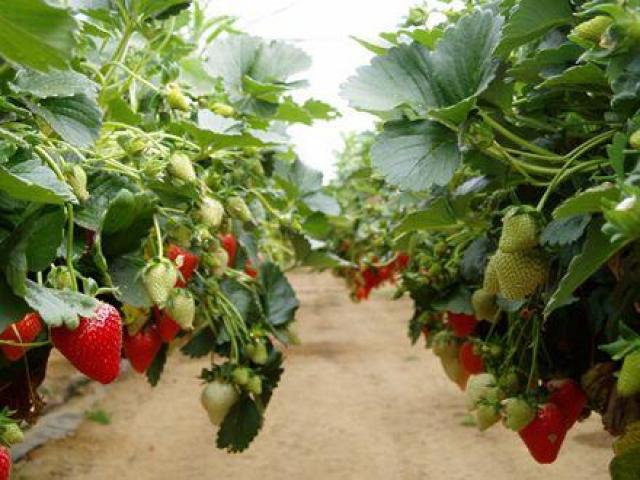
The plant is considered a climbing strawberry, capable of producing large berries. This is why the crop is often called "hanging strawberry." However, the plant's ability to climb is highly questionable, as without anchoring the tendrils to a support, they will not twine around it. As for yield, this crop is a subspecies of the everbearing strawberry. Its main characteristic is its long tendrils, which form the basis for the formation of a rosette of flower stalks. This unique characteristic allows for a continuous harvest. New fruits are formed in the place of the harvested ones, and this occurs continuously. If you choose the right plant variety, you can enjoy fragrant berries even in winter.
Trailing strawberry varieties respond well to low light conditions, so they can be successfully grown indoors—on a balcony, terrace, or greenhouse. These plants are not only decorative but also productive.
Breeders have developed strawberry varieties that boast high cold tolerance, abundant yields, and resistance to diseases and temperature fluctuations. Gardeners consider the following varieties to be the best: Queen Elizabeth, Home Delicacy, Toscana, and others. Among the hybrids, Fresca, Roman, Balcony Charm, and the trailing strawberry Varnavin f1 stand out.
Tuscany was introduced to gardeners by breeders in 2011. Despite its youth, the plant has won numerous awards at competitions due to its many virtues. Its main characteristics are its compact size, decorative qualities, high fertility, and ruby-colored flowers. The maximum height of the bush is 0.2–0.3 meters, the spread of the crown is 0.3–0.4 meters, and the length of the branches is up to a meter. This variety is ideal for both garden beds and indoor cultivation.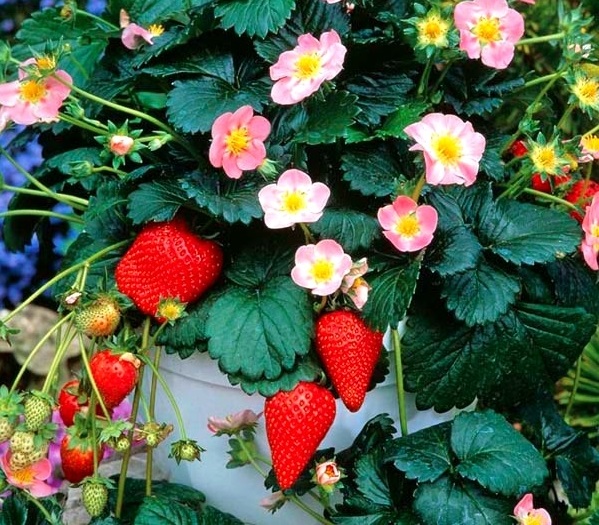
Hanging strawberries are characterized by short ripening times. The fruit is typically medium-sized. The berries have a pleasant flavor, with a subtle acidity. Their color is a rich red.
Video: Growing Strawberries from Seeds
This video will show you how to grow strawberries from seeds.
Landing
Growing trailing strawberries requires specific planting techniques. Before planting the plants in the soil, you need to prepare the soil mixture.
A layer of gravel, pebbles, or crushed rock, 0.1–0.15 meters high, is placed at the bottom of the bed or container where the plant will be grown. Top this layer with fertile soil. This soil is a mixture of peat, compost, and manure.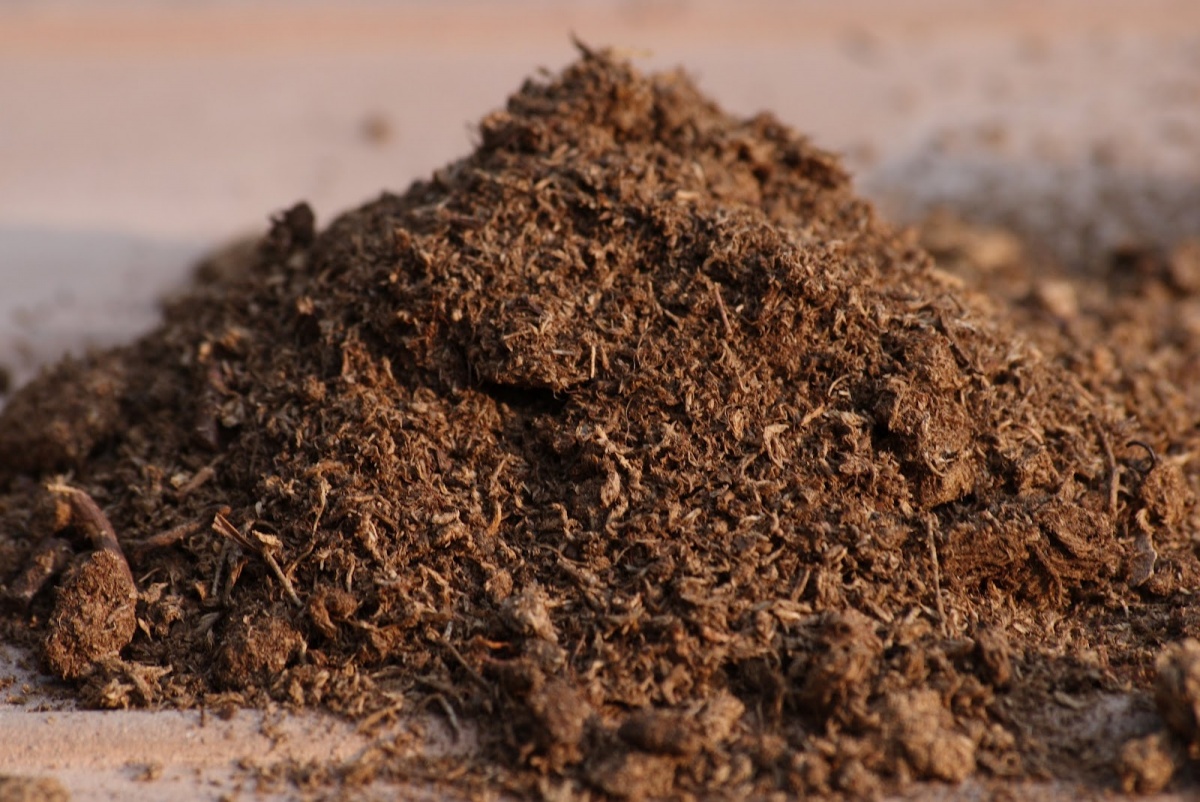
The container is filled with soil, and a watering hose is attached to it. This is the first watering. After this, you need to wait for the soil to settle and add any lost soil.
Place one seedling per hole. Press each seedling into a small lump of soil. Before planting, place each seedling in a clay slurry. This will help speed up the plant's establishment and rooting in its new location.
Growing
Large-fruited strawberries will produce abundantly year-round only if you combine different varieties. For example, short-day varieties will produce fruit in summer, while day-neutral varieties will continue to produce fruit into early fall.
It's possible to reliably harvest abundant berries. If you have a greenhouse, you can enjoy berries year-round. Growing them is simplified by simple plant care.
Trailing strawberries are perfect for growing on a windowsill during the winter. Simply plant the seedlings in a pot you would normally use for growing flowers. Keep in mind that these berries require special care when replanting. Since seedlings "suck" almost all the nutrients out of the soil over several years, frequent repotting is essential. Otherwise, you'll end up growing wild strawberries instead.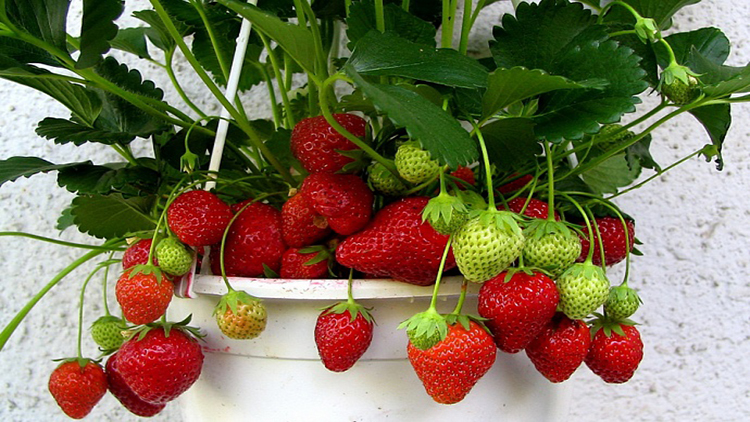
Repotting should be done every 3-4 years. In the spring, remove a few strong runners from the most developed and actively flowering bushes and move them to another location. You can also completely replace the soil in the bed. When repotting, pay attention to the heart of the bush (where the leaves grow). Don't cover it with soil. It's advisable to mulch the area around the bush with grass or sawdust (this will help the soil retain moisture longer). After two weeks, fertilize the strawberries.
Care
The care and cultivation of the ampelous strawberry variety involves the following recommendations.
Once planted in the garden, seedlings require ample watering at first (up to three times a day, sparingly). Seedlings a couple of weeks old and mature plants should be watered every three days. During dry periods, watering frequency should be increased.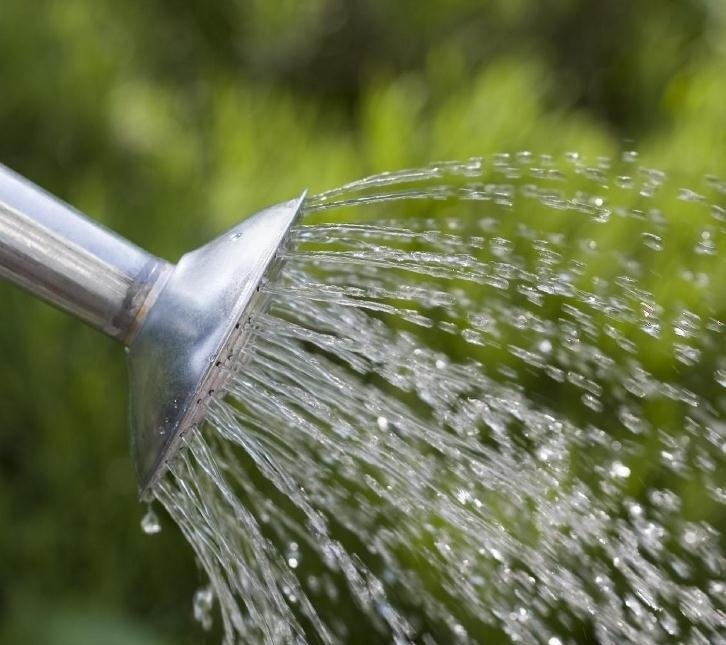
Individual flowers are removed from young plants. Some organs are also trimmed: the maximum number of tendrils per plant is five.
In the second year of life, the berry is fed before flowering and fruit formation.
To maintain proper soil structure and increase yields, systematic liquid fertilization with a mineral complex is recommended. After the harvest period is complete, strawberry leaves are removed to rejuvenate the plants.
So, the trailing strawberry variety bears fruit abundantly, just like the everbearing variety. The berry's uniqueness manifests itself in its decorative properties. Trailing strawberries often serve as indoor decoration, as they are grown in hanging containers. However, even indoors, strawberries produce fruit prolifically. You can enjoy the berries at home almost year-round. The plant is very easy to care for, which is why it is widely grown by gardeners.
Video: Planting and Caring for Strawberries
This video will show you how to plant and properly care for strawberries.